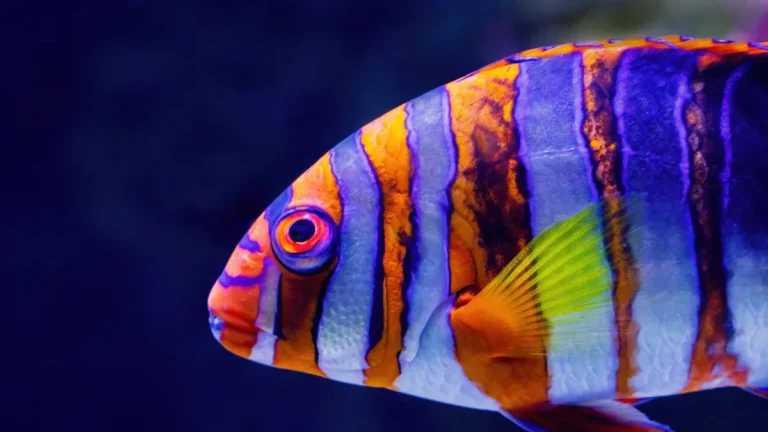

Corals love a good meal just as much as your fish do. The right foods keep colors vibrant, growth steady, and polyp extension crazy fluffy.
In 2026, options like Red Sea Reef Energy Plus AB+, Brightwell CoralAmino, and Coral Inertia NRG+ pack serious nutrition, while daphnia, pellets, and phyto round out the menu. Match these foods to your coral types and feeding routine, and your reef can shift from just surviving to seriously thriving.
| Red Sea Reef Energy Plus AB+ Coral Food |

| Best Overall | Food Type/Form: Liquid all‑in‑one coral food | Target Organisms: Soft, LPS, SPS, non‑photosynthetic corals | Primary Nutrient Focus: Carbohydrates, amino acids, fatty acids, vitamins | VIEW LATEST PRICE | Read Our Analysis |
| Brightwell Aquatics CoralAmino Coral Amino Acid Food |

| Pro-Grade Aminos | Food Type/Form: Liquid free‑form amino acid supplement | Target Organisms: All corals, polyps, and other invertebrates | Primary Nutrient Focus: Free‑form amino acids for protein synthesis | VIEW LATEST PRICE | Read Our Analysis |
| Brightwell Aquatics Coral Inertia NRG+ Coral Food |

| All-in-One Superfood | Food Type/Form: Liquid multi‑nutrient coral food | Target Organisms: All corals and their allies | Primary Nutrient Focus: Proteins, amino acids, Omega‑3s, carbs, vitamins | VIEW LATEST PRICE | Read Our Analysis |
| Liquid Non-Living Daphnia Fish Food for Aquariums |

| Natural Live-Food Alternative | Food Type/Form: Liquid preserved non‑living daphnia | Target Organisms: Fry, larvae, small fish, corals, jellyfish, seahorses | Primary Nutrient Focus: High‑protein whole‑organism daphnia | VIEW LATEST PRICE | Read Our Analysis |
| Bubble Magus Reef Food for Coral and Fish |
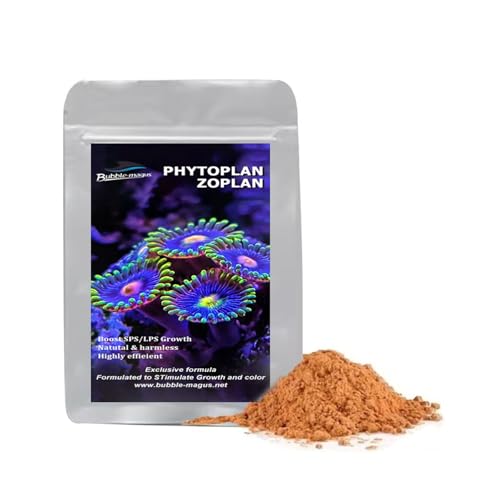
| High-Protein Powder Mix | Food Type/Form: Dry powder reef food | Target Organisms: All corals (SPS, LPS, soft), polyps, invertebrates | Primary Nutrient Focus: Proteins, amino acids, phytonutrients from zooplankton/algae | VIEW LATEST PRICE | Read Our Analysis |
| BenePellet Reef Food Sinking Pellets (38g) |

| Probiotic Pellet Formula | Food Type/Form: Dry sinking pellets (1.7 mm) | Target Organisms: Corals, shrimp, invertebrates, microorganisms | Primary Nutrient Focus: Proteins, amino acids, vitamins, minerals, superfoods | VIEW LATEST PRICE | Read Our Analysis |
| Brightwell PhytoGreen-M Marine Phytoplankton 250ml |

| Best Phytoplankton Feed | Food Type/Form: Liquid phytoplankton suspension | Target Organisms: Soft corals, sponges, clams, tube worms, filter feeders | Primary Nutrient Focus: EPA Omega‑3s, essential amino acids, chlorophyll A | VIEW LATEST PRICE | Read Our Analysis |
More Details on Our Top Picks
Red Sea Reef Energy Plus AB+ Coral Food
Should you want one simple coral food that keeps almost every type of coral happy, Red Sea Reef Energy Plus AB+ is the kind of product that instantly lowers your stress. You can feed soft corals, LPS, SPS, and even picky non-photosynthetic corals with the same bottle. That alone makes your routine feel lighter.
You also get real growth, not just wishful believing. Lab tests show up to 15 percent faster growth, thanks to a rich mix of carbs, amino acids, fatty acids, and vitamins. Your corals use it right away for energy, tissue repair, and protein building, with no leftover waste.
- Food Type/Form:Liquid all‑in‑one coral food
- Target Organisms:Soft, LPS, SPS, non‑photosynthetic corals
- Primary Nutrient Focus:Carbohydrates, amino acids, fatty acids, vitamins
- Growth & Color Benefits:15% faster growth; supports tissue regeneration, energy
- Dosing / Feeding Method:Liquid dosing; compatible with automatic dosers
- Storage Requirements:Can stay unrefrigerated up to 1 week in doser; then refrigerate/refresh
- Additional Feature:15% faster growth
- Additional Feature:No residual organic waste
- Additional Feature:One-week unrefrigerated dosing
Brightwell Aquatics CoralAmino Coral Amino Acid Food
Brightwell Aquatics CoralAmino is a great fit in case you’re serious about coral growth and color, but you don’t want to guess what your corals are missing. You get a blend of free-form amino acids that matches what stony corals use in nature. This helps your corals build new tissue, heal from frag cuts, and bounce back after stress.
You’ll dose it with the skimmer off, then target feed 1 ml near your colonies or broadcast 1 ml per 50 gallons. Start low, then slowly increase. For damage, pair it with Restor. For color, add KoralColor and rotate other Brightwell foods.
- Food Type/Form:Liquid free‑form amino acid supplement
- Target Organisms:All corals, polyps, and other invertebrates
- Primary Nutrient Focus:Free‑form amino acids for protein synthesis
- Growth & Color Benefits:Enhances tissue growth, repair, and coloration
- Dosing / Feeding Method:Target or broadcast liquid dosing; skimmer off during feeding
- Storage Requirements:Store cool and dry (34–80°F); refrigeration optional for longer life
- Additional Feature:Skimmer-off dosing protocol
- Additional Feature:Coral farmer trusted formula
- Additional Feature:Pairs with Restor/KoralColor
Brightwell Aquatics Coral Inertia NRG+ Coral Food
In case you want one simple food that helps your corals grow fast, color up, and stay strong, Coral Inertia NRG+ feels like a real stress reliever. You get proteins, amino acids, Omega-3s, carbohydrates, and vitamins in one bottle, so you don’t juggle a pile of supplements. Your corals use these nutrients for growth, tissue repair, and deep, rich color that actually lasts.
You can target feed through mixing 5 ml in a small cup, then gently release it 2 to 4 inches upstream with a pipette. It also works for broadcast feeding or food soaking, and it’s even doser friendly. Since it’s preserved and made in the USA, you just store it in a cool, shaded spot and rely on a long 4 year shelf life.
- Food Type/Form:Liquid multi‑nutrient coral food
- Target Organisms:All corals and their allies
- Primary Nutrient Focus:Proteins, amino acids, Omega‑3s, carbs, vitamins
- Growth & Color Benefits:Promotes rapid growth, reproduction, vibrant coloration
- Dosing / Feeding Method:Target, food soaking, or broadcast; compatible with automatic dosers
- Storage Requirements:No refrigeration; store cool and shaded; ~4‑year shelf life
- Additional Feature:Reproduction support focus
- Additional Feature:Four-year shelf life
- Additional Feature:Multi-use feeding options
Liquid Non-Living Daphnia Fish Food for Aquariums
Liquid non-living daphnia fish food is a great match for you should you want coral-safe nutrition that still feels close to what your animals would eat in the wild. You get real, natural ingredients that mirror tiny crustaceans drifting through the water column. That makes your corals, fry, and small fish respond like they’re hunting live prey.
This liquid food carries a high protein punch, so it supports bright colors, smooth scales, and strong immune systems. Because it’s non viable, it won’t introduce pests, yet it still fits jellyfish, seahorses, goldfish, cichlids, and delicate larvae. Micro sterilization keeps it fresh without harsh preservatives, and portioned packs help you feed quickly, cleanly, and with less stress.
- Food Type/Form:Liquid preserved non‑living daphnia
- Target Organisms:Fry, larvae, small fish, corals, jellyfish, seahorses
- Primary Nutrient Focus:High‑protein whole‑organism daphnia
- Growth & Color Benefits:Supports healthy growth, strong immunity, vibrant colors (fish/corals)
- Dosing / Feeding Method:Direct liquid feeding in tank; portioned for minimal waste
- Storage Requirements:No refrigeration needed; freezing recommended for long‑term storage
- Additional Feature:Non-living daphnia formula
- Additional Feature:Natural micro-sterilization preservation
- Additional Feature:Freezing recommended long-term
Bubble Magus Reef Food for Coral and Fish
Bubble Magus Reef Food for Coral and Fish really shines whenever you want simple feeding with serious results for both corals and small reef fish. You just sprinkle the 20 g powder into your tank 3 to 4 times a week, then adjust the amount as your reef responds. It feels low stress, yet it still supports SPS, LPS, soft corals, polyps, and inverts.
Inside the mix, you get freeze dried rotifers, Arctic copepods, saltwater shrimp, Apocalypse Roy, spirulina, and seaweeds. These enhance amino acids, energy, and color, helping coral tissue grow, heal, and build strong skeletons without clouding your water.
- Food Type/Form:Dry powder reef food
- Target Organisms:All corals (SPS, LPS, soft), polyps, invertebrates
- Primary Nutrient Focus:Proteins, amino acids, phytonutrients from zooplankton/algae
- Growth & Color Benefits:Optimizes coral growth, color, and regeneration
- Dosing / Feeding Method:Sprinkle powder directly into tank 3–4x per week
- Storage Requirements:Standard dry storage; keep sealed and dry
- Additional Feature:Freeze-dried zooplankton blend
- Additional Feature:Minimal water quality impact
- Additional Feature:Based on reef research
BenePellet Reef Food Sinking Pellets (38g)
BenePellet Reef Food Sinking Pellets are a smart choice should you want your corals to glow with color while still keeping your reef stable and clean. You get 1.7 mm sinking pellets, so LPS, soft corals, shrimp, and other inverts all find a bite. As the pellets fall, microorganisms also grab nutrients, which keeps your whole reef fed, not just the flashy pieces.
Inside each pellet, proteins, vitamins, minerals, and amino acids support growth, color, and immune health. The prebiotic and probiotic blend reactivates in water, enhances digestion, and helps your tank use more food with less waste.
- Food Type/Form:Dry sinking pellets (1.7 mm)
- Target Organisms:Corals, shrimp, invertebrates, microorganisms
- Primary Nutrient Focus:Proteins, amino acids, vitamins, minerals, superfoods
- Growth & Color Benefits:Supports coral color, health, cell metabolism, skeleton building
- Dosing / Feeding Method:Sprinkle pellets 2–3x daily; allow to sink; timed consumption
- Storage Requirements:Standard dry storage; keep sealed and dry
- Additional Feature:1.7mm sinking pellets
- Additional Feature:In-house probiotic culture
- Additional Feature:U.S.-sourced ingredients
Brightwell PhytoGreen-M Marine Phytoplankton 250ml
Brightwell PhytoGreen-M Marine Phytoplankton, 250 ml, shines in case you love keeping soft corals, clams, sponges, and other filter feeders healthy and open every day. You get a focused 10 to 15 micron Tetraselmis phytoplankton that these animals can easily capture and digest. It feels good understanding every drop targets them directly.
You also give your reef EPA omega 3s, essential amino acids, and chlorophyll A that support growth, tissue repair, and daily energy. With regular feeding, the proprietary amino acid helps colors deepen and glow. You don’t need a fridge, just store it cool and shaded. Brightwell’s careful American production gives extra peace of mind.
- Food Type/Form:Liquid phytoplankton suspension
- Target Organisms:Soft corals, sponges, clams, tube worms, filter feeders
- Primary Nutrient Focus:EPA Omega‑3s, essential amino acids, chlorophyll A
- Growth & Color Benefits:Supports growth, vitality, and enhanced coloration in invertebrates
- Dosing / Feeding Method:Liquid dosing into water column for filter feeders
- Storage Requirements:No refrigeration; store in cool, shaded environment
- Additional Feature:10–15 micron Tetraselmis
- Additional Feature:EPA-rich phytoplankton source
- Additional Feature:Color-boost amino acid
Factors to Consider When Choosing Fish Foods for Corals
Whenever you choose fish foods that support your corals, you need to consider what’s inside the food, how it matches your coral species, and whether the particle size and form fit the way your corals feed. You’ll also want to decide which feeding method works best for your tank, so both fish and corals can eat well without stress. At the same time, it’s crucial to watch how each food affects your water quality, because healthy water keeps your whole reef safe and steady.
Nutritional Profile Requirements
Although it could seem like coral food is just tiny particles in the water, the nutritional profile behind those particles is what truly decides whether your corals slowly fade or steadily thrive. Whenever you pick food, look initially for rich proteins and balanced essential amino acids. These support protein synthesis, tissue repair, and strong growth.
Next, check that the food includes clean carbohydrates and healthy fatty acids, especially Omega-3, for steady energy and membrane health. Vitamins, trace elements, and phytonutrient “superfoods” then step in to protect cells, enhance immune function, and deepen coloration.
Just as crucial, the nutrients need to be highly bioavailable. That way, your corals use them quickly, grow fuller tissue and stronger skeletons, and you avoid extra waste polluting the tank.
Coral Species Compatibility
Instead of grabbing the same food for every coral in your tank, it helps to take into account each coral species like a different “eater” at the table, with its own needs and habits. Soft corals, LPS, SPS, and non photosynthetic corals all use nutrients in different ways, so one “perfect” food rarely fits all.
You’ll want foods that match each coral’s metabolism. SPS and many LPS respond best to blends rich in amino acids, quality proteins, balanced carbohydrates, and essential fatty acids. Some advanced foods even copy the natural amino acid ratios found in stony coral tissue, which supports growth, repair, and color.
Feeding style also matters. Many photosynthetic corals prefer gentle broadcast feeding, while non photosynthetic species rely on frequent, energy dense direct feedings.
Particle Size And Form
Ever notice how some coral foods look like dust, while others look like tiny chunks of meat? That difference matters a lot to your corals. You want the particle size to match their mouths and feeding tentacles. Tiny soft corals usually take very fine particles, almost like mist, while large polyp corals handle bigger bits.
When you pick form, you guide how food moves in the water. Liquids and very fine powders spread fast and let corals absorb nutrients right through their tissues. Pellets and heavier powders sink, so bottom corals can grab them more easily. Frozen foods often break into mixed sizes.
Feeding Method Options
Once you understand particle size and food form, the next big choice is how you actually get that food to your corals. Your method controls which corals get fed, how often they eat, and how much effort you put in.
With target feeding, you use a syringe or pipette and place food 2 to 4 inches upstream from each coral. This feels slow, but it gives picky or weak corals a fair chance.
Broadcast feeding feels more relaxed. You add food to the tank and use steady flow so it spreads to many mouths at once. Flow rate really shapes how well this works.
Automatic dosing adds another layer. It lets you schedule small, regular feedings based on coral type, tank size, and filtration.
Impact On Water Quality
Although coral food is exciting to shop for, its impact on water quality matters just as much as how well your corals like the taste. Whenever you pick food that your corals fully consume, you leave fewer leftovers decomposing in the tank. That means less risk of cloudy water and ugly algae taking over.
You’ll want formulas that are rich in nutrients but low in fillers, so they decompose quickly and your corals and filter bacteria can process them easily. This helps keep ammonia, nitrite, and nitrate levels steady and safe.
Careful feeding ties everything together. You feed small, measured amounts, then watch how fast corals eat. Provided food lingers, you gently reduce the dose next time.
Storage And Shelf Life
Keeping water clean with smart feeding is only half the story, because how you store coral foods quietly decides how long they stay safe, fresh, and effective. Whenever you tuck foods away in a cool, shaded spot, you help protect fragile vitamins and fatty acids, so each feeding really counts.
You don’t always need a fridge, but you do need stable temperatures. Avoid hot stands, sunny windowsills, and lids that stay open. Frequent freeze thaw cycles slowly damage texture and nutrients, so pick one storage method and stick with it.
Shelf life also changes depending on product. Some powders last years whenever sealed tight, while liquid or refrigerated blends might only stay ideal for weeks. Clean spoons, pipettes, and dosing bottles often, and keep aquarium water out of the main container.