
Low‑fat dog food can feel confusing, so here’s the short answer: yes, great options exist for 2026. They can be safe, tasty, and gentle on sensitive stomachs.
I’ve narrowed it down to seven vet‑friendly picks you can trust, from prescription diets to everyday formulas and treats. These recipes focus on digestion support, controlled fat for pancreatitis or weight goals, and flavors even picky pups tend to accept.
| Purina Pro Plan Veterinary Diets EN Low-Fat Wet Dog Food |

| Veterinary Digestive Aid | Intended purpose: Gastrointestinal support / fat-sensitive digestion | Fat level descriptor: Low fat | Target audience (dog life stage/condition): Dogs with GI/fat-digestion issues (all adult life stages implied) | VIEW LATEST PRICE | Read Our Analysis |
| Hill’s Prescription Diet c/d Multicare Low Fat Dry Dog Food 27.5lb |

| Urinary Health Support | Intended purpose: Fat-sensitive diet + bladder stone management | Fat level descriptor: Low fat | Target audience (dog life stage/condition): Adult dogs with fat sensitivity and bladder-stone risk | VIEW LATEST PRICE | Read Our Analysis |
| Health Extension Lite Chicken & Brown Rice Dog Food |

| Weight-Management Formula | Intended purpose: Weight management / reduced-fat formula | Fat level descriptor: Reduced/low fat (50% less vs original) | Target audience (dog life stage/condition): Adult / senior dogs needing weight control | VIEW LATEST PRICE | Read Our Analysis |
| Annamaet Grain-Free Lean Reduced Fat Chicken & Duck Dog Food |
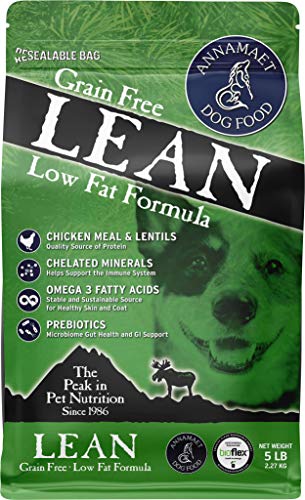
| High-Protein Lean | Intended purpose: Weight-control / reduced-fat formula | Fat level descriptor: Reduced fat / lean | Target audience (dog life stage/condition): Dogs prone to overweight (adult) | VIEW LATEST PRICE | Read Our Analysis |
| Hill’s Prescription Diet i/d Low Fat Wet Dog Food |

| Rapid GI Recovery | Intended purpose: Digestive care / fat-sensitive digestion | Fat level descriptor: Low fat | Target audience (dog life stage/condition): Dogs with digestive issues (adult) | VIEW LATEST PRICE | Read Our Analysis |
| SquarePet Low-Fat Ocean Whitefish Soft-Baked Dog Treats |
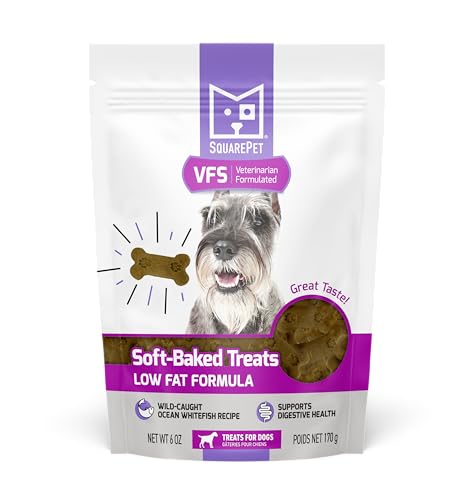
| Low-Fat Treats | Intended purpose: Low-fat treats for fat-sensitive dogs | Fat level descriptor: Low fat | Target audience (dog life stage/condition): Adult and senior dogs with fat sensitivity | VIEW LATEST PRICE | Read Our Analysis |
| Blue Buffalo Veterinary GI Low-Fat Whitefish Dog Food |

| Natural GI Support | Intended purpose: Gastrointestinal support / fat-sensitive digestion | Fat level descriptor: Low fat | Target audience (dog life stage/condition): Dogs with GI sensitivity (veterinary-prescribed) | VIEW LATEST PRICE | Read Our Analysis |
More Details on Our Top Picks
Purina Pro Plan Veterinary Diets EN Low-Fat Wet Dog Food
Should your dog struggles with fat digestion or has a sensitive stomach, try Purina Pro Plan Veterinary Diets EN Low-Fat Wet Dog Food, a veterinary formula that’s built to help their gut absorb nutrients better. You’ll find it in a 12-can pack, each can 13.4 oz, so you won’t run out fast. It’s low in fat and highly digestible, so your dog can get more nutrients from each bite. The recipe includes prebiotic fiber to feed healthy gut bacteria and antioxidants to support general health. It’s made for picky eaters, tastes good, and helps you care for sensitive digestion.
- Intended purpose:Gastrointestinal support / fat-sensitive digestion
- Fat level descriptor:Low fat
- Target audience (dog life stage/condition):Dogs with GI/fat-digestion issues (all adult life stages implied)
- Protein source / primary ingredient:(Veterinary wet formula — unspecified primary protein in summary)
- Formulation claims / functional additives:Prebiotic fiber, antioxidants, high digestibility
- Packaging / format:Wet food — 13.4 oz cans, 12-pack
- Additional Feature:Prebiotic fiber blend
- Additional Feature:Antioxidant-rich nutrition
- Additional Feature:Sold as 12-pack
Hill’s Prescription Diet c/d Multicare Low Fat Dry Dog Food 27.5lb
Should your dog has trouble with fatty foods or keeps getting bladder stones, Hill’s Prescription Diet c/d Multicare Low Fat Dry Dog Food, 27.5 lb is made for you and your pet. You’ll find a veterinary therapeutic formula that lowers fat and reduces struvite and calcium oxalate precursors. That means less risk of recurring stones once your vet approves lifelong feeding. You’ll like that dogs eat it enthusiastically because it’s highly palatable, and vets commonly recommend it. The large 27.5 pound bag suits multi-dog homes or long-term plans. Talk with your vet to confirm it fits your dog’s health and lifestyle needs.
- Intended purpose:Fat-sensitive diet + bladder stone management
- Fat level descriptor:Low fat
- Target audience (dog life stage/condition):Adult dogs with fat sensitivity and bladder-stone risk
- Protein source / primary ingredient:(Dry therapeutic formula — primary protein not specified in summary)
- Formulation claims / functional additives:Urinary management (reduces stone-building compounds), vet-recommended
- Packaging / format:Dry kibble — 27.5 lb bag
- Additional Feature:Manages bladder stones
- Additional Feature:Lifelong feeding option
- Additional Feature:27.5 lb bag
Health Extension Lite Chicken & Brown Rice Dog Food
Provided you want a low-fat dry food that still gives your dog real chicken and steady energy, Health Extension Lite Chicken and Brown Rice is a smart choice for weight-conscious pet owners. You’ll like that real deboned chicken leads the recipe and brown rice offers gentle, steady carbs. It cuts fat in half compared to the original formula and adds L-Carnitine to support weight and natural probiotics to aid digestion. Glucosamine and chondroitin help joints while flaxseed and coconut oil nourish skin and coat. No corn wheat soy or artificial additives appear. Check the bag for feeding guidelines and portion carefully.
- Intended purpose:Weight management / reduced-fat formula
- Fat level descriptor:Reduced/low fat (50% less vs original)
- Target audience (dog life stage/condition):Adult / senior dogs needing weight control
- Protein source / primary ingredient:Real deboned chicken
- Formulation claims / functional additives:Probiotics, L‑Carnitine, glucosamine/chondroitin, superfoods
- Packaging / format:Dry kibble — 1 lb bag (single unit)
- Additional Feature:50% less fat
- Additional Feature:30+ superfoods
- Additional Feature:Includes L‑Carnitine
Annamaet Grain-Free Lean Reduced Fat Chicken & Duck Dog Food
Should your dog tends to gain weight easily or needs a trim waistline, Annamaet Grain-Free Lean Reduced Fat Chicken & Duck is a smart choice that helps you manage their weight without sacrificing taste. You’ll appreciate a grain-free, reduced-fat formula made with chicken and duck fit for human consumption. It’s high in protein, has added L‑Carnitine to support fat use, and includes Omega‑3s for healthy skin and joints. Small batch slow cooking preserves nutrients, and proteinated minerals enhance immune support. You’ll also like that it’s GMO-free, free of corn wheat soy, and uses biodegradable Bio-Flex packaging.
- Intended purpose:Weight-control / reduced-fat formula
- Fat level descriptor:Reduced fat / lean
- Target audience (dog life stage/condition):Dogs prone to overweight (adult)
- Protein source / primary ingredient:Chicken & duck
- Formulation claims / functional additives:L‑Carnitine, omega‑3s, chelated minerals
- Packaging / format:Dry kibble — bag (weight unspecified in summary)
- Additional Feature:GMO-free holistic formula
- Additional Feature:Human-grade meat sources
- Additional Feature:Bio‑Flex biodegradable packaging
Hill’s Prescription Diet i/d Low Fat Wet Dog Food
Should your dog struggles with digestive upset or high blood fat, Hill’s Prescription Diet i/d Low Fat Wet is a smart choice that targets those problems with gentle care. You’ll appreciate its low-fat recipe and highly digestible protein that ease digestion and help nutrient absorption. It uses ActivBiome+ technology to quickly support beneficial gut bacteria and balance the GI microbiome. The prebiotic fibers, omega-3s, and clinically proven antioxidants promote regular bowel movements and overall digestive stability. This veterinary diet comes in 13 oz cans and is vet recommended, so talk with your veterinarian to confirm it fits your dog’s needs.
- Intended purpose:Digestive care / fat-sensitive digestion
- Fat level descriptor:Low fat
- Target audience (dog life stage/condition):Dogs with digestive issues (adult)
- Protein source / primary ingredient:Highly digestible protein (chicken flavor indicated)
- Formulation claims / functional additives:Prebiotic fibers, ActivBiome+ (microbiome support), omega‑3s, antioxidants
- Packaging / format:Wet food — 13 oz cans, 12-pack
- Additional Feature:ActivBiome+ technology
- Additional Feature:Clinically proven antioxidants
- Additional Feature:Enriched with omega‑3s
SquarePet Low-Fat Ocean Whitefish Soft-Baked Dog Treats
Should your dog needs a lower-fat snack because of a sensitive stomach or pancreatic issues, SquarePet Low-Fat Ocean Whitefish Soft-Baked Dog Treats make a gentle, tasty option you can trust. You’ll appreciate the naturally lean ocean whitefish as the primary protein, and your dog will like the soft-baked, soft-chewy texture that’s easy on teeth and digestion. These treats are limited-ingredient and all-natural, with no artificial colors, flavors, or preservatives. They include omega-3 DHA and EPA to support skin, coat, and wellbeing. Made in USA, they follow strict standards so you can feel confident offering them often.
- Intended purpose:Low-fat treats for fat-sensitive dogs
- Fat level descriptor:Low fat
- Target audience (dog life stage/condition):Adult and senior dogs with fat sensitivity
- Protein source / primary ingredient:Ocean whitefish
- Formulation claims / functional additives:Omega‑3 (DHA/EPA), limited ingredients
- Packaging / format:Soft-baked treats — 6 oz package
- Additional Feature:Soft-baked texture
- Additional Feature:DHA/EPA omega‑3s
- Additional Feature:Made in USA
Blue Buffalo Veterinary GI Low-Fat Whitefish Dog Food
Should your dog struggles with upset stomachs or can’t tolerate fatty foods, this Blue Buffalo Veterinary GI Low-Fat Whitefish formula is a strong choice that helps make mealtimes gentler and more predictable. You’ll notice real whitefish leads the ingredient list, and that matters because it keeps protein simple and familiar for sensitive pets. It’s a prescription diet, so your vet guides the shift and monitors results. The low-fat recipe supports digestion, and the natural ingredients avoid chicken through-products, corn, wheat, and soy to reduce triggers. Packaging varies, but the product information and GI support benefits stay clear and reliable.
- Intended purpose:Gastrointestinal support / fat-sensitive digestion
- Fat level descriptor:Low fat
- Target audience (dog life stage/condition):Dogs with GI sensitivity (veterinary-prescribed)
- Protein source / primary ingredient:Real whitefish
- Formulation claims / functional additives:Natural ingredients, vet-formulated for GI support
- Packaging / format:Dry therapeutic kibble — 6 lb bag
- Additional Feature:Vet-prescription required
- Additional Feature:No poultry by-products
- Additional Feature:6 lb bag
Factors to Consider When Choosing Low-Fat Dog Foods
At the time you’re picking a low-fat dog food, pay close attention to the actual fat content percentage and how well your dog can digest and absorb those nutrients. Look for high quality protein sources, plus fiber and prebiotics to support digestion, and don’t forget omega-3 and other fatty acids for skin and joint health. I know it can feel overwhelming, but focusing on those key points will help you choose a diet that keeps your dog comfortable and thriving.
Fat Content Percentage
Should you’re comparing low-fat dog foods, start looking at the fat percentage on a dry matter basis so you don’t get fooled through moisture differences between wet and dry formulas. You’ll want foods under about 10% DMB for general low-fat needs. In case your dog has pancreatitis or severe fat sensitivity, your vet might direct diets at 5–7% DMB or lower. Check guaranteed analysis and ingredients, because oils, animal fats, and fish meals can raise fat even when as-fed numbers look low. Calculate DMB whenever labels confuse you. For mild weight control, 8–10% DMB often works. Watch your dog after switching. Should appetite, energy, or coat falter, discuss calories and essential fatty acids along with your vet to avoid deficiencies.
Digestibility And Absorption
Now that you’ve learned how to read fat percentages on a dry matter basis, it helps to look at how your dog actually digests and absorbs the nutrients in low-fat formulas. You want proteins that decompose easily, so pick foods with hydrolyzed proteins or recognized animal sources that leave less undigested residue and cut GI upset. Low-fat recipes often add carbs or soluble fiber to keep calories up, so choose digestible options like rice and cooked grains to aid absorption. Look for added prebiotics and probiotics such as FOS and MOS to support the microbiome and improve stool quality. Make certain the formula includes bioavailable essential fatty acids or added omega-3s. Finally, compare apparent digestibility coefficients for objective data whenever necessary.
Protein Source Quality
Pick high-quality protein you can trust, because dogs on low-fat diets need better protein to keep muscles strong and stay healthy. You should choose complete, easily digestible proteins like single-animal muscle meats or fish, since they give the amino acids your dog needs. Look for whole-meat primary ingredients rather than vague terms such as meat meal. Check that essential amino acids, especially lysine, methionine and taurine for some breeds, are adequate for your dog’s life stage so muscle loss is less likely whenever fat is limited. Should your dog have sensitivities, single-protein or novel ingredient formulas can simplify diagnosis and reduce reactions. Finally, verify AAFCO or similar approval so protein quality and quantity truly meet complete and balanced standards.
Fiber And Prebiotics
Good protein keeps your dog’s muscles strong on a low-fat diet, but you’ll also want to pay close attention to fiber and prebiotics because they shape digestion, stool quality, and how well your dog uses the food. Soluble fiber like beet pulp and psyllium slows gastric emptying and forms gentle gels, so nutrients absorb better and stools stay firmer. Insoluble fiber such as cellulose adds bulk and speeds transit, which can help with weight control but could decrease calorie uptake. Prebiotics like FOS and inulin feed good gut bacteria, improving digestion and comfort. Aim for moderate total fiber in therapeutic formulas and introduce added fiber and prebiotics slowly over 7 to 10 days to avoid gas or loose stools.
Omega‑3 And Fatty Acids
You’ll often find that even low‑fat dog foods still need thoughtful omega‑3 inclusion to keep your dog comfortable and healthy. You want EPA and DHA in the formula because they calm inflammation, help skin and coat, and support reasoning as dogs age. Check labels for EPA plus DHA amounts per kilogram or per serving so you can compare anti‑inflammatory potency. Aim for an omega‑6 to omega‑3 ratio near 5:1 to 10:1 or lower, since many ingredients lean high in omega‑6. Good low‑fat sources include fish oil or algal oil for EPA and DHA, and flax or chia for ALA, though ALA converts poorly. Should you contemplate supplements, talk with your veterinarian about dosing in mg EPA plus DHA per kg to avoid risks.
Veterinary Prescription Needs
After talking about omega-3s and fatty acids, it helps to ponder about at what time a low-fat food should originate from your veterinarian. Should your dog has severe pancreatitis, chronic gastrointestinal trouble, or malabsorption, a prescription low-fat diet could be needed. Your vet will review signs, bloodwork, imaging, and feeding history to decide whether a prescription formula is right. Prescription status means the diet has tightly controlled fat, protein, mineral, and fiber levels and might have clinical support for specific diseases. Should a prescription be advised, expect follow up visits to track weight, stool, and lab markers. Always check with your vet before changing diets because abrupt switches or long term use without oversight can cause problems.
Palatability And Texture
Often you’ll find that palatability and texture decide whether your dog will eat a low-fat food, so it’s worth paying close attention to both. You’ll notice dogs rely on smell, so choose formulas with cooked proteins or broths that enhance natural aroma without extra fat. In case your dog is picky or has dental issues, try soft wet or soft-baked options because texture often matters more than kibble shape. You can also warm wet food slightly to body temperature to release scent and improve mouthfeel. Gradually mix the new low-fat food over 7 to 10 days so your dog accepts the change. Offer smaller, more frequent meals to help reluctant eaters, and prioritize high-quality proteins and natural flavor boosters.