
Watch for five common urinary problems in dogs: urinary tract infections that cause frequent, painful peeing; bladder stones that bring straining or blood in urine; incontinence from age or hormones causing leaks; kidney disease with increased thirst and odd-smelling urine; and congenital or neurologic issues that cause dribbling or sudden changes. Check urine, vet-test once signs start, adjust diet and hydration, and consider supplements like cranberry or D‑mannose. Keep going to learn how to act fast.
| Dog UTI & Kidney Support Soft Chews for Dogs |

| Vet-Trusted Support | Intended use: Urinary tract / bladder & kidney support; UTI treatment/prevention | Target species / audience: Dogs (all life stages, all breeds) | Delivery form: Soft chews (chicken-flavor) | VIEW LATEST PRICE | Read Our Analysis |
| Cranberry D-Mannose Urinary Supplement for Dogs & Cats |
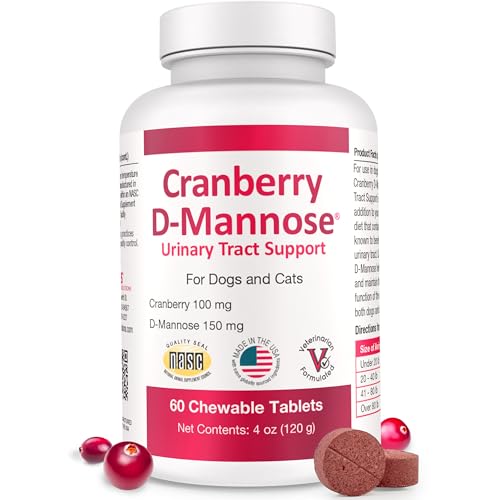
| Dual-Action Defense | Intended use: Bladder and urinary tract health; UTI prevention & post-antibiotic support | Target species / audience: Dogs & cats (all life stages, sizes) | Delivery form: Chewable tablets | VIEW LATEST PRICE | Read Our Analysis |
| Zesty Paws Cranberry Chews for Dog Urinary Health |

| Multi-Support Formula | Intended use: Urinary tract and bladder support; kidney support | Target species / audience: Dogs (all life stages, all breeds) | Delivery form: Soft chews (bacon-flavor) | VIEW LATEST PRICE | Read Our Analysis |
| Pet Wellbeing Urinary Gold Liquid Supplement for Dogs |

| Rapid-Absorb Liquid | Intended use: Urinary tract and bladder health; relief for occasional urgency/frequency | Target species / audience: Dogs (general canine use) | Delivery form: Liquid formula (dropper) | VIEW LATEST PRICE | Read Our Analysis |
| Dog UTI & Kidney Support Supplement (400 Pills) |
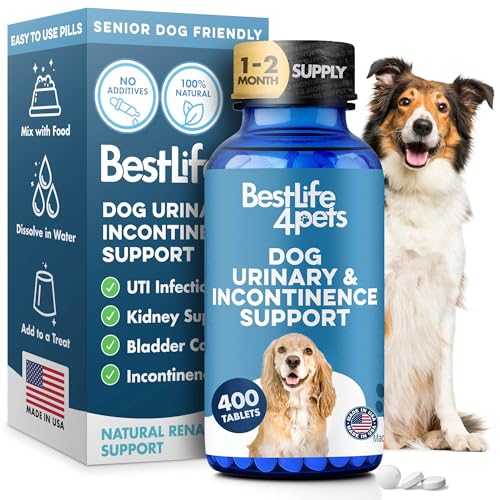
| Bulk Supply Relief | Intended use: UTI and kidney support; reduces bladder infections, incontinence control | Target species / audience: Dogs (pet parents managing urinary/kidney issues) | Delivery form: Pills (small tablets) | VIEW LATEST PRICE | Read Our Analysis |
More Details on Our Top Picks
Dog UTI & Kidney Support Soft Chews for Dogs
Provided your dog often shows signs of discomfort during urination, UroMAXX Dog Urinary Tract Infection Treatment is a good choice for pet owners who want gentle, daily support. You’ll find natural soft chews in roasted chicken flavor that dogs usually like, and they come in a 90-count pack made in the USA. These chews combine cranberry extract, glucosamine, and vitamin C to help acidify urine, nourish the urinary lining, and support bladder and kidney health. They’re free from sugar, soy, milk, salt, wheat, and yeast. Read label directions, follow doses for your dog’s size, and consult your vet.
- Intended use:Urinary tract / bladder & kidney support; UTI treatment/prevention
- Target species / audience:Dogs (all life stages, all breeds)
- Delivery form:Soft chews (chicken-flavor)
- Key active ingredients / approach:Cranberry extract, glucosamine, vitamin C (natural)
- Made in / quality claim:Made in USA; manufactured to quality standards
- Count / package size:90 soft chews (1 pack)
- Additional Feature:Natural roasted chicken flavor
- Additional Feature:Acidifies urine / lowers pH
- Additional Feature:30-day return policy
Cranberry D-Mannose Urinary Supplement for Dogs & Cats
Should your dog or cat struggle with recurring urinary issues, this Cranberry D-Mannose supplement is often the kind of daily support owners reach for initially. You’ll find chewable tablets that combine cranberry extract, D-mannose, and vitamin C to help prevent bacteria like E. coli from sticking to the bladder wall. You can give them directly, crush them, or mix with food. Dosage adjusts according to weight so you can dose under 20 lb up to over 80 lb. They’re made in the USA in an FDA registered facility and are free from wheat, corn, artificial colors, and preservatives.
- Intended use:Bladder and urinary tract health; UTI prevention & post-antibiotic support
- Target species / audience:Dogs & cats (all life stages, sizes)
- Delivery form:Chewable tablets
- Key active ingredients / approach:Cranberry extract + D‑Mannose + vitamin C
- Made in / quality claim:Made in USA; FDA‑registered facility quality claims
- Count / package size:60 chewable tablets
- Additional Feature:Dosing by pet weight
- Additional Feature:Safe for dogs and cats
- Additional Feature:FDA-registered facility
Zesty Paws Cranberry Chews for Dog Urinary Health
Should your dog struggles with frequent urinary issues or you want to support bladder and kidney health before problems start, Zesty Paws Cranberry Chews can be an easy daily step you’ll feel good about giving. You’ll find bacon flavored soft chews with cranberry concentrate, D-Mannose, vitamin B6, L-Arginine, astragalus, marshmallow, and nettle to target urinary, kidney, immune, and digestive support. Start with half the suggested dose and work up according to weight to 1 to 3 chews daily, split as necessary. The 90-count tub fits all life stages and breeds, and feels like a simple, caring routine you can trust.
- Intended use:Urinary tract and bladder support; kidney support
- Target species / audience:Dogs (all life stages, all breeds)
- Delivery form:Soft chews (bacon-flavor)
- Key active ingredients / approach:Cranberry concentrate, D‑Mannose, vitamins, herbal mix (astragalus, marshmallow, nettle)
- Made in / quality claim:(U.S. brand/manufacturer) product details show manufacture and packaging (consumer-grade quality)
- Count / package size:90 soft chews
- Additional Feature:Bacon-flavored soft chews
- Additional Feature:Includes herbal blend (marshmallow)
- Additional Feature:Split-dose AM/PM option
Pet Wellbeing Urinary Gold Liquid Supplement for Dogs
Should your dog has occasional urinary urgency or changes in bathroom habits, Pet Wellbeing Urinary Gold Liquid for Dogs can be a gentle, effective option to look into. You’ll find a vet-formulated 2 oz liquid made in the USA that delivers multi-herb combination for bladder health and comfort. It supports normal urination patterns, eases occasional urgency, and helps prevent urinary issues if used for maintenance. The premium liquid absorbs quickly and is easy to dose, so you can add it to food or give it directly. It’s made in an FDA-registered facility, NASC certified, and third-party tested for purity.
- Intended use:Urinary tract and bladder health; relief for occasional urgency/frequency
- Target species / audience:Dogs (general canine use)
- Delivery form:Liquid formula (dropper)
- Key active ingredients / approach:Multi‑herb blend (traditional herbs) in liquid form
- Made in / quality claim:Made in USA; NASC certified; third‑party tested; FDA‑registered manufacturing
- Count / package size:2 oz (59 ml) liquid bottle
- Additional Feature:Fast-absorbing liquid format
- Additional Feature:NASC certified / third-party tested
- Additional Feature:Vet-formulated formula
Dog UTI & Kidney Support Supplement (400 Pills)
Should your dog struggles with frequent urinary infections, leaking, or the discomfort that comes with bladder and kidney issues, this Dog UTI and Kidney Support supplement is made for you and your pet. You’ll find 400 small, odorless, tasteless pills that ease burning, itching, and stomach pain from UTIs. The all-natural, plant-based formula supports kidney health and helps control incontinence so your dog leaks less and needs fewer bulky diapers. You can hide pills in treats, mix them into kibble, or dissolve crushed powder in water for stress-free dosing. Made in the USA through BestLife4Pets, it fits ongoing comprehensive care.
- Intended use:UTI and kidney support; reduces bladder infections, incontinence control
- Target species / audience:Dogs (pet parents managing urinary/kidney issues)
- Delivery form:Pills (small tablets)
- Key active ingredients / approach:Plant‑based homeopathic herbal formula (all‑natural)
- Made in / quality claim:Made in USA; marketed for pet‑parent safety/quality
- Count / package size:400 pills (large count)
- Additional Feature:Large 400-pill supply
- Additional Feature:Odorless, tasteless pills
- Additional Feature:Easily mixed into food
Factors to Consider When Choosing Common Urinary Problems In Dogs
If you choose which urinary issue to focus on, consider your dog’s age and life stage because puppies, adults, and seniors often show different signs and needs. Also consider breed and genetics alongside any foundational medical conditions and past medications since those shape risk and treatment options. Pay attention to diet, hydration, and treatment history too, because they often interact and change what will work best for your dog.
Age And Life Stage
Across your dog’s life, age and life stage shape which urinary problems are most likely and how you’ll spot them, diagnose them, and treat them. In puppies and young dogs you’ll observe frequent urination, dribbling, or repeat infections that hint at congenital defects like ectopic ureters or sphincter weakness. You’ll need imaging at an early stage to find structural issues. In adult dogs bacterial UTIs, bladder stones, or behavior and hormonal shifts are common, and repeated antibiotics or conditions like diabetes raise risk. In seniors reduced kidney filtration and weaker sphincters cause incontinence and chronic kidney disease, so bloodwork and careful medication dosing matter more. Life events such as spaying, pregnancy, or hormonal changes influence control and infection risk across age groups, so stay attentive and ask your vet.
Breed And Genetics
Because genes shape so much of your dog’s body, breed and family history play a big role in urinary problems and how you’ll manage them. You’ll notice some breeds like Dalmatians, English Springer Spaniels, Miniature Schnauzers, and Shih Tzus get stones, chronic infections, or congenital issues more often. Female dogs more easily get UTIs because of a shorter, wider urethra, and certain male lines can have prostate or urethral problems. Genetic defects such as ectopic ureters, patent urachus, and urethral sphincter weakness often show prematurely as incontinence or repeat infections. Metabolic quirks like the Dalmatian uric acid issue change stone risk and diet choices. Check lineage and ask breeders about urinary disease history before adopting or breeding.
Underlying Medical Conditions
Should your dog keeps having urinary trouble, look beyond the obvious and consider other medical problems that often hide behind the symptoms. You might be coping with a urinary tract infection, most often E. coli, which causes straining, blood in urine, and constant trips outside. Hormone changes after spaying or diabetes can weaken urethral tone and change urine concentration, making problems return. Kidney disease, whether sudden or chronic, drives drinking and peeing more and creates dilute urine that invites infection and stones. Stones in the bladder or kidneys irritate tissue and sometimes block flow, with types linked to pH and mineral balance. Neurologic injuries and congenital defects like ectopic ureters or sphincter issues cause incontinence, retention, or repeated infections.
Dietary Composition And Hydration
Consider about food and water as the initial tools you can use to help your dog’s urinary health. You can lower stone risk through adding wet food or extra water to kibble so urine stays dilute. Watch minerals in the diet because high magnesium, phosphorus, or oxalates raise struvite and calcium oxalate risks. Pay attention to urinary pH since alkaline urine favors struvite while acidic favors calcium oxalate; choose diets that steer pH toward your dog’s needs. Offer balanced, high quality protein to support immune and urinary health without causing stones whenever minerals and pH are controlled. Small increases in dietary sodium can encourage drinking, but match that choice to any heart or kidney issues. Work with your veterinarian to tailor hydration and composition to your dog.
Medication And Treatment History
You’ve already taken great steps with your dog’s food and water, and now it helps to look at medications and past treatments because they shape how you’ll pick the next steps for urinary care. Check recent antibiotics regarding type, dose, and how long they ran, since antibiotics in the last three months can select resistant bacteria and change culture results. List current medicines and supplements, including NSAIDs, steroids, and diuretics, because they can mask symptoms, affect kidneys, or interact with urinary drugs. Take note of repeated UTI courses, which raise the chance of multidrug resistance and might need a specialist. Include prior diagnostics and their results, plus recent surgeries, anesthesia, or vaccinations, because those can change risk and guide targeted therapy.
Product Ingredients Profile
Pick products through reading labels closely and believing like a guardian who wants real benefit for a dog with urinary issues. Look for active ingredients with proven urinary support, such as cranberry extracts containing proanthocyanidins and D‑mannose, since they help reduce bacterial sticking in the bladder. Also favor antioxidants like vitamin C and targeted botanicals that support tissue health and might assist in acidifying urine, noting that dosing and absorption vary across formulas. Choose items that include mucosal repair supports, for example glucosamine or mucilage herbs, to nourish the lining. Avoid fillers, artificial colors, sugars, common allergens like wheat soy and corn, and excessively high single nutrient doses. Pick formulas that state ingredient amounts per serving and show third party testing or GMP and clear dosing according to weight or age.
Ease Of Administration
Getting your dog to take a urinary supplement or medicine can make or break treatment, so start considering how your dog likes to eat and what fits your daily life. Pick a form your dog accepts easily, like soft chews, tablets, liquids, or powders, because taste and texture decide willingness. Match dosing frequency and pill size to your routine and your dog’s temperament. Consider how you’ll give it whole, crushed, concealed in food, or mixed in water, and whether you can mask flavor. Check concentration and dose according to weight so you can measure portions without constant adjustments. Prefer scored tablets, adjustable droppers, or small-dose chew counts for flexible dosing and smoother titration and better daily compliance.
Cost And Long-Term Value
Since ease of giving medicine affects whether your dog actually takes it, the next thing to evaluate about is cost and long-term value while choosing treatments for urinary problems. Start by comparing upfront cost per dose so you can estimate monthly spending based on your dog’s weight and daily dose. Then consider treatment length, because chronic or recurring issues often mean months of care and much higher total cost. Don’t forget ancillary expenses like vet visits, tests, antibiotics, or prescription diets that add up fast. Also weigh potency and ingredient concentration, since stronger doses can lower how much you need. Finally, factor in convenience and adherence. Palatable, easy-to-dose forms save time, reduce missed doses, and often cut overall treatment time and expense.