

The African Spiny Mouse captivates many with its unique characteristics. You may find its spiny fur and agile movements fascinating. This small rodent, native to Africa, has adapted well to its environment. Understanding its care needs is essential if you consider keeping one as a pet. These creatures are not only adorable but also offer a glimpse into the diverse wildlife of Africa.
Key Takeaways
African spiny mice can regenerate skin and heal wounds without scarring, showcasing their unique biological abilities.
These mice thrive in social groups, so keeping them in pairs or small colonies promotes their happiness and well-being.
A balanced diet rich in insects, seeds, and fresh water is essential for their health and helps prevent obesity.
Creating a spacious and secure habitat with proper ventilation and bedding mimics their natural environment, ensuring they stay active and healthy.
Regular veterinary check-ups and attention to their specific care needs can help prevent common health issues like obesity and diabetes.
Acomys Overview
Taxonomy
The African spiny mouse belongs to the genus Acomys, which includes a total of 21 species. Here’s a quick look at its classification:
Taxonomic Level | Taxa |
|---|---|
Species | 1 |
All Subtaxa | 1 |
Some notable species within the Acomys genus include:
Fiery Spiny Mouse (Acomys ignitus)
African Spiny Mouse (Acomys cahirinus)
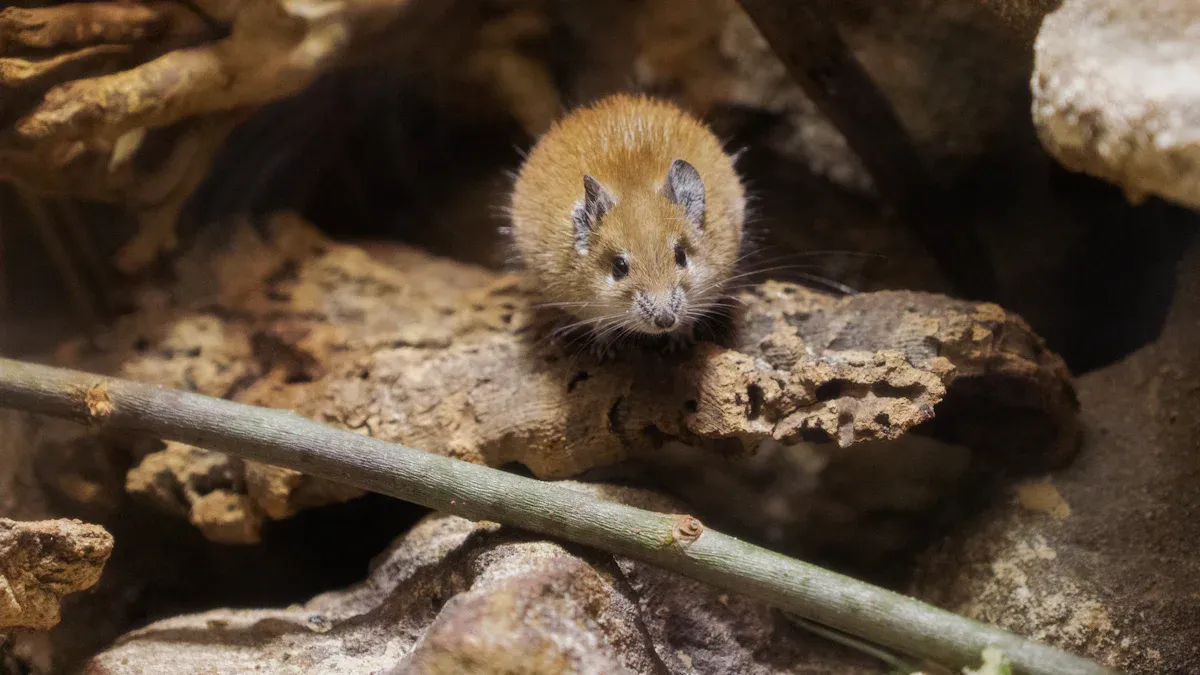
These mice exhibit unique characteristics that set them apart from other rodents. The African spiny mouse has harsh, inflexible spiny hairs, large eyes, and ears. Its tail is shorter than or about as long as its body, and it is scaly and nearly bald. This tail can break off easily, which is a distinctive feature compared to other rodent species.
Habitat
You can find the African spiny mouse in various habitats across Africa. They thrive in environments such as moist savannas and rocky areas. Here’s a brief overview of their natural habitats:
Species | Natural Habitats |
|---|---|
Southern African spiny mouse | Moist savanna, rocky areas |
Cairo spiny mouse | Rocky areas, hot deserts |
To replicate their natural habitat in captivity, consider these environmental conditions:
High rainfall and warm temperatures are essential for their well-being.
The main breeding season occurs between September and January, aligning with the rainy season.
Understanding the taxonomy and habitat of the African spiny mouse helps you provide better care for these fascinating creatures. Their unique physical traits and specific habitat needs make them an interesting addition to your pet collection.
Spiny Mouse Care
Caring for the African spiny mouse requires attention to several key areas: housing, diet, and social behavior. Each aspect plays a vital role in ensuring your pet thrives in captivity.
Housing
Creating a suitable environment for your African spiny mouse is crucial. You should provide a spacious enclosure that allows for exploration and activity. Here are some essential housing tips:
Use a large tank with a deep layer of pet-safe bedding. This bedding should include layers of hay to mimic their natural habitat.
Avoid plastic materials, as spiny mice can chew through them. Instead, opt for glass or sturdy wooden enclosures.
Ensure the tank lid is secure and well-ventilated. Mesh lids work best to allow airflow while keeping your mouse safe.
The minimum recommended size for a pair of spiny mice is 10 UK gallons, but larger is preferable due to their active nature.
To maintain their health, keep the temperature around 27°C (81°F) and humidity at approximately 50%. A consistent light cycle of 14 hours of light and 10 hours of darkness helps regulate their natural behaviors.
Diet
Feeding your African spiny mouse a balanced diet is essential for their health. These mice are omnivorous, with a preference for insects over plant-based foods. Here’s what you should know about their diet:
Insects should make up 40 to 65% of their diet, with crickets being a highly favored option.
A combination of high-protein and high-fiber diets is beneficial. High-protein diets without fiber can lead to obesity, while high-fiber diets help control weight.
You can also offer seeds, nuts, and cereals as part of their diet. Occasional protein sources like lean meats or insects are necessary to prevent health issues.
Always provide fresh water to keep them hydrated.
Social Behavior
Understanding the social behavior of African spiny mice is vital for their well-being. These mice are social creatures and thrive in colonies. Here are some key points about their social interactions:
Spiny mice are significantly more prosocial than aggressive. They quickly approach peers and show a preference for larger groups.
They evolved to live in mixed-sex groups and allow newcomers to join their colonies. This behavior promotes a sense of community among them.
When caring for spiny mice, consider keeping them in pairs or small groups to ensure they remain happy and healthy.
By focusing on proper housing, a balanced diet, and understanding their social needs, you can provide excellent care for your African spiny mouse. These small creatures will reward you with their playful nature and unique personalities.
Unique Features
Adaptations
The African spiny mouse has developed remarkable adaptations that help it survive in various environments, especially arid regions. These adaptations include:
Adaptation Type | Desert Species Characteristics | Mesic Species Characteristics |
|---|---|---|
Resting Metabolic Rate (RMR) | Reduced RMR for energy and water conservation | Higher RMR values |
Non-shivering Thermogenesis | High NST capacity to compensate for low RMR | Different adaptations for thermoregulation |
These adaptations allow the African spiny mouse to thrive in harsh conditions. For example, the golden spiny mouse has a low metabolic rate. This adaptation minimizes food needs and lowers internal heat production, promoting diurnal activity. Such traits are crucial for survival in environments where resources are limited.
Behavior
The behavior of the African spiny mouse is equally fascinating. These mice exhibit several unique traits that enhance their adaptability:
Behavioral Trait | Description |
|---|---|
Exploratory Behavior | Cairo spiny mice prefer slower and more thorough exploration compared to house mice. |
Climbing Ability | They are good climbers, demonstrating accurate depth perception on a visual cliff. |
Avoidance of Open Spaces | They tend to avoid illuminated open spaces, similar to other small rodents. |
Variability in Exploration Tactics | Different exploratory tactics are observed within the population, indicating personality traits. |
You will notice that African spiny mice respond positively to environmental enrichment. Studies show that such enrichment enhances their sensory functions. Mice in tactile enriched housing perform better in spatial tasks compared to those in standard housing. This indicates their need for stimulation and interaction in their environment.
Health
Maintaining the health of your African spiny mouse is essential. While they are generally hardy, certain health issues can arise. Here are some common concerns:
Health Issue | Description |
|---|---|
Mild Osteoarthritis | African spiny mice exhibit mild osteoarthritis following meniscal injury. |
Obesity and Diabetes Mellitus | Obesity and diabetes mellitus can occur, particularly in Acomys cahirinus. |
Understanding these health issues allows you to take proactive measures. Regular veterinary check-ups and a balanced diet can help prevent obesity and related conditions.
The African spiny mouse also plays a significant role in scientific research, particularly in regenerative medicine. They can regenerate skin, organs, and even spinal cord tissue without scarring. This unique ability provides insights into potential therapeutic approaches for humans.
By appreciating the unique features of the African spiny mouse, you can better understand their care needs and the fascinating biology that makes them such remarkable creatures.
Caring for the African spiny mouse offers a rewarding experience. These unique creatures possess remarkable regenerative abilities. Here are some key takeaways:
Spiny mice can regenerate their skin and heal wounds without scarring.
They can recover from spinal cord injuries, regaining mobility within weeks.
Their calm demeanor makes them easier to handle compared to other rodents.
By understanding their care needs and unique features, you can provide a nurturing environment for your spiny mouse. Embrace the joy of having such an extraordinary pet! 🐭✨
FAQ
What is the lifespan of an African spiny mouse?
The African spiny mouse typically lives for 3 to 5 years in captivity. Proper care, including a balanced diet and suitable housing, can help maximize their lifespan.
Can I keep an African spiny mouse alone?
While you can keep a single mouse, they thrive in pairs or small groups. Social interaction is crucial for their well-being and happiness.
What do African spiny mice eat?
African spiny mice are omnivorous. Their diet should include insects, seeds, nuts, and occasional lean meats. Ensure they have access to fresh water at all times.
How do I breed African spiny mice?
Breeding African spiny mice requires a suitable environment and proper care. Ensure you have a male and female pair, and provide a nesting area. Monitor their health during the breeding process.
Are African spiny mice good pets?
Yes, African spiny mice can make excellent pets. They are social, curious, and relatively easy to care for. Their unique features and behaviors can be quite entertaining.