
Training your American Bulldog is crucial for shaping their behavior and enhancing their social skills. A well-trained American Bulldog not only behaves better but also enjoys a happier life. Obedience and socialization lead to a well-adjusted American Bulldog who can thrive in various environments. By investing time in American Bulldog training, you set the foundation for a strong bond with your furry friend, which makes all the difference in their development.
Key Takeaways
Start socializing your American Bulldog between 6 to 8 weeks. Early exposure to different environments and people helps prevent future behavioral issues.
Use positive reinforcement techniques like treats and praise. This method builds trust and encourages your bulldog to repeat desired behaviors.
Establish a consistent training routine. Regular schedules help your bulldog understand expectations and enhance their learning speed.
Focus on basic obedience commands. Teaching commands like ‘sit’ and ‘stay’ lays a strong foundation for effective communication.
Pay attention to your bulldog’s nutrition. A balanced diet supports their energy needs and improves focus during training sessions.
Early Socialization
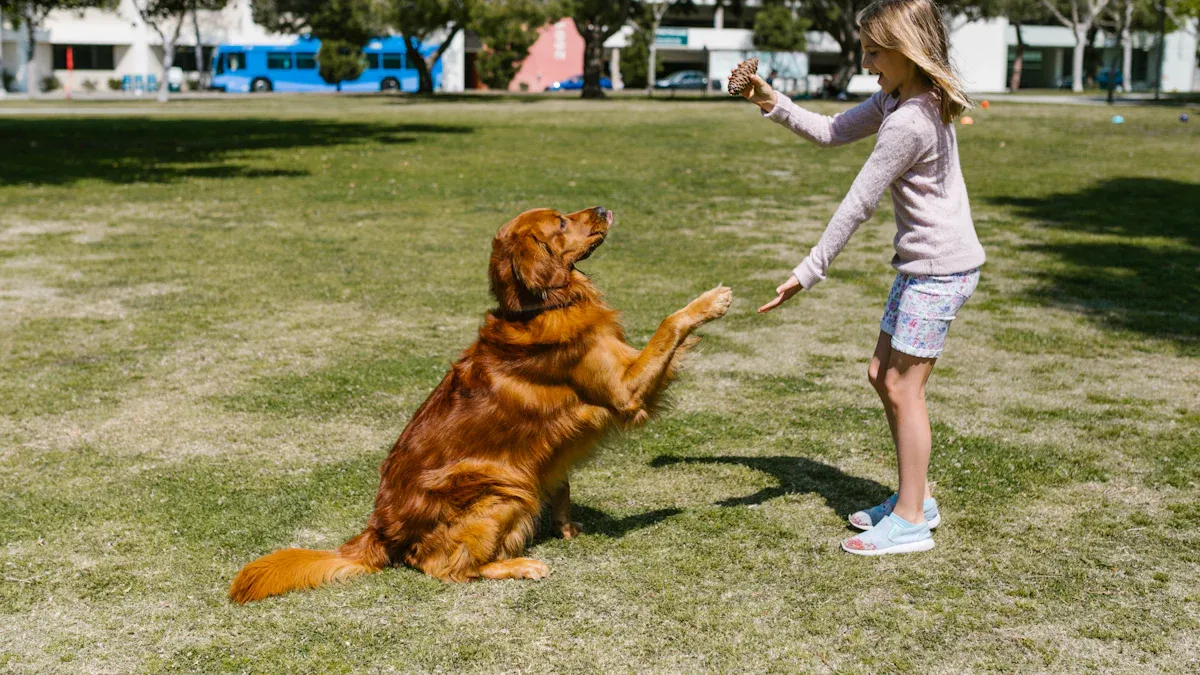
Socialization is crucial for your American Bulldog, especially during the early weeks of their life. Starting this process between 6-8 weeks helps your puppy develop into a well-adjusted adult dog. During this critical period, you should introduce your puppy to various environments, people, and other animals. This exposure can prevent future aggression or fear, setting the stage for a friendly and confident dog.
Key Socialization Experiences
Here are some key experiences to focus on:
Early Socialization: Introduce your puppy to different environments, people, and animals between three and fourteen weeks of age.
Positive Reinforcement: Use treats and praise to create positive associations with new experiences.
Gradual Exposure: Start with calm interactions and short trips to new places. Gradually increase exposure as your puppy becomes more comfortable.
Tips for Socializing Your American Bulldog
To effectively socialize your bulldog, consider these tips:
Start socializing during puppyhood. This is the best time to expose them to new environments and experiences.
Use leashed introductions in neutral areas when meeting other dogs. This helps your puppy feel secure.
Monitor body language during interactions. If your puppy seems stressed, remove them from the situation.
Create positive associations with new animals through praise and controlled meetings. This builds trust and confidence.
Establish a grooming routine to desensitize your puppy to touch. This ensures they feel comfortable with handling.
Experts agree that early socialization leads to faster maturation and better stress resilience. It also correlates with increased sociability and decreased aggression. By investing time in socializing your bulldog, you help them grow into a well-rounded companion.
Positive Reinforcement Techniques
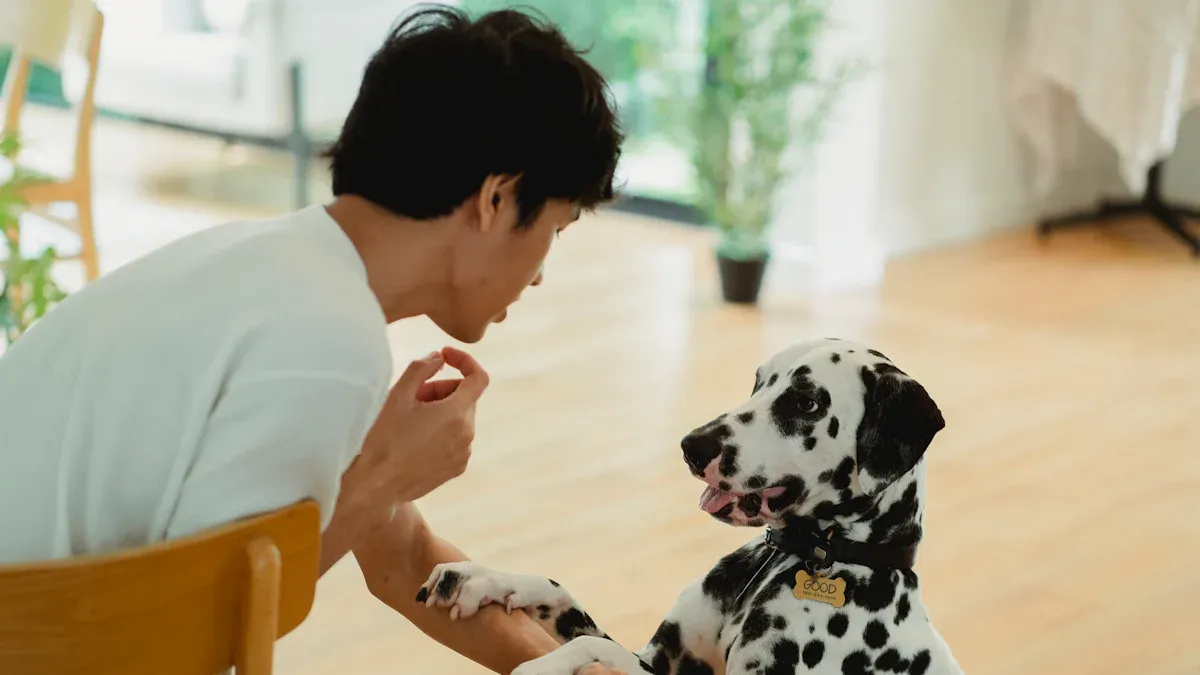
Positive reinforcement is a powerful training method that encourages your American Bulldog to repeat desired behaviors by rewarding them. This approach not only makes training enjoyable but also strengthens the bond between you and your dog. Instead of focusing on what your bulldog does wrong, you highlight what they do right. This method builds confidence and trust, creating a positive learning environment.
Effective Rewards
When it comes to positive reinforcement, the type of reward you use can significantly impact your bulldog’s motivation. Here are some effective rewards to consider:
Treats: High-value treats are essential for keeping your dog’s attention, especially in distracting environments. However, remember that not all dogs are food motivated. You may need to explore other options.
Love: Affection is a universally accepted reward among dogs. Timing and technique are crucial here. A gentle pat or a warm hug can go a long way in reinforcing good behavior.
Play: Engaging in play is a fantastic reward. It not only motivates your bulldog but also fosters a strong bond between you two. Learning how to use play effectively as a reward is key to successful training.
Scientific studies support the effectiveness of positive reinforcement in shaping dog behavior. This method encourages desirable behaviors by rewarding them, making training enjoyable for both you and your bulldog. Dogs trained with positive reinforcement tend to be happier and more confident. They also look forward to training sessions, enhancing their eagerness to learn.
Implementing Positive Reinforcement in Training
To make the most of positive reinforcement techniques, follow these best practices:
Use immediate praise when your American Bulldog follows a command or exhibits desired behavior. This helps them connect the action with the reward.
Reward with treats, toys, or verbal praise to reinforce good behavior. The quicker you reward, the more effective the training will be.
Be consistent with your rewards. If your bulldog knows what to expect, they’ll be more likely to repeat the behavior.
Positive reinforcement not only builds a strong, trust-based relationship between you and your bulldog but also encourages them to think and problem-solve. This leads to better long-term behavior modification. Studies show that dogs trained with positive reinforcement retain learned behaviors longer compared to those trained with punitive methods.
By incorporating these techniques into your training routine, you’ll create a relaxed learning environment that helps prevent fear responses in your bulldog. Remember, training should be a fun and rewarding experience for both of you!
Consistent Training Routines
Establishing consistent training routines is vital for your American Bulldog’s success. Dogs thrive on structure, and having a routine helps them understand what to expect. This predictability can significantly enhance their learning speed. American Bulldogs are strong-willed and sometimes stubborn, so consistent commands and structured training sessions can make a big difference in their behavior.
Daily Training Schedule
Creating a daily training schedule can help you maximize your bulldog’s learning potential. Here’s a recommended routine to follow:
Morning Exercise: Start the day with a long walk or moderate exercise session. This helps release pent-up energy and prepares your dog for training.
Focused Training: After physical activity, engage in focused training sessions. Practice new commands or reinforce existing ones for about 15-20 minutes. Keeping these sessions short maintains enthusiasm.
Mental Stimulation: Incorporate activities that challenge your bulldog mentally. You can hide treats, practice obedience commands during meals, or use puzzle toys. Spend 5-10 minutes on these activities to keep your dog engaged.
Incorporating Training into Daily Life
You can easily weave training into your daily routine. Here are some tips to help you do just that:
Recognize Triggers: Pay attention to your bulldog’s behavior. Recognizing triggers and early signs of excitement can help you manage their actions effectively.
Calming Techniques: Use calming techniques when needed. Redirecting attention or putting your dog in a calming position can help them regain focus.
Structured Exercises: Implement structured exercises like disciplined walks. These not only drain excess energy but also promote self-control.
By incorporating these strategies into your daily life, you create a well-rounded training experience for your American Bulldog. Remember, consistency is key!
Obedience Training Basics
Training your American Bulldog in obedience is essential for a well-behaved companion. By teaching your dog basic commands, you lay a strong training foundation that enhances communication between you and your furry friend. Here are some essential commands every American Bulldog should learn:
Come: Important for recall and safety.
Sit: Useful for greetings and calming the dog.
Stay: Keeps the dog safe from dangerous situations.
Potty: Essential for house training.
Ring the bell: Signals when the dog needs to go outside.
Play: Important for bonding and exercise.
Lay down: Helps settle a hyper dog.
Quiet: Stops excessive barking.
Let go: Useful for retrieving harmful objects.
Find: Directs the dog to locate specific items.
Teaching Techniques for Commands
When teaching these commands, consistency in commands is key. Here are some techniques to help you effectively train your bulldog:
Use Clear Commands: Speak clearly and use the same word for each command. This helps your puppy understand what you expect.
Positive Reinforcement: Reward your dog immediately after they follow a command. This could be a treat, praise, or playtime. Positive reinforcement encourages your bulldog to repeat the behavior.
Short Sessions: Keep training sessions brief, around 5-10 minutes. Puppies have short attention spans, so frequent, short sessions work best.
Practice in Different Environments: Once your bulldog masters a command at home, practice in various locations. This helps them generalize the command to different situations.
Troubleshooting Obedience Issues
Even with the best intentions, you may encounter some common obedience issues. Here’s how to address them:
Teach the ‘leave it’ command: This prevents your puppy from touching dangerous items.
Follow with the ‘drop it’ command: This is useful for items already picked up.
Use positive reinforcement: Encourage learning through rewards.
If you notice your bulldog struggling with commands, consider these common mistakes:
Improper punishment: Punishing your bulldog incorrectly can lead to confusion and mistrust. Ensure that any correction is timely and appropriate.
Lack of timely correction: Address behavioral issues immediately. Delaying correction can result in your dog not understanding what it did wrong.
Poor socialization practices: Failing to socialize your bulldog properly can lead to behavioral problems later on. Early and consistent socialization is key.
Excessive exactingness: Setting unrealistic expectations can overwhelm your bulldog. Training should be gradual and patient.
By following these tips and techniques, you can effectively teach your American Bulldog the obedience basics. Remember, patience and consistency are vital for successful training!
Nutrition and Training
Nutrition plays a vital role in your American Bulldog’s behavior and training. A balanced, high-protein diet supports their muscle mass and energy needs, which is crucial for both physical and mental well-being. When you feed your bulldog the right diet, you help prevent obesity and related health issues that can negatively impact their behavior. Well-nourished dogs tend to be more energetic and engaged during training, making them more responsive to commands.
Choosing the Right Diet
To support your bulldog’s training and behavior, consider these dietary components:
High-quality protein: Look for dog food that lists meat as the first ingredient. This helps build muscle and maintain energy levels.
Healthy fats: Omega-3 and Omega-6 fatty acids promote a shiny coat and healthy skin. They also support brain function, which is essential for learning.
Whole grains and vegetables: These provide necessary fiber and nutrients. They help keep your bulldog’s digestive system healthy.
Avoid excessive food intake to prevent obesity. This condition can lead to joint deterioration and other health issues, making training more challenging.
Timing Meals and Training Sessions
The timing of meals can significantly affect your bulldog’s focus during training. Here’s a structured feeding schedule that can help maximize learning:
Meal Time | Food Quantity |
|---|---|
6:00-7:00 A.M. | 2 cups dry food + 1-2 Tablespoons of yogurt or cottage cheese |
1:00-2:00 P.M. | 2 cups dry food + table scraps, canned dog food or pan drippings |
6:00-7:00 P.M. | 2 cups dry food + table scraps, canned dog food or pan drippings |
11:00 P.M. | Dry food – light meal |
This structured feeding schedule ensures your bulldog receives adequate nutrition at optimal times. Proper timing can enhance their focus and engagement during training sessions, helping you establish a strong training foundation.
By paying attention to your bulldog’s diet and meal timing, you set them up for success in training. Remember, a well-fed dog is a happy and trainable dog!
Leadership and Bonding
Establishing yourself as a leader is essential for a successful relationship with your American Bulldog. Dogs thrive when they know their place in the pack. You can create a structured environment that helps your bulldog feel secure and confident. Here are some effective strategies to establish your authority:
Use Crates and Leashes: These tools help manage your bulldog’s behavior and create boundaries.
Regular Exercise: Make sure your dog gets enough physical activity and mental stimulation. This prevents unwanted behaviors and keeps them happy.
Earn Rewards: Require your bulldog to earn their treats through obedience and calm behavior. This teaches them that good behavior leads to positive outcomes.
Consistency is Key: Maintain the same rules and commands. This avoids confusion and helps your bulldog understand what you expect.
Physical Capability: Ensure your bulldog can perform the tasks you ask. This builds their confidence and trust in you.
By following these techniques, you’ll establish a strong leadership role that your bulldog will respect.
Building a Strong Bond
Building a strong bond with your bulldog is just as important as establishing leadership. A solid relationship enhances training and makes your dog more responsive. Here are some activities that can help strengthen your connection:
Daily Walks: Aim for at least 30 minutes to an hour of walking each day. This not only keeps your bulldog fit but also provides mental stimulation.
Interactive Play: Engage in fun activities like fetch, tug-of-war, or hide-and-seek. These games tap into your bulldog’s play drive and create joyful experiences together.
Mental Challenges: Use puzzle toys or engage in obedience training. These activities keep your bulldog’s mind sharp and reinforce your bond.
By incorporating these activities into your routine, you’ll create a deeper connection with your bulldog. Remember, a strong bond leads to better training outcomes and a happier dog.
Training your American Bulldog is essential for their development and behavior. Here are some key takeaways to remember:
Start training early, ideally between 6 to 8 weeks.
Use positive reinforcement methods like treats and affection.
Be firm but fair, as American Bulldogs can be stubborn.
By applying these key tips for obedience, you can enhance your training experience. Remember, patience and consistency are vital. Your bulldog’s strong-willed nature requires a steady approach. With time and effort, you’ll build a strong bond and a well-behaved companion.
FAQ
What is the best age to start American Bulldog training?
You should start training your American Bulldog as early as 6 to 8 weeks. Early training helps shape their behavior and enhances social skills.
How long should training sessions be?
Keep training sessions short, around 5 to 15 minutes. Short sessions maintain your dog’s focus and enthusiasm, making learning more effective.
Can I train my American Bulldog at home?
Absolutely! You can train your American Bulldog at home using positive reinforcement techniques. Consistency and patience are key to successful training.
What should I do if my bulldog is stubborn?
If your bulldog shows stubbornness, stay calm and consistent. Use positive reinforcement to encourage desired behaviors and avoid punishment, which can lead to confusion.
How important is socialization for my American Bulldog?
Socialization is crucial for your American Bulldog. It helps them become well-adjusted adults, reducing the risk of aggression and fear towards new experiences.