

Doberman Pinschers do not typically turn on their owners when you train and socialize them properly. Many people fear this breed due to common misconceptions. In reality, Dobermans are very people-oriented and protective. They are highly unlikely to display aggressive behavior towards their owners. This is especially true when compared to other dog breeds.
Here are some common myths about Doberman aggression:
They are thought to be aggressive towards their owners.
Many believe they are overly aggressive despite being well-suited for companionship.
Aggression usually stems from poor socialization or mistreatment, not from their nature.
Understanding these points can help you appreciate the true temperament of Doberman Pinschers.
Key Takeaways
Doberman Pinschers are not aggressive by nature. Proper training and socialization are key to ensuring they remain loving companions.
Early socialization is crucial. Expose your Doberman to various experiences to reduce fear and prevent aggressive behavior.
Consistent training methods help shape a Doberman’s behavior. Use positive reinforcement to encourage good habits and reduce anxiety.
Understanding your Doberman’s body language is essential. Recognize signs of stress or fear to address issues before they escalate.
A stable and nurturing environment promotes a happy Doberman. Regular exercise and mental stimulation are vital for their well-being.
Doberman Temperament
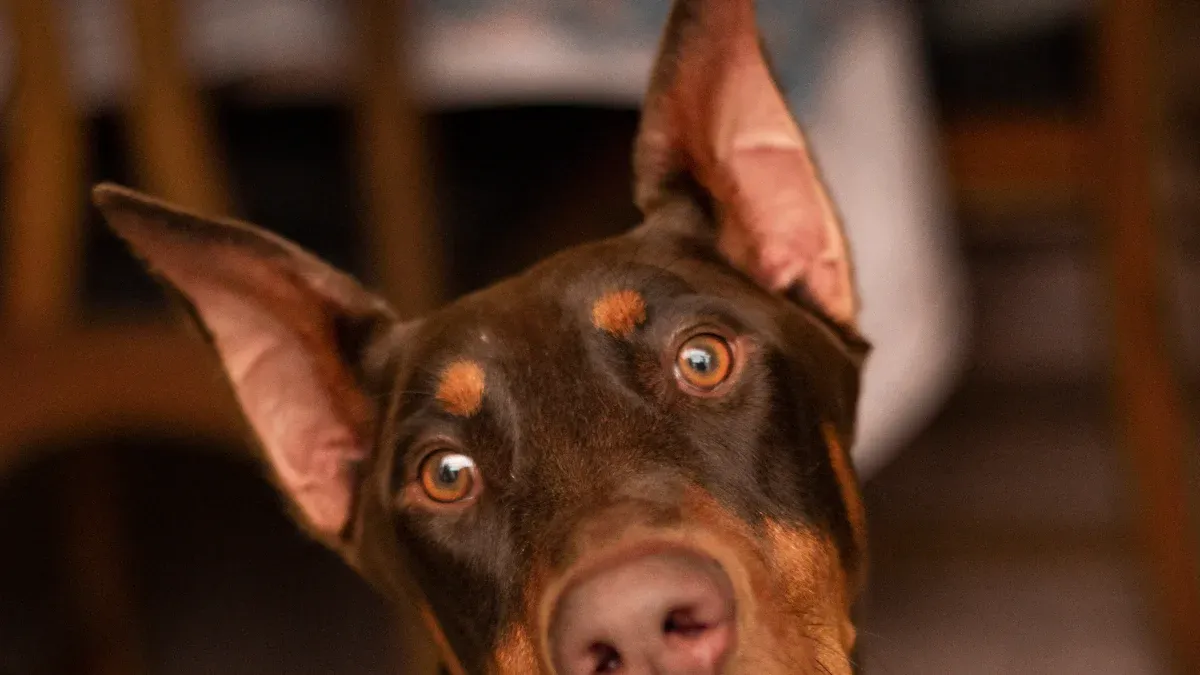
Doberman Pinschers possess a unique temperament that makes them stand out among dog breeds. Understanding their general characteristics helps you appreciate their behavior and personality.
General Characteristics
Dobermans are known for several key traits:
They are loving family companions.
Their protective nature makes them discerning guardians.
Highly perceptive and intuitive, they can anticipate threats.
Dobermans excel in various roles, including police, military, and therapy work.
In terms of physical attributes, Doberman Pinschers are medium-sized, compactly built, and muscular. They are energetic, watchful, and determined. Their alertness and fearlessness contribute to their reputation as loyal and obedient dogs.
Training plays a crucial role in shaping a Doberman’s behavior. When you invest time in training, you help your dog develop a stable temperament. This breed is highly trainable and responds well to commands. With proper guidance, Dobermans can become well-mannered companions.
Sensitivity and Awareness
Doberman Pinschers exhibit remarkable sensitivity and awareness compared to other working breeds. They form intense emotional bonds with their owners, often earning the nickname “Velcro dogs.” This strong connection allows them to be highly responsive to your emotions.
Trait | Doberman Pinschers | Other Working Breeds |
|---|---|---|
Intelligence | Quick to grasp complex commands | Varies by breed |
Emotional Bonding | Forms intense bonds, often called ‘Velcro dogs’ | Varies, but many working breeds are loyal |
Sensitivity to Emotions | Remarkable sensitivity to owners’ emotions | Varies, some breeds are less sensitive |
Protective Instincts | Naturally protective, stable when socialized | Many working breeds have protective instincts |
This table highlights how Dobermans compare to other breeds in terms of intelligence, emotional bonding, and sensitivity. Their protective instincts make them excellent companions, especially when you socialize them properly.
By understanding the temperament of Doberman Pinschers, you can foster a positive relationship with your dog. Proper training and socialization are essential to ensure they thrive as loving and loyal companions.
Debunking Myths About Dobermans
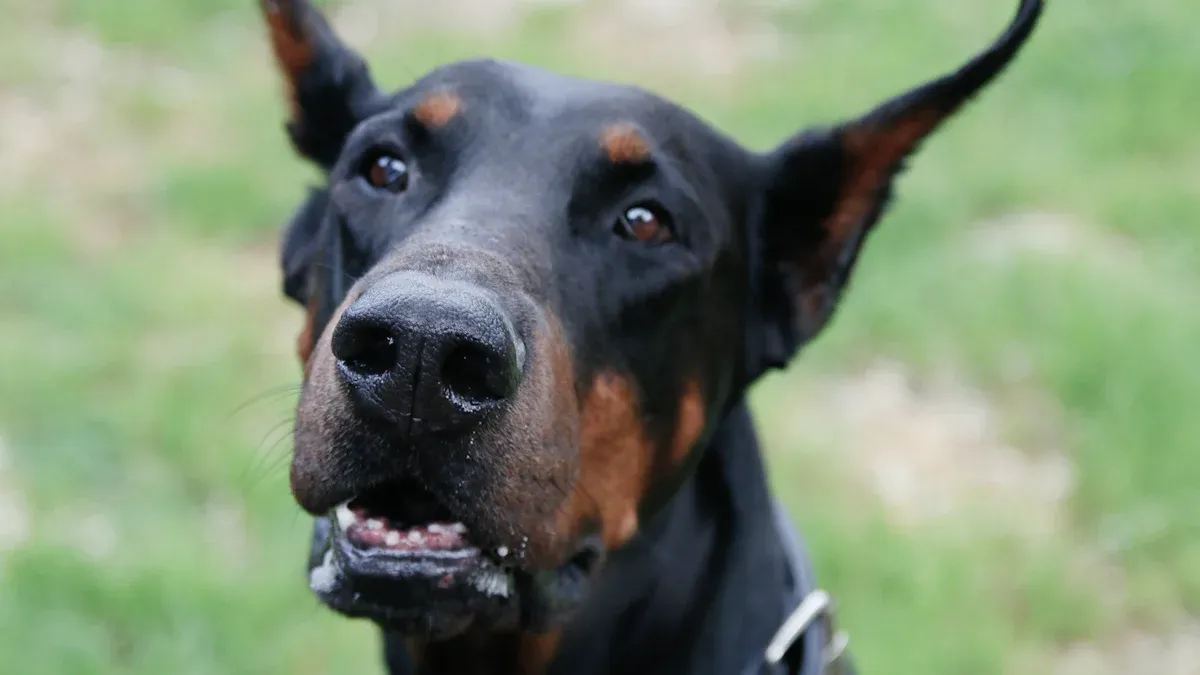
Many people hold misconceptions about Doberman Pinschers, especially regarding their behavior. One of the most persistent myths is that Dobermans are aggressive and may turn on their owners. This belief often stems from media portrayals that exaggerate their protective nature. In reality, Dobermans are not innately vicious. They can be loving and loyal companions when properly trained and socialized.
Any dog, including Dobermans, can exhibit aggression if not given the right guidance.
The portrayal of Dobermans as ferocious is misleading. They act defensively only when they perceive a threat to their family or territory.
Understanding these points helps clarify the myth that Dobermans turn on their owners. A well-trained and socialized Doberman will not display aggressive behavior towards their owner. Instead, they thrive on companionship and loyalty.
Aggression Myths
Several myths about Doberman aggression persist in popular culture. Here are some of the most common:
Dobermans have a “locking jaw”: This myth is false; no dog breed possesses a locking jaw.
Dobermans are inherently aggressive: Aggression is not a trait of the breed but is influenced by various factors, including training and environment.
Dobermans are not good with children: With proper training and socialization, Dobermans can be excellent family dogs.
These misconceptions can lead to fear and misunderstanding. It is essential to recognize that aggressive behavior in dogs often results from distress, fear, or pain rather than their breed.
Loyalty Misconceptions
Another common myth involves the loyalty of Doberman Pinschers. Many people believe that Dobermans are not as loyal as other breeds. However, studies show that Doberman Pinschers can be very devoted and loyal if trained and socialized properly.
Dobermans form strong bonds with their families and display unwavering loyalty in protecting their owners.
Owners often share experiences of their dogs showing protectiveness, such as alerting them to strangers or comforting them in distress.
Compared to other popular guard dog breeds, Dobermans are recognized for their intelligence and alertness. They are often described as “velcro dogs” due to their desire to stay close to their owners. This loyalty makes them excellent companions and guardians.
Factors Leading to Aggression in Dobermans
Understanding what can cause aggressive behavior in Doberman Pinschers is crucial for responsible ownership. Various factors can contribute to aggression, including environmental influences and owner behavior.
Environmental Influences
Several environmental factors can significantly impact a Doberman’s behavior. Here are some key influences:
Early Life Experiences and Social Exposure: Proper social exposure during a puppy’s critical socialization period is essential. Lack of diverse experiences can lead to increased fearfulness or aggression.
Maternal Influence: A mother’s behavior and stress levels can affect her puppies’ development. Inconsistent care from the mother can lead to aggression in her offspring.
Living Conditions: Overcrowded or unstable environments can cause chronic stress. Dogs need safe spaces and regular exercise to prevent frustration and aggression.
Environmental Stressors: Loud noises and chaotic households can elevate anxiety levels. This anxiety may lead to aggression as a coping mechanism, especially in genetically predisposed individuals.
Health and Welfare: Poor health or chronic pain can trigger aggression. A conducive living environment is vital for a dog’s well-being.
These factors highlight the importance of a stable and nurturing environment for your Doberman. If you notice changes in your dog’s behavior, consider whether any of these environmental influences might be at play.
Owner Behavior
Your behavior as an owner plays a significant role in shaping your Doberman’s temperament. Here are some ways owner behavior can contribute to aggression:
Inconsistent Training Methods: Inconsistent training can lead to confusion and anxiety in Dobermans. This confusion may result in aggressive behavior as they struggle to understand expectations.
Harsh Correction Methods: Using harsh correction methods can exacerbate aggressive tendencies. If your dog perceives you as a challenge to its authority, it may respond defensively.
Understanding Body Language: Recognizing your Doberman’s body language is essential for effective training. For example, an alert posture indicates concern or interest. You should be cautious when others approach. A defensive threat posture shows your dog feels cornered and fearful, requiring careful handling and socialization.
Separation Anxiety: If your Doberman exhibits aggressive behavior only when you are away, it may indicate separation anxiety. This condition can develop due to significant life changes in older dogs. Implementing strategies to address this anxiety can lead to positive outcomes.
By being aware of these factors, you can create a more harmonious relationship with your Doberman. Proper training and socialization are key to preventing aggression and fostering a loving bond.
Responsible Ownership of Doberman Pinschers
Owning a Doberman Pinscher comes with great responsibility. You must focus on effective training techniques and socialization strategies to ensure your dog develops a stable temperament.
Training Techniques
Training is essential for preventing aggressive behavior in Doberman Pinschers. Here are some effective techniques:
Training Technique | Description |
|---|---|
Early Socialization | Expose puppies to various experiences positively. This reduces fear and aggression later. |
Impulse Control Exercises | Engage in activities like ‘leave it’ and ‘watch me.’ These help dogs manage their protective instincts. |
Consistent Training | Regularly practice commands and self-control games. This reinforces good behavior and reduces aggression. |
The importance of proper training cannot be overstated. It shapes your Doberman’s behavior and helps them become well-adjusted companions.
Socialization Strategies
Socialization plays a crucial role in your Doberman’s development. Here are some strategies to ensure a well-adjusted dog:
Early exposure to various people, animals, and environments is essential. This helps your Doberman confidently navigate different situations.
Proper socialization aids in managing their protective instincts. It teaches them to distinguish between normal situations and genuine threats.
Puppies learn significantly during their early weeks. If socialized later than 14 weeks, shyness or aggressiveness may dominate their behavior.
By implementing these strategies, you can foster a loving and loyal relationship with your Doberman. Remember, a well-socialized dog is more likely to exhibit positive behavior and less likely to show aggression.
Expert Insights on Doberman Behavior
Trainer Insights
Professional dog trainers often highlight the importance of understanding Doberman behavior. They identify several common challenges that you may face as an owner. Here are some key points:
The first year is critical for behavior development.
Aggression towards family members and others can arise without proper training.
Improper discipline can lead to long-term behavioral issues.
Lack of socialization with family members can create fear-based behaviors.
High energy levels can result in fear-based reactions, especially around children.
Unmanageable behavior may increase the risk of abandonment or sheltering.
To manage these challenges, trainers recommend engaging your Doberman with toys during training sessions. This keeps them focused and motivated. Using reward-based training methods reinforces desired behaviors effectively. Additionally, providing high-quality food and treats fuels your Doberman’s performance and overall well-being.
Veterinarian Perspectives
Veterinarians emphasize the link between health and behavior in Doberman Pinschers. They stress the significance of mental and emotional well-being, which directly impacts physical health. Here are some insights from veterinarians:
Regular exercise and mental stimulation are essential to prevent behavioral issues like destructive chewing and excessive barking.
Early socialization and consistent training are crucial to mitigate fearfulness and aggression, promoting a balanced temperament.
A stable environment contributes to your Doberman’s overall happiness and reduces the likelihood of aggressive behavior.
By following these insights from trainers and veterinarians, you can foster a positive relationship with your Doberman. Understanding their needs and behaviors will help you become a responsible owner.
In summary, Doberman Pinschers are not inherently aggressive. With responsible ownership and proper training, you can cultivate a loving and loyal companion. Key factors include early socialization, consistent training, and integrating your Doberman into daily life. Research shows that aggression in dogs often stems from environmental influences and lack of socialization rather than breed alone.
To maintain a positive relationship, consider these points:
Engage in new experiences together.
Provide regular exercise and mental stimulation.
Use positive reinforcement during training.
By understanding your Doberman’s needs, you can foster a harmonious bond that benefits both of you.
FAQ
Are Dobermans dangerous?
Dobermans are not inherently dangerous. Their behavior largely depends on training and socialization. With proper guidance, they can be loving and loyal companions.
How can I prevent aggression in my Doberman?
To prevent aggression, focus on early socialization and consistent training. Engage your Doberman in positive experiences with people and other animals.
What is the best age to start training my Doberman?
Start training your Doberman as early as possible, ideally during the puppy stage. Early training helps shape their behavior and reduces the risk of aggression.
Do Dobermans get along with children?
Yes, Dobermans can get along well with children when properly socialized. Supervise interactions to ensure safety and teach children how to interact respectfully.
How much exercise do Dobermans need?
Dobermans require regular exercise to stay healthy and happy. Aim for at least 60 minutes of physical activity daily, including walks, playtime, and mental stimulation.