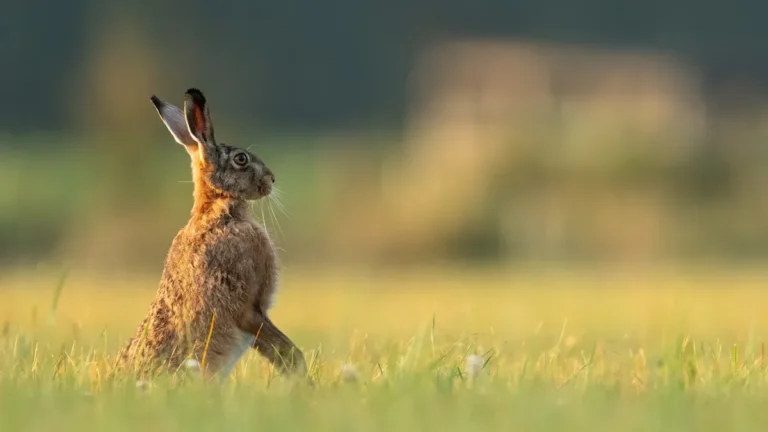

You’re curious where rabbits fit in, and you’re right to ask. They’re mammals in the order Lagomorpha, not rodents, and that small twist changes everything. You’ll spot two pairs of upper incisors, big heat-managing ears, soft fur, and a gut built for grasses using cecotropes for nutrients. These traits shape how they graze, burrow, bond, and spread across continents. Now you’ll want to see how their family tree and daily life connect in surprising ways.
Mammal Status: Where Rabbits Fit in the Animal Kingdom
Curiosity brings you here, pondering where rabbits truly belong in the animal world. You’re right to ask. Rabbits are mammals, and more specifically, eutherian mammals. That means mothers carry young in the uterus, then nurse them with milk. You can imagine soft nests, tiny kits, and careful care. This family pattern shapes how rabbits eat, move, and stay warm.
Now consider bodies built for comfort and speed. Rabbits keep heat with fur insulation, which traps air close to the skin. Their large ears release extra warmth, so you see a balance working together. Because they’re prey, they move quietly, chew often, and rest in safe burrows. You may notice alert eyes, quick breaths, and steady grooming. These signs reflect biology meeting daily life.
Lagomorpha vs. Rodents: Key Differences Explained
Mislabels happen, and rabbits often get called rodents, but they’re not. You’re not alone whether rodent confusion trips you up. Both groups chew nonstop, so at initially glance they seem alike. But look closer, and key differences stand out.
Initially, use a simple dental comparison. Rabbits have two pairs of upper incisors, including tiny peg teeth behind the front pair. Most rodents have just one upper pair. Because of this, rabbits slice plants differently, and they need steady hay to keep teeth safe.
Next, consider diet and digestion. Rabbits rely on fiber and a special gut process that re-digests nutrients. Many rodents eat broader menus.
Then, notice behavior. Rabbits communicate with thumps, soft grinds, and expressive ears, while rodents often chirp or gnaw loudly. These patterns signal their separate paths.
Taxonomy Breakdown: From Kingdom to Species
Blueprint in hand, you can trace a rabbit’s place in life’s family tree step step, and it starts simple. You begin at Kingdom Animalia, then Phylum Chordata, Class Mammalia. Next, you move to Order Lagomorpha, Family Leporidae, Genus Oryctolagus, and Species Oryctolagus cuniculus. Each level narrows the rabbit’s identity, and you see how scientists group life with care and context.
| Rank | Rabbit’s Group | Why it fits |
|---|---|---|
| Kingdom | Animalia | Multicellular, moves, eats |
| Class | Mammalia | Warm blood, hair, milk |
| Order | Lagomorpha | Unique skull, tooth pattern |
As you compare groups, you notice evolutionary relationships that link rabbits to ancient kin. The fossil record supports these links, showing shifts in size, limb use, and habitats. You can track causes like climate changes, shifting plants, and new predators. You might feel curious, perhaps unsure, yet you’re not alone.
Defining Traits: Teeth, Ears, and Adaptations
You mapped where rabbits sit on the tree of life, so now let’s look at what makes them, unmistakably, rabbits. You notice the teeth first. Their front incisors never stop growing, so constant chewing handles incisor maintenance and prevents painful overgrowth that can cause drooling, mouth sores, weight loss, and irritability.
Then, you see the ears. They act like vital radar. With high auditory sensitivity, rabbits catch faint rustles, judge distance, and cool their bodies as blood flows through thin ear skin.
Next, watch the body. A light frame, springy spine, and strong hind legs power fast zigzag sprints, helping them escape threats.
Meanwhile, soft fur and earth-toned colors blend them into cover.
Finally, those wide-set eyes give a near‑panoramic view, linking hearing and vision into one alert, survival-ready system.
Digestive System Secrets: Cecotropes and Hindgut Fermentation
Although their teeth get the spotlight, the real magic of a rabbit’s survival sits in its gut. You see a small grazer, but inside, a powerhouse works to pull energy from rough plants. Initially, the stomach and small intestine sort simple nutrients. Then the cecum leads fiber digestion with helpful microbes. They break tough plant walls and start microbial recycling, turning leftovers into fresh vitamins and proteins.
| Process | What it gives you |
|---|---|
| Hindgut fermentation | Extra energy from fiber |
| Cecotrope formation | Vitamins B and K |
| Reingestion of cecotropes | Better protein use |
You could notice soft, grape-like cecotropes. Rabbits eat them right away. That’s not a problem. It’s a sign of a healthy loop. Whenever stress, sudden diets, or low fiber upset this loop, you might see bloating, soft stools, or dull fur.
Behavior and Social Structure in the Wild
While earth stays quiet above, wild rabbits live in a busy world of signals, roles, and routines below. You see this most in their communal burrowing, where tunnels link nests, exits, and guard spots. Because safety matters, they build social hierarchies that guide who leads, who watches, and who eats initially. You’ll notice clear causes for conflict, like crowded space, scarce food, or mating season. Then, you might see thumps, chases, and brief boxing as symptoms of tension. After order returns, grooming, nose touches, and side-by-side resting rebuild trust.
At dawn and dusk, you’ll hear soft grunts and foot thumps. These sounds warn others and organize movement. Scent marks along paths help everyone recall boundaries. As kits grow, they copy adults, practice alerts, and learn their place.
Ecological Roles and Global Distribution
You’ll see how rabbits shape plants through steady herbivory, which can thin young shoots, open ground, and trigger quick regrowth that changes where other species can live.
As you track that change, you’ll also spot predators like foxes, hawks, and owls relying on rabbits, so you can map how energy moves through the food web.
Then, you’ll compare native ranges with places where rabbits spread as invasives, and you’ll notice causes, initial signs, and wider ripple effects that help you plan better care for land and wildlife.
Herbivory and Vegetation Impact
Nibble through nibble, rabbits reshape plant communities in quiet but powerful ways. You see it in steady plant consumption that trims tender shoots, flowers, and seedlings.
Then, as plants respond, you notice habitat alteration: low, open patches, narrow runways, and edges where light reaches soil. With seasonal browsing, rabbits switch from fresh grasses in spring to bark and twigs in winter, which changes how native flora grow, spread, and recover.
Now, as plants shift, you feel forage competition rise. Deer, ground birds, and small livestock might find fewer sprouts, which can stress already fragile areas.
Because of that, grazing management matters. You plan rotations, protect young saplings, add brush cover, and time mowing after nesting. Step after step, your choices guide healthier regrowth and steadier diversity.
Predators and Food Webs
As plants change under steady rabbit grazing, the whole neighborhood of hunters and scavengers shifts too. You see it in foxes, hawks, owls, and coyotes that track rabbit trails. Their choices shape trophic dynamics, because whenever rabbits rise, mid-sized predators often thrive, yet whenever numbers drop, scavengers and insect eaters fill gaps.
You also notice seasonal predation. In winter, open ground makes rabbits visible; in spring, thick cover hides them, yet parents roam more to feed young.
Rabbits survive through predator avoidance. You watch zigzag runs, quick plunges into cover, freezing to match shadows, and night feeding to reduce risk. These moves ripple through food webs. Whenever rabbits succeed, grasses get clipped, seeds spread differently, and small carnivores shift routes, timing, and sharing of carcasses.
Native Ranges and Invasions
From continent to island, rabbits tell a story of roots and restless travel. You’ll find their native homes in Europe and parts of North Africa. From there, people moved them for meat, fur, and company. Then the trouble started. In open grasslands, rabbits spread fast. With new food and few predators, they trigger range shifts and soil loss.
You could notice clear signs. Plants vanish, ground turns bare, and burrows undercut banks. Birds lose nests, and small reptiles fade. On islands, the damage hits hardest, leading to island extinctions.