

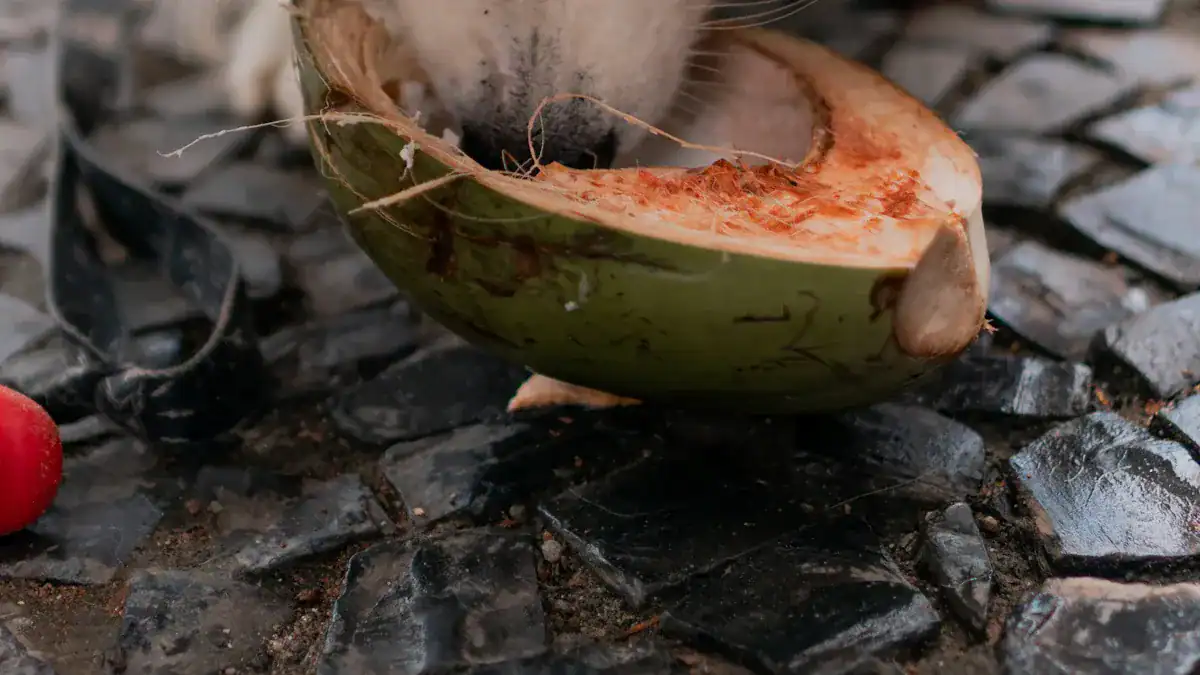
Yes, can dogs eat watermelon? Absolutely, but there are crucial considerations. Watermelon is safe for dogs when prepared correctly. Is watermelon good for dogs? I find it offers fantastic benefits, such as hydration and essential nutrients. However, is watermelon bad for dogs if not prepared correctly? I must warn you, seeds, rind, and high sugar content pose risks. I will show you how to safely share this summer snack with your furry friend, ensuring proper feeding. So, is watermelon safe for dogs? Yes, with careful preparation.
Is Watermelon Good for Dogs: Key Benefits

I often get asked, “is watermelon good for dogs?” My answer is a resounding yes, when prepared correctly. This fruit offers several fantastic advantages for your canine companion. Let’s explore the health benefits of watermelon for dogs.
Hydration and Essential Nutrients
I find watermelon an excellent choice for keeping dogs hydrated, especially during warm weather. This fruit boasts an impressive water content. For instance, watermelon is 92% water, making it a delicious way to rehydrate. This high water percentage helps your dog stay cool and supports overall bodily functions. Beyond hydration, watermelon provides valuable nutrients. It offers essential vitamins and minerals, including vitamin A, vitamin C, and potassium.
These nutrients support a strong immune system, healthy skin, and proper heart function. The fiber content in watermelon also aids digestion. It can help prevent constipation, keeping your dog’s digestive system running smoothly.
Vitamins and Antioxidants for Dog Health
The nutritional value of watermelon extends to its rich vitamin and antioxidant profile. I know these components are vital for your dog’s well-being. Watermelon contains vitamins A, B6, and C. Vitamin A supports vision, immune function, and skin health. Vitamin B6 is crucial for brain development and function.
Vitamin C boosts the immune system and helps reduce swelling. Beyond vitamins, watermelon is packed with powerful antioxidants like beta-carotene and lycopene. Beta-carotene is a precursor to vitamin A, important for visual health and immune response. Lycopene, a red pigment, has potent antioxidant properties. It helps fight free radicals and reduces inflammation, promoting overall wellness.
Low-Calorie Treat Option
When looking for a healthy snack for your dog, calorie count matters. I consider watermelon an ideal low-calorie treat. It is practically fat-free. According to Healthline, 100 grams of raw watermelon provides only 30 calories. This makes it a suitable option for dogs managing their weight. You can offer a tasty, refreshing treat without adding many extra calories to their daily intake. This is one of the great benefits of watermelon for dogs.
Is Watermelon Bad for Dogs: Understanding the Risks
While I consider watermelon a healthy treat in moderation, I must also highlight the potential health risks if you do not prepare it correctly. Understanding these dangers is crucial for responsible pet ownership. I want to make sure you know when is watermelon bad for dogs.
The Danger of Watermelon Seeds
I always advise pet owners to remove all seeds from watermelon before feeding it to their dogs. Watermelon seeds can cause problems. They might lead to digestive issues. For smaller dogs, or if a dog eats many seeds, they could cause a blockage in the intestines. I have seen cases where dogs experience vomiting, diarrhea, or a loss of appetite after eating seeds.
In more serious situations, a blockage might even require surgery to remove the seeds. This is one of the significant risks of watermelon in dogs. While less common, some sources suggest seeds might contain tiny amounts of cyanide compounds, which could be harmful in very large quantities. Therefore, I always recommend removing them to avoid any potential issues.
Why Watermelon Rind is Harmful
I cannot stress enough the importance of removing the watermelon rind. The rind is tough, and dogs cannot digest it well. This tough, fibrous material can lead to uncomfortable gastrointestinal problems like bloating, indigestion, vomiting, and diarrhea. I also worry about the rind posing a choking hazard. Dogs often struggle to chew the rind effectively.
They might swallow large pieces, which can get stuck. Even worse, larger, unchewed pieces of rind can cause a dangerous blockage in your dog’s digestive tract. Another concern I have is pesticide exposure. Watermelon rinds may carry residual toxic pesticides from agricultural spraying. These chemicals can be very harmful to dogs. These are serious risks of feeding watermelon to dogs.
Sugar Content and Canine Health
Many people ask me about the sugar in watermelon. Yes, watermelon contains natural sugars. However, I find that the high water and fiber content in watermelon actually helps. It slows down how quickly your dog’s body absorbs these sugars. This natural composition can lessen the impact of its sugar content on a dog’s blood glucose levels. This means that for most dogs, a small amount of this sweet snack might not cause significant blood sugar spikes.
However, I always advise caution for dogs with specific health conditions. If your dog has diabetes or a history of pancreatitis, you should consult your veterinarian before offering any fruit. They can help you decide if even a small amount is safe.
Digestive Upset from Overfeeding
Even good things can be bad in excess. If my dog ate too much watermelon, I would expect some digestive upset. The high water content, combined with the natural sugars, can lead to diarrhea or an upset stomach. This is why I always stress moderation when feeding any new treat. Overfeeding watermelon can overwhelm your dog’s digestive system. Remember, while can dogs eat watermelon, it should only be a small part of their diet.
How to Safely Feed Watermelon to Dogs

I want to show you how to safely feed watermelon to your dog. It is important to prepare this refreshing treat correctly. Following these steps ensures your dog enjoys watermelon without any risks.
Proper Watermelon Preparation for Dogs
I always start by selecting a fresh, ripe watermelon. Then, I focus on preparing it properly. This is crucial for the safe feeding of watermelon.
Remove all seeds: I always remove every single seed from the watermelon. Watermelon seeds can cause intestinal blockages, especially in smaller breeds. While a seed or two likely won’t cause harm, ingesting multiple seeds can lead to serious issues. I often opt for seedless watermelon to make this step easier.
Remove the rind completely: I never give my dog the watermelon rind. The rind is tough and fibrous. Dogs find it difficult to digest. It can lead to gastrointestinal upset, vomiting, or even a choking hazard. I make sure to cut away all the green and white parts of the rind.
Cut into small, manageable pieces: After removing seeds and rind, I cut the red flesh into small, bite-sized cubes. This prevents choking and makes it easier for my dog to eat.
Consider creative serving methods: I sometimes freeze small pieces of fresh watermelon. This creates a cool, refreshing treat, especially on hot days. I might also blend it with plain Greek yogurt for a nutritious snack.
Choose organic: I prefer organic watermelon when possible. This helps reduce exposure to pesticides and chemicals that could be harmful to my dog.
Avoid artificial ingredients: I only use fresh watermelon. I avoid any varieties with artificial flavors or sweeteners. These additives are not safe for dogs.
How Much Watermelon Can Dogs Eat: Portion Guidelines
Many people ask me, “how much watermelon can dogs eat?” I always emphasize moderation. Treats, even healthy ones like watermelon, should not make up a large part of your dog’s diet. I follow a simple rule: treats should constitute no more than 10 percent of a dog’s daily caloric intake.
For most dogs, this means a few small cubes. I adjust the amount based on my dog’s size and activity level.
Small dogs (under 20 lbs): I give them just a few tiny pieces, perhaps one or two thumbnail-sized cubes.
Medium dogs (20-50 lbs): I offer a small handful of cubes, maybe 3-5 pieces.
Large dogs (over 50 lbs): I might give them a slightly larger handful, around 6-10 cubes.
Remember, watermelon contains natural sugars. Even though it has high water and fiber content, overfeeding can still lead to digestive upset. I always consider this when deciding how much watermelon can i give my dog.
Introducing Watermelon to Your Dog’s Diet
When introducing any new food, including watermelon, I take a cautious approach. This helps me check for any adverse reactions. Here are my feeding tips for introducing watermelon:
Start with a very small portion: I begin by offering just a thumbnail-sized piece. I want to see how my dog reacts.
Ensure proper preparation: I always make sure all seeds and the rind are removed. Seeds can be a choking hazard or cause digestive issues. The rind is difficult to digest.
Monitor your dog closely: After the initial introduction, I watch my dog for any signs of allergies or digestive upset. This includes vomiting, diarrhea, or lethargy.
Adjust portion size gradually: If my dog tolerates the small piece well, I can slowly increase the amount over several days. I always keep the 10% rule in mind.
Be mindful of sugar content: Watermelon is relatively low in sugar compared to some fruits. However, excessive amounts can still lead to gastrointestinal problems.
Remember it’s a treat: Watermelon is a snack. It should not replace my dog’s regular, balanced diet.
Consult your veterinarian: If I have any concerns, or if my dog has existing health conditions like diabetes, I consult my veterinarian before introducing watermelon. They can provide personalized advice on how to safely feed watermelon to your dog.
I believe that by following these guidelines, you can confidently and safely feed watermelon to dogs.
Can Dogs Eat Watermelon: Special Cases and Alternatives
Watermelon for Puppies and Senior Dogs
I often get questions about feeding watermelon to puppies and senior dogs. For puppies, I find that small, seedless portions of watermelon can be a good treat. I introduce watermelon to puppies gradually. Freezing small, seedless pieces of watermelon can also provide a soothing snack for teething puppies. This helps them with discomfort. Senior dogs, like puppies, often have sensitive digestive systems. I always advise caution with new foods for them. It is best to consult a veterinarian before introducing new foods, such as watermelon, to senior dogs. This ensures their digestive health.
When to Avoid Watermelon for Your Dog
I must emphasize that not all dogs should eat watermelon. I know certain health conditions make watermelon unsuitable. For instance, diabetic dogs should avoid watermelon. Its natural sugar content can cause blood glucose spikes.
This makes it unsuitable for managing diabetes. Dogs with known fruit allergies or food sensitivities should also avoid watermelon. I have seen cases where it can cause serious allergic reactions. Dogs with chronic digestive issues, inflammatory bowel disease, or sensitive stomachs might also react poorly. The high water content and fiber in watermelon can worsen digestive problems. This leads to diarrhea or discomfort.
If your dog is overweight, I recommend giving watermelon in minimal portions, if at all. Its natural sugar can contribute to weight gain. For dogs with existing health conditions like kidney disease or other digestive disorders, I always recommend consulting a veterinarian. These conditions may require modifications or contraindicate its consumption. I always check for signs of watermelon allergies in dogs before regular feeding.
Other Safe Fruit Treats for Dogs
If you are looking for other safe fruit treats, I have several recommendations. I find many fruits offer great benefits.
Apples: I always remove seeds and the core. Apples are rich in vitamins A and C.
Blueberries: These are full of antioxidants and fiber. I give them fresh or frozen.
Cantaloupe: I give this in moderation due to its sweetness. It is rich in vitamins A, B6, C, and potassium.
Bananas: I peel and cut them into small pieces. They offer potassium and fiber.
Pineapple: I only give the fleshy part. I avoid the skin, core, and crown. It is a good source of vitamins and minerals.
Raspberries: I limit these to no more than ½ cup per day. They are lower in sugar and have anti-inflammatory properties.
Peaches: I always remove the pit. It contains cyanide. Peaches are high in fiber and vitamin A.
Mangoes: I remove the skin and pit. Mangoes are packed with nutrients like carotenoids and vitamins. I always prepare these fruits properly. I ensure they are seedless and rind-free. This makes them a safe and healthy snack for your dog.
I believe watermelon can be a healthy and hydrating treat for dogs when you prepare and serve it correctly. I always stress the importance of removing all seeds and the rind. You must also practice moderation when feeding this sweet snack. If you have any concerns, especially for dogs with underlying health conditions, I encourage you to consult your veterinarian. Responsible pet ownership means enjoying summer treats safely with your furry friends.