
You must maintain a safe and healthy environment for your fish. Many items you might consider harmless can pose significant risks to aquatic life in your aquarium. Understanding what not to include is just as crucial as knowing what to add for successful fish keeping. This knowledge helps you create a thriving aquarium. This post will highlight 10 common objects you should never put in your fish tank.
Key Takeaways
Always use items made for aquariums. These items are safe for your fish and will not harm them.
Never put household cleaners or chemicals near your fish tank. Even small amounts can make your fish sick or kill them.
Do not use untreated rocks, wood, or metal decorations. These can release bad chemicals or hurt your fish.
Feed your fish only food made for them. Human food can make your fish sick and dirty the tank water.
Avoid sharp decorations and airborne sprays near your tank. These can injure your fish or poison their water.
Limestone and Untreated Rocks
Why They Harm Your Fish Tank
You might think any rock is fine for your fish tank. This is not true. Limestone is a common rock that causes problems. It gradually buffers the pH in your water. It makes the water more basic until it reaches a pH of 8.2. Limestone contains calcium. It hardens your aquarium water and increases its pH. Many fish species do not thrive in such conditions.
Outdoor rocks also pose risks. They can carry harmful substances. These include pesticides from lawns or gardens. They also carry bacteria and parasites. Untreated outdoor rocks can have ‘bacteria or parasites hitching a ride on natural stones’. This happens especially if you collect them from the wild without proper cleaning. These can harm your aquatic pets. For example, parasites like:
Anchor Worms (Lernaea species)
Flukes (Dactylogyrus and Gyrodactylus)
Black Spot Disease
Camallanus Worms
Oodinium (Rust or Marine Velvet)
Nematode Infections (roundworm)
Epistylis
Brooklynella
Chilodonella
Uronema Marinum
Argulus (Fish Louse)
Bacteria like Aeromonas salmonicida and those causing Red Pest Disease, Vibriosis, or skin ulcers are also a threat. These contaminants can make your fish sick or even kill them. Minerals from some outdoor rocks can also leach into the water. This changes the water chemistry in unpredictable ways.
Safe Alternatives for Your Aquarium
You should always choose safe options for your tank. Buy rocks and substrates specifically made for aquariums. These products are inert. They will not change your water chemistry. They are also free from harmful contaminants. If you want to use outdoor rocks, you must sterilize them first. Boil them for at least 10-15 minutes. This kills most bacteria and parasites. Let them cool completely before you put them in your tank. This careful preparation protects your fish.
Metal Decorations
Why Metals Are Toxic
You might think metal decorations look cool in your tank. However, metals are very dangerous for your fish. Common metals like copper and zinc are toxic. They cause serious harm. These metals enter fish cells. They use ion channels, like calcium channels. This happens in their bodies. High levels of metals change the gills. Gills are what fish use to breathe. These changes damage the gill tissue. They can also remodel it. This reduces the surface fish use for breathing. It makes it hard for them to get oxygen. Metals also build up in organs. They accumulate in gills and the liver. Kidneys also show high accumulation. This is because kidneys try to remove excess metals. Too much copper and zinc cause problems. They disturb how cells work. They affect whole body systems. Nanometal forms of copper and zinc are even worse. They are more toxic than regular forms. They can cause death at very low levels. They also cause breathing problems. They disrupt trace elements. They create stress in their bodies. You must keep metals out of your aquarium.
Choosing Safe Decor
You need to choose safe decor for your aquarium. Always look for items labeled “Aquarium Safe.” These products will not harm your fish. Acrylic is a good choice. It is a clear, lightweight plastic. Make sure you pick high-quality acrylic. It should be made for aquarium use. This prevents scratches and breakdown. Natural objects can also work. These include rocks and driftwood.
If you find rocks outside, boil them for an hour. Scrub them very well. Soak driftwood for several weeks. Change the water often. Then boil it for an hour. Avoid materials with rust or corrosion. Do not use anything with decay or strong chemical smells. Always rinse new decorations thoroughly. Watch your fish after adding new items. This helps you see any problems. Never use metals. Avoid painted objects with non-aquarium-safe paints. Do not use sharp or pointed accessories.
Household Cleaners and Chemicals
The Danger of Residues
You might not think about how household cleaners affect your fish. However, these products pose a serious threat. Even small amounts of residue can harm your aquatic pets. Many common cleaning agents contain chemicals toxic to fish.
For example, detergents often have phosphates and nitrogen compounds. These chemicals cause harmful algal blooms. These blooms create “dead zones” in the water. Fish cannot breathe in these areas.
Other chemicals are also very dangerous. Chlorine bleach and ammonia are highly reactive. They disrupt aquatic ecosystems. They are toxic to fish even at low levels. Surfactants and preservatives, like nonylphenol ethoxylates (NPEs), mimic hormones. They cause reproductive problems in fish. These substances also build up in marine food chains. Microplastics, used as abrasive agents, do not break down. They accumulate in waterways. Marine organisms then ingest them. You must keep these substances far away from your aquarium.
Proper Cleaning Methods
You need to clean your tank safely. Never use household cleaners near your aquarium. You should use specific tools and methods for cleaning. An algae scrubber helps clean tank walls. A toothbrush can clean algae off decor or plants. You can use it over the sink or directly in the tank.
When you clean the lid or filter media, do not use soap. Soap harms your fish. Instead, rinse the lid with water. Swish filter media in old tank water. For the substrate, use an aquarium siphon. This tool helps vacuum about one-third of the substrate. It removes fish waste, uneaten food, and dead leaves. It also removes old tank water and excess nitrates.
For filter cleaning, swish and wash the filter media in a bucket of recently removed tank water. If you have a sponge filter, wring the foam multiple times in old tank water. Always avoid soap. You must also use a dechlorinator, also called a water conditioner, when you add new water to your tank. This makes tap water safe for your fish.
Non-Aquatic Plants
Why Terrestrial Plants Fail
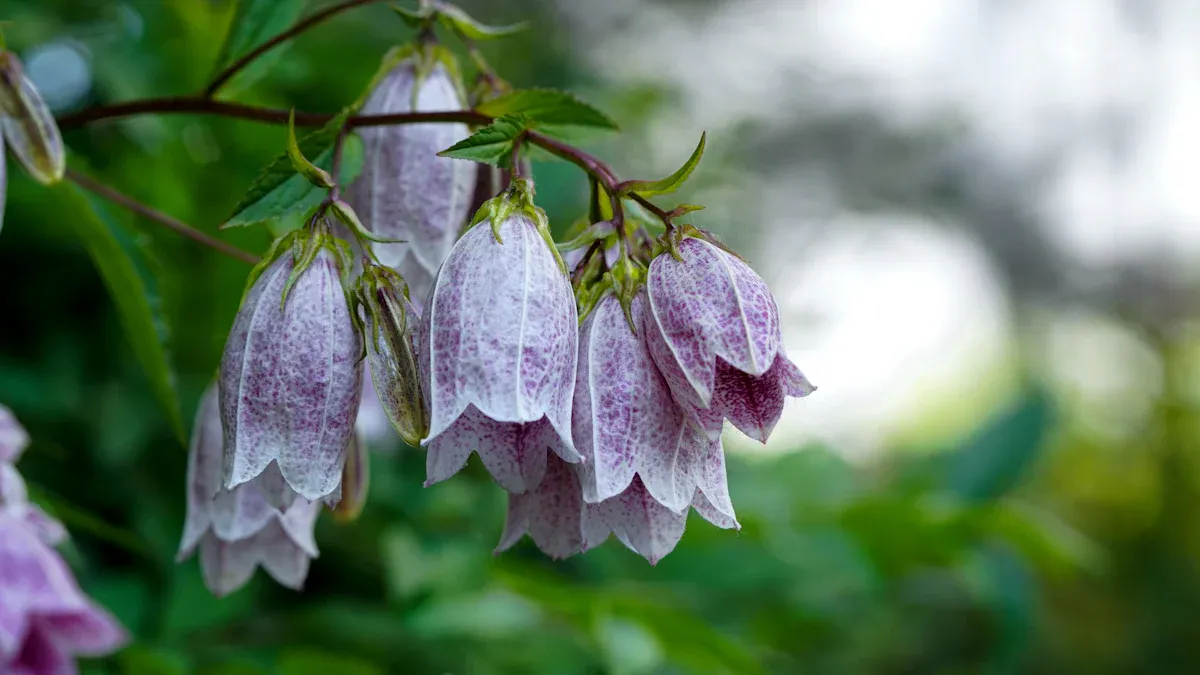
You might want to add a pretty houseplant to your tank. However, land plants cannot live underwater. Their leaves and roots are not made for a fully submerged life. When you put terrestrial plants in your aquarium, they will quickly rot. This decaying plant matter releases harmful substances into the water. It pollutes your tank. This pollution can make your fish sick. It also uses up the oxygen in the water. Your fish need this oxygen to breathe. Dead plant material can also cause algae to grow too much. This makes your tank look bad and creates an unhealthy environment.
Selecting True Aquatic Plants
You must choose plants that naturally grow underwater. These are called true aquatic plants. They thrive in your tank and help keep the water clean. They also provide hiding spots for your fish. Different aquatic plants suit different tank conditions.
Here are some examples of true aquatic plants you can choose:
For higher temperatures: Amazon Sword (Echinodorous), Cryptocoryne, Hygrophila, Vallisneria, Red Tiger Lotus.
Tolerant of wide pH/water hardness ranges: Java ferns, Java moss, Hornwort.
For hard water/higher pH: Anubias, Bolbitus.
For soft/acidic water: Rotala species.
For low light: Banana plants, Java ferns, Anacharis, most Hygrophila, mosses, Bacopa, Anubias, floating plants.
Tough, filtering plants (good for goldfish): Hornwort, Java moss, Anacharis, Duckweed.
For large/tall tanks (background plants): Giant Jungle Val, Aponogeton species.
For nano tanks: Banana plants, Dwarf hair grass, Dwarf Chain Sword, Dwarf Sagittaria, Red Tiger Lotus.
Always research a plant before you add it to your tank. This ensures it will do well in your specific aquarium setup.
Untreated Wood or Driftwood
Risks of Unprepared Wood
You might find a piece of wood outside and think it looks perfect for your tank. However, you cannot just put any wood into your aquarium. Unprepared wood poses many risks. It can release natural resins and pesticides. Boiling does not break down these substances. Decaying wood consumes oxygen in your tank. It also releases acidity. This lowers the pH. These changes stress your fish and can make them sick.
Wild wood can introduce toxins like herbicides. Some wood types leach toxins into the water if you do not prepare them correctly. Wood collected from beaches or the sea may have absorbed salts. These salts affect your water chemistry. Wood from moist or damp places can harbor unwanted pests, diseases, or parasites. You must avoid these dangers to keep your fish healthy.
How to Prepare Driftwood
You must prepare driftwood properly before adding it to your tank. This process ensures it is safe for your aquatic environment.
Sketching your aquarium’s landscape: Plan the placement of driftwood and other decorations. This harmonizes your aquascape. It also avoids future adjustments.
Cleaning Driftwood: Thoroughly scrub the driftwood with a clean brush. This removes dirt and debris. Do not use soap or chemical cleansers.
Boiling Driftwood (Optional but Recommended): Boil the driftwood for 1-2 hours. This leaches out tannins faster. It also sterilizes the wood. Boiling kills spores.
Curing Driftwood: Submerge the driftwood in a large bucket of water for at least 1-2 weeks. Regularly check for discoloration. If the water darkens, change it with clean, dechlorinated or RO water. Rinse the driftwood. Repeat this process until you observe no significant discoloration for several consecutive days.
Painted or Glazed Decorations
Leaching Paint and Glaze Hazards
You might find a colorful painted or glazed decoration appealing for your tank. However, these items often pose serious risks. Paint on decorations can chip or flake off. This releases harmful chemicals into the water. Glazes, especially on ceramics from unknown sources, can also leach dangerous substances. Many raku glazes, for example, contain heavy metals.
These include cobalt, tin, silver, and copper. Some glazes are even lead-based. These toxic chemicals can poison your fish. They alter water parameters and cause illness or death. You must avoid these hazards to protect your aquatic pets.
Identifying Aquarium-Safe Items
You need to choose decorations that will not harm your fish. Always look for items specifically labeled “aquarium safe.” These products undergo testing to ensure they do not leach toxins. Decorations made from plastic, rubber, or polyresin should always carry this “aquarium safe” label. For dishware and pottery, a general rule helps you decide. If an item, like a mug or plate, is dishwasher-safe, it is likely safe for your aquarium. If it is not dishwasher-safe, its delicate glaze may be unsuitable. You should always choose decorations explicitly labeled “aquarium safe” to minimize risks. This ensures your fish stay healthy and your tank remains a safe environment.
Human Food Scraps
Why Human Food Fouls Water
You might think sharing your food with your fish is a kind gesture. However, human food scraps are very bad for your aquarium. Your food is not designed for fish digestion. It contains ingredients like fats, sugars, and preservatives. These substances are harmful to aquatic life. When fish eat human food, they often cannot digest it properly. This leads to digestive problems for them.
Any uneaten food quickly breaks down in the water. This decay releases ammonia and nitrates. These chemicals are toxic to fish. They also cause excessive algae growth. This makes your tank dirty and unhealthy. High levels of algae can also use up oxygen. This harms your fish. You will need more frequent water changes to fix these problems.
Appropriate Fish Diets
You must feed your fish a diet specifically made for them. This keeps them healthy and your tank clean. Different fish have different dietary needs.
Fish Type | Dietary Needs | Recommended Foods |
|---|---|---|
Herbivores (e.g., Plecostomus, Mollies) | High in fiber and plant-based nutrition | Blanched zucchini, spinach, peas |
Carnivores (e.g., Oscars, Betta fish) | Rich in proteins and fats | Freeze-dried foods (brine shrimp, bloodworms), Frozen foods |
Omnivores (e.g., Tetras, Guppies) | Mix of aquatic plant and animal-based food sources | Flakes, Pellets, Freeze-dried foods, Vegetables |
Consider these points when you choose food for your fish:
Are they carnivores, herbivores, or omnivores?
Do they prefer dry, frozen, or live foods?
Is the food size right for their mouths?
Do they need floating or sinking foods? This depends on where they feed in the tank.
Is the food tasty and quickly eaten?
Most fish do well with one feeding per day. You can also give two smaller meals. Growing fry or slow grazers might need three to five tiny meals daily. Always choose high-quality fish food. This ensures your fish get the right nutrients.
Non-Aquarium Medications
Unpredictable Chemical Reactions
You might think a medication safe for humans or other pets is also safe for your fish. This is a dangerous assumption. Fish have different physiologies. Their bodies process chemicals differently. Medications not made for fish can cause unpredictable and harmful reactions. These reactions often lead to severe illness or death.
Many products marketed as “natural” aquarium medications are also problematic. They can be ineffective or even detrimental to fish health. For example, Aloe Vera has links to high mortality rates in fish. Other examples of potentially harmful or worthless treatments include:
Melafix (tea-tree oil)
Pimafix (West Indian bay tree oil)
Herbtana
Microbe Lift Artmiss
Imagitarium Parasite Remedy
eSHa OPTIMA
Easy-Life VOOGLE
Kordon Ich Attack
Kordon Rid Fungus
Garlic
Indian almond leaves (IAL)
These substances can disrupt your tank’s delicate balance. They introduce unknown compounds into the water. You must avoid using any medication not specifically formulated for aquatic life.
Consulting for Fish Health
You should never guess when your fish are sick. Do not try to treat them with non-aquarium medications. This can make the problem worse. Instead, seek expert advice. Consult an aquatic veterinarian. You can also talk to an experienced aquarist. They understand fish diseases and proper treatments.
Always use medications specifically designed for fish. These products undergo testing for safety and effectiveness in an aquarium environment. They target specific fish ailments without harming your aquatic pets or water quality. Proper diagnosis and the correct treatment are crucial for your fish’s recovery.
Sharp or Rough Decorations
Physical Injury Risks
You must carefully choose decorations for your fish tank. Sharp or rough decorations pose a significant threat to your fish. These items can easily tear fins, scrape scales, or cause other physical injuries. Imagine a betta fish. It developed a torn fin shortly after entering its new home. Upon inspection, the edges of a cave decoration were unexpectedly sharp. The cave’s opening likely caused the fin tear. Over time, some fish keepers have seen many aquatic animals get hurt or even die. They later found that certain decorations in their tanks caused these problems. These injuries can lead to infections. They also cause stress for your fish. This makes them more vulnerable to disease.
Smooth Decor Choices
You need to select smooth and safe decor for your aquarium. This protects your fish from harm. Look for items specifically designed for aquatic environments. These accessories will not have sharp edges.
Consider these safe choices:
For burrowing fish, like eels and certain loaches, use sand instead of gravel. This prevents body injuries when they dig.
For bottom-foraging species, such as Corydoras catfish, loaches, and goldfish, use smooth, rounded gravel. This protects their delicate barbels and mouths.
Opt for low-maintenance natural decor. This includes smooth driftwood and polished stones. These items help maintain a healthy balance in the tank.
Ensure your decor provides both open swimming areas and secure hiding spots. This prevents territorial fights and reduces stress among your fish.
Choose decorations made from certified food-grade materials. This prioritizes your fish’s long-term health. Always feel new decorations with your hands. Make sure they have no rough spots or sharp points.
Aerosols, Fumes, and Household Sprays
Invisible Airborne Threats
You might not see them, but airborne chemicals pose a silent danger to your aquarium. Even small amounts of chemicals from air fresheners, hairspray, or cleaning products can be fatal to your fish. These invisible particles settle on the water surface or dissolve into the water.
They quickly become toxic. Many common household products contain harmful compounds. For example, surfactants biodegrade slowly. They can turn into more toxic chemicals. These chemicals threaten aquatic life. Phosphates and nitrogen, like ammonia, act as fertilizers.
They cause algal blooms. These blooms deplete oxygen. They create “dead zones” in your tank. This degrades aquatic habitats. It harms fish, invertebrates, and plants. Other chemicals like triclosan, triclocarban, and alkylphenol ethoxylates persist in the environment. They accumulate in aquatic organisms. They disrupt endocrine systems in wildlife. This leads to reproductive and developmental issues, especially in fish and amphibians. Synthetic polymers, found in dish detergents, can also be toxic. They bioaccumulate in fish systems. You must keep these products far away from your tank.
Protecting Your Aquarium Environment
You need to protect your aquarium from these airborne threats. Always ensure good ventilation. Keep your tank away from areas where you use sprays or strong cleaners. If you must use these products, take precautions. Increase air circulation. Use fans or open windows before, during, and after pest control treatments. This quickly disperses chemical vapors.
It reduces their concentration in the room. This is especially important in tightly sealed homes. You should also temporarily disable aeration devices. Turn off air stones or bubblers during and immediately after treatment. These devices can increase the movement of airborne contaminants into the water. Remember to monitor oxygen levels to prevent fish suffocation. This careful approach keeps your fish safe and your tank healthy.
You now understand what not to put in your fish tank. Avoiding these 10 items is fundamental for a thriving fish tank ecosystem. Always choose aquarium-specific and inert materials. These items ensure the safety of your fish. You must research all new items. Consult reliable sources for your aquarium. Responsible fish keeping brings many rewards. You will enjoy a healthy fish tank.