
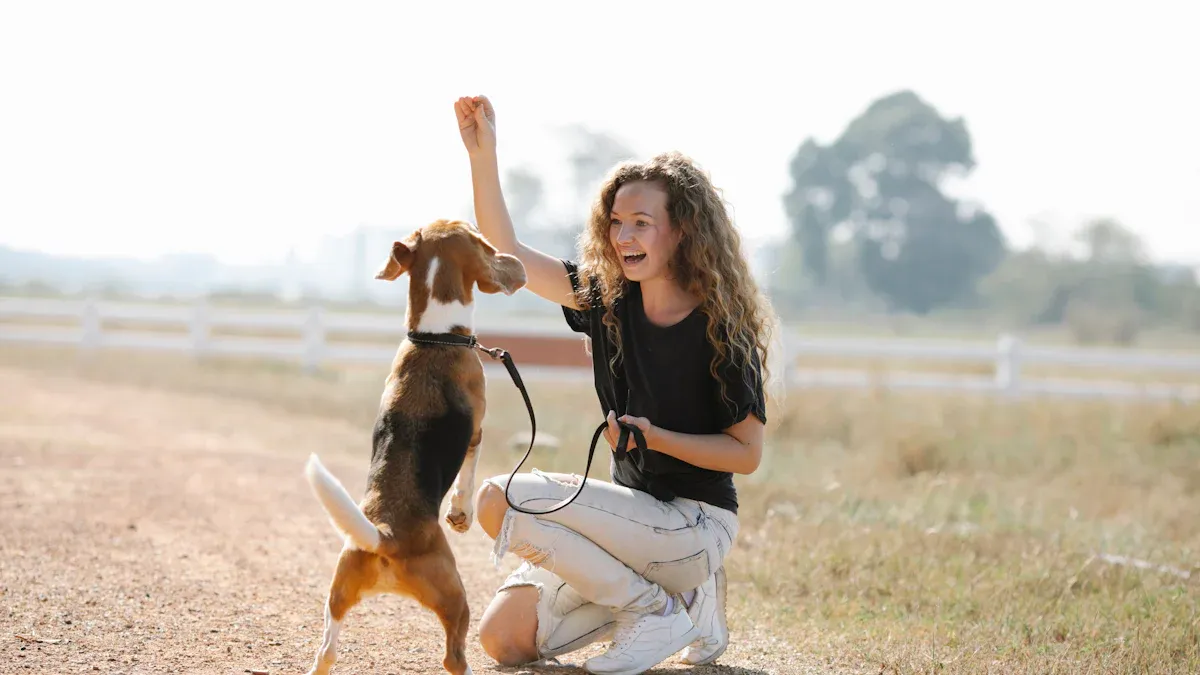
Teaching your furry friend dog tricks is incredibly rewarding! You’ll build an amazing bond and give your puppy valuable mental stimulation. Regular training boosts their confidence and improves their behavior, making dog training a joy for first time dog owners. This trick training is not just fun; it also enhances their cognitive functions and reduces stress. Learning a new command can be easy and enjoyable for both of you. This post will guide you through 10 simple yet impressive top 10 training commands, starting with basic commands.
Key Takeaways
Teaching your dog tricks builds a strong bond. It also makes your dog smarter and happier.
Keep training sessions short and fun. Always use rewards like treats or toys.
Be patient and consistent with your dog. Break down hard tricks into small steps.
Commands like ‘Sit,’ ‘Stay,’ and ‘Come’ keep your dog safe. They also help your dog behave well.
Practice regularly. This helps your dog learn and remember new tricks.
Why Teach Dog Tricks?
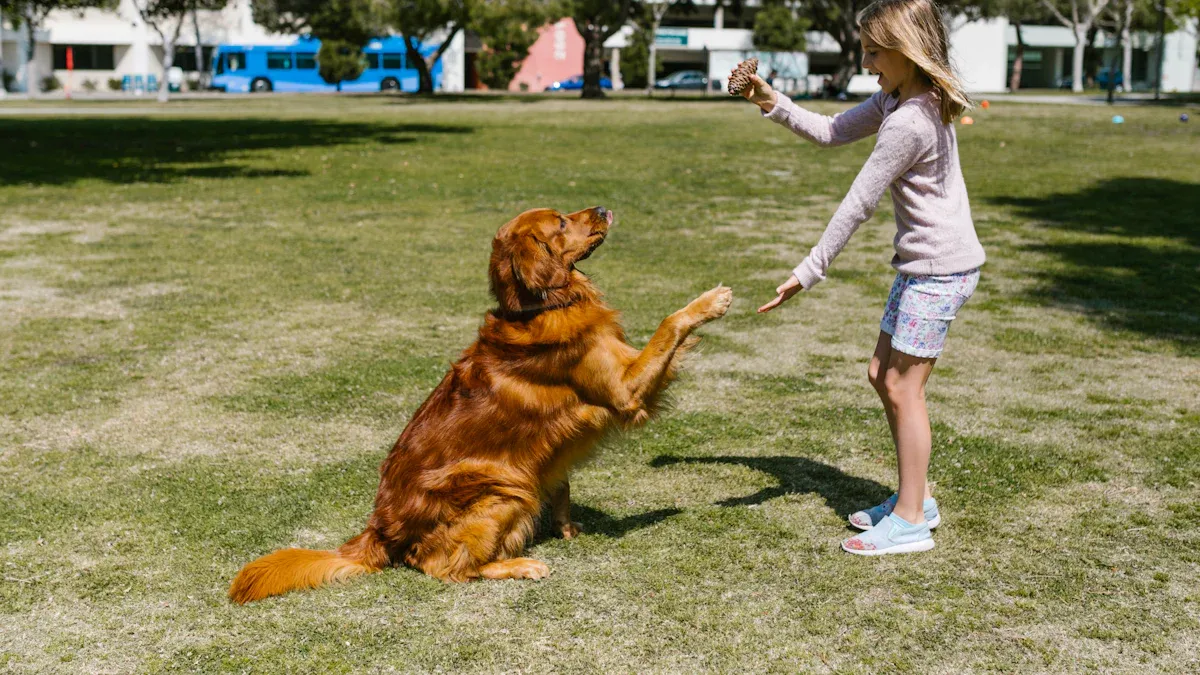
Teaching your dog new things offers so many benefits! It’s more than just showing off cool moves. You’ll find that dog training transforms your relationship and your dog’s overall well-being.
Strengthen Your Bond
When you teach your dog tricks, you spend quality time together. This shared activity builds trust and understanding. Your dog learns to see you as a fun and engaging partner. This strengthens your connection. You become a team, working towards exciting goals.
Provide Mental Stimulation
Dogs need more than just physical exercise. Their brains need a workout too! Learning new dog tricks provides excellent mental stimulation. It keeps your dog engaged and prevents boredom. A mentally stimulated dog is often a happier, calmer dog. This kind of training helps them think and solve problems.
Build Confidence
Success makes everyone feel good, even your furry friend! When your dog learns a new trick, they gain confidence. They feel proud of their accomplishments. This positive reinforcement encourages them to try new things. A confident dog is usually less anxious and more adaptable. This training helps them believe in themselves.
Enhance Obedience
Did you know trick training significantly boosts your dog’s general obedience? It’s true! This type of training provides both mental and physical mental stimulation. It also strengthens your bond. When you reduce pressure during learning, both you and your puppy enjoy the process more. This leads to better retention of commands. Dogs perceive all commands similarly, whether they are “tricks” or basic commands. A positive learning environment improves their overall responsiveness.
Here’s how trick training helps:
Increased Dog Awareness: Your dog learns to use their body better. This improves their physical control.
Enhanced Human-Dog Relationship: Your dog sees you as a fun partner, not just a disciplinarian.
Improved Attention and Communication: Dogs pay closer attention to your cues. This leads to better communication.
Better Handler Communication Skills: You learn how your dog understands your body language and voice. This helps all your dog training. You’ll see improvements in their basic obedience skills.
Essential Tips for Trick Training
You want your dog to love learning! Follow these tips to make your dog training sessions successful and fun for both of you.
Keep Sessions Short and Positive
Keep your training sessions brief. Most dogs do best with 5-10 minute sessions. This is the “sweet spot” for teaching new commands or dog tricks. Short sessions make training enjoyable for both you and your dog. They prevent your dog from getting bored or frustrated. This approach also helps you achieve “easy wins,” which boosts motivation for continued dog training. Long sessions can lead to frustration and even slow down progress. Always aim for positive reinforcement during these times.
Use High-Value Rewards
What motivates your dog most? Use those things as rewards! The most effective rewards for trick training are:
Food 🍖
Toys 🎾
Praise 🎉
Food is an excellent starting point for training. It often gets quick responses. For dogs that are highly playful, toys might work even better than treats. You won’t need to carry food! Always give enthusiastic praise, like “Good boy!” and a gentle stroke, right after your dog does something right. This reward-based training makes them want to repeat the behavior. Combining all three types of rewards creates a very positive training experience. This positive reinforcement is key.
Be Patient and Consistent
Dog training takes time. You need patience. Your dog learns at their own pace. Practice regularly, even for just a few minutes each day. Consistency helps your dog remember what you teach them. It builds good habits. Think of it as building a strong foundation for all future training. These puppy training tips apply to dogs of all ages.
Break Down Complex Tricks
Some dog tricks seem hard. Don’t worry! Break them into smaller steps. For example, if you teach “spin,” first reward a head turn. Then reward a step. Then a full turn. This makes training easier for your dog to understand. It also makes positive reinforcement simpler for you. This is a smart way to use training techniques.
End on a Positive Note
Always finish your training session on a high note. Even if your dog only did a basic commands correctly, celebrate it! This leaves them feeling happy and eager for the next session. It reinforces the idea that training is a fun and rewarding activity. This reward-based training strategy ensures your dog always associates training with good feelings.
1. Teaching a Puppy to Sit: Foundation Command
Teaching your puppy to sit is one of the most important things you can do. It’s a fundamental skill, a true “basic command,” and it opens the door to so much more advanced training. You’ll find this simple command incredibly useful in daily life.
How to Teach Sit
Start your training in a quiet place. Hold a tasty treat near your puppy’s nose. Slowly move the treat up and back over their head. As their nose follows the treat, their rear end will naturally lower to the ground. The moment their bottom touches the floor, say “Sit!” and immediately give them the treat and praise. Repeat this a few times. Once your puppy consistently sits when you lure them, start saying “Sit!” before you move the treat. Soon, they will sit just from your verbal command.
Common Sit Mistakes
You might run into some bumps while teaching a puppy to sit. Many things can make training harder. For example, if you don’t use positive reinforcement, your dog might lose interest. They need rewards like treats or praise to stay motivated. Also, health issues, like arthritis, or sensory problems can prevent your dog from responding. Always get regular vet check-ups. Distracting environments, like loud noises, also make it hard for your dog to focus. Start training in quiet spots, then slowly add distractions.
Inconsistent training methods confuse dogs. Use the same words and routines every time. If you use “sit” and “sit down” for the same action, your dog won’t understand. Make sure everyone in your family uses the same commands. Dogs also don’t automatically know that “sit” means the same thing everywhere. If your dog only sits in the kitchen, you need to practice in new places. Sometimes, dogs are too excited or anxious to focus. They can’t process commands when they feel overwhelmed. Also, teaching “sit” too early can cause problems with other commands later on.
Benefits of Sit
The “Sit” command offers many great benefits for you and your dog. It’s a foundational skill, providing a stable base for all other obedience training. This command is a crucial tool for calming dogs in public or stressful situations, like at busy intersections or when guests arrive. It helps control your dog’s impulses, leading to easier and safer interactions. Mastering “Sit” gives your dog a sense of structure and security in their daily life.
Benefit Category | Specific Situations/Outcomes |
|---|---|
Foundational Skill | Serves as a stable base for all other obedience training. |
Self-Control Enhancement | Improves your dog’s self-control by teaching them to hold a position until released. |
Guest Management | Useful when guests arrive or the mailman delivers, helping to manage excitement. |
Travel Safety | Keeps dogs controlled during car rides and upon arrival at destinations. |
Calmer Greetings | Facilitates calmer interactions when approached by strangers or other dogs during walks. |
This simple command enhances your dog’s self-control. They learn to wait patiently before fun activities like playing fetch or going through doorways. This training makes greetings calmer when strangers or other dogs approach during walks.
2. Teaching a Puppy to Stay: Impulse Control
The “Stay” command is a powerful tool. It teaches your dog impulse control. This command keeps your dog safe. It also makes your life much easier.
How to Teach Stay
First, ask your puppy to “Sit” or “Lie Down.” They need to be in a stable position. Then, open your palm towards your dog. Clearly say “Stay.” Take one small step back. If your puppy stays, immediately step back to them. Give them a treat and praise. Repeat this several times. Gradually increase your distance from them. Also, increase the time they need to “Stay.” Always reward them for success. This training builds their patience.
Common Stay Mistakes
You might encounter some common errors when teaching a puppy to stay. These can slow down your progress.
Inconsistency: Your dog needs clear rules. If “Stay” means different things at different times, your dog gets confused. Always use the same command and expectations.
Using Too Many Words: Keep it simple. A clear, single “Stay” works best. Long sentences or repeated commands just confuse your dog.
Not Training in Different Environments: Your dog might “Stay” perfectly at home. But what about outside? Gradually introduce new places and distractions. This helps your dog generalize the command.
Not Being Patient Enough: Learning takes time. Do not rush your dog. Frustration from your side can hinder their progress. Patience is vital for your dog to truly understand “Stay.”
Benefits of Stay
A strong “Stay” command offers many benefits. It significantly contributes to your dog’s impulse control. This skill helps your dog navigate the world with less stress. It reduces instances of over-the-top greetings. Your dog becomes less likely to dash into danger. It also helps them manage distractions.
A well-trained “Stay” prevents your dog from rushing the door when guests arrive.
It helps you maintain control in busy environments.
This command builds impulse control for both advanced training and everyday situations.
Your dog learns to remain in a specific position until you release them. This prevents impulsive actions.
It teaches your dog to observe their environment under supervision.
This training enhances your dog’s life. It makes everyday interactions smoother. It fosters a sense of achievement and confidence. It builds emotional self-control. This command also sets a foundation for learning more complex skills. It deepens your relationship through mutual respect.
3. Teaching a Puppy to Come (Recall): Safety First
Teaching a puppy to come when called, also known as recall, is one of the most vital commands you can teach. This isn’t just a trick; it’s a safety net for your furry friend. A reliable “Come” command can literally save your dog’s life.
How to Teach Come
Start your training in a quiet, distraction-free area. Get down to your puppy’s level. Say their name, then enthusiastically say “Come!” As they move towards you, back away a few steps to encourage them. When they reach you, give them a high-value treat and lots of praise. Make it a party! Repeat this many times. Once your puppy consistently comes to you indoors, gradually introduce mild distractions. Practice in your yard, then in a quiet park. Always make coming to you the most rewarding thing they can do. This positive training builds a strong association.
Common Come Mistakes
You might make a few common mistakes when teaching this crucial command. One big pitfall is failing to follow through. If your dog ignores your “Come” command to chase a squirrel, and you let them continue, you accidentally reward their disobedience.
They learn that ignoring you is more fun. Another mistake is punishing the dog for coming. If you scold your dog when they finally come to you, or immediately end playtime by leashing them, you create a negative association. Your dog will then be less likely to respond next time. Always make coming to you a positive experience, even if it took a while.
Benefits of Come
A reliable “Come” command offers immense benefits. It is one of the most important commands a dog can learn, both for its usefulness and for safety. This training is crucial for your dog’s safety and allows for enjoyable off-leash activities. It gives your dog the ability to respond promptly when called, which can be lifesaving in emergencies.
A reliable recall can save your dog’s life, averting potential accidents or preventing them from eating harmful substances. An emergency recall is a vital command for protecting your dog from harm. This training helps you keep your dog safe and ensures compliance with local leash laws. It benefits both your dog and your community. The primary objective of recall training is to guarantee your dog’s safety.
4. Teaching a Puppy to Lie Down: Calming Command
You want a calm dog. The “Lie Down” command is perfect for this. It helps your dog relax. This command is a great tool for many situations.
How to Teach Lie Down
Start with your puppy in a “Sit” position. Hold a treat near their nose. Slowly move the treat straight down to the floor between their front paws. Then, slide the treat along the floor away from them. Your puppy will follow the treat. Their body will stretch out into a lying position. As their elbows touch the ground, say “Lie Down!” Give them the treat and praise. Repeat this several times. Soon, your puppy will lie down just from your verbal command. This is effective training.
Common Lie Down Mistakes
You might make some mistakes when teaching a puppy to lie down. One common error is rushing the process. Your puppy needs time to understand. Do not push their body down. This can make them dislike the training. Another mistake is not using high-value treats. Your puppy needs strong motivation. Make sure your rewards are exciting for them. Also, practice in quiet places first. Too many distractions make learning hard. Consistent training helps your puppy learn faster.
Benefits of Lie Down
Teaching a puppy to lie down offers many great benefits. This command helps your dog settle down. It creates a calm mindset. Your dog learns to relax naturally. This command is sustainable for longer times. Your dog shows greater impulse control. It also builds mental discipline.
The “Lie Down” command also helps you in many ways:
It strengthens your bond with your dog. You communicate better.
It opens doors to more advanced commands.
It helps manage behavior.
It can prevent dangerous situations. Your dog will not chase wildlife. They will not run into traffic.
It creates structure in your home. It helps during meals. It helps when guests arrive.
Your dog learns to self-regulate when they feel overwhelmed.
This command is a basic command. It is a key part of good dog training.
5. Shake a Paw: Friendly Greeting
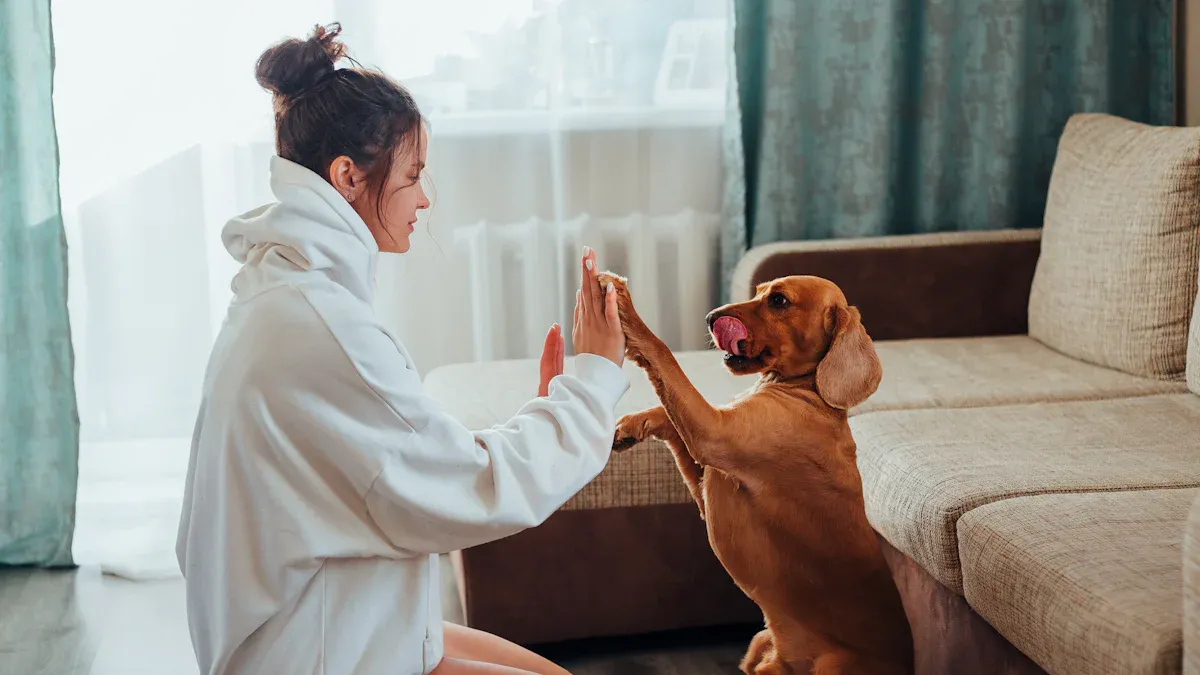
Teaching your dog to “Shake a Paw” is a charming trick. It’s a fun way for your dog to greet people. This command also builds their confidence.
How to Teach Shake
Start with your puppy in a “Sit” position. Hold a treat in your closed hand. Present your hand to your puppy. They will likely try to paw at your hand to get the treat. The moment their paw touches your hand, say “Shake!” or “Paw!” Open your hand and give them the treat. Repeat this several times. Once they consistently paw your hand, start saying the command before they paw. You can then gently take their paw in your hand as you say “Shake!” and reward them. This positive reinforcement makes the training enjoyable.
Common Shake Mistakes
You might encounter a few common mistakes when teaching “Shake.” One mistake is not being clear with your hand signal. Your dog needs a consistent cue. Another error is letting your dog jump or mouth your hand. You only want them to offer their paw. If they jump, pull your hand away and try again. Make sure your treats are high-value. This keeps your dog motivated during the training. Patience is key for successful training.
Benefits of Shake
Teaching your dog to “Shake a Paw” offers several wonderful benefits. It’s a delightful trick that impresses friends and family. This simple command also helps your dog learn body awareness.
It provides a simple, low-key behavior. This allows your dog and new acquaintances to have a positive first interaction.
It serves as a crowd-pleaser for both adults and children. This makes your dog more engaging in social settings.
This trick also strengthens your bond. You and your dog work together. It’s a fun way to practice short bursts of training.
6. High Five: Next Level Paw
You’ve mastered “Shake a Paw.” Now, you can take your dog’s paw skills to the next level with “High Five”! This trick is super impressive. It shows off your dog’s coordination.
How to Teach High Five
Start with your dog in a “Sit” position. Hold a treat in your closed hand. Keep your hand a little higher than you would for “Shake.” Your dog will likely try to paw at your hand. The moment their paw lifts high enough to touch your open palm, say “High Five!” Give them the treat and lots of praise. Repeat this several times. Once your dog consistently offers a high paw, you can start saying the command before they lift their paw. Make sure your hand is open and ready. This positive reinforcement makes the training fun.
Common High Five Mistakes
You might run into a few common issues when teaching “High Five.” One mistake is not making your hand signal clear. Your dog needs a consistent target. Another error is letting your dog jump up instead of just lifting their paw. If they jump, lower your hand or step back. Try again. You want a controlled paw lift. Also, be sure to use high-value treats. This keeps your dog motivated during the training. Patience is key for successful training.
Benefits of High Five
Teaching your dog to “High Five” offers some great benefits. It’s a fantastic party trick. Everyone loves a dog that can high five! This trick also helps your dog with body awareness. They learn to control their movements. It’s a fun way to engage your puppy in short bursts of training. This command also strengthens your bond. You and your dog work together. It builds confidence in your dog. They feel good when they perform a trick correctly.
7. Spin/Twirl: Mental Agility
How to Teach Spin
You can teach your puppy to spin with a simple lure. Get a tasty treat. Hold it near their nose. Move the treat in a circle around their head and body. Your dog will follow the treat. As they complete a full circle, say “Spin!” or “Twirl!” Give them the treat and praise. Repeat this a few times in one direction. Then, try the other way. Once your dog understands, start saying the command before you move the treat. Soon, they will spin just from your voice or a hand signal. This training is fun for both of you.
Common Spin Mistakes
You might make some common errors when teaching your dog to spin. One big mistake is advancing too quickly. If your dog starts making mistakes, you are probably going too fast. Just go back to an easier step. Practice there until they are confident. Then, move forward slowly. Another error is making your training sessions too long. Spinning can make your dog dizzy, just like it can make you dizzy! Keep spin practice short, maybe just a few spins at a time. Also, do not force the command. If your dog really dislikes spinning, it is okay to skip it. Focus on other tricks they enjoy. Remember to fade the lure. You do not want your dog to always need a treat in your hand to spin. After a few tries, use an empty hand to guide them.
Benefits of Spin
Teaching your dog to spin offers great benefits. This trick gives your dog excellent mental stimulation. It helps them use up extra energy. The “Rear Leg Twirl” version of this trick really works their hips and rear legs. This builds their physical agility. Just make sure your dog is physically able to do it without getting hurt. This kind of training also strengthens your bond. You work together. It is part of a fun sequence. For example, your dog can learn to touch a stick. Then they twirl. Then they fetch the stick. They can even ring a bell with it! These commands make your dog smarter and happier.
8. Touch (Targeting): Versatile Skill
Teaching your dog the “Touch” command, also known as targeting, is a super versatile skill. It’s like giving your dog a superpower for communication! This simple action can help you in so many situations.
How to Teach Touch
Start your training with a treat in one hand. Present your open palm to your puppy at their nose level. Say “Touch!” The moment your dog’s nose touches your hand, say “Yes!” or click a clicker, then immediately give them the treat. Repeat this many times. Keep your training sessions short and fun. Once your dog consistently touches your hand, you can start moving your hand to different places. You can hold it higher, lower, or to the side. This helps your dog understand the command applies everywhere.
Common Touch Mistakes
You might run into some common issues when teaching “Touch.” One big mistake is reinforcing a very light or “drive-by” touch. Your dog might just barely brush your hand. This can make them less enthusiastic about a solid touch. Another problem is reinforcing touches with teeth instead of their nose. You want a gentle nose touch, not a bite!
Also, be careful not to reinforce other behaviors too much, like paw touches, if you want a nose touch. Inconsistent verbal cues can also confuse your dog. If you say “Touch” sometimes and “Boop” other times, your dog won’t know what you want. Make sure you are clear and consistent during training.
Benefits of Touch
The “Touch” command is incredibly useful. It helps you redirect your dog’s attention from distractions. Imagine your dog focusing on you instead of a squirrel at the dog park! This training also builds confidence in nervous dogs. They learn to interact with new people or objects more easily. You can use “Touch” to improve recall, especially in busy places.
It helps your dog choose to greet new people politely. You can even use it to guide your dog into specific positions, like through a narrow doorway. This skill is great for managing energetic behavior in busy settings. It encourages reluctant dogs to move when they’re being stubborn. You can even create advanced behaviors and fun games with “Touch,” like teaching your dog to “give a kiss” or get out of the pool.
9. Leave It: Essential Safety
You want your dog to be safe. The “Leave It” command is one of the most important safety commands you can teach. It helps your dog ignore tempting or dangerous items. This skill can truly save your dog’s life.
How to Teach Leave It
Start your training in a quiet area. Hold a low-value treat in your open palm. Say “Leave It!” As your puppy moves towards the treat, close your hand. Wait for them to stop trying to get it. The moment they look away or back off, say “Yes!” and give them a high-value treat from your other hand. Repeat this many times. Gradually, place the low-value treat on the floor.
Cover it with your hand. Say “Leave It!” When your puppy looks away, reward them with a high-value treat from your other hand. Slowly increase the time they “Leave It” before you reward them. This consistent training builds their understanding.
Common Leave It Mistakes
You might make some common errors when teaching a puppy to leave it. One big mistake is giving your dog the “leave it” object as a reward. This teaches them that “leave it” means “wait a moment, then you can have it.” You want them to understand that “leave it” means “don’t touch that, and you’ll get something better.” Another error is going “too far, too fast” in your training. This can make your dog struggle or fight with you. You need to build up distractions slowly. Also, do not expect the same results in high-prey situations as with inanimate objects. A squirrel is much more tempting than a dropped cracker. Your dog’s instinct can override their training.
Benefits of Leave It
The “Leave It” command offers critical safety benefits. It is a life-saving skill. This command prevents your dog from eating toxic food like chocolate. It stops them from picking up dangerous garbage during walks. This prevents illness or injury. “Leave It” also helps you manage and redirect your dog’s prey drive. If your dog chases a bunny towards a street, “Leave It” can act as a “circuit breaker.” This disengages them. Then, a recall command becomes more effective. This training also enhances your dog’s focus and impulse control. They learn to control their urges. This leads to better overall obedience. It is vital for sporting, hunting, therapy, and service dogs.
10. Fetch: Classic Game
You want to play a classic game with your dog. Fetch is a fantastic choice. It provides exercise and strengthens your bond. This game is fun for both of you.
How to Teach Fetch
Start your training in a quiet area. Use a favorite toy. Show the toy to your puppy. Get them excited. Toss the toy a short distance. Say “Fetch!” When your dog goes to the toy, praise them. Encourage them to pick it up. When they have the toy, call them back. Say “Come!” When they return, offer a treat or another toy. This encourages them to drop the first toy. Say “Drop it!” Reward them when they release the toy. Repeat this process. Gradually increase the distance you throw the toy. Make every step of the training positive.
Common Fetch Mistakes
You might face some challenges when teaching fetch. Some dogs do not naturally understand how to play fetch. They might chase the toy but not bring it back. Others might lose interest quickly. You need to keep the game exciting. Do not get frustrated if your dog does not get it right away. Keep your training sessions short and fun. Always end on a positive note.
Benefits of Fetch
Playing fetch regularly offers many benefits. It helps your dog physically and mentally.
Physical Benefits:
Muscle Strength and Endurance: Your dog runs and jumps. This builds strong muscles.
Joint Health: Regular play keeps joints flexible. It reduces stiffness.
Weight Management: Fetch helps burn calories. It keeps your dog at a healthy weight.
Agility and Coordination: Chasing the ball improves balance and speed.
Mental Benefits:
Cognitive Stimulation: The game sharpens focus. It improves problem-solving skills.
Emotional Bonding: Positive reinforcement during play builds trust.
Training and Discipline: You can practice commands like ‘sit’ or ‘drop it’. This teaches patience and obedience.
Self-Control: Your dog learns to wait before chasing the ball.
Stress Release: Physical activity and interaction reduce stress.
You’ve learned 10 amazing dog tricks! These fun activities build a stronger bond with your puppy. Consistent trick training provides incredible mental stimulation, helping your dog stay sharp and happy. This mental stimulation also boosts their emotional resilience, making them more confident. Remember, every session of dog training strengthens your connection. Keep practicing these dog tricks with patience and positivity. You’ll enjoy a truly well-trained and happy dog for years to come!