
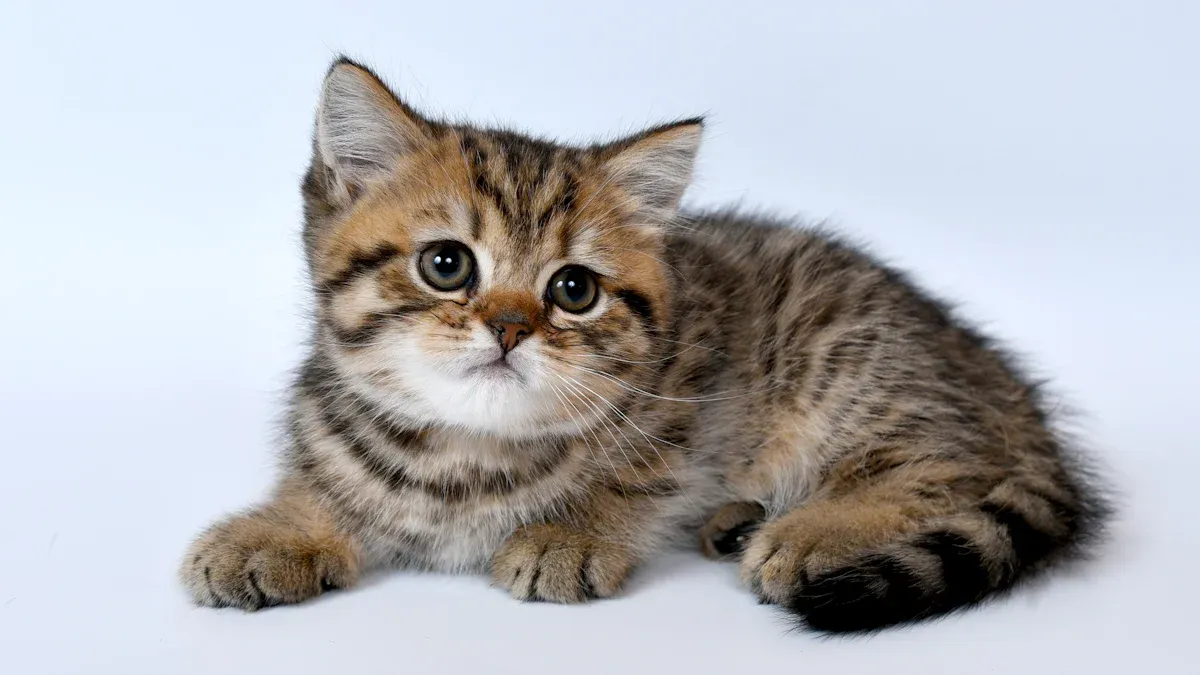
You might wonder what makes a tabby cat special. A tabby cat isn’t a breed—it’s a cat with a unique coat pattern. You’ll spot four main tabby patterns:
Classic
Mackerel
Spotted
Ticked
Tabby cats charm you with their personalities. Check out some common traits:
Personality Trait | Description |
|---|---|
Friendliness | Loves being near you and gets along with kids and pets. |
Intelligence | Learns tricks and solves problems quickly. |
Vocalization | Talks to you with different meows. |
Affectionate | Enjoys cuddling and purring. |
Active | Stays curious and likes to play. |
Quiet | Needs cozy naps during the day. |
You’ll find the Tabby Cat Guide helpful if you want to know more about these lovable cats.
Key Takeaways
Tabby cats are not a breed but a coat pattern. They come in four main types: Classic, Mackerel, Spotted, and Ticked, each with unique markings.
These cats are known for their friendly and playful personalities. They enjoy interacting with people and can be great companions for families.
Regular grooming is essential for tabby cats. Brush long-haired ones daily and short-haired ones weekly to keep their coats healthy and reduce hairballs.
A balanced diet is crucial for your tabby’s health. Feed them high-protein food and ensure they have access to fresh water at all times.
Playtime is vital for a tabby cat’s happiness. Engage in daily play sessions to keep them active and strengthen your bond.
Tabby Cat Guide: Types
Classic
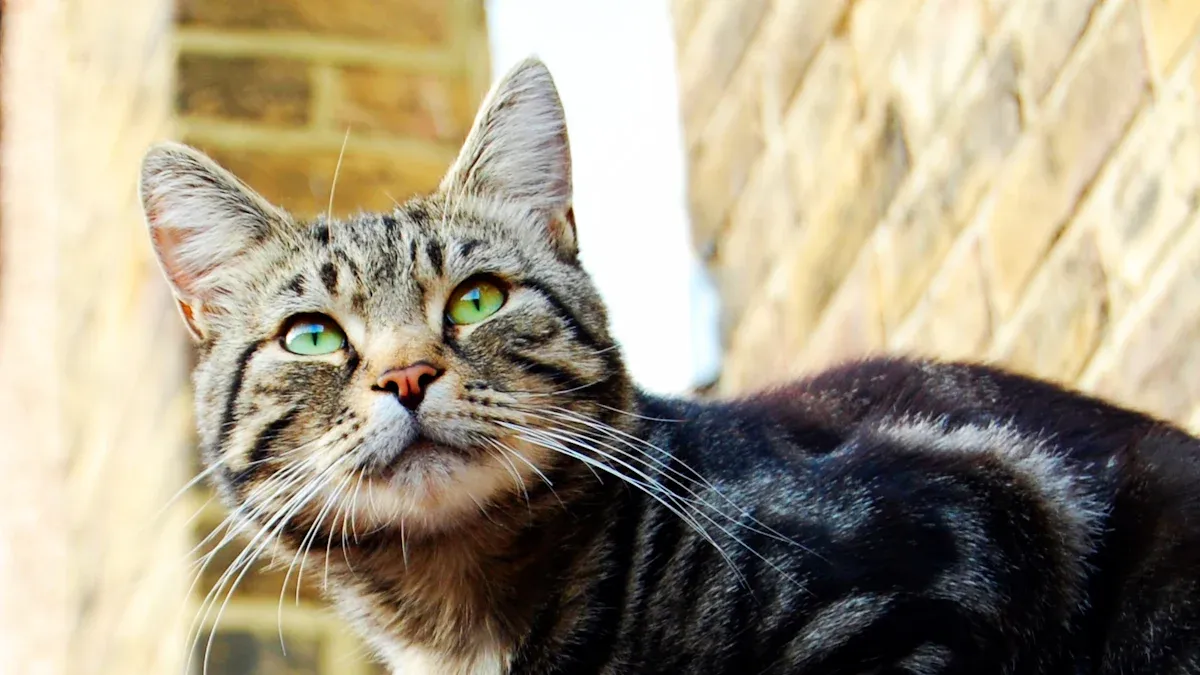
When you picture a tabby, you might think of the classic pattern. This type stands out with thick, curving bands that swirl across the body. You’ll notice a bold bullseye mark on each side and an “M” shape on the forehead. Classic tabbies often have a light-colored butterfly pattern on their shoulders and three thin stripes running along the spine. Their legs, tail, and cheeks show thick stripes or bars.
Fun fact: The classic tabby pattern is one of the most common among pet cats in the U.S. If you look around, you’ll probably spot this pattern in many homes.
Thick curving bands in whorls or swirls
Bullseye mark on each side
“M” on the forehead
Butterfly pattern on shoulders
Three stripes along the spine
Stripes or bars on legs, tail, and cheeks
Mackerel
The mackerel tabby looks like a little tiger. You’ll see slim, evenly spaced stripes running down the sides, almost like a fish skeleton. This pattern is the default tabby look and is dominant in genetics. A thicker stripe runs along the spine, making it easy to spot.
Unique Markings of Mackerel Tabby | Description |
|---|---|
Slim, evenly spaced stripes | Stripes run vertically down the sides, like a fish skeleton. |
Dominant genetic pattern | The mackerel pattern is the default tabby pattern. |
Thicker spine stripe | A bold stripe runs along the spine. |
Spotted
If you love dots, the spotted tabby is for you. This pattern comes from the mackerel tabby, but the stripes break up into small spots. The spots line up in rows, either horizontal or vertical, giving these cats a wild look. You’ll find this pattern in breeds like Bengals, Egyptian Maus, and even in many mixed-breed cats. The spotted tabby is common in both purebred and domestic cats.
Spots arranged in rows
Pattern comes from broken mackerel stripes
Seen in Bengals, American Bobtails, Ocicats, Egyptian Maus, Savannahs, Cheetohs, Australian Mists, and domestic shorthairs
Ticked
The ticked tabby looks different from the others. Instead of stripes or spots, you’ll see a salt-and-pepper effect. Each hair has bands of color, which gives the coat a shimmery look. The ticked pattern comes from a special gene. Some cats show more markings on their head, legs, and tail, while others have almost none except for a dark tail tip and facial marks. You’ll often see this pattern in Abyssinians, Somalis, Singapuras, and Asian breeds.
Genetic Factor | Description |
|---|---|
Ticked Tabby Gene (Ta) | This gene creates the ticked pattern. |
Heterozygous Form | More markings on head, legs, and tail. |
Homozygous Form | Minimal barring on limbs, dark tail tip, and clear facial marks. |
The Tabby Cat Guide helps you spot these patterns and understand what makes each one unique.
Personality
Traits
When you meet a tabby cat, you notice their personality right away. These cats love to interact with you. They show off their intelligence by learning tricks and exploring new places in your home. You might find your tabby opening doors or figuring out how to get to their favorite treats. Curiosity drives them to investigate every corner, and they rarely miss a thing.
Tabby cats also stand out for their vocal nature. Some will greet you with a cheerful meow when you walk in the door. Others might “talk” to you when they want attention or food. Their voices can be soft or loud, but they always find a way to let you know what they want.
Reason | Description |
|---|---|
Breed Characteristics | Tabbies may inherit vocal traits from breeds like Siamese or Maine Coons, known for their talkativeness. |
Attention Seeking Behavior | Their outgoing nature leads them to vocalize for interaction with humans. |
Expressing Needs or Discomfort | Vocalization can indicate hunger, boredom, or discomfort, prompting them to communicate their needs. |
Environmental Factors | A stimulating environment encourages vocalization, while a quieter one may lead to less chatter. |
Genetic and Individual Factors | Individual personality traits influenced by genetics can result in varying levels of vocalization among tabbies. |
You will also notice a cheeky side. Tabby cats sometimes act silly or mischievous. They might swipe at your shoelaces or hide your pens. This playful attitude keeps life interesting and brings laughter to your home.
Social
Tabby cats enjoy spending time with people. They often follow you from room to room, wanting to be part of whatever you do. You might find your tabby curled up next to you on the couch or sitting on your lap while you read. They usually get along well with children and other pets, making them a great choice for families.
Veterinary behaviorists recognize tabby cats for their sociable and friendly nature. While they may not always be the most sociable compared to every other cat breed, their friendliness often shines through their playful behavior. You will see your tabby greet guests at the door or join in family activities. Their adaptable nature helps them fit into many types of homes.
Tabby cats show intelligence and adaptability.
They adjust to different environments, such as apartments or houses with gardens.
Their flexible nature allows them to match your daily routine and lifestyle.
Tip: If you want a cat that enjoys being around people and fits into your family life, a tabby cat is a wonderful choice.
Playful
Playtime is a big part of a tabby cat’s life. These cats love to chase toys, pounce on moving objects, and climb to high places. You might see your tabby darting after a feather wand or batting a ball across the floor. Their playful spirit keeps them active and healthy.
Tabby cats use play to bond with you. When you toss a toy or dangle a string, your cat will join in the fun. This interaction helps build trust and makes your relationship stronger. Play also gives your tabby a way to use their energy and satisfy their curiosity.
You will notice that a playful tabby cat brings joy and excitement to your home. Their energy and love for games make them perfect companions for families with kids or anyone who enjoys an active pet.
The Tabby Cat Guide shows that these personality traits—friendly, intelligent, vocal, playful, curious, sociable, and cheeky—make tabby cats ideal family pets. Their adaptability and love for people help them fit into almost any home.
Care Tips
Grooming
Keeping your tabby cat’s coat healthy starts with regular grooming. You help your cat look and feel great when you brush them often. Daily brushing works best for long-haired tabby cats. This prevents tangles and mats from forming. For short-haired tabbies, brushing once a week usually does the trick. Brushing removes loose hair and dirt, which keeps the coat smooth and shiny. It also cuts down on hairballs because your cat swallows less fur during self-grooming.
Brush long-haired tabby cats every day or every other day.
Brush short-haired tabby cats at least once a week.
Use gentle, natural, or hypoallergenic shampoos if you need to bathe your cat.
Check for tangles or clumps, especially in sensitive spots like behind the ears or under the legs.
Tip: Make grooming a fun bonding time. Offer treats or gentle praise to help your cat enjoy the process.
Diet
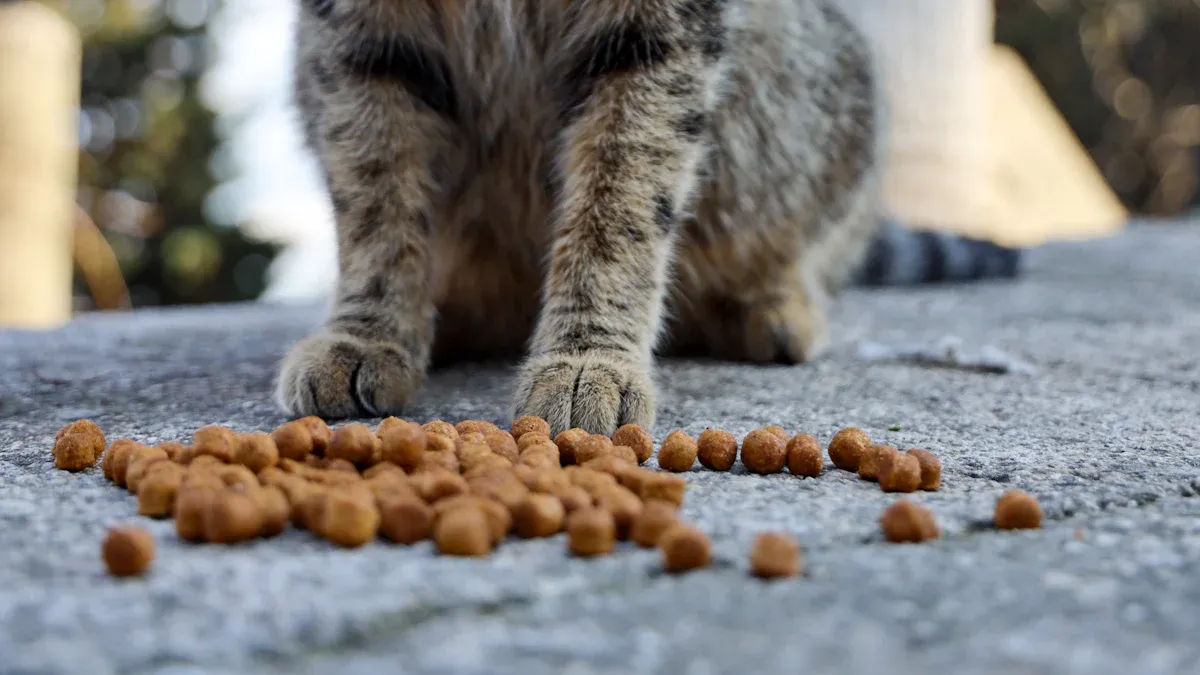
Your tabby cat needs the right food to stay healthy and active. Cats are obligate carnivores, so they need animal protein in their diet. They cannot get some nutrients, like vitamin A, from plants. You should feed your cat food that is high in protein, has moderate fat, and contains very few carbohydrates. Look for foods with essential vitamins and minerals. Always provide clean, fresh water.
Choose foods with high animal protein.
Make sure the diet has moderate fat and minimal carbs.
Pick foods with taurine and other key nutrients.
Offer both wet and dry food if your cat likes variety.
Keep water bowls clean and filled at all times.
Note: Commercial cat foods come in dry, semi-moist, and canned forms. Each type has different water content and nutrition, so pick what suits your cat’s needs.
Health
You want your tabby cat to live a long, happy life. Regular vet visits help catch health problems early. Some health issues are more common in tabby cats, so knowing the signs helps you act fast. Here’s a quick guide:
Health Issue | Symptoms/Preventive Measures |
|---|---|
Kidney Disease | Watch for increased thirst, weight loss, or peeing outside the litter box. Early vet visits and special diets help manage this. |
Upper Respiratory Infections | Look for runny nose, sneezing, congestion, or tiredness. See a vet if symptoms get worse. |
Constipation | Notice if your cat strains in the litter box. Prevent this with a good diet, plenty of water, and regular grooming to reduce hairballs. |
How often should you visit the vet? Check this table for the best schedule:
Age Group | Recommended Frequency |
|---|---|
Junior and Adult Cats | Minimum of once a year |
Senior Cats (11-14 years) | Every 6 months |
Super-Senior Cats (over 14 years) | Every 6 months |
Callout: Early detection makes a big difference. If you notice changes in your cat’s behavior or health, call your vet right away.
Playtime
Play keeps your tabby cat happy and healthy. You help your cat burn energy, stay fit, and avoid boredom when you play together. Try different toys and activities to see what your cat loves most.
Use interactive toys like puzzle feeders and laser pointers.
Set up scratching posts and climbing structures for exercise.
Play hide and seek with treats or toys to spark hunting instincts.
Rotate toys often to keep things fresh.
Give your cat window perches or tunnels for extra fun.
Try food-dispensing toys to combine mealtime and play.
Schedule play sessions once or twice a day, about 15 minutes each.
Aim for a total of 20 to 60 minutes of playtime daily, split into short bursts.
Tip: Playtime is not just about exercise. It builds a strong bond between you and your cat. You will notice fewer behavior problems and a happier, more relaxed pet.
The Tabby Cat Guide always reminds you that a little care goes a long way. With the right grooming, diet, health checks, and play, your tabby cat will thrive.
Living With Tabby Cats
Home Life
Living with a tabby cat brings warmth and fun to your home. You want your cat to feel safe and comfortable every day. Start by making sure your cat can reach food and water easily. Place bowls on the same floor where your cat spends most of their time. This helps your tabby stay healthy and happy.
You can make your home even better for your cat with a few simple changes:
Set up cozy beds and hiding spots in quiet corners. Your cat will love having a safe place to nap or relax.
Use low-entry litter boxes. These help older or less mobile cats use the box without trouble.
Lay down non-slip mats or rugs. These prevent slips and falls, especially for senior cats.
Keep your home calm and steady. Try not to move things around too much or make sudden changes.
Install night lights in hallways or near litter boxes. Your cat can find their way at night without bumping into things.
Offer safe outdoor time, like a secure catio or supervised walks. Your tabby can enjoy fresh air and new sights.
Try a synthetic feline pheromone diffuser. This can help your cat feel calm and reduce stress.
If you have more than one pet, give each cat their own food and water bowls. Create safe zones and hiding spots for every cat. Take your time when introducing new pets. Let your tabby adjust at their own pace.
Tip: A happy home for your tabby means less stress and more purrs!
Bonding
Building a strong bond with your tabby cat makes life together even better. You can connect with your cat in many ways. Try teaching your cat a new trick, like sitting or giving a high five. This keeps their mind sharp and brings you closer.
Daily playtime is important. Use toys your cat loves, like feather wands or balls. Play together every day to keep your cat active and happy. Positive reinforcement, such as treats or gentle praise, helps your cat trust you and learn good habits.
Understanding your cat’s body language is key. Watch for signs like a flicking tail or flattened ears. Respond to your cat’s mood and needs. This shows your cat you care and respect their feelings.
You can also:
Keep a steady routine for feeding, play, and rest. Cats feel safe when they know what to expect.
Give your cat a quiet space to retreat when they need alone time.
Make regular vet visits part of your routine. A healthy cat feels more relaxed and open to bonding.
Remember: Every moment you spend with your tabby—playing, cuddling, or just sitting together—strengthens your special connection. 🐾
Tabby cats bring joy and warmth to any home. You get a friend who is loving, gentle, and patient. Many families choose tabbies because they bond well with kids and other pets.
They help lower stress and boost happiness.
Their playful side keeps you entertained every day.
Some studies show tabby cats may even help reduce allergies in children.
To keep your tabby happy:
Feed a balanced diet.
Visit the vet regularly.
Play together daily.
Offer cozy spots and fresh water.
Enjoy every moment with your tabby cat! 🐾
FAQ
What makes a cat a tabby?
A tabby cat has a special coat pattern, not a breed. You can spot them by their stripes, spots, or swirls. Every tabby has an “M” shape on the forehead. You’ll see these patterns in many different cat breeds.
Do tabby cats get along with other pets?
Most tabby cats love company. You’ll find they often get along well with other cats, dogs, and even kids. Early socialization helps a lot. If you introduce new pets slowly, your tabby will likely make a new friend.
How long do tabby cats usually live?
Tabby cats often live 12 to 16 years. Some even reach 20 years with good care. You can help your tabby live longer by feeding them well, playing with them, and visiting the vet regularly.
Are tabby cats more vocal than other cats?
Many tabby cats love to “talk.” You might hear them meow, chirp, or purr to get your attention. Some breeds with tabby patterns, like the Siamese, are especially chatty. Every cat is different, so your tabby’s voice may vary.