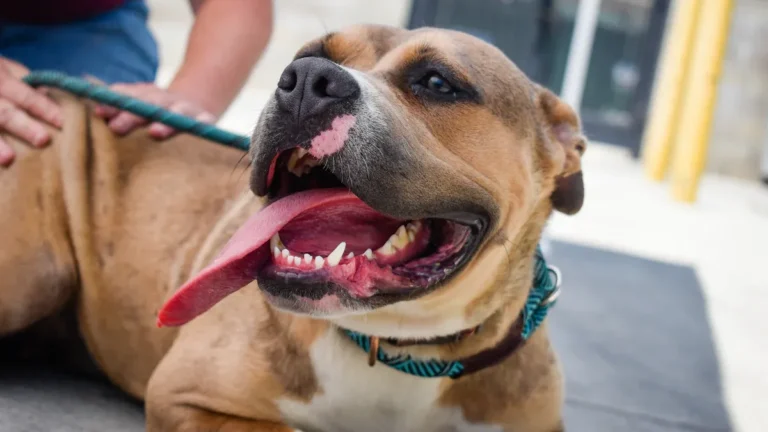

Check the mouth and throat right away for a lodged stinger or swelling, and stay calm while soothing the dog. Watch breathing, gums, vomiting, hives, or lethargy as signs of an allergic reaction and prepare to seek emergency care should breathing worsens. In case a stinger is visible, gently scrape it out with a card, then apply a cool compress to limit swelling. Keep the dog upright and quiet, call the veterinarian for clear guidance, and monitor closely for 24 to 48 hours to catch delayed problems and know what to do next.
Check the Mouth and Throat Immediately
Upon a dog being suspected of eating or being stung by a bee, start at first calmly checking the mouth and throat immediately.
The caregiver gently performs an oral inspection, looking for a lodged stinger, swelling, cuts, or unusual drooling.
They use soft light and steady hands to keep the dog relaxed.
Next comes a careful throat palpation to feel for lumps or tightness that could signal growing swelling.
Should the dog resist, one can pause, soothe, and try again in a moment.
Keep voices low and offer brief praise to build trust.
Avoid poking deeply or forcing the mouth open.
Document findings and be ready to call the veterinarian with clear details about what the oral inspection and throat palpation revealed.
Watch for Signs of an Allergic Reaction
After checking the mouth and throat, caregivers should closely watch the dog for signs of an allergic reaction, since symptoms can appear quickly or several hours later.
Observers should notice changes in breathing, face or throat swelling, vomiting, diarrhea, hives, or lethargy.
The immune response varies per dog, so one pet might show mild irritation while another develops severe signs.
Caregivers who feel part of a trusted group will want clear steps: keep the dog calm, monitor gum color and breathing, and prepare for immediate transport should breathing worsens.
Later, discuss allergy testing with a veterinarian to understand future risk and prevention.
This shared vigilance helps families protect their pets and act confidently ought problems grow.
Remove Any Visible Stinger Carefully
Initially, check the dog’s mouth, lips, and tongue right away for any visible stinger and for signs of swelling or pain.
In the event a stinger is seen, gently scrape it out with a flat card or the edge of a credit card, taking care not to pinch the venom sac.
After removal, comfort the dog, apply a cool compress to the area, and watch closely for any signs of a worsening reaction.
Check Mouth Immediately
A quiet check inside the dog’s mouth can make a big difference provided there is a chance a bee was swallowed.
The caregiver leans close and begins an oral inspection with calm hands and a soft voice to reassure the dog.
Look for swelling on the lips, under the tongue, and along the throat.
Notice tongue discoloration or pale gums as signs of distress that need prompt attention.
Should a sting be visible do not jab or squeeze it.
Keep the dog steady and limit movement while watching breathing and behavior.
This gentle check links to next steps that safely remove any remaining stinger and reduce swelling.
The scene stays calm, friendly, and confident so the dog feels supported.
Scrape Stinger Carefully
Move gently and keep the dog calm while looking for a stinger in the mouth or on the lips. The caregiver should stay close and speak softly. Use a flat card or blunt edge to perform stinger removal. Gently scrape outward, avoiding pinching the venom mechanism. In case the stinger is visible, quick scraping lowers venom release and pain. Should it not be seen, do not probe deep into tissue. Keep hands steady and enlist a friend to comfort the dog and hold still.
| Tool | Action | Caution |
|---|---|---|
| Card | Scrape outward | Do not pinch |
| Blunt edge | Sweep gently | Avoid deep probing |
| Glove | Protect handler | Calm the dog initially |
Watch for swelling or breathing changes and seek veterinary help once worried.
Apply a Cold Compress to Limit Swelling
After checking for a visible sting, a caregiver can make a simple cold pack through wrapping ice or frozen peas in a thin towel to protect the dog’s skin.
Apply the compress gently to the affected area for about 10 minutes, then remove it for 10 minutes and repeat as needed while watching for increased swelling or breathing changes.
Should swelling worsen, spread, or the dog shows signs of distress, seek veterinary care right away.
Make a Cold Pack
Once a dog has been stung in the mouth or on the face, a cold pack can help ease pain and slow swelling while a caregiver gets veterinary advice; gentle, steady application matters more than fancy materials. A caregiver can make a homemade compress by wrapping ice cubes or a gel alternative in a thin towel. This simple step calms the dog and shows care in a stressful moment. Place the pack gently against the muzzle or cheek and hold steady, checking the skin often. The shared action comforts both dog and person and keeps focus on breathing and behavior. Below is a quick comparison of simple options to build confidence and choose what fits the situation.
| Option | Materials | Observations |
|---|---|---|
| Ice cubes | Towel | Readily available |
| Frozen peas | Bag | Conforms well |
| Gel pack | Cloth wrap | Reusable, chill first |
Proper Application Time
At the moment a cold compress is used on a dog’s muzzle or cheek after a sting, timing matters as much as gentleness because the goal is to slow swelling and ease pain without causing more stress.
A calm caregiver follows simple timing guidelines and watches the dog’s comfort. Apply the compress for short bursts, about 10 minutes on then 10 minutes off. Repeat this cycle for an hour while observing the area and the dog’s behavior. These duration recommendations balance swelling control with preventing cold stress.
During breaks the caregiver speaks softly and offers reassurance. Provided swelling persists or other signs appear, it is time to seek veterinary advice. This approach helps the dog feel safe and supported during a scary moment.
Monitor for Worsening
With a cool compress gently placed against the muzzle or cheek, the caregiver begins a calm watch for any sign of worsening swelling or breathing trouble. They stay close, sharing quiet presence so the dog feels safe. They observe behavioral changes, such as increased restlessness, drooling, or hiding, and check fluid intake to confirm hydration. Should breathing sounds change or gums fade, they prepare to seek veterinary help quickly. The compress is kept on for short intervals and reapplied as needed to limit swelling while avoiding cold injury. Friends or family could help, offering steady hands and reassurance, so the caregiver is not alone during this anxious watch.
| What to watch | How to check | When to act |
|---|---|---|
| Swelling | Visual and gentle touch | Rapidly should it spread |
| Breathing | Listen and count breaths | Immediately upon noisy breathing |
| Behavior | Observe eating and drinking | If a decline happens |
Keep Your Dog Calm and Comfortable
Should the dog shows signs of pain or swelling after eating a bee, the caregiver should move calmly and speak in a soft, steady voice to lower stress and keep the airway clear.
The caregiver offers quiet reassurance and stays close, so the pet feels safe.
They place soft bedding in a calm room and dim lights to reduce stimulation.
They speak kindly, stroke gently provided welcomed, and avoid sudden movements that could raise heart rate.
They keep the dog upright and monitor breathing while minimizing activity.
They remove visitors and noisy pets to limit anxiety.
They watch gums, breathing, and behavior and observe changes.
In case the dog becomes restless or worse, the caregiver prepares to get professional help without panic.
Call Your Veterinarian for Guidance
After comforting the dog and keeping it calm, the caregiver should call the veterinarian for guidance as soon as any sign of swelling, breathing change, or unusual behavior appears.
The caregiver can speak plainly and share observations, like timing, where the dog was, and any visible sting.
This call connects the caregiver to a supportive team who wants the dog to heal and belong to a caring network.
- Describe symptoms clearly and record when they began
- Ask whether to come in, monitor at home, or use specific first aid
- Request post incident followup scheduling and instructions for watching delayed reactions
- Discuss insurance considerations and expected costs or paperwork
The vet will offer clear next steps and reassure the caregiver during a stressful time.
Seek Emergency Care for Severe Symptoms
In an emergency, quick action can make a life saving difference, and caregivers should move calmly while acting fast.
When severe signs appear after a dog eats a bee, seek emergency care without delay. Caregivers should stay with the pet, describe breathing changes, collapse, or facial swelling, and request immediate transport. The clinic might begin airway management right away and prepare emergency meds such as injectable epinephrine, antihistamines, and steroids.
While en route, keep the dog upright provided breathing is hard, and avoid giving home drugs unless instructed.
People who love their pets often feel frightened. Staff will welcome that concern and explain steps clearly. Trusting teamwork between caregiver and clinic speeds care and supports the dog throughout a frightening moment.
Monitor for Delayed or Secondary Issues
Within the next 24 to 48 hours, caregivers should watch the dog closely for delayed or secondary problems that can appear after a bee encounter. The dog might seem fine at first, yet a delayed swelling or other signs can show up as the immune response unfolds. Caregivers who belong to a pet family feel responsible and can act calmly.
- Check breathing, gum color, and energy level every few hours to catch changes promptly
- Inspect the mouth and skin for increasing redness, warmth, or pus that could mean infection
- Note appetite, vomiting, or diarrhea as possible secondary issues tied to immune response
- Keep a log of symptoms and call the veterinarian should new or worsening signs appear
This steady watching links prompt action with better results and shared caregiver support.