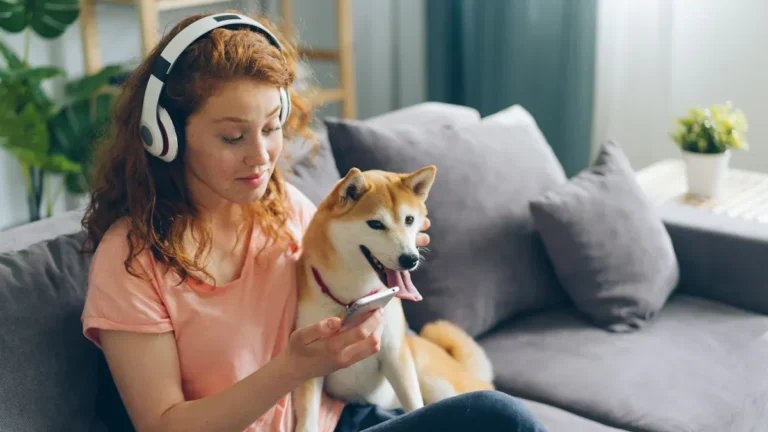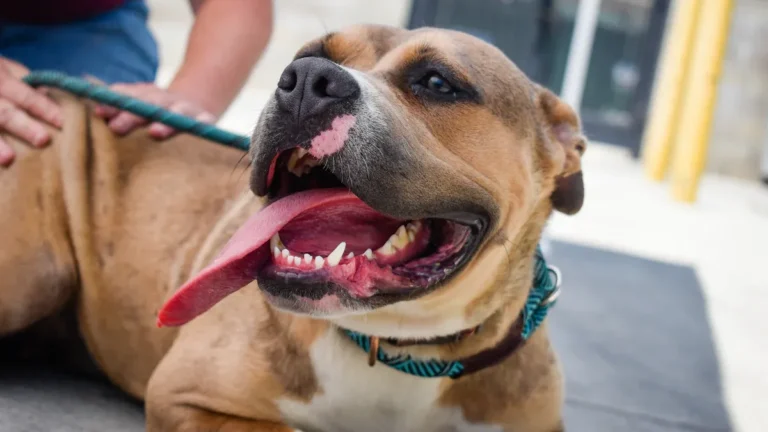

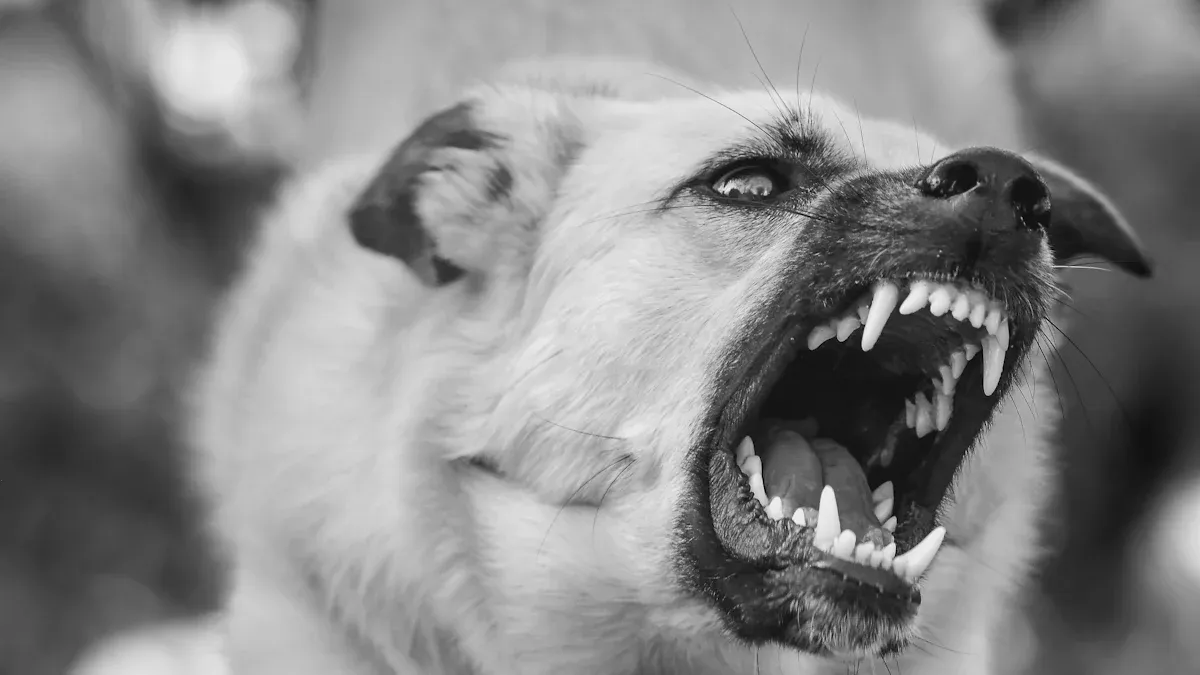
Growling is a natural way for dogs to communicate. It often reveals their emotions or needs, whether they’re feeling playful or threatened. Understanding the context behind dog growls is essential. For instance, a growl can signal discomfort or a playful invitation. Pay attention to what your dog is trying to tell you!
Study Location | Percentage of Owners Reporting Growling Behavior |
|---|---|
Canada | 41% (growled at household members) |
Canada | 20.6% (growled or snapped over food/toys) |
UK | 3% (aggression towards family members) |
Key Takeaways
Growling is a natural way for dogs to communicate their feelings and needs.
Recognize the context of a growl; it can indicate playfulness, fear, or discomfort.
Respond calmly to growling; avoid punishment to prevent increasing your dog’s anxiety.
Why Dogs Growl
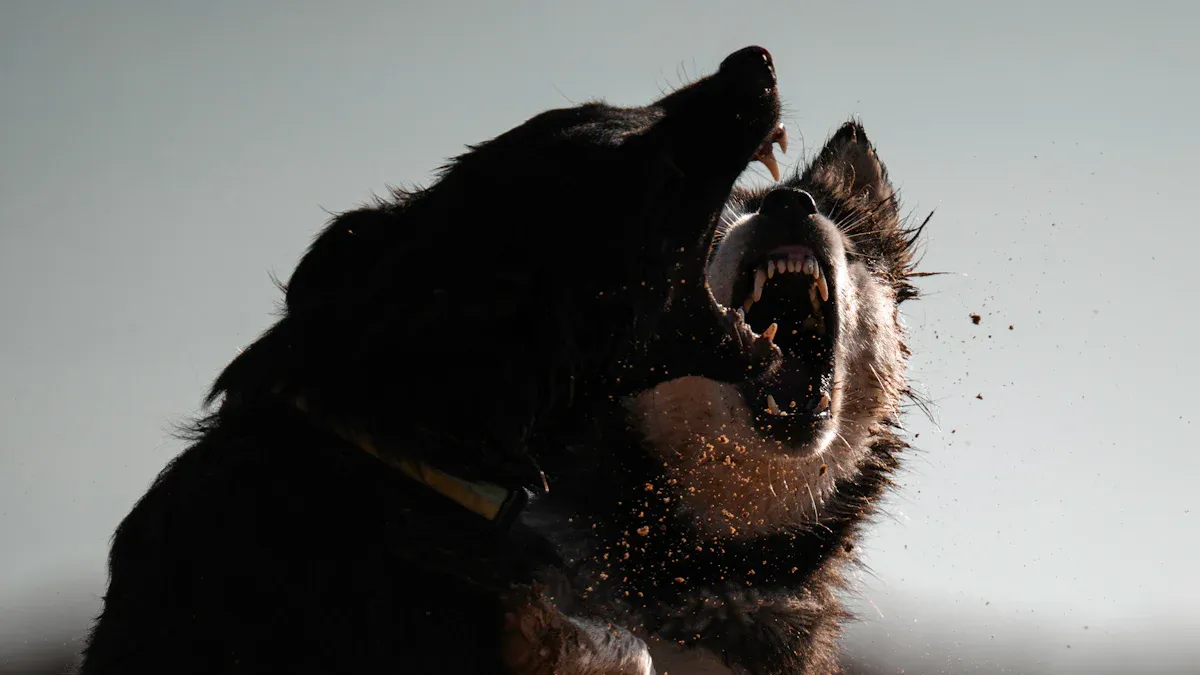
Understanding why dogs growl is crucial for any dog owner. Growling can stem from various triggers, and recognizing these can help you respond appropriately.
Common Triggers
Several factors can lead to dog growls. Here are some common triggers you might encounter:
Resource Guarding: Dogs often growl when they feel protective over their food, toys, or space. In fact, about 29.5% of dog owners report growling incidents linked to someone approaching their dog’s food bowl or attempting to take away valued items.
Fear and Anxiety: Environmental factors like loud noises or unfamiliar people can make your dog feel threatened. Research shows that fearful dogs are more likely to exhibit aggressive behaviors. For example, a study by Tiira et al. (2016) found that fearfulness is strongly associated with aggressive behavior, especially towards unfamiliar individuals.
Medical Issues: Pain or illness can also trigger growling. Studies indicate that up to 82% of dogs in referral clinics show pain-related behavioral problems, which can include growling. If your dog suddenly starts growling without an apparent reason, it might be worth consulting a veterinarian.
Study | Findings |
|---|---|
Tiira et al. (2016) | Fearfulness is strongly associated with aggressive behavior; fearful dogs exhibit more aggression towards unfamiliar people. |
Dinwoodie et al. (2019) | Dogs with fear/anxiety issues had more biting incidents and a notable link between fear and aggression. |
Salonen et al. (2020) | Aggressive dogs were over three times more likely to be fearful than non-aggressive dogs. |
Emotional Context
The emotional context surrounding a growl is just as important as the trigger. Dogs communicate their feelings through growling, and understanding these emotions can help you interpret their behavior better.
Aggression: A growl can signal a threat or agitation, often seen with dominant behaviors.
Fear: When a dog feels threatened or anxious, it may growl while cowering or tucking its tail. This response indicates that your dog is trying to communicate its discomfort.
Excitement and Play: Not all growls are negative! Dogs may growl during playful interactions, especially when their body language is relaxed and their tail is wagging. This playful growl is a way for them to engage with you.
The context of a situation can greatly influence the likelihood of a dog growling. Dogs often exhibit different behaviors based on their past experiences. For instance, if a dog has had negative encounters with strangers, it may growl when approached by someone new.
Key Findings | Description |
|---|---|
Affective Value | Dogs’ behavior is influenced by prior positive or negative social experiences. |
Context-Dependent Behavior | Dogs exhibit varying behaviors based on the emotional context of previous interactions. |
Implication for Growling | Emotional context may lead to behaviors such as growling in certain situations. |
By paying attention to these triggers and emotional cues, you can better understand your dog’s growling behavior and respond in a way that fosters trust and safety.
Types of Dog Growls
Understanding the different types of dog growls can help you respond appropriately to your furry friend. Growls can vary significantly based on the situation and the dog’s emotional state.
Playful vs. Warning
When your dog growls, it’s essential to determine whether it’s playful or a warning. Here are some key differences:
Playful Growls: These growls indicate enjoyment and a desire to keep playing. They usually have a higher pitch and come in short bursts. You’ll notice your dog’s body language is loose, often accompanied by bouncing or wrestling. Playful growls signal friendly intentions during social interactions. They’re less intense than aggressive growls and often paired with wagging tails and play bows.
Warning Growls: In contrast, warning growls signal a threat or discomfort. These growls are typically low-pitched, deep, and rumbling. Your dog’s body posture will be stiff and alert, indicating readiness to defend itself. If you notice this type of growl, it’s crucial to assess the situation carefully. Ignoring a warning growl can lead to escalation into snapping or biting, creating safety risks for both you and your dog.
Fearful Growls
Fearful growls often arise from anxiety or discomfort. When a dog feels threatened, it may growl while showing signs of fear, such as a tucked tail or pinned-back ears. Here are some common signs of fear in dogs:
Signs of Fear in Dogs | Description |
|---|---|
Ears | Directed backwards or flattened |
Posture | Lowered posture, possibly tucked tail |
Panting | Increased salivation and trembling |
Anal Glands | Emptying of the anal glands |
Appeasement Signals | Lip licking as a social signal |
Defensive Behavior | Stiffening, staring, growling, snapping, or biting when threatened |
Ignoring fearful growling can lead to ongoing emotional distress for your dog. It’s essential to create a safe environment and seek help if needed. By understanding these growls, you can foster a trusting relationship with your dog.
Responding to Dog Growls
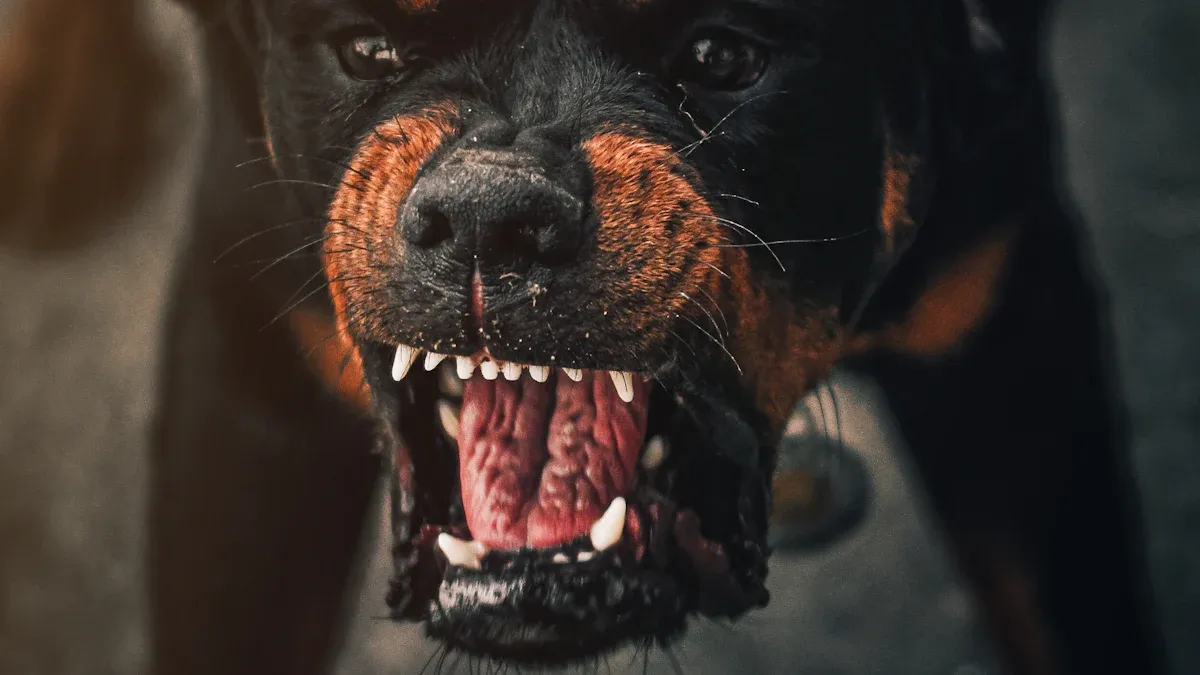
When your dog growls, it’s essential to respond appropriately to ensure safety and maintain a positive relationship. Here are some effective de-escalation techniques you can use:
De-escalation Techniques
Stay Calm and Composed: Your emotional state can influence your dog. If you remain calm, it helps de-escalate the situation. Take a deep breath and avoid showing fear or anger.
Create Distance or Remove Triggers: If your dog is growling at a specific person or object, increase the space between them. This distance can help prevent the situation from escalating further.
Identify Triggers: Pay attention to what causes your dog to growl. Understanding these triggers allows you to manage and prevent future incidents effectively.
Gradual Introductions: Slowly expose your dog to new people or situations. This gradual approach helps them adjust at their own pace, reducing anxiety and fear.
Avoid Harshness: Use gentle, positive reinforcement instead of punishment. Harsh methods can confuse your dog and lead to more aggression.
Practice Timeouts: If your dog is in a stressful situation, remove them temporarily. This timeout allows them to calm down and understand that aggression is not acceptable.
Respect Boundaries: Inform strangers about your dog’s needs. Avoid overwhelming your dog with too many interactions, especially if they seem uncomfortable.
Seek Professional Help: If growling persists, consult a certified dog trainer. They can help address the root cause of the behavior and provide tailored strategies.
Using positive reinforcement can also be effective in reducing growling behavior. For instance, teaching your dog to lie quietly in a crate when visitors arrive can replace growling with a more desirable behavior. A study by Dr. Meghan Herron found that confrontational training methods often lead to increased aggression in dogs. This highlights the benefits of positive reinforcement in managing behaviors like growling.
When to Seek Help
Sometimes, growling can indicate deeper issues that require professional intervention. Here are some circumstances when you should consider seeking help:
Circumstance | Description |
|---|---|
Fear-Based Aggression | Dogs may growl when they feel threatened or scared, often lunging or cowering. |
Territorial Aggression | Growling can occur when a dog perceives a threat to their territory, such as strangers approaching. |
Resource Guarding | Growling over food or toys indicates a dog is guarding resources, which can be dangerous in homes. |
Protective Aggression | Dogs may growl when they feel a family member is threatened, reacting strongly to perceived danger. |
Pain-Related Aggression | Dogs in pain may growl when touched, indicating hidden medical issues that require attention. |
Redirected Aggression | Growling can occur when a dog redirects frustration from one stimulus to another, often in high arousal situations. |
If you notice signs like rigid body posture, barking, or ears pinned back, these can indicate discomfort or aggression. Ignoring these signs can lead to more serious issues. Behavioral problems, including growling, can signal underlying medical conditions or emotional distress. Seeking professional help early can prevent escalation and improve your dog’s overall well-being.
Understanding your dog’s growl is vital for a healthy relationship. Here are some key takeaways:
Growling is a normal part of canine communication.
Dogs may growl for various reasons, including play and resource guarding.
Avoid punishing your dog for growling; this can increase anxiety and fear.
Always observe your dog’s behavior closely. If growling becomes a concern, connect with a certified dog trainer or behavior consultant for professional help. Your dog’s well-being depends on it! 🐾
FAQ
What should I do if my dog growls at me?
Stay calm and assess the situation. Identify triggers and give your dog space to feel safe.
Is growling always a sign of aggression?
Not necessarily! Dogs can growl playfully or out of fear. Context matters in understanding their emotions.
How can I prevent my dog from growling?
Use positive reinforcement, gradually introduce new experiences, and respect your dog’s boundaries to reduce anxiety.