

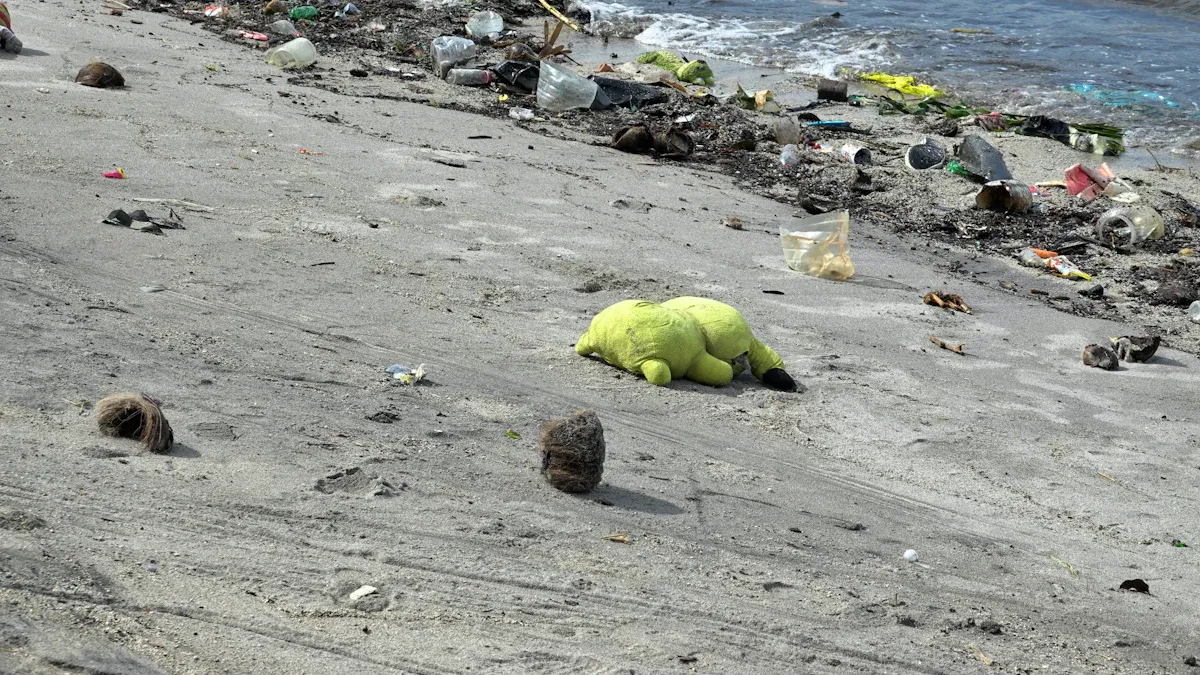
Did you know that over 1,000 sea turtles die each year due to plastic-related issues? This alarming statistic highlights the urgent need to understand how plastic ingestion impacts not only turtles but also marine ecosystems. As you learn about the health risks associated with plastic consumption, consider how these threats affect the delicate balance of ocean life. So, how much plastic do turtles actually consume each year?
Key Takeaways
Over 1,000 sea turtles die each year due to plastic pollution, highlighting the urgent need for awareness and action.
Plastic ingestion rates among turtles vary significantly, with some species consuming up to 76% plastic, indicating a serious threat to their health.
Turtles often mistake plastic for food due to their feeding behaviors, which can lead to severe health issues like gastrointestinal blockages and malnutrition.
You can help reduce plastic pollution by using alternatives to plastic products, participating in local clean-up initiatives, and educating others about the impact of plastic on marine life.
Community initiatives, such as beach clean-ups and recycling programs, play a vital role in protecting sea turtles and improving marine ecosystems.
Extent of Plastic Ingestion
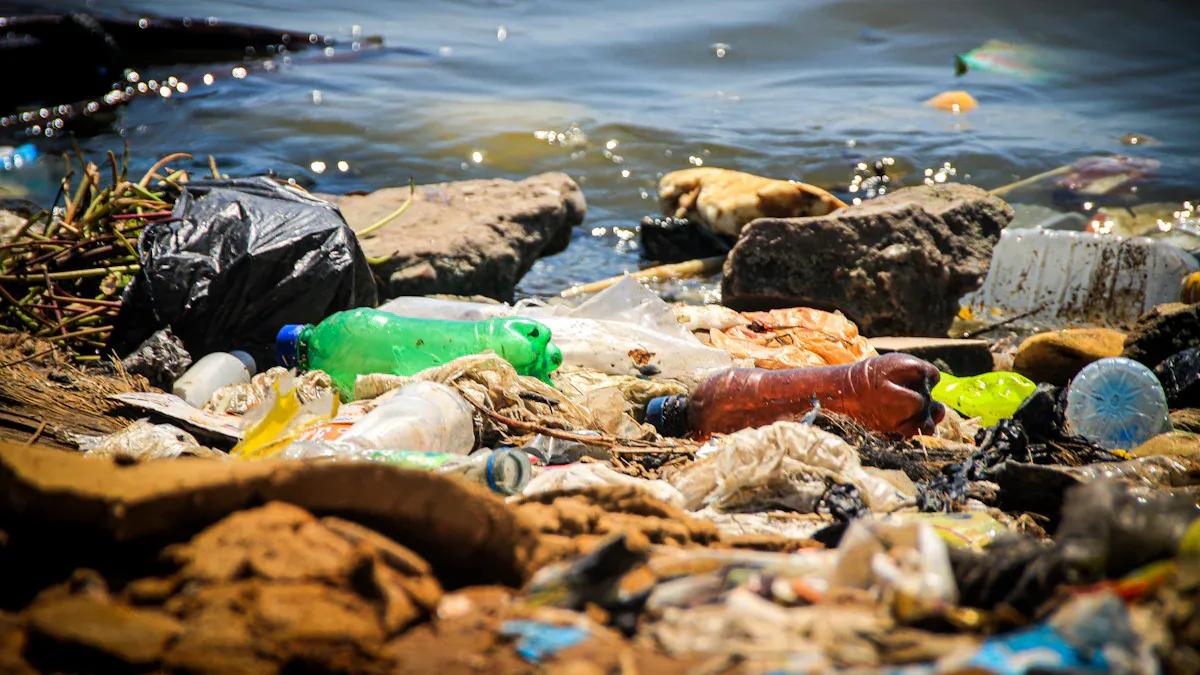
Annual Estimates of Plastic Consumption
Plastic ingestion among sea turtles has become a significant concern. Studies show that between 4% to 76% of various marine turtle species consume plastic. This wide range indicates that some populations are more affected than others. For example, specific species like the Graptemys flavimaculata have a plastic ingestion frequency of 21.6%, while Trachemys scripta elegans shows a higher rate at 32.0%. The Trachemys dorbigni species has an even more alarming rate of 40.6%.
Over the past decade, the rate of plastic ingestion by turtles has increased. The following table summarizes the changes in plastic ingestion frequency among different turtle species:
Turtle Species | Plastic Ingestion Frequency |
|---|---|
Marine turtles (varied) | 4% to 76% |
Graptemys flavimaculata | 21.6% |
Trachemys scripta elegans | 32.0% |
Trachemys dorbigni | 40.6% |
Comparison with Other Marine Species
When you compare turtles to other marine species, the statistics reveal a concerning trend. Tubenose seabirds exhibit the highest rates of plastic ingestion. Approximately 41% of analyzed seabirds have ingested plastic, averaging 9.9 particles per bird. In contrast, turtles and marine mammals have lower frequencies and quantities of ingested plastic. The frequency of plastic ingestion is significantly lower for most other species, indicating a disparity in ingestion rates among these marine megafauna.
The primary sources of plastic pollution in habitats frequented by turtles include:
Southeast Asia, identified as a major contributor to plastic pollution.
Rivers, which transport 80% of trash that reaches the seas, primarily from landfills and urban areas.
Single-use plastics, which are prevalent in marine environments and affect sea turtles at all life stages.
Understanding these statistics is crucial for addressing the plastic ingestion issue among turtles and protecting marine ecosystems.
Types of Plastic Do Turtles Eat
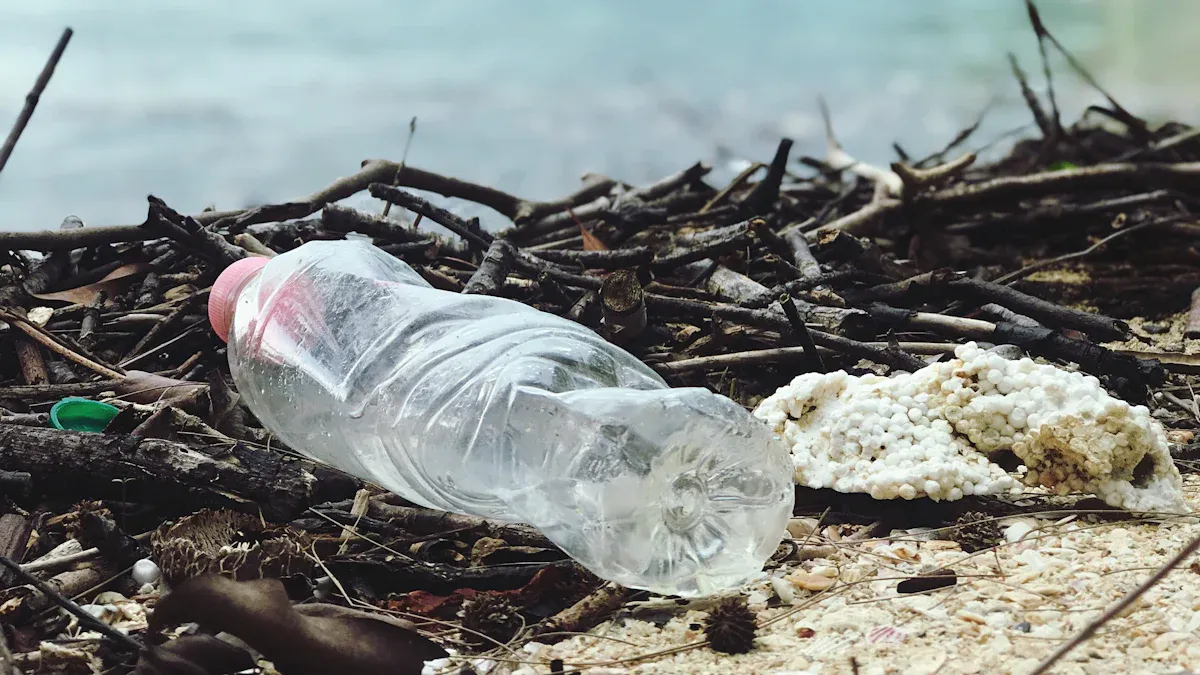
Common Plastic Items Found
Turtles often mistake plastic for food. In their digestive tracts, you can find a variety of plastic items. Studies show that green turtles frequently ingest hard plastic fragments, especially in the Pacific Ocean. In contrast, fibers from fishing gear dominate in the Indian Ocean. One alarming case involved a green turtle in the Indian Ocean that consumed 343 pieces of plastic. Another turtle in the Pacific had 144 pieces in its stomach.
The most common plastic items found in turtles include:
Single-use plastics: Items like bags and straws.
Fishing-related debris: This includes ropes and nets.
Hard plastic fragments: These can come from various sources, including bottles and containers.
The analysis of necropsy reports reveals that turtles often ingest macroplastics, monofilament fishing lines, and even metal hooks. These items can cause serious health issues as they pass through the gut.
Microplastics and Their Impact
Microplastics pose a significant threat to turtles. These tiny plastic particles can enter the bodies of turtles through the food they consume. Research indicates that microplastics can affect various organs, including the heart, kidneys, and liver. The implications for health are concerning. For instance, microplastics can lead to potential organ damage and toxicity.
Here’s a summary of how microplastics impact turtle health:
Organ Affected | Microplastics Found | Implications for Health |
|---|---|---|
Heart | Yes | Potential organ damage and toxicity |
Kidney | Yes | Potential organ damage and toxicity |
Liver | Yes | Potential organ damage and toxicity |
Reproductive Organs | Yes | Concerns regarding reproductive health and viability |
The ingestion of microplastics can lead to systemic inflammation and long-term health issues for turtles. As you can see, the types of plastic that turtles eat significantly impact their health and survival.
Reasons Turtles Eat Plastic
Mistaken Identity
Turtles often mistake plastic for food due to their feeding behaviors. Research shows that green turtles are more likely to swallow plastic that resembles their natural diet. They show a strong preference for certain types and shapes of plastic. For example, loggerhead turtles respond to the odors of ocean-soaked plastics similarly to food. This phenomenon occurs because plastics in the ocean trap microbes and algae, which release food-like odors. As a result, turtles fall into an ‘olfactory trap’ and ingest harmful materials.
“The scent on the plastic, colonized by algae and other microscopic life, smells like food, making it perilous for turtles.”
The feeding behavior of turtles also contributes to their plastic ingestion. Transparent soft plastics are the most commonly ingested debris. Video evidence shows that turtles approach drifting debris as they would gelatinous prey. This suggests a direct link between their feeding habits and the ingestion of plastic.
Turtle Species | Feeding Behavior Description |
|---|---|
Green Turtles | Mistake plastic for macroalgae due to entanglement in algal structures. |
Leatherback Turtles | Actively select plastic bags as they resemble jellyfish, their natural prey. |
Loggerhead Turtles | Ingest round plastic bottle lids, mistaking them for prey due to their shape and surface presence. |
Environmental Factors
Several environmental factors increase the likelihood of turtles ingesting plastic. The availability of mismanaged plastic waste at a regional scale plays a significant role. This waste is often measured in tons per year within hydrographic basins. Additionally, the density of plastic on beaches within a 10 km radius of the turtle’s stranding location also influences ingestion rates.
The size of the turtles, indicated by their curved carapace length (CCL), is another critical factor. Previous studies show that larger turtles may have different ingestion probabilities compared to smaller ones. Understanding these factors helps you see how environmental conditions contribute to the plastic problem faced by sea turtles.
Health Impacts of Eating Plastic
Physical Health Consequences
Plastic ingestion can lead to severe physical health issues for turtles. When turtles consume plastic, they face several risks, including:
Gastrointestinal obstruction: Large plastic pieces can block the digestive tract, causing pain and discomfort.
Lacerations and perforations: Sharp plastic fragments can cut the digestive system, leading to infections and internal bleeding.
Malnutrition: Ingested plastic can fill the stomach, making turtles feel full. This reduces their urge to eat, resulting in poor nutrition and starvation.
Immune impairment: The chemicals in plastics can weaken the immune system, making turtles more susceptible to diseases.
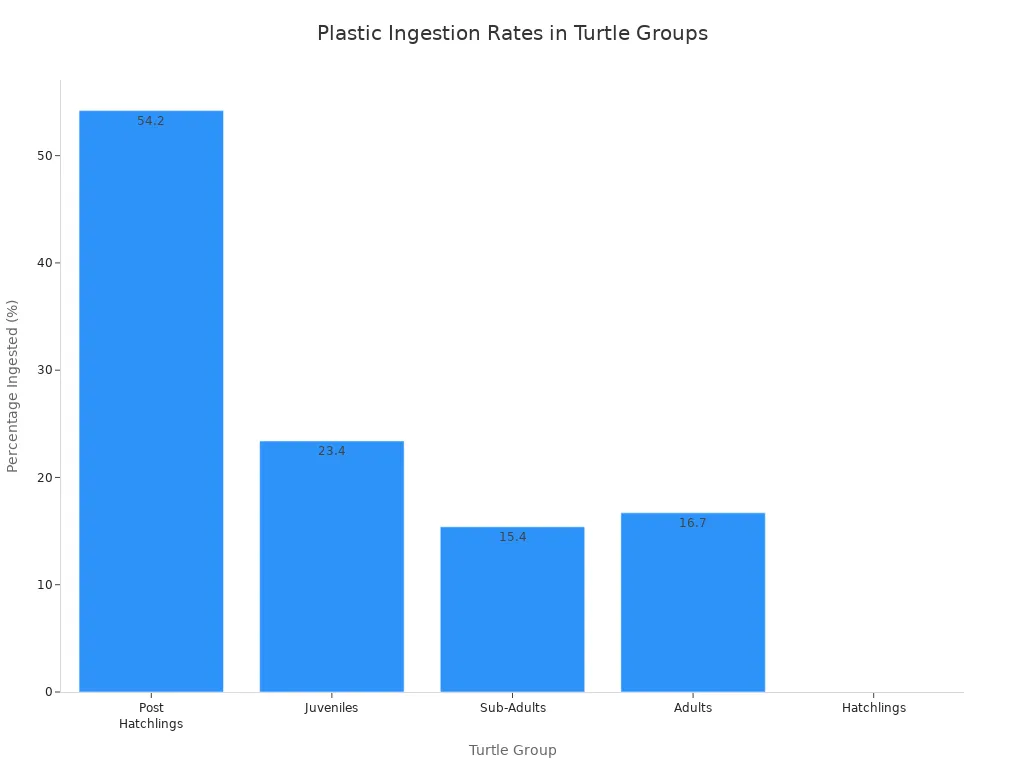
Research shows that post-hatchling sea turtles are particularly vulnerable. Ingesting plastic fragments can significantly impact their health, leading to increased mortality rates. Approximately 52% of all sea turtle individuals are estimated to have ingested debris, highlighting the widespread nature of this issue.
Long-term Effects on Populations
The long-term effects of plastic ingestion on turtle populations are alarming. As plastic pollution continues to rise, the consequences for sea turtles become more severe. Here are some key points to consider:
Decreased population numbers: Global turtle populations have noticeably decreased in recent years due to plastic pollution. For instance, plastic ingestion by green turtles increased from 32.5% in 1987-1999 to 65.5% in 2019.
Reproductive issues: Plastic ingestion can lead to physical injuries and malnutrition, which affect reproductive success. Hatchlings and juveniles are especially at risk due to their smaller digestive tracts. Large plastic debris at nesting sites can obstruct nesting females and emerging hatchlings, further impacting reproductive success.
Altered nesting environments: Microplastics can change the nesting environment, potentially affecting hatchling development and sex ratios. This alteration can lead to increased mortality rates among hatchlings.
If current trends continue, the future of turtle populations looks bleak. Environmental changes, such as rising ocean temperatures, may force turtles into high-risk maritime zones. These factors could further threaten their survival and reproductive success.
Mitigating Plastic Pollution
Individual Actions
You can take several individual actions to help reduce plastic pollution and protect sea turtles. Here are some effective steps you can implement:
Use alternatives to plastic products: Opt for items like bamboo toothbrushes and metal straws instead of single-use plastics.
Make conscious consumer choices: Choose products with minimal or no plastic packaging. This small change can significantly reduce plastic waste.
Participate in local clean-up initiatives: Join community efforts to remove plastic waste from beaches and waterways. Your involvement can make a big difference.
Educate others: Share information about the impact of plastic pollution on sea turtles with friends and family. Raising awareness is crucial for change.
These actions contribute to a cleaner environment and help protect marine life.
Community Initiatives
Community initiatives play a vital role in combating plastic pollution. Programs like the Sea Turtles & Plastic project work with local partners to clean and recycle plastic waste from critical sea turtle habitats. This initiative not only addresses the threat of plastic to turtles but also supports local economies by creating income-generating opportunities through recycling efforts.
Here are some successful community-based initiatives:
Grants for beach clean-ups: Organizations receive funding to clean sea turtle nesting beaches, ensuring safer environments for turtles.
Education and engagement: Local communities learn about conservation efforts, empowering them to take action.
Recycling programs: Plastic waste is converted into marketable goods, promoting economic benefits while reducing pollution.
In Colombia, the Proyecto Tití program teaches women practical skills to create products from plastic bags. This initiative reduces plastic waste and empowers communities to participate in wildlife conservation.
By taking individual actions and supporting community initiatives, you can help mitigate plastic pollution and protect sea turtles for future generations.
Plastic ingestion poses a severe threat to turtles, with alarming statistics revealing that nearly every species has been affected. For instance, 54.2% of post-hatchlings ingest debris, highlighting the urgent need for action. The health impacts range from gastrointestinal obstruction to malnutrition, affecting turtle populations globally.
To combat plastic pollution, collective action is essential. You can contribute by:
Supporting movements like ‘People vs. Plastics’ that promote cleaner waterways.
Participating in local clean-up initiatives to improve environmental quality.
Community participation is crucial for effective sea turtle conservation. Engaging local communities leads to better management of natural resources and healthier marine ecosystems.
By taking personal responsibility and joining community efforts, you can help protect turtles and preserve marine ecosystems for future generations.
FAQ
How many sea turtles die each year due to plastic?
Research indicates that over 1,000 sea turtles die each year from plastic-related issues. This statistic highlights the severe impact of plastic pollution on turtle populations.
What types of plastic do turtles commonly ingest?
Turtles often ingest single-use plastics, fishing debris, and hard plastic fragments. These items can cause serious health problems and affect their survival.
How does plastic ingestion affect turtle health?
Plastic ingestion can lead to gastrointestinal blockages, malnutrition, and immune impairment. These health issues can significantly reduce turtle populations over time.
What can I do to help reduce plastic pollution?
You can help by using alternatives to plastic, participating in clean-up initiatives, and educating others about the impact of plastic on marine life.
Why do turtles mistake plastic for food?
Turtles often mistake plastic for food due to their feeding behaviors. They are attracted to the odors of ocean-soaked plastics, which resemble their natural prey.
