
You’ll want gentle, low fat meals with added omega 3s and soluble fiber to lower triglycerides and protect heart, liver, and joints. Try Purina Pro Plan Veterinary EN for easy digestion, a low fat adult formula, plus Vetoquinol Omega 3 fish oil capsules for EPA and DHA. For small pets use the Vetoquinol small capsule option. Consider an MCT source like organic coconut oil in small amounts and add potassium support in case kidneys need help. Keep vet monitoring and you’ll learn more.
| Vetoquinol Omega-3 Fish Oil for Large Dogs (250ct) |
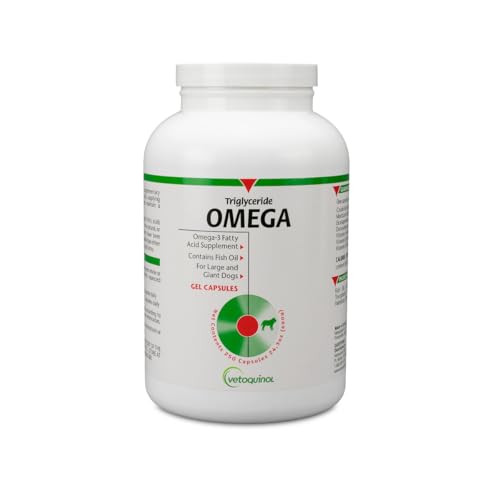
| Heart & Joint Support | Intended Species: Dogs (large/giant breeds) | Purpose / Health Focus: Omega‑3 supplementation (skin, coat, heart, kidney, joints, immune) | Administration Form: Oral capsules | VIEW LATEST PRICE | Read Our Analysis |
| Vetoquinol Omega-3 Fish Oil Supplement for Dogs & Cats |
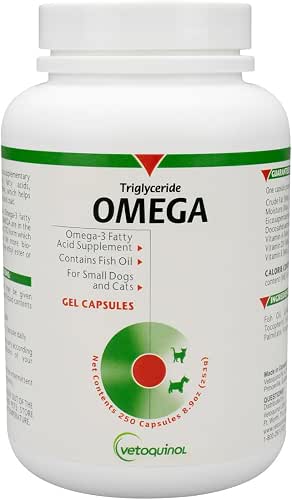
| Small-Pet Formula | Intended Species: Dogs and cats (dogs up to 30 lbs) | Purpose / Health Focus: Omega‑3 supplementation (skin, coat, heart, kidney, joints, immune) | Administration Form: Oral capsules | VIEW LATEST PRICE | Read Our Analysis |
| Vetoquinol Renal K+ Potassium Supplement Powder for Pets |

| Kidney Support Specialist | Intended Species: Dogs and cats | Purpose / Health Focus: Renal/kidney support and potassium repletion | Administration Form: Oral powder or gel | VIEW LATEST PRICE | Read Our Analysis |
| Purina Pro Plan Veterinary EN Gastroenteric Wet Dog Food |

| Digestive Management | Intended Species: Dogs | Purpose / Health Focus: Gastrointestinal/digestive support | Administration Form: Canned wet food | VIEW LATEST PRICE | Read Our Analysis |
| Organic Virgin Coconut Oil for Dogs – 16 oz |

| Natural Fat Alternative | Intended Species: Dogs | Purpose / Health Focus: General health superfood (digestive, immune, cardiovascular, skin/coat) | Administration Form: Edible oil (jar for oral/topical use) | VIEW LATEST PRICE | Read Our Analysis |
More Details on Our Top Picks
Vetoquinol Omega-3 Fish Oil for Large Dogs (250ct)
In case your large dog has high triglycerides or needs heart and joint support, Vetoquinol Triglyceride Omega 3 for Large Dogs is made to step in and help. You’ll find 250 triglyceride-form capsules made from wild-caught Atlantic sardines, mackerel, and anchovies that deliver EPA and DHA. You can give one capsule daily for 60 to 80 pound dogs and two in the event they’re heavier. Feed whole or puncture and squeeze onto food. This supplement also supplies vitamins A, D3, and E to support skin, coat, kidneys, heart, joints, and immune health while you work with your vet.
- Intended Species:Dogs (large/giant breeds)
- Purpose / Health Focus:Omega‑3 supplementation (skin, coat, heart, kidney, joints, immune)
- Administration Form:Oral capsules
- Key Active Nutrient Type:Omega‑3 fatty acids (EPA/DHA) + vitamins A, D3, E
- Directions / Feeding Guidance:Oral; capsules whole or punctured; 1–2 capsules daily by weight; consult veterinarian
- Storage / Handling:Store at room‑controlled temperature
- Additional Feature:Wild-caught Atlantic source
- Additional Feature:Triglyceride molecular form
- Additional Feature:Includes vitamins A/D3/E
Vetoquinol Omega-3 Fish Oil Supplement for Dogs & Cats
Should your dog or cat often struggles with skin issues or has been diagnosed with high triglycerides, the Vetoquinol Triglyceride Omega 3 supplement is a strong, easy option to contemplate. You’ll find 250 triglyceride fish oil capsules made for pets up to 30 pounds. They contain wild caught Atlantic oils from sardines, mackerel, anchovies plus EPA, DHA and vitamins A, D3, E. You can give a capsule whole or squeeze it onto food. Use one daily for cats and small dogs and consult your veterinarian initially. The oil supports skin, heart, joints and immune health while fitting into daily care.
- Intended Species:Dogs and cats (dogs up to 30 lbs)
- Purpose / Health Focus:Omega‑3 supplementation (skin, coat, heart, kidney, joints, immune)
- Administration Form:Oral capsules
- Key Active Nutrient Type:Omega‑3 fatty acids (EPA/DHA) + vitamins A, D3, E
- Directions / Feeding Guidance:Oral; capsules whole or punctured; 1 capsule daily for cats/dogs 10–30 lb; consult veterinarian
- Storage / Handling:Store at room‑controlled temperature
- Additional Feature:Multi-species labeling (dogs/cats)
- Additional Feature:Single-capsule daily dosing
- Additional Feature:Triglyceride molecular form
Vetoquinol Renal K+ Potassium Supplement Powder for Pets
In case your dog or cat needs extra kidney support or shows low potassium, Vetoquinol Renal K+ gives you a simple, reliable way to help restore balance. You’ll find a 3.5 oz powder made through Vetoquinol USA that supplies potassium gluconate plus B‑complex vitamins to support kidneys, muscles, and nerves. It’s palatable and comes also as a maple gel should you need easier dosing. Use it alongside therapeutic renal diets and follow your veterinarian’s directions. Store it in a cool, dry place. Many pet owners report positive results, and the product has strong aggregate reviews.
- Intended Species:Dogs and cats
- Purpose / Health Focus:Renal/kidney support and potassium repletion
- Administration Form:Oral powder or gel
- Key Active Nutrient Type:Potassium (potassium gluconate) + B‑complex vitamins
- Directions / Feeding Guidance:Oral powder/gel; follow veterinary guidance and can be used with renal diets
- Storage / Handling:Store in a cool, dry place
- Additional Feature:Potassium gluconate formulation
- Additional Feature:Contains B‑complex vitamins
- Additional Feature:Available maple-flavored gel
Purina Pro Plan Veterinary EN Gastroenteric Wet Dog Food
Provided that your dog needs gentle digestive support while you manage high triglycerides, Purina Pro Plan Veterinary EN Gastroenteric wet food is a strong option to contemplate. You’ll appreciate its high digestibility that helps your dog absorb nutrients without stressing the gut. It includes prebiotic fiber to support healthy intestinal bacteria, and contains medium chain triglyceride oil from vegetable or coconut sources for gentle energy. Antioxidants help cellular and immune health while the canned format and great taste make medicine time easier. You can pair this food with veterinary guidance to balance triglycerides while protecting digestion and overall wellbeing.
- Intended Species:Dogs
- Purpose / Health Focus:Gastrointestinal/digestive support
- Administration Form:Canned wet food
- Key Active Nutrient Type:Medium‑chain triglycerides (MCTs) + prebiotic fiber + antioxidants
- Directions / Feeding Guidance:Feed as therapeutic wet food per veterinary diet instructions (veterinary formula)
- Storage / Handling:Standard canned pet food storage (per label; refrigerated after opening)
- Additional Feature:High total digestibility
- Additional Feature:Contains prebiotic fiber
- Additional Feature:Medium-chain triglyceride source
Organic Virgin Coconut Oil for Dogs – 16 oz
Should your dog needs gentle support for heart and digestive health, reach for a certified organic virgin coconut oil that’s made just for pets and sized right at 16 ounces. You’ll find Zesty Paws Coconut Oil for Dogs is a superfood supplement from Zenwise Health. You can add 1 teaspoon per 10 lbs to food, starting at a quarter dose for new dogs and increasing over 2 to 3 weeks. It supplies fatty acids that help cardiovascular, immune, digestive, skin, paw, and coat health. You can also massage it into skin and paws daily. The jar is tidy and easy to store.
- Intended Species:Dogs
- Purpose / Health Focus:General health superfood (digestive, immune, cardiovascular, skin/coat)
- Administration Form:Edible oil (jar for oral/topical use)
- Key Active Nutrient Type:Medium‑chain fatty acids (MCTs) from virgin coconut oil
- Directions / Feeding Guidance:Oral (dose by tsp per 10 lb) and topical use; start low and increase; follow instructions
- Storage / Handling:Store at room temperature (typical for jarred coconut oil)
- Additional Feature:Certified organic virgin oil
- Additional Feature:Internal and topical use
- Additional Feature:Gradual introduction recommended
Factors to Consider When Choosing Dog Foods For High Triglycerides
When you pick a food for a dog with high triglycerides, focus initially on the quality and source of fats and on getting enough omega-3s to help lower inflammation. Also watch the total fat level, choose low-glycemic carbohydrates, and look for soluble fiber that helps bind and remove excess fats. I know it feels like a lot, but considering these points together will help you choose a kinder, more effective diet for your dog.
Fat Source Quality
Pick fats carefully and you’ll help lower your dog’s triglycerides while protecting their whole body. You want fats rich in marine-derived omega-3s, EPA and DHA, because they lower triglycerides and calm inflammation more than omega-6s or saturated fats. Also avoid or limit saturated and trans fats from animal fat and hydrogenated oils since they enhance liver triglyceride production. Look for EPA and DHA in natural triglyceride or re-esterified triglyceride form for better absorption instead of ethyl esters. Balance the total fat amount with a higher omega-3 to omega-6 ratio so each calorie delivers meaningful EPA plus DHA. Finally check for vitamin E and antioxidant protection to prevent oxidation of polyunsaturated fats, which can worsen metabolic stress.
Omega-3 Content
You’ve already learned how the type and quality of fat matters for lowering triglycerides, and now we’ll focus on the omega-3 piece of the puzzle. Whenever you choose a food, look for EPA and DHA amounts, not just vague omega-3 claims. EPA and DHA from fish oil cut triglyceride production in the liver and enhance fat burning, so they work better than plant ALA. Clinical benefit usually requires high doses, often 1 to 4 grams combined EPA plus DHA per 1000 kcal, or a vet-adjusted equivalent per weight. Talk with your veterinarian about dosing because your dog’s size, calories, baseline triglycerides, and meds alter the plan. After you start supplementation, recheck blood lipids at 4 to 12 weeks and adjust as needed.
Total Fat Level
Often you’ll want to lower total fat in your dog’s food to help bring triglycerides down, but you also need to do it carefully so your pet stays healthy and comfortable. Aim for moderate to low fat, roughly 12 to 15 percent on a dry matter basis, and check labels after converting from as fed so you compare accurately. Balance fat reduction with enough calories to avoid unintended weight loss or excess, since too many calories raise triglycerides. Keep essential fatty acids like linoleic acid at recommended minimums to prevent deficiency. Cut fat gradually over 7 to 14 days to avoid GI upset and watch triglyceride tests as you adjust. Talk with your vet while making steady, gentle changes.
Carbohydrate Type
Having lowered total fat, you’ll want to pay close attention to the types of carbohydrates in your dog’s food because carbs directly affect blood sugar and insulin, which in turn influence triglyceride production. Choose low-glycemic, complex carbs like whole grains, legumes, and non-starchy vegetables. They raise glucose and insulin slowly, so the liver makes fewer triglycerides. You can also favor recipes with lower total carbohydrate and more lean protein to reduce the raw materials for fat creation. Portion control matters because even low-glycemic carbs add calories and can raise triglycerides in the event that you overfeed. Include sources that slow absorption, such as soluble fiber, to blunt spikes after meals. Collaborate with your vet to adjust carbs, calories, and feeding amounts for your dog.
Fiber For Fat Binding
Whenever you pick a dog food to help lower triglycerides, soluble fiber should be near the top of your checklist because it can bind fat and bile acids in the gut and cut how much fat gets absorbed. Choose foods with psyllium, oat beta glucans, or guar gum so meals blunt postprandial triglyceride spikes. Aim for about 5 to 10 percent total fiber on a dry matter basis with a good soluble portion, but check with your vet for your dog’s needs. Increase fiber slowly over 7 to 14 days to avoid gas, bloating, or loose stools. Watch weight, stool quality, and blood triglycerides since too much fiber can reduce calorie or medication uptake.
Calorie Density Control
You already looked at fiber because it helps trap fat in the gut and blunt triglyceride spikes, and that same goal continues as you pick a food with the right calorie density. Choose formulas with lower kcal per cup or can so your dog can eat satisfying volumes while you cut total energy about 10 to 20 percent for weight loss. Prefer moderate to low fat levels, often under 10 to 12 percent as fed, combined with lean protein and complex carbs or soluble fiber for fullness. Weigh portions with a kitchen scale or calibrated cup and work with your vet to set daily kcal targets. Track body condition and fasting triglycerides, then tweak calorie density or portion size until you hit target weight and lipid numbers.
Added Antioxidants
Because oxidative stress can worsen high triglycerides and harm blood vessels and the liver, choosing a diet with added antioxidants gives your dog a real advantage. Look for vitamin E, vitamin C, selenium, and carotenoids listed on the label. These nutrients help limit free-radical damage that fuels inflammation and lipoprotein oxidation. Studies show that antioxidant-fortified diets plus fat-modified feeding improve lipid numbers more than low-fat alone, so you’ll want both. Check that levels suit long-term use; vitamin E in pet foods is measured per kg of feed, not a one-time human-sized dose. Antioxidants also pair well with omega-3s and other metabolic steps, so plan treatments with your veterinarian. That way you protect vessels and liver while tackling triglycerides.
Veterinary Prescription Options
When choosing a veterinary prescription diet for a dog with high triglycerides, consider it as a medical tool you and your vet will customize together. You’ll want formulas low in simple carbs and added sugars, with controlled total fat to reduce liver triglyceride production. Many options enhance medium chain triglycerides and add omega-3 EPA and DHA to help clear blood fats. Look for higher soluble fiber and complex carbs to slow glucose absorption and blunt postmeal triglyceride spikes. Your vet might guide a gradual diet change and order fasting triglyceride tests every 4 to 12 weeks to track progress and adjust the plan. Should your dog have obesity, hypothyroidism, diabetes, or pancreatitis, expect combined medical treatment, weight targets, and a personalized feeding strategy.