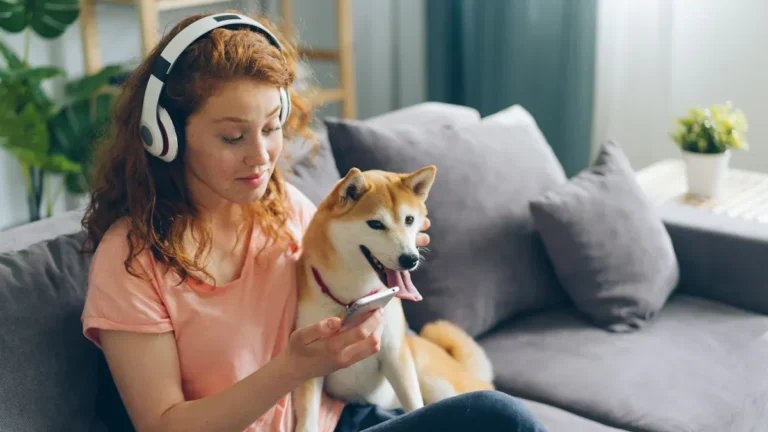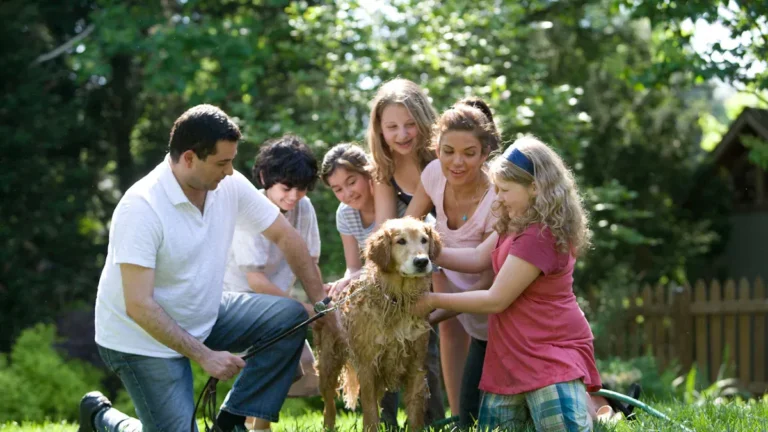

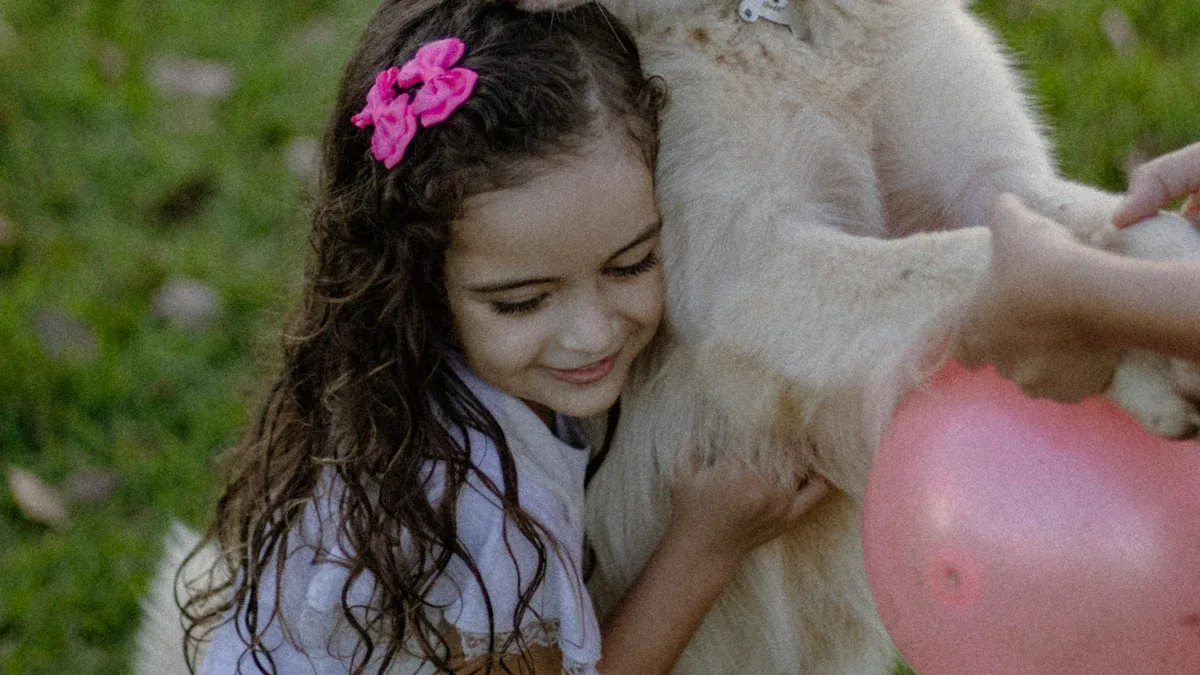
Welcoming dogs into your family brings immense joy to many families. Indeed, 56% of American households include dogs. Yet, integrating new dogs, especially with children, presents unique challenges for families. You might rush introductions or misunderstand a dog’s stress signals. Children often lack gentle interaction with dogs. Choosing the right dog breed is crucial for a harmonious, safe family home. The best dogs for families possess specific traits.
This guide helps you find the best family dogs, focusing on 15 best dog breeds for kids. We examine temperament, energy levels, and training. This helps you find the best family dogs for your kids, ensuring safe interactions between dogs and children. Discover the best dog breeds for kids here. These dogs are truly the best family dogs for all families and children. Your children will love these dogs, and your kids will love these dogs.
Key Takeaways
Choose a dog with a calm and patient personality. This helps the dog get along well with children.
Match the dog’s energy level to your family’s lifestyle. Active families need active dogs, while less active families need calmer dogs.
Train your dog well and teach children how to interact gently. This makes sure everyone stays safe and happy.
Always watch children and dogs when they are together. This prevents accidents and helps them build good relationships.
Create safe spaces for both your dog and your child. This gives them places to rest and feel secure.
What Makes a Dog Family-Friendly
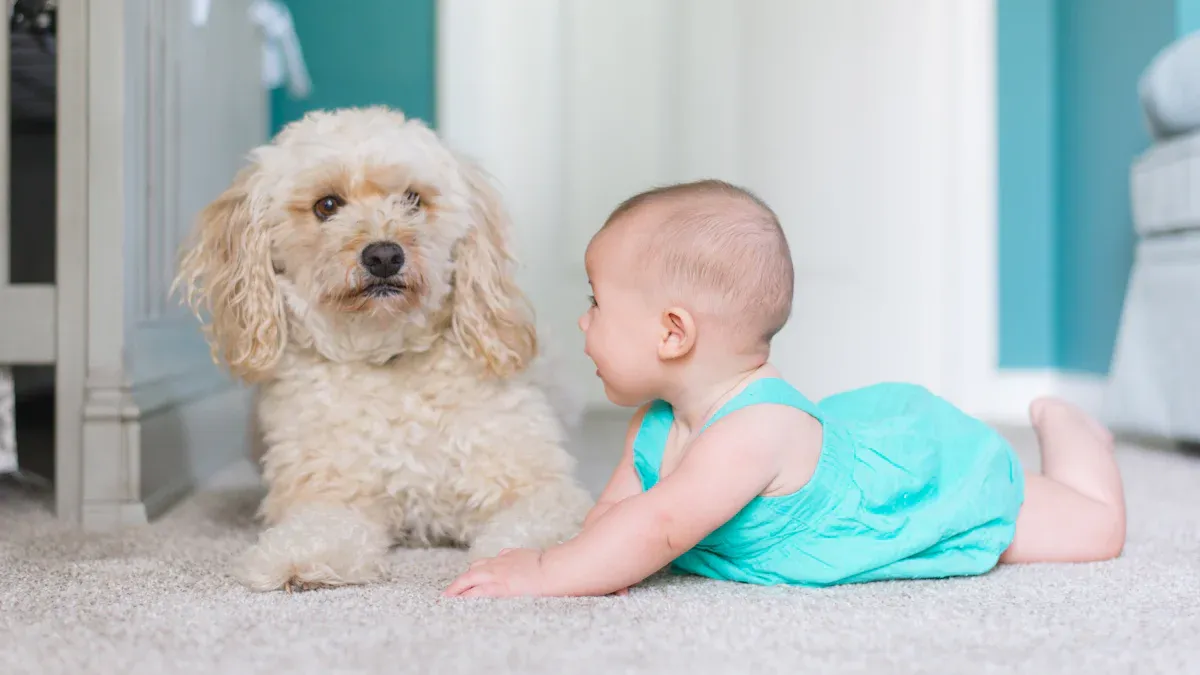
Choosing the best family dogs involves more than just looks. You need to consider several key traits. These traits ensure your new companion fits perfectly into your family and creates a safe environment for your children.
Ideal Temperament for Child-Friendly Dogs
A dog’s temperament is crucial for child-friendly dogs. You want a dog that is friendly and patient. Look for dogs with high extraversion, meaning they are energetic and outgoing. They should also show high motivation and training focus, making them responsive during training. Amicability, or being friendly and sociable, is also very important.
You want a dog with low neuroticism, meaning they are not overly nervous. Patience is a key trait for dogs around children. Children can be very energetic. Dogs with a calm nature and tolerance, plus gentle, protective instincts, make ideal companions for kids. For example, Golden Retrievers are known for being friendly, patient, and gentle. They are among the best family dogs.
Matching Energy Levels to Family Lifestyle
Your family’s energy level should match your dog’s. Some child-friendly dogs are very energetic. They need lots of play. Other dogs are happy with naps. If you have young children, you prefer happy, gentle, and patient dogs. Excitable dogs might frighten young children. Older children can handle a more excitable dog. The best family dogs balance energetic play with calm moments. They can join weekend adventures and also relax during movie nights. This ensures the dog’s activity level aligns with your family’s rhythm.
Trainability and Intelligence for Good Manners
Trainability and intelligence are vital for good manners. Smart dogs learn commands quickly. This helps them behave well around children. Breeds like Border Collies and Poodles are very intelligent. They respond quickly to training cues. German Shepherds and Labrador Retrievers are also super smart. They have a long history of working with humans. These dogs are quick to learn and adapt. They become the best family dogs when you invest in their training.
Size and Strength Considerations with Kids
Consider a dog’s size and strength, especially with kids. A large, strong dog might accidentally knock over a small child. Smaller dogs might be more delicate and require careful handling from children. You need a dog that can interact safely with your children without causing harm.
Grooming Needs and Family Time
Think about grooming needs. Some dogs require daily brushing. Others need professional grooming. High-maintenance grooming can take away from family time. Choose a dog whose grooming needs fit your family’s schedule. This helps you spend more quality time with your new best family dogs.
Top 15 Family Dog Breeds
You want to find the perfect canine companion for your home. This section introduces you to 15 excellent family dog breeds. Each breed offers unique qualities that make them wonderful additions to families.
Labrador Retriever
Labrador Retrievers consistently rank among the best family dogs. They are known for their friendly, outgoing nature. You will find them patient, playful, and protective, making them wonderful companions for children. Labs typically form strong bonds with their human family members. They enjoy participating in all your family activities. However, you must supervise interactions between Labs and very young children. This prevents accidental knocks or overly rough play.
Labs have a short, dense coat. It sheds year-round, with heavier shedding in spring and fall. Regular brushing, at least once a week, helps manage shedding and maintains coat health. You also need to provide regular dental care to prevent health issues. Nail trimming is essential to prevent problems. Routine ear cleaning helps prevent infections and other health concerns.
Golden Retriever
Golden Retrievers are another top choice for families. They possess a gentle and tolerant temperament. These dogs are intelligent, eager to please, and highly trainable. You will find them patient and affectionate with children of all ages. Golden Retrievers love to play. They enjoy being part of all family activities. Their calm demeanor makes them one of the best dog breeds for kids. They adapt well to various living situations, provided they receive enough exercise and mental stimulation.
Beagle
Beagles are generally excellent companions for children. They exhibit watchful and protective behaviors towards them. These dogs are very active and eager to play and run with your family. They possess a good amount of energy, typical of hound dogs. Beagles are loyal. They enjoy relaxing with the household, such as watching TV or accompanying you on errands.
Training Beagle puppies requires understanding their unique motivation. They learn quickly but prioritize fascinating scents over commands. You achieve success by working with their natural instincts. Use high-value rewards and keep sessions short.
Commands like ‘leave it’ are crucial due to their scavenging instincts. These instincts lead them to investigate and potentially consume anything with an interesting scent, including dangerous items or household objects. You must puppy-proof your home. Secure food, cleaning supplies, electrical cords, and small items. Use baby gates to restrict access to certain areas.
Command | Start Age | Training Frequency | Success Marker |
|---|---|---|---|
Name Recognition | 8 weeks | Throughout day | Turns head when called |
Sit | 8-10 weeks | 3-4 sessions, 5 min each | Sits on command 8/10 times |
Come | 10-12 weeks | Multiple times daily | Responds in low-distraction areas |
Stay | 12-14 weeks | 2-3 sessions daily | Holds position for 10 seconds |
Leave It | 12-16 weeks | During meals/walks | Stops investigating on command |
You should consider training your Beagle when bringing a new puppy home. Also, train them when an infant or new family member joins the household. Training helps your Beagle interact well with other people and dogs. This ensures proper behavior and self-control in various situations.
Bulldog
Bulldogs are adorably stubborn, easy-going, and incredibly loyal. They can be a perfect addition to a family looking for a laid-back companion. They will shower you with love. After generations of selective breeding, Bulldogs are now calm, even lazy dogs. They serve as four-legged companions. They typically display a friendly temperament. They can make great family dogs, though you need to understand their specific needs.
Bulldogs are susceptible to breathing difficulties, hip and elbow dysplasia, heart conditions, and skin issues. This is due to their unique body and face structure. Regular vet visits and conscientious care are necessary. You should be prepared for potential medical expenses and ongoing care. Their facial structure leads to significant drooling, especially after eating, drinking, or exercising. They are known for loud snoring due to their brachycephalic nature. Bulldogs cannot tolerate much exercise, especially in hot weather, due to overheating risk. You need to monitor their physical activity closely. Their wrinkles require regular cleaning to prevent skin infections. They are prone to skin allergies. Bulldogs love to eat and are not very active. This leads to quick weight gain and obesity, which exacerbates other health problems. A careful diet is crucial.
Poodle (Standard & Miniature)
Poodles are intelligent, energetic, and can be challenging if you do not keep them busy. This can potentially lead to destructive behaviors. Poodles are known for their sense of humor and playfulness. They generally get along well with other pets and children.
Standard Poodles are the most obedient. They are shyer than smaller versions and like to have a job. Miniature Poodles are the most active of the three sizes. They are probably the best if small kids are around. Miniature Poodles are active, energetic, and intelligent.
They require lots of exercise and playtime to burn off energy and keep their minds engaged. They are social, fast learners, eager to please, and generally get along well with children and other pets. Miniature Poodles can be adventurous. They enjoy activities like hikes, long walks, and swimming. Both sizes are among the best dog breeds for kids.
Irish Setter
Irish Setters are very energetic. They require a significant amount of exercise, specifically around 40 minutes per day. They retain their hunting instincts. This necessitates ample activity to be content and good family companions. They excel in dog sports like obedience and hunt tests. This indicates their high energy and intelligence.
Irish Setters are a high-energy breed. This makes them an excellent match for active families. They thrive in larger homes with gardens or yards where they can run. Apartment living is less suitable for them. They need a substantial amount of exercise, ideally two hours or more daily, involving running and playing. This breed is highly social.
They require active engagement from their owners, especially for play and exercise. While young dogs get excited easily, you must not over-exercise them beyond the recommended two hours.
You should check their coat daily for debris or foxtails. Brush the coat two or three times a week. Grooming should be consistent, even if quick. Brush the coat at least twice a week with a soft brush or long-toothed metal comb to prevent knots and tangles. Bathe them occasionally with gentle dog shampoo to maintain coat and skin health. Trim their nails once a month. Trim the coat every few months to keep it healthy. Trim hair under the ears and between paw pads to keep things neat, as their coat easily collects dirt.
Collie
Collies are naturally protective of their families, including children. This stems from their history as herding dogs. They are generally gentle and affectionate with children. Their protective nature is a key reason they make great family pets. They are vigilant and alert when protecting their people.
One owner recounts their Collie’s behavior with six children:
“He keeps them all together when out walking, by gently moving around the outside of them and herding them into a group. He makes a noise if someone in the group lags behind too far. He is gentle as can be at home, but very alert when out. His favourite place to be is with the children and he would give his life for them.”
Collies possess keen senses and remain vigilant. This makes them effective at noticing unusual activity or threats.
They will bark when perceiving a threat or when their family is in danger, acting as a deterrent. Though not aggressive, Collies are willing to physically shield family members from perceived threats. Their herding instincts may lead them to herd family members away from danger or keep them close together. This behavior is rooted in their herding dog origins. Collies can sense environmental changes and subtle cues. They alert owners to potential dangers before they escalate. These traits make them excellent family dog breeds.
Newfoundland
Newfoundland dogs are characterized by a “sweetness of temperament.” They are frequently referred to as “the nanny dog.” This indicates their suitability for families with children. Newfies thrive when they are with their human families. They do not do well when left alone for extended periods. Not all Newfoundlands are inherently gentle from birth. This trait may take several years to fully develop. These gentle giants are among the best family dogs.
Bichon Frise
Bichon Frises are known for their affectionate, friendly, and cheerful disposition. This makes them ideal companion dogs. They form strong bonds with their owners and thrive on quality time with their families. Their social nature makes them excellent additions to households with children and other pets. They are gentle and patient playmates.
They are intelligent and trainable. They respond well to positive reinforcement, though consistency is needed due to occasional stubbornness. Early socialization is important to prevent shyness. While adaptable to various living situations, they have moderate energy levels. They require daily walks and mental stimulation. They can develop separation anxiety if left alone for extended periods. This highlights their need for companionship.
Bichon Frises are loving family dogs. They are affectionate and social, showing equal fondness for all family members. They enjoy being part of family activities. They are gentle pets, suitable for families of all sizes, including those with children or elderly individuals.
Their hair grows continuously and sheds minimally. Any loose hair typically catches in their curly coat rather than on furniture. This characteristic, combined with their clean nature, simplifies their care in home settings. Bichon Frises have moderate energy levels. These are well-suited for indoor living. They enjoy playtime and short walks but do not require excessive exercise. Their balanced energy prevents destructive behaviors often associated with boredom or inactivity. They are content to relax after play.
Bichon Frises generally do well with children. This is provided the children treat them with care and the dog is properly socialized. They are sturdier than many small breeds, making them a good family choice. However, you should avoid rough play. They are often a good match for households that include other dogs, cats, and various pets. Bichons are wonderful indoor companions.
They adapt well to apartment living. They are well-behaved when trained, though housebreaking can sometimes be challenging. They can suffer from separation anxiety if left alone for extended periods.
Bichon Frises require significant grooming to maintain their health and appearance. This includes regular brushing, ideally several times a week. Use a slicker brush and metal comb to prevent matting and tangling of their distinctive hypoallergenic coat. Professional grooming is recommended every four to six weeks to trim and shape their coat. This preserves their ‘powder puff’ look. Regular bathing, every three to four weeks, is also essential. Additionally, nail trimming every three to four weeks, routine ear cleaning with a gentle cleaner, and dental care, such as brushing teeth two to three times a week and regular veterinary checkups, are crucial for their overall well-being.
Vizsla
Vizslas are high-energy dogs. A 13-month-old Vizsla, for example, required 60 minutes of running per day, totaling about 90 minutes outside daily. This was in addition to constant owner attention. Vizslas benefit greatly from off-leash exploration in natural settings like fields, grass, or woods. This simulates their bred purpose as versatile hunting companions. Vizslas need to run. They benefit from regular trips to a dog park, at least every other day.
A 1-year-old Vizsla needs at least 30 minutes to an hour of exercise daily. This includes morning and afternoon walks, and off-leash activities like ball chasing. Dog park visits every 2-3 days are also recommended for socialization and intense runs. Exercise needs vary with the dog’s age and conditioning. Younger Vizslas have ‘undisciplined energy,’ while older, well-conditioned dogs can sustain longer activities. An adult Vizsla in good shape can easily exercise for 3-6 hours on a cool day.
They often run three miles for every one mile you walk. These active dogs are great for families who love the outdoors.
Cavalier King Charles Spaniel
Cavalier King Charles Spaniels are widely considered one of the best dog breeds for kids. This is due to their affectionate, gentle, and sociable nature. They make ideal companions for kids of all ages. However, because they are a small breed, you must be cautious with very young children. This prevents accidental injury during play. It is crucial to teach children to be gentle and respectful towards the dog.
Cavalier King Charles Spaniels have a friendly and loyal temperament. This makes them excellent family dogs. They are known for being tolerant, patient, and good with both other pets and young children. While they were originally bred as lap dogs, they enjoy moderate exercise and outdoor activities. They thrive on human interaction and companionship. You should not leave them alone for extended periods. They are exceptionally friendly with both family members and strangers. They adapt well to various living situations.
Cavaliers are generally gentle and patient with very young children, but supervision is always necessary. Basic training is recommended to ensure calm and respectful interactions with kids. They are typically tolerant of rough play but you should protect them from excessive roughness.
Cavaliers are a good choice for families with toddlers due to their adaptability and gentleness, though supervision is essential to prevent accidents. Common behavioral issues with kids might include attention-seeking or sensitivity to rough handling. They require regular exercise to stay healthy and happy. You can incorporate this into family playtime. Cavaliers should not be left alone with young children for extended periods to ensure safety.
Cavaliers are susceptible to certain health issues. These include heart problems (specifically mitral valve disease), hip dysplasia, and ear infections. Regular veterinary check-ups and proper care are crucial. You should be prepared for potential medical expenses and ongoing care. They are prone to eye conditions like cherry eye, dry eye, retinal problems, and cataracts. Symptoms include swelling, discharge, squinting, cloudy eyes, and bumping into objects. These can be detected via eye exams.
Boxer
Boxer dogs possess high energy levels. This makes them ideal companions for active families. They require consistent exercise. This can include activities like fetch, agility games, tug-of-war, and hiking. These dogs are also intelligent and highly trainable. They respond well to positive reinforcement. Training is crucial for their upbringing. It promotes good behavior and proper socialization through methods such as consistency and exposure to various environments, people, and other pets. Boxers are among the best family dogs for those who enjoy an active lifestyle.
Bernese Mountain Dog
Bernese Mountain Dogs are known for their affectionate nature. They have a strong desire to be close to their human companions. Despite their size, they are gentle and affectionate. This makes them ideal family companions. They thrive on interaction and enjoy being part of family activities. They are highly intelligent and eager to please. This makes them very trainable. They respond well to positive reinforcement. They are fantastic pets for families with children due to their patience and tolerance. They are gentle giants with an intuitive sense of how to interact with younger family members. Socialization from a young age is key for a well-rounded temperament. They are sociable with other pets. They can live harmoniously with other dogs and cats with proper introductions.
Bernese Mountain Dogs are calm, friendly, and often playful with family. They are intelligent, eager to please, and easy to train. They are loyal, affectionate, and do not display shyness or aggression. They are sensitive and respond best to positive reinforcement. They are excellent with children, often watching over them. They generally get along well with other dogs and are compatible with cats. They make admirable watchdogs. They protect family and territory by barking to alert of intruders, but they are not aggressive. They may be reserved with strangers until their owner assures them.
Brittany
Brittanys are high-energy dogs. They require at least one hour of vigorous exercise daily. They are athletic and enjoy activities like fetch, running, and hiking. A simple walk around the block is insufficient. They need a ‘job’ to do. Without adequate exercise and mental stimulation, they can become neurotic and destructive. They are unsuitable for most apartment dwellers due to their high energy demands.
Brittanys are versatile hunting dogs. They are used for both pointing and retrieving. They are also skilled at tracking and obedience work. They work similarly to pointers but with a smaller range.
They point at game and retrieve on land and in water. Their natural hunting instinct makes them a good choice for new hunters. If hunting is not an option, activities like agility or flyball can fulfill their task-oriented nature. Their hunting instincts can be nurtured through appropriate training.
They make great family companions if you meet their exercise and job needs. Brittanys are happy, friendly, and affectionate. They are good with children and other pets due to their happy, friendly nature. Their exuberance might accidentally injure a small child, so supervision is necessary when playing with children. They are ideal for families who are active outdoors and want a dog to share those experiences.
Brittany puppies are highly energetic. They require regular exercise for health and happiness. Engaging them in games and activities provides mental stimulation and strengthens the bond with their owner. Activities like agility training tap into their natural abilities.
Despite a strong work ethic, Brittanys have a gentle and affectionate nature. They form deep bonds with human companions. They are known for loyalty and devotion. They are particularly great with children, exhibiting patience and gentleness. They thrive on human interaction. They are happiest as part of the family unit. Their affectionate nature and desire to please make them wonderful family pets and loyal companions. Brittanys are sociable. They generally get along well with other dogs and pets. Their friendly and outgoing nature makes them suitable for multi-animal households.
Their friendly disposition extends to strangers. This makes them less prone to aggression or territorial behavior. This quality makes them wonderful companions in social settings. It helps them adapt to different social environments. Brittanys bring joy and companionship to their owners as family pets. Their friendly and playful nature makes them excellent with children. Their loyalty ensures they are devoted household members. With proper training and socialization, they adapt well to various living environments, provided you meet their exercise and mental stimulation needs.
Shih Tzu
Shih Tzus are known for being gentle and patient with children. This makes them suitable companions for families. They are calm and tolerant, even with energetic toddlers. They enjoy playtime and cuddling. Their adaptability means they are comfortable in various living environments, including small apartments, due to their moderate exercise needs. Shih Tzus are generally good with children, but very young children who do not understand gentle interaction may overwhelm them.
They prefer calm and respectful handling. Their calm demeanor and ability to be content in smaller spaces make them suitable for those in apartments or with limited outdoor areas. These dogs are among the best dog breeds for kids in urban settings.
Regular grooming, including daily brushing, bathing every three to four weeks, and occasional trims, is necessary for their luxurious coats. Eye care is also required.
Daily brushing and combing are required if you leave the coat untrimmed. This prevents debris and maintains shine. Many owners opt for a shorter “puppy cut” to reduce grooming time and simplify maintenance. Professional grooming every 4-6 weeks is recommended for coat upkeep, nail trimming, and ear cleaning.
Choosing Your Best Family Dog
You want to find the perfect canine companion for your home. This section guides you through the decision-making process. You can narrow down choices based on your specific circumstances.
Assessing Your Family’s Activity Level
You must assess your family’s activity level. Do you enjoy daily hikes or prefer quiet evenings at home? Your dog’s energy needs should match your lifestyle. An active family might love a high-energy dog. A less active family might prefer a calm dog. Matching energy levels helps you find the best family dogs.
Considering Children’s Ages and Dog Temperament
Consider your children’s ages and the dog’s temperament. Very young children need patient, gentle dogs. Older children might enjoy more playful dogs. Always observe how a dog interacts with children. This ensures safety for your children. You want a dog that shows tolerance and kindness. This helps you choose the best dog breeds for kids.
Evaluating Your Home and Living Space
Evaluate your home and living space. Dogs need room to move. Even without a large yard, daily walks can suffice for many dogs. Inadequate space, especially for high-energy dogs, can lead to behavioral issues. These include excessive barking or chewing.
Puppies are active, but their indoor activity often lessens as they grow. Dogs adapt well. They will squeeze into available areas. Floor space is less critical if they sleep on furniture. Outdoor space is for play, exercise, and relieving themselves. A small area can work for potty breaks.
Dog Size/Breed Type | Apartment Suitability | House with Small Yard | House with Moderate Yard | House with Spacious Yard |
|---|---|---|---|---|
Small Breeds | Can flourish | Good choice | Good choice | Good choice |
Midsize Breeds | May need more space | Benefit from harmony | Great choice | Great choice |
Big Breeds | Not ideal | Not ideal | May be suitable | Require lots of room |
Lower-Energy Breeds | Good choice | Good choice | Good choice | Good choice |
Small-to-Medium Breeds | May be suitable | Good choice | Great choice | Great choice |
High-Energy Breeds | Not suitable | Not suitable | May be suitable | Can adopt any breed |
Time Commitment for Care
Understand the time commitment for care. Dogs need daily attention. This includes feeding, exercise, training, and grooming. Your family must commit to these tasks. This commitment helps your dog thrive. It ensures your dog becomes a well-adjusted member of your family.
The Importance of Meeting Potential Pets
Always meet potential pets before you adopt. Observe the dog’s behavior. See how it interacts with your family and children. This personal interaction helps you choose the best dogs for families. It ensures you find the best dog breeds for kids.
Ensuring Safety: Kids and Child-Friendly Dogs
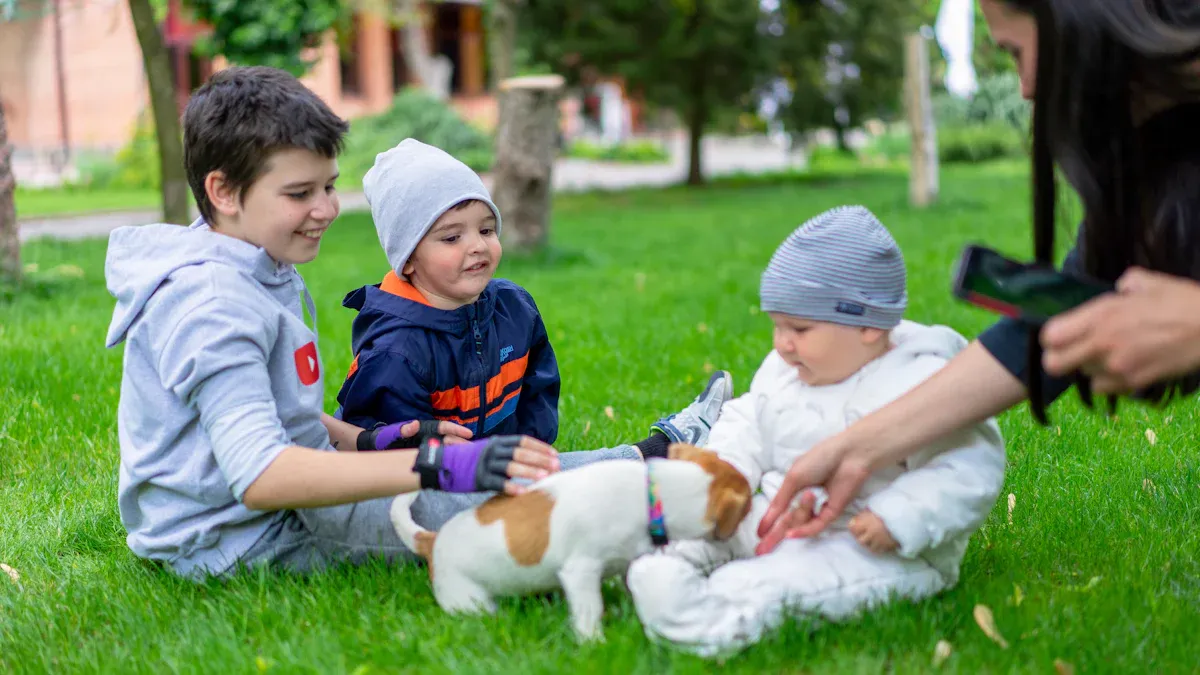
You must take practical steps to ensure safe and positive interactions between children and your new dog. This creates a harmonious home for everyone.
Teaching Children How to Interact Respectfully
Teach your children how to interact with dogs. Show them how to pet dogs gently from underneath the chin. They should avoid hugs around the neck or reaching over the head. These actions can seem threatening to dogs. Instruct children to avoid staring directly into a dog’s eyes. When giving treats, have children place the treat in an open palm.
This prevents the dog from jumping or lunging. Teach children not to disturb dogs while they are eating or sleeping. Also, instruct them to avoid pulling dogs’ tails or ears. Encourage children to use quiet, calm voices around pets. Show children how to gently pet dogs along the back. Avoid sensitive areas like the face or paws.
The Necessity of Constant Adult Supervision
Never leave children alone with a dog or puppy without adult supervision. This protects both the dog and the child. Young children should never be unsupervised with dogs, regardless of breed or size. Supervise play to manage stimulating behaviors.
Quick, jerky movements and high-pitched voices can excite dogs. Encourage quiet play initially. Teach dogs a ‘leave it’ command for when play becomes too rough. Young children may not manage this command. Ensure children sit down when holding puppies. This prevents injury to the puppy if dropped. It also avoids the puppy snapping if held insecurely. For larger dogs, have the child sit in an adult’s lap. This controls interactions and teaches the dog gentle behavior.
Essential Dog Training and Socialization
Essential dog training and socialization are vital for your family dog. Basic commands like ‘sit, stay, come, and leave it’ are crucial. You can teach these using methods like clicker training. ‘Sit, stay, and come’ are foundational skills. They are crucial for safety during emergencies or when guests are present. ‘Leave-it’ teaches dogs to ignore harmful objects. Socialization is also critical.
Expose your dog to diverse people, places, and situations. Do this in a controlled and positive manner. This helps dogs learn appropriate behavior in various environments.
Creating Safe Spaces for Both Dog and Child
Create safe spaces for both your dogs and children. Utilize playpens or ex-pens for dogs when you cannot supervise them directly. Use crates or kennels as safe havens for dogs. Equip these with comfortable bedding, chew toys, and water.
These are for times when you cannot supervise interactions with babies or young children. Safe spaces protect children from potential dog bites. They prevent situations where the dog might react negatively due to lack of supervision. Dogs should have a designated area where they can retreat. This can be a crate or a quiet room. Teach children to respect this space. This creates a peaceful and safe environment for both parties.
Selecting the best dogs for families is a significant decision. You need careful thought and research. You learned about ideal temperament, lifestyle match, and crucial safety measures for finding the best family dogs.
These factors ensure safety for your children. Use our list of 15 breeds as a starting point. Consider individual dogs’ personalities and rescue options. You will find many wonderful dogs. Welcoming a well-chosen, safe, and loving canine companion enriches your family home. These best family dogs bring joy to your children.