
Greater Accra’s unique geographical position creates diverse ecosystems, including coastal areas, urban landscapes, wetlands, and savannahs. This makes it a hotspot for avian diversity. This blog provides a detailed guide to the birds in Greater Accra. Birdwatching in this region brings great joy and emphasizes the importance of nature and wildlife. The area supports ecotourism, offering many birding tours. Readers will find a comprehensive, categorized list of birds, aiding in their identification and appreciation.
Key Takeaways
Greater Accra has many different birds. These birds live in cities, on the coast, in wetlands, and in savannahs.
You can identify birds by looking at their size, shape, colors, and how they act. Listening to their songs also helps.
Good places to watch birds include the Densu Delta Ramsar Site and Winneba Lagoon. Urban parks are also good.
Protecting bird homes is important. This helps keep nature balanced and beautiful for everyone.
Urban Birds of Greater Accra
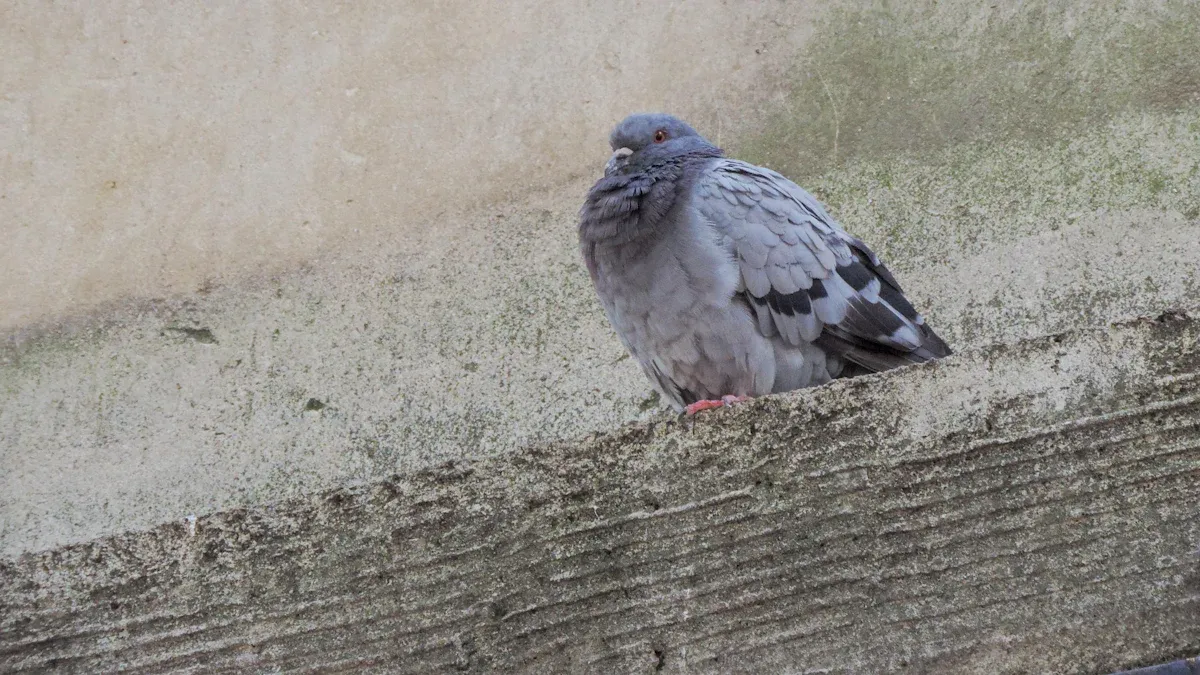
Greater Accra’s bustling urban environment, with its buildings, parks, and gardens, provides unique habitats for many avian residents. These adaptable creatures thrive alongside human activity. Observing these birds offers a glimpse into the natural world within the city’s concrete jungle.
Common City Dwellers
Many birds have successfully adapted to life in Accra’s developed areas. These resilient creatures often become familiar sights to residents and visitors alike. Among the most common birds found in these city centers, several species stand out.
Laughing Dove
Pied Crow
Western Plantain-eater
Common Bulbul
Black Kite
Cattle Egret
Senegal Coucal
Purple Starling
Yellow-billed Shrike
Woodland Kingfisher
Red-eyed Dove
African Thrush
Green Woodhoopoe
Common Sandpiper
Double-toothed Barbet
Rose-ringed Parakeet
African Grey Hornbill
Rock Pigeon
Reed Cormorant
Senegal Thick-knee
The Laughing Dove is a small, ground-feeding, non-migratory bird. It regularly inhabits man-altered environments such as villages, gardens, and orchards. In cities, these doves tend to become quite confident around people. This common bird exemplifies how some species flourish in close proximity to humans.
Raptors and Scavengers
Urban areas also attract larger birds of prey and scavengers. These birds play a crucial role in the city’s ecosystem. The Black Kite is a prominent example. It soars high above the city, often seen circling for food. Pied Crows are another common sight. They are intelligent scavengers, adept at finding food scraps in urban settings. These raptors and scavengers help keep the city clean.
Nighttime Urban Species
While many birds are active during the day, some species prefer the cover of night. These nocturnal birds navigate the urban landscape after sunset. They hunt for insects or other small prey under the moonlit sky. Their calls often break the quiet of the urban night, adding another layer to the diverse avian life in Greater Accra.
Coastal Birds of Greater Accra
Greater Accra’s coastline offers a dynamic environment for many avian residents. The beaches, mudflats, and estuaries provide crucial feeding and breeding grounds. These coastal habitats support a unique collection of birds. They adapt to the ebb and flow of tides and the salty air.
Shorebirds and Waders
Shorebirds and waders are common sights along Greater Accra’s sandy beaches and extensive mudflats. These species forage for small invertebrates in the sand and shallow water. Birdwatchers often observe many different types. For example, the Curlew Sandpiper, Little Stint, and Sanderling are frequently present. Other notable waders include the Spotted Redshank, Greenshank, and Grey Plover. Ringed Plovers and Black-winged Stilts also make their home here. Avocets, Black-tailed Godwits, and Turnstones add to the diversity. At Winneba Lagoon, a significant habitat near Greater Accra, observers regularly see Common Ringed Plovers, Eurasian Whimbrels, and Ruddy Turnstones. Marsh Sandpipers and Common Redshanks also frequent these areas.
Seabirds and Estuary Species
Estuaries, where freshwater meets the sea, create rich ecosystems for seabirds. These areas provide abundant food sources. The Densu Delta Ramsar Site and Weija Lake are important estuary habitats. Here, the Common Tern (Sterna hirundo) is a key seabird species. It dives for fish in the open water. The Pied Kingfisher (Ceryle rudis) also thrives in these estuarine environments. It hovers expertly before plunging to catch its prey. These birds demonstrate specialized hunting techniques adapted to their watery homes.
Mangrove Specialists
Mangrove forests line some of Greater Accra’s coastal areas. These unique habitats support specialized birdlife. Mangroves offer shelter and nesting sites. They also provide a rich source of food, including insects and small fish. Birds adapted to these dense, saline environments often have unique foraging behaviors. They navigate the intricate root systems and dense canopy. These specialists play a vital role in the health of the mangrove ecosystem.
Wetland Birds of Greater Accra
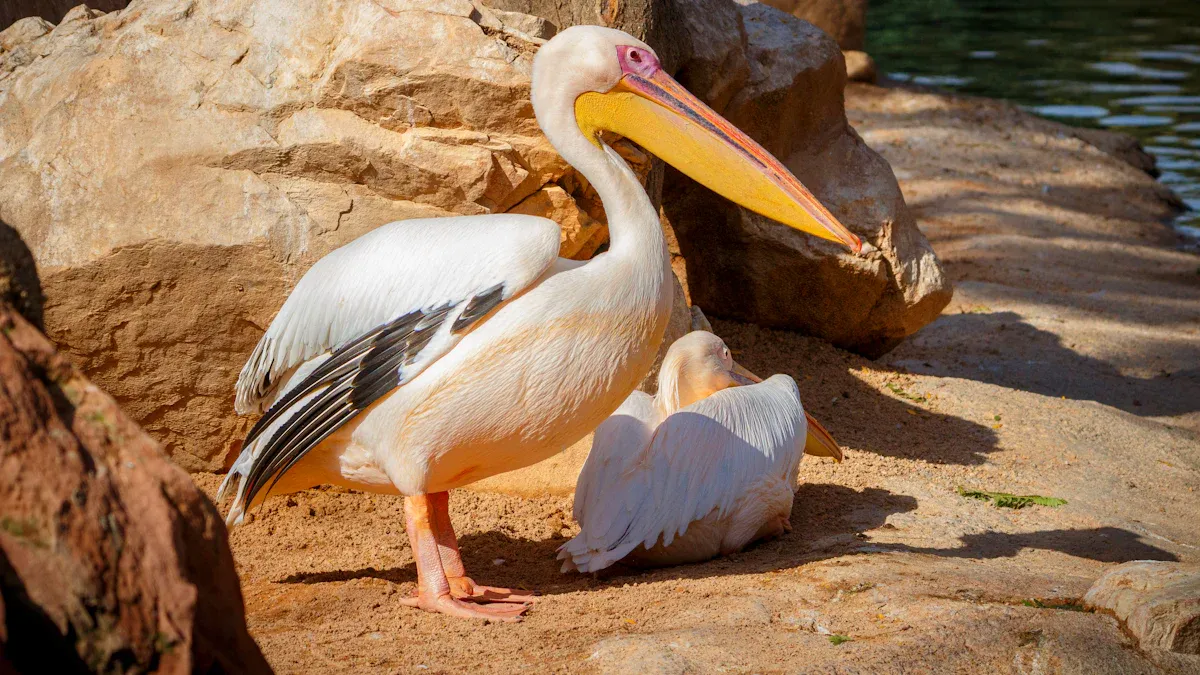
Greater Accra’s wetlands, including lagoons, marshes, and other freshwater bodies, provide vital habitats for many avian residents. These areas teem with life, offering abundant food and shelter. Many unique birds thrive in these watery environments. They adapt to the specific conditions of their surroundings.
Herons, Egrets, and Storks
Herons and egrets are common sights in Greater Accra’s freshwater wetlands. These elegant wading species hunt for fish and amphibians in shallow waters. Observers often spot the Purple Heron, a striking bird with a slender neck. The Great Egret (African) also frequents these areas. Its bright white plumage stands out against the green reeds. Other prevalent egret species include the Intermediate Egret (Yellow-billed) and the Little Egret. The Squacco Heron, with its camouflaged brown back, blends well with marsh vegetation. The Cattle Egret often follows livestock, catching insects disturbed by their movement.
Ducks, Geese, and Waterfowl
Lagoons and other water bodies in Greater Accra host various ducks, geese, and other waterfowl. These birds feed on aquatic plants and small invertebrates. The White-faced Whistling-Duck is a common resident, known for its distinctive call. The African Pygmy-Goose, a small and colorful bird, also inhabits these wetlands. Long-tailed Cormorants are frequently seen diving for fish. The Purple Heron, mentioned earlier, also uses these areas for foraging. These waterfowl contribute significantly to the biodiversity of birds in greater accra.
Marshland Residents
Marshlands offer dense vegetation and muddy substrates, creating unique niches for specialized birds. These residents often have adaptations for navigating thick reeds and soft ground. The Senegal Coucal, a large cuckoo, moves stealthily through the undergrowth. It hunts for insects and small vertebrates. Other marshland birds include various warblers and weavers. They build intricate nests among the tall grasses. These habitats are crucial for the survival of many local and migratory bird species.
Savannah and Woodland Birds
Greater Accra’s less urbanized savannah and woodland areas offer different habitats for many birds. These regions, found on the outskirts of the city, support a unique collection of avian life. They provide food, shelter, and nesting sites away from the city’s bustle. Birdwatchers can discover diverse species here.
Bushland and Forest Edge Species
Many birds thrive in the bushland and along the edges of forests. The Western Plantain-eater, with its striking colors, often perches in trees. The Green-backed Camaroptera is a small, active bird that moves through dense foliage. You can also spot the Yellow-billed Turaco, a beautiful bird known for its vibrant plumage. The Black-throated Coucal often hides in thickets. These birds adapt well to these transitional zones between open land and denser vegetation.
Ground-Dwelling Birds
Some birds prefer to spend most of their time on the ground. They forage for food among the leaf litter and low vegetation. The Red-eyed Dove is a common example. It walks along the ground, searching for seeds and fallen fruits. Other ground-dwelling species might include various francolins or quails, though they are often more secretive. These birds use the ground for feeding and sometimes for nesting.
Migratory Visitors
The savannah and woodland areas also host migratory visitors. These birds travel long distances, often from Europe or other parts of Africa, to spend certain seasons in Ghana. They find abundant resources during their stay. Their presence adds to the rich diversity of birds in greater accra. These seasonal visitors highlight the region’s importance as a stopover or wintering ground for many avian species.
Passerine Birds
Passerine birds, also known as perching birds or songbirds, form the largest order of birds. They show incredible diversity in Greater Accra. These species often have specialized feet for gripping branches. They also produce complex songs. Their presence adds vibrant sounds and colors to the region’s ecosystems.
Finches and Weavers
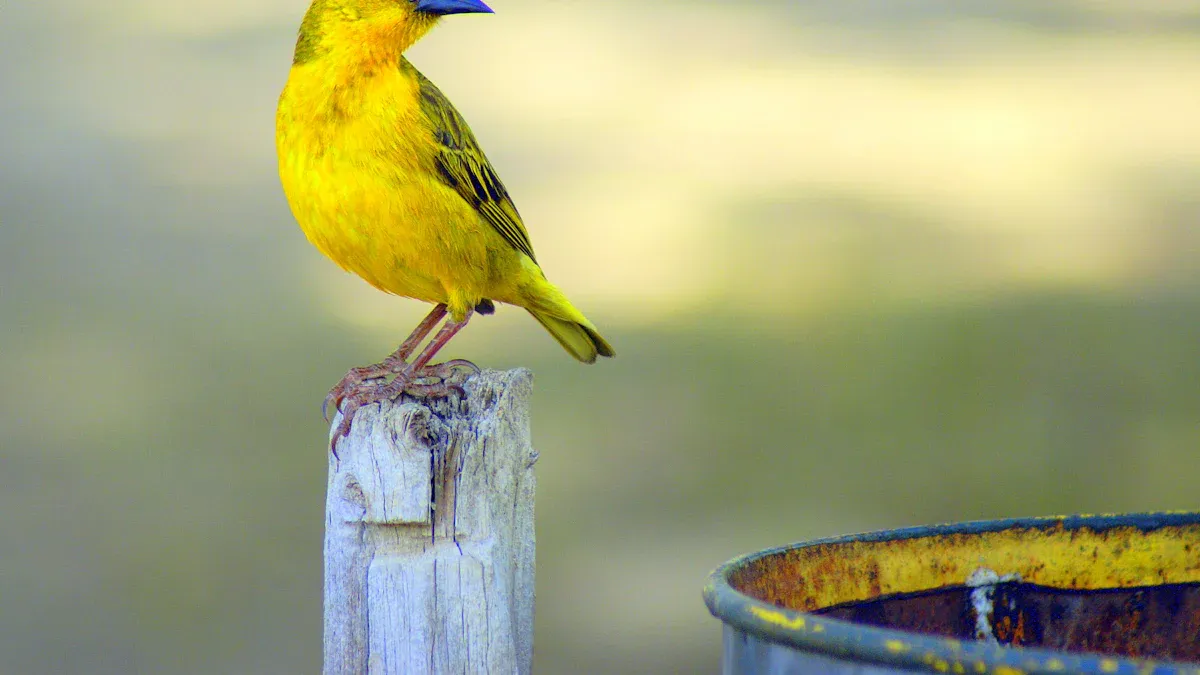
Greater Accra’s landscapes are home to many finches and weavers. These small, often social birds are known for their seed-eating habits and intricate nest-building skills. Birdwatchers frequently observe several species. The Black-necked Weaver constructs elaborate hanging nests. The Yellow-shouldered Widowbird displays striking plumage, especially during breeding season. The Bar-breasted Firefinch adds a touch of red to the bushland. The Bronze Mannikin is another common sight, often seen in small flocks. These birds contribute to the region’s rich avian tapestry.
Sunbirds and Nectar Feeders
Sunbirds are small, brightly colored birds. They have long, slender, down-curved bills. These bills help them feed on nectar from flowers. The Collared Sunbird is a beautiful example. It sips nectar from various blossoms. The Splendid Sunbird (Cinnyris coccinigastrus) also thrives in Greater Accra. This species largely feeds on nectar. Photos of the Splendid Sunbird were taken at Legon University in Accra. This confirms its presence in the region. These tiny birds play a vital role in pollinating local flora.
Flycatchers and Shrikes
Flycatchers and shrikes represent another fascinating group of passerine birds. Flycatchers are agile hunters. They perch on branches and then dart out to catch insects in mid-air. Shrikes are predatory songbirds. They often hunt large insects, small mammals, or other birds. They sometimes impale their prey on thorns or barbed wire. These behaviors highlight their unique adaptations within the Greater Accra environment.
Identifying Birds in Greater Accra
Identifying birds requires careful observation and practice. Birdwatchers use several clues to tell different species apart. These clues include physical traits, behaviors, and sounds. Learning these details helps you recognize the diverse avian life around you.
Key Features for Identification
When you see a bird, first notice its size and overall shape. Is it small like a sparrow or large like a crow? Look at its beak. A thick, conical beak suggests a seed-eater. A long, thin beak indicates a nectar-feeder. Observe the bird’s plumage. Note any distinct color patterns, stripes, or spots. These markings are often unique to each species. For example, a common bird might have a specific eye-ring or wing bar. Pay attention to leg length and foot structure. These features tell you if the bird wades, perches, or hops on the ground.
Behavioral Clues
A bird’s behavior offers many hints for identification. Watch how it flies. Does it glide, flap rapidly, or undulate? Observe its foraging style. Does it pick insects from leaves, probe in mud, or dive into water? Listen to its calls and songs. Each species has unique vocalizations. These sounds are often the easiest way to identify a bird, even when you cannot see it clearly. Also, consider the habitat where you find the bird. Some birds prefer open fields, while others live in dense forests or near water.
Recommended Field Guides and Apps
For identifying birds in greater accra, a specific field guide for Ghana is highly recommended. Many birdwatchers consider it the best resource. This guide shares the same author and illustrator as “Birds of West Africa.” It is also lighter to carry. If you plan to visit other West African countries, “Birds of West Africa” offers broader coverage. However, it is a heavier book. Mobile applications also provide excellent tools. They often include bird calls, photos, and identification filters. These resources help you confirm your observations and learn more about the birds you encounter.
Greater Accra truly showcases incredible avian diversity. It stands as an important ornithological destination. This comprehensive list serves as a valuable resource for birdwatchers, researchers, and nature enthusiasts. Protecting these diverse habitats and their wildlife requires strong conservation efforts. Ecotourism plays a vital role in funding this conservation. Readers should actively engage in birdwatching and citizen science. They can also support local conservation initiatives. Continued appreciation and protection of Greater Accra’s birds are essential for future generations and for sustainable ecotourism.
FAQ
What is the best time to go birdwatching in Greater Accra?
The best time for birdwatching is early morning or late afternoon. Birds are most active during these periods. Migratory birds visit from October to April. This season offers increased diversity. 🐦
How can I identify birds in Greater Accra?
Observe key features like size, shape, and plumage. Listen to their calls and songs. Use a field guide specific to Ghana or a bird identification app. Behavioral clues, such as foraging style, also help.
Why is bird conservation important in Greater Accra?
Conservation protects diverse habitats like wetlands and forests. These areas support many bird species. Protecting birds helps maintain ecosystem balance. It also preserves natural beauty for future generations. 🌳
Are there specific birdwatching spots in Greater Accra?
Yes, several spots are excellent. The Densu Delta Ramsar Site and Winneba Lagoon are great for coastal and wetland birds. Urban parks and university campuses also offer good birding opportunities.