
Mindanao stands as a vital biodiversity hotspot within the Philippines. The island boasts a rich and unique avian diversity, including many endemic and native species. This blog post aims to:
Provide a comprehensive checklist of these birds.
Discuss their significance.
Highlight their conservation needs. It features various endemic bird species and other unique species. What wonders do the birds in Mindanao hold?
Key Takeaways
Endemic birds live only in one specific area. Mindanao has many unique endemic bird species.
Native birds live in a region but also in other places. They help Mindanao’s environment.
Mindanao’s diverse habitats support many bird species. These include the Philippine Eagle.
Habitat loss and illegal trade threaten Mindanao’s birds. Conservation efforts protect them.
Individuals can help protect birds. They can join groups or support eco-friendly tourism.
Understanding Avian Species
Defining Endemic Species
An endemic species lives only in a specific geographic area. For example, an endemic species found in the Philippines exists nowhere else in the world. These endemic species are unique treasures. Their existence depends entirely on the health of their specific habitat. The Philippines has many endemic species. Protecting these endemic species is crucial for global biodiversity.
Defining Native Species
A native species naturally occurs in a region. However, it can also be found in other places around the world. Native species are not exclusive to one area. They are an integral part of the local ecosystem. Many native bird species thrive in the Philippines. They contribute to the ecological balance of various regions.
Mindanao’s Bird Diversity
Mindanao’s diverse habitats support many bird species. These habitats include lush forests, towering mountains, and vital coastal areas. This variety of environments allows for a rich avian population. The Philippines is home to a remarkable array of birds.
Country | Total Bird Species |
|---|---|
Philippines | 647 |
There are 260 bird species that are endemic to the Philippines. Many of these endemic species are found on specific islands. These islands include Luzon, Mindanao, and Palawan. A study on birds in Mindanao recorded 28 avian species. Twenty-five percent of these were endemic to the Philippines. This highlights the importance of Mindanao for these unique endemic species. The island is a critical home for many endemic species. This checklist helps understand these endemic species.
Endemic Birds in Mindanao
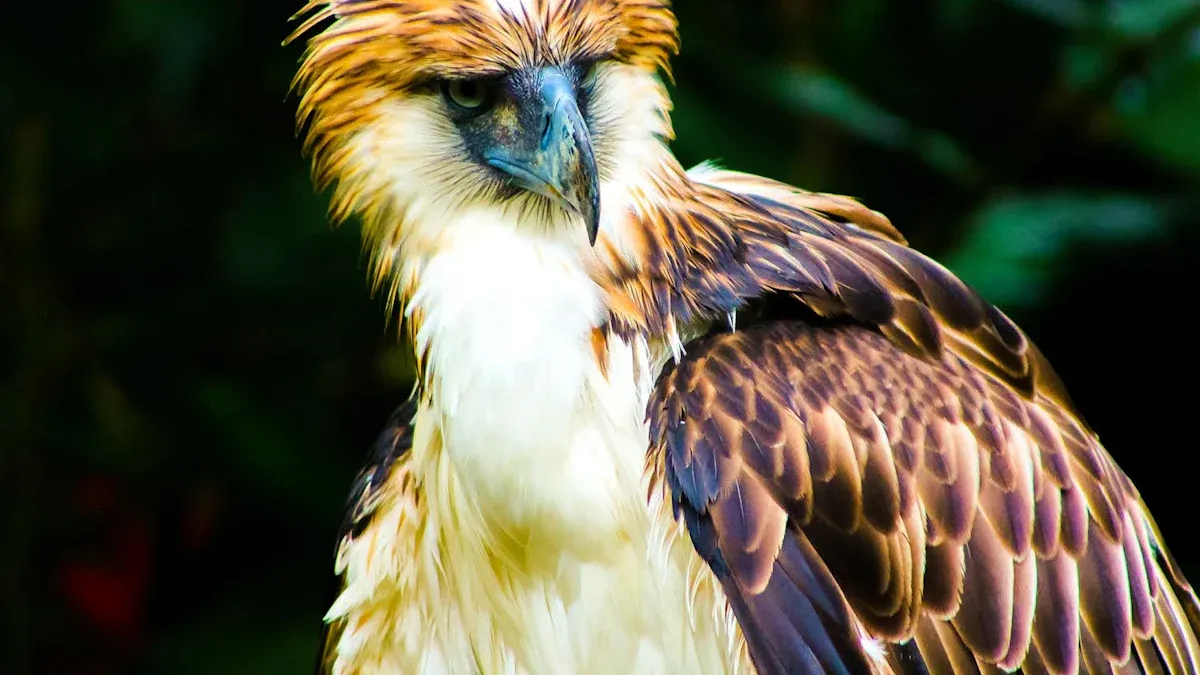
Mindanao is a critical sanctuary for many bird species found nowhere else on Earth. These endemic species represent a unique part of the Philippines’ natural heritage. Their survival depends on the preservation of Mindanao’s diverse ecosystems. This section explores some of these remarkable birds and their specific needs.
Key Endemic Species
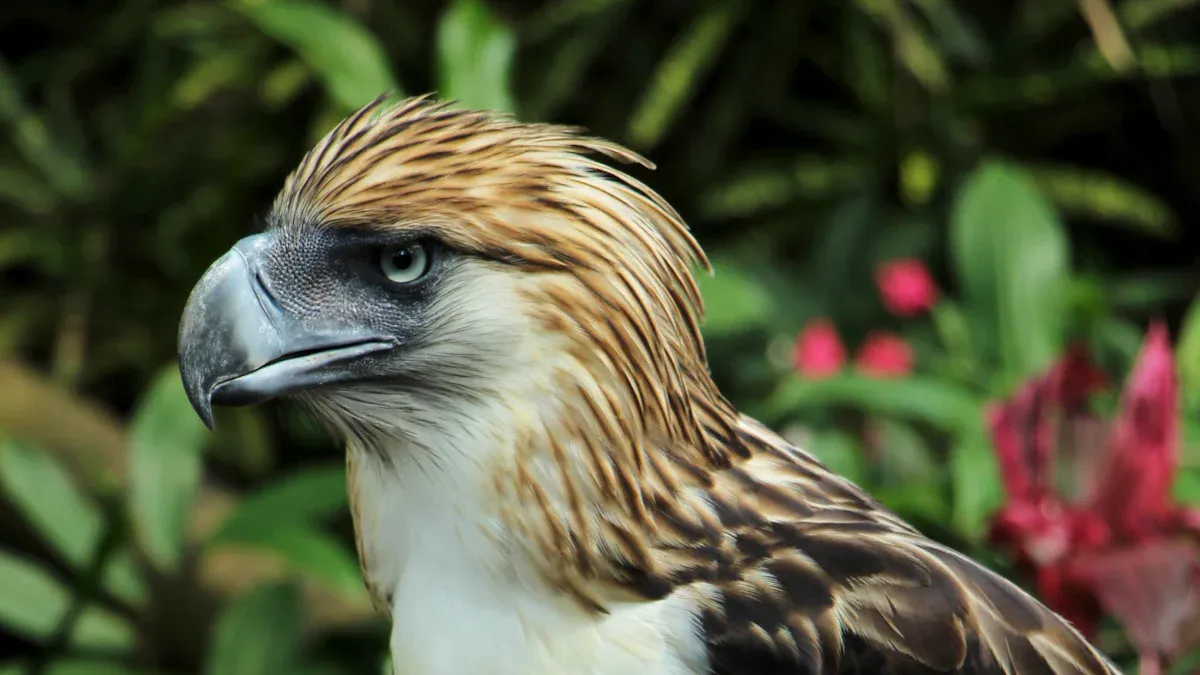
The Philippine eagle (Pithecophaga jefferyi) stands as a majestic symbol of the Philippines. This magnificent eagle is one of the most endangered raptors in the world. It holds a Critically Endangered status by the IUCN and is listed under CITES Appendix I. For nearly three decades, the Philippine eagle has faced the threat of extinction. Recent estimates show around 392 breeding pairs, an increase from previous numbers. However, its long-standing threatened status highlights the ongoing need for protection. This large eagle requires extensive, intact forest areas to thrive.
Another striking endemic species is the Mindanao Racquet-tail (Prioniturus waterstradti). This medium-sized parrot has a vibrant deep green plumage. Its underparts are a lighter green. Its wings show hints of blue and yellow. The Mindanao Racquet-tail has a prominent orange-yellow head, which contrasts sharply with its green body. It has a pale, sturdy, and slightly curved beak. Its eyes are bright yellow. The tail is its most distinguishing feature. It has elongated, racket-like feathers. These feathers end in bare shafts tipped with blue discs. This unique tail is noticeable during flight. It plays a role in identification, mating displays, and aerial acrobatics. Its voice includes various nasal squeals and a harsh, metallic ‘ra-geek!’ often heard in flight. This species is larger than the Mindanao lorikeet and lacks the red face and bill.
The Apo Myna (Goodfellowia miranda) is another fascinating endemic species. Its scientific name is Goodfellowia miranda. This bird adds to the rich avian diversity of Mindanao.
The Mindanao Hornbill (Penelopides affinis) is a significant endemic species. This hornbill prefers tropical moist lowland forests. It typically lives below 900 meters above sea level. However, people have recorded it up to 1,450 meters. Large dipterocarp trees are essential for this hornbill. They provide crucial nesting cavities for breeding.
The Philippine duck (Anas luzonica) is an endemic and vulnerable species. These ducks exhibit daily behaviors like foraging, social interactions, and resting. They are most active in the mornings and late afternoons. They search for food in shallow water, preen, and engage with their flock. Some individuals may show mild neurological issues. These issues lead to uncoordinated movements or reduced agility. This trait is linked to the crested gene. The severity of these issues increases with the size and number of crests. These neurological effects can hinder their ability to escape predators and compete for food. This makes them more dependent on managed feeding.
Other notable endemic species in Mindanao include the Philippine frogmouth (Batrachostomus septimus), the Philippine pitta (Pitta erythrogaster), the Philippine coucal (Centropus viridis), the Mindanao Boobook (Ninox spilocephala), the Philippine trogon (Harpactes ardens), the Mindanao White-eye (Zosterops goodfellowi), and the Philippine oriole (Oriolus steerii). The Bleeding-heart doves, such as the Mindanao Bleeding-heart (Gallicolumba crinigera), are also iconic endemic species. Other endemic species include various fruit-dove species, the Palawan peacock-pheasant (Polyplectron napoleonis), and several imperial-pigeon species. The Philippine cockatoo (Cacatua haematuropygia) is another critically endangered endemic species found in the Philippines.
Unique Habitats and Traits
Mindanao’s varied landscapes provide crucial habitats for its unique endemic species. Mount Melibengoy, for example, hosts 19 species found only there. The Zamboanga Peninsula is home to 68 Philippine endemic species. These areas highlight the island’s importance for avian biodiversity.
Mt. Kitanglad is one of Mindanao’s most prominent locations. It is a premier site in the Philippines for its unique birdlife. Lower elevations show fragmented forests. However, the protected, rugged terrain at higher altitudes harbors special forests. These forests are crucial habitats for rare species like the critically endangered Philippine eagle. This massive eagle requires extensive intact forest areas.
A study on Mt. Hilong-hilong, a Key Biodiversity Area, revealed a high degree of bird endemism. Thirty-six percent of species there are Philippine endemic species. Fourteen percent are restricted to the Mindanao faunal region. The research also noted that 8% of the species are considered threatened. The highest species richness and endemism occurred in lowland to mid-elevation areas within this KBA. This underscores its vital role in preserving significant bird species. The Mindanao hornbill relies on large dipterocarp trees for nesting. The Mindanao Bleeding-heart and various fruit-dove and imperial-pigeon species also depend on specific forest types. The Philippine pitta and Philippine frogmouth are often found in dense forest undergrowth. This checklist helps us understand the distribution of these unique birds in Mindanao.
Native Birds of the Philippines in Mindanao
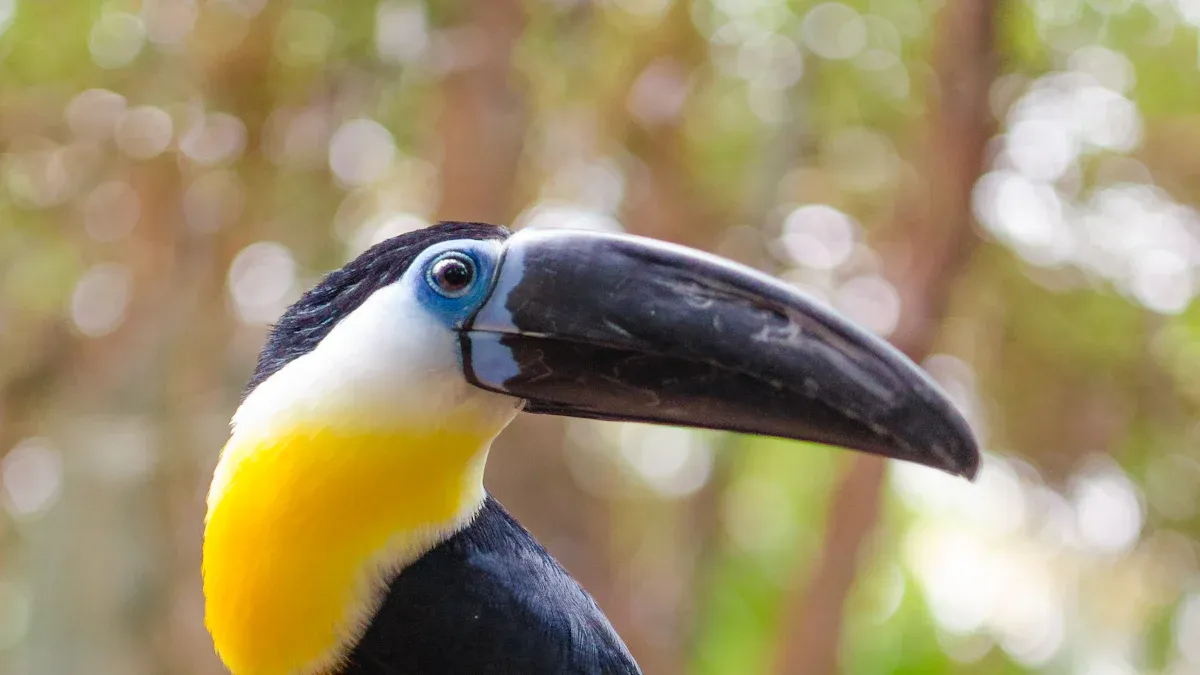
Mindanao also hosts many native bird species. These birds are not exclusive to the Philippines. They play vital roles in the island’s ecosystems. This list highlights some common native birds. Unlike the Mindanao hornbill, these native birds often have wider distributions.
Common Native Species
The Brahminy Kite (Haliastur indus) is a striking raptor. It has a white head and chest. Its body is a rich reddish-brown. People often see it soaring over coastal areas and wetlands. It hunts fish and small prey.
The White-collared Kingfisher is another common sight. Its scientific name is Todiramphus chloris. It is also known as the Collared Kingfisher. This bird has bright blue-green plumage. It has a white collar around its neck. It lives in various habitats. These include mangroves, forests, and even urban gardens.
Several sunbird species brighten Mindanao’s landscapes. The Purple-throated Sunbird (Leptocoma sperata) is one such species. It lives in Indonesia and the Philippines. This bird prefers lowland tropical forests. It also thrives in subtropical or tropical mangrove forests. Cultivated regions also host this sunbird.
Mindanao’s wetlands attract various waterfowl. The Gadwall (Mareca strepera) is a dabbling duck. The Northern Pintail (Anas acuta) is known for its long tail feathers. The Common Teal (Anas crecca) is a small, agile duck. These ducks visit Mindanao during migration. They find important feeding grounds here.
Ecological Roles
Native birds are crucial for Mindanao’s ecological health. They perform several important functions.
Pollination is one key role. The Lowland White-eye is a small, greenish bird. It feeds on nectar, insects, and fruit. It helps pollinate plants throughout the forest. The Philippine Bulbul is a widespread forest songbird. It also eats nectar, fruit, and insects. It contributes to pollination. These birds help plants reproduce.
Seed dispersal is another vital function. Native bird species, especially those from the Pycnonotidae family, are important seed dispersers. Pycnonotus goiavier is one example. These birds are crucial in Mindanao’s lowland forests and agroforests. They significantly increase seed deposition. This promotes high seedling regeneration. This happens even for plant species previously absent. Agroforests provide habitat and corridors for tolerant bird species. They support forest recovery. Large trees in these habitats offer breeding niches. They also provide food resources. This influences bird diversity. It also affects their effectiveness as dispersers.
Birds also help control insect populations. Many native birds eat insects. This keeps insect numbers in balance. This protects plants from excessive damage.
These native birds, along with the endemic species, form a complex web of life. Their presence ensures the health and resilience of Mindanao’s ecosystems. This checklist helps us appreciate their contributions.
Conservation for Mindanao’s Birds
Threats to Birdlife
Mindanao’s diverse birdlife faces many serious threats. Habitat loss is a major problem. Deforestation removes the forests where birds live and find food. Illegal wildlife trade also harms bird populations. For example, the yellow-crested cockatoo and white cockatoo are often trafficked. These birds are not native to the Philippines. However, Mindanao serves as a transit point for smuggling Indonesian wildlife. Climate change also poses a risk. The Mindanao Serin, an endemic species, is potentially threatened by a changing climate.
Conservation Initiatives
Many groups work to protect Mindanao’s birds. The Philippine Eagle Foundation (PEF) leads raptor conservation. Jayson Ibañez, a director at PEF, uses a holistic approach. He helps manage eagle habitats. This involves employing indigenous people as forest guards. These guards protect nesting sites. The PEF also conducts research and community-based projects. Government policies also help. Proclamation No. 882 established Mount Apo as a protected area. The National Integrated Protected Areas System (NIPAS) Act provides a framework for protected areas. Community efforts also make a difference. A reforestation project in Bukidnon partners with an Indigenous community. They restore forests, creating habitat for over 700 species of birds in Mindanao.
How to Help
Individuals can support bird conservation. Join organizations like the Wild Bird Club of the Philippines. You can also donate to groups like the Haribon Foundation. They work to nurture environmental health. Raising awareness by sharing information is also helpful. Participate in biodiversity-friendly activities. Responsible tourism also plays a role. Mount Apo Natural Park, home to the Philippine eagle, benefits from sustainable tourism. Choosing eco-friendly tours and supporting local guides helps protect habitats. This creates economic incentives for conservation.
Mindanao’s endemic and native bird species possess immense, irreplaceable value. These unique creatures are vital for the island’s ecological balance and global biodiversity. Ongoing awareness, dedicated research, and concerted conservation efforts from individuals, communities, and organizations remain crucial.
Let us all support conservation and appreciate Mindanao’s extraordinary feathered legacy. 🐦
FAQ
What makes a bird species endemic to Mindanao?
A bird species is endemic to Mindanao if it naturally occurs only on the island of Mindanao or within the Philippines. These birds exist nowhere else in the world. Their survival depends entirely on Mindanao’s unique ecosystems. The Philippine Eagle is a prime example.
Which bird is considered the national bird of the Philippines and is endemic to Mindanao?
The Philippine Eagle (Pithecophaga jefferyi) is the national bird of the Philippines. It is also endemic to Mindanao. This majestic raptor faces critical endangerment. It requires large, intact forest areas to survive. Conservation efforts focus on protecting its habitat.
How do native birds contribute to Mindanao’s environment?
Native birds play crucial ecological roles. They help pollinate plants, ensuring plant reproduction. Many species also disperse seeds, aiding forest regeneration. Furthermore, native birds control insect populations. This protects plants from damage. They maintain the balance of Mindanao’s ecosystems.
What are the main threats to Mindanao’s birdlife?
Mindanao’s birds face significant threats. Habitat loss from deforestation is a major concern. Illegal wildlife trade also harms populations. Climate change poses another risk to many species. These factors endanger the unique avian diversity of the island.