
When you head out for a hunting trip, having the best hunting companion by your side can make all the difference. These dogs serve multiple roles, from tracking down game to retrieving it after a successful shot. Each breed has unique strengths tailored for specific tasks. Whether you need a loyal hunting partner for waterfowl or upland game, the right dog can enhance your experience and improve your success in the field.
Key Takeaways
Choose the right hunting dog breed based on your hunting needs. Breeds like Labrador Retrievers excel in waterfowl hunting, while Pointers are great for upland game.
Training is essential for a successful hunting experience. Focus on basic obedience first, then move to specialized skills like scent training and retrieval.
Socialize your hunting dog early to build confidence and adaptability. Expose them to various environments to reduce fear and improve performance.
Prioritize safety during hunting trips. Keep your dog healthy, use safety gear, and stay informed about local hunting regulations to ensure a safe outing.
Hunting Dog Roles
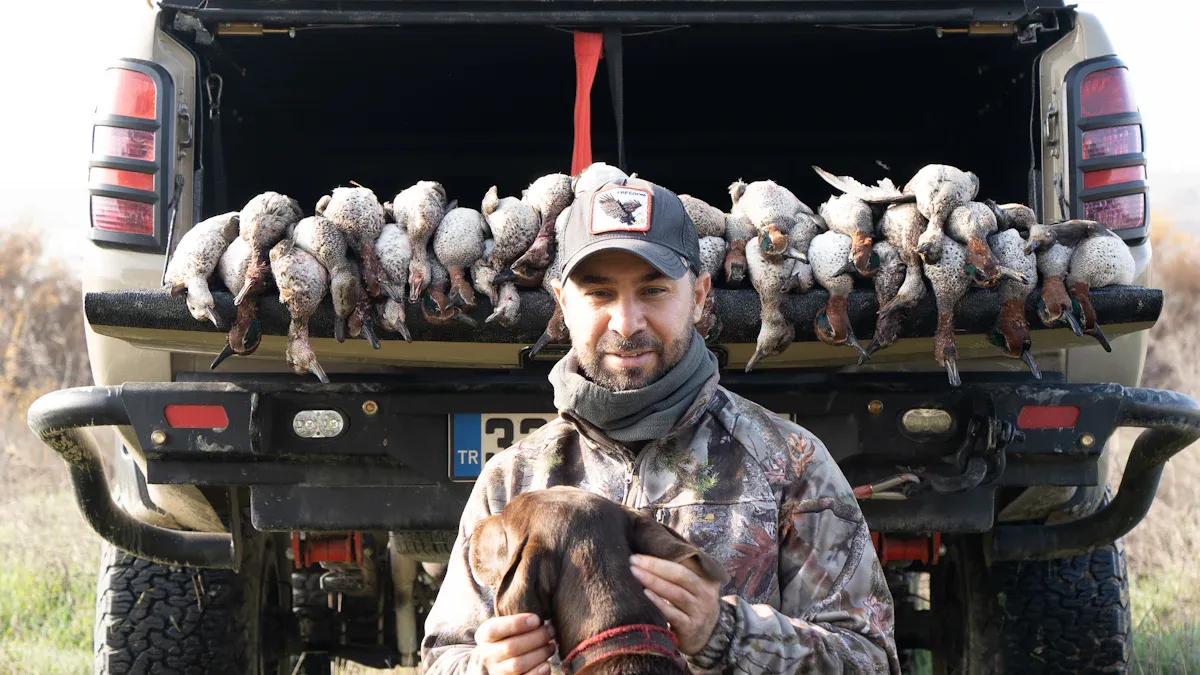
Hunting dogs play vital roles during your hunting expeditions. They do much more than just accompany you; they enhance your overall experience and success. Here’s a closer look at what these incredible companions do:
Tracking and Locating Game: With their exceptional tracking and scenting abilities, hunting dogs can follow blood trails and locate wounded animals. This skill is crucial, especially when the game is elusive or injured.
Flushing and Retrieving: Certain breeds, like spaniels and pointers, excel at flushing out game birds. Retrievers, such as Labrador Retrievers, are experts at bringing back downed game. Their speed and agility ensure that you don’t lose your catch to predators.
Companionship and Safety: Beyond their hunting skills, dogs provide companionship during your hunts. They can alert you to potential dangers, enhancing your safety in the field.
In various hunting scenarios, these dogs significantly contribute to your success rate. For instance, pointing breeds like English Pointers and German Shorthaired Pointers use their keen sense of smell to locate game birds. They indicate their position without scaring the birds away, allowing you to take aim. By holding steady until you’re ready, these dogs help reduce missed shots, leading to more ethical hunting practices.
Retrievers play a crucial role too. They quickly and gently retrieve downed birds, preventing loss to predators and ensuring the game remains fresh. With their help, you can focus on the hunt while knowing your dog is working hard to assist you.
Best Hunting Dog Breeds
When it comes to choosing the best hunting dog breeds, you have a variety of options tailored to different hunting needs. Each breed excels in specific roles, making them invaluable companions in the field. Let’s explore some of the top categories of hunting dogs.
Waterfowl Retrievers
Waterfowl hunting requires dogs that can handle wet conditions and retrieve birds from water. Here are some of the best breeds for this purpose:
Breed | Characteristics |
|---|---|
Chesapeake Bay Retriever | Strong and powerful, with a double coat that protects against harsh conditions. They excel in retrieving waterfowl and are intelligent but can be stubborn. |
Golden Retriever | Known for their friendly nature and intelligence, they have a water-repellent coat and are popular among hunters. Just make sure to choose one from a hunting line for the best results. |
American Water Spaniel | Compact and versatile, these dogs are great for small boats and are physically tough, developed specifically for hunting from boats. |
These breeds not only retrieve birds but also bring joy and companionship to your hunting trips.
Upland Game Dogs
Upland game hunting requires dogs that can flush birds from cover and retrieve them. Here are some top choices:
Breed | Type | Unique Skills |
|---|---|---|
American Water Spaniel | Flusher | Steady and close-working, these dogs excel at retrieving and are versatile for both upland and water hunting. |
German Wirehaired Pointer | Pointer | An all-around gun dog, they track, point, and retrieve on land and water, making them cooperative with handlers. |
These breeds are perfect for flushing birds and ensuring you have a productive hunting experience.
Versatile Breeds
Versatile hunting dog breeds are adaptable and can perform multiple tasks. They can dependably hunt and point game, retrieve on both land and water, and track wounded game. Some of the most recognized versatile breeds include:
German Shorthaired Pointer: Known for their agility and keen sense of smell, they excel in various hunting tasks.
Labrador Retriever: A favorite among hunters, they are great for retrieving and have a friendly disposition.
These breeds are perfect if you want a dog that can handle different hunting scenarios.
Tracking and Pointing Dogs
Tracking and pointing dogs are essential for locating game. They have a keen sense of smell and can follow trails effectively. Here are some breeds that excel in these roles:
Bloodhound: With a remarkable success rate of 96% in trailing scents, they are unmatched in tracking abilities.
Pointer: Fast and agile, they point out prey and retrieve kills, making them excellent for bird hunting.
These dogs are invaluable for locating quarry and ensuring a successful hunt.
Choosing the right hunting dog breed depends on your specific needs and the type of game you pursue. Whether you need a retriever for waterfowl or a pointer for upland game, the right breed can enhance your hunting experience.
Training for Hunting Dogs
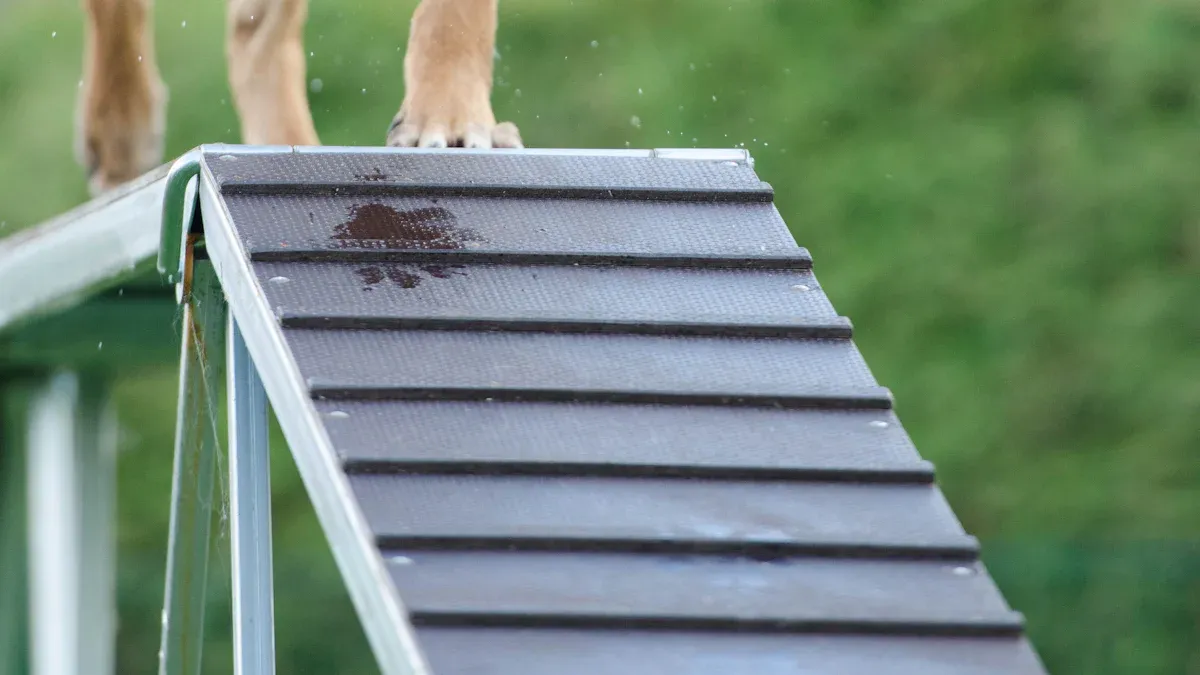
Training your hunting dog is essential for maximizing their hunting ability and ensuring a successful outing. Whether you’re starting with a puppy or working with an older dog, a solid training foundation will make all the difference. Here’s how to approach training effectively.
Basic Obedience
Before diving into specialized skills, you need to establish basic obedience. This foundation is crucial for any hunting dog. Here are some effective techniques to consider:
Consistency is Key: Use the same commands and corrections every time. This helps your dog understand what you expect.
Stay Calm and Firm: Your demeanor matters. A calm and firm approach communicates effectively with your dog.
Observe Professionals: Watching professional trainers can provide insights into successful techniques you can replicate.
Basic commands like sit, stay, heel, and recall are vital. Reinforcing these commands ensures your dog remains safe and effective in the field. Training typically takes around three months to establish these basics, but the time invested pays off during hunts.
Specialized Hunting Skills
Once your dog has mastered basic obedience, it’s time to focus on specialized hunting skills. These skills enhance your dog’s performance in the field. Here are some key areas to work on:
Obedience Training: Continue reinforcing basic commands to ensure your dog responds well in various situations.
Simulated Hunting Scenarios: Use dummy training aids and scent trails to mimic real hunting situations. This helps your dog stay focused and prepares them for the actual hunt.
Scent Training: Introduce scent boxes and real game scents to enhance tracking abilities. This is crucial for locating game effectively.
Mental Stimulation: Engage your dog in puzzle games and activities. This not only keeps them entertained but also improves their problem-solving skills.
Advanced Retrieval Training: Introduce complex retrieves to enhance physical capabilities and strengthen the bond between you and your dog.
Training for specialized skills can take an additional four months or more, depending on your dog’s progress and the complexity of the tasks.
Socialization Techniques
Socialization is just as important as obedience and specialized training. Early exposure to different environments and social groups can significantly impact your dog’s performance during hunts. Here’s how to approach socialization:
Findings | Description |
|---|---|
Positive Correlation | Social and environmental exposure in puppies is linked to increased sociability. |
Negative Correlation | Early exposure reduces fear and aggression in adult dogs. |
Inappropriate Predatory Behavior | Socialization with other species decreases inappropriate predatory actions. |
Puppy Preschool | Attendance is associated with lower fear and aggression levels. |
Start socializing your puppy early, ideally before 14 weeks. This helps develop confidence and adaptability. Exposing them to various sounds, sights, and experiences reduces future noise sensitivity and aggression.
Training your hunting dog is a journey that requires patience and dedication. By focusing on basic obedience, specialized skills, and socialization, you’ll create a well-rounded companion ready for the field.
Characteristics of the Best Hunting Companion
When you think about the best hunting companion, two key traits come to mind: temperament and intelligence. Effective hunting dogs possess qualities like trainability, problem-solving skills, and strong instincts. These traits enable them to track and retrieve game efficiently. For example, breeds like the Labrador Retriever and German Wirehaired Pointer showcase their ability to adapt to various hunting environments and respond well to training. This adaptability is crucial for success in the field.
Temperament and Intelligence
A dog’s temperament significantly influences its performance as a hunting companion. Research shows that stable behavioral tendencies play a crucial role in selecting dogs for specific roles. Behavioral tests can assess traits such as sharpness and courage, which are essential for hunting. A well-adjusted dog can concentrate on tasks without being distracted by external factors. This focus is vital when you’re out in the field, where distractions can be plentiful.
Adaptability and Work Ethic
Adaptability and a strong work ethic are also essential for hunting dogs. Here are some key points to consider:
Socialization is vital for emotional resilience in hunting dogs.
Training in diverse environments helps dogs handle the unpredictability of hunting.
A dog that remains unfazed by distractions is more likely to succeed in various hunting scenarios.
A well-socialized dog is more confident and effective in hunting. Gradual exposure to different environments helps dogs adapt and reduces startle responses. Regularly varying experiences enhances adaptability, which is crucial for success in diverse hunting conditions.
Moreover, the work ethic of a hunting dog correlates with its success rate in the field. Studies emphasize the importance of temperament and selection tests in predicting success. Close daily interactions between hunting dogs and their owners can enhance their work ethic and performance. This bond you create with your dog not only strengthens your relationship but also improves their effectiveness as a hunting companion.
Safety and Regulations in Hunting
When you head out for a hunting trip, understanding the laws and regulations is crucial. These rules not only protect wildlife but also ensure the safety of you and your hunting companion. Each state has its own set of laws regarding hunting with dogs, so it’s essential to familiarize yourself with them before you go.
Understanding Hunting Laws
Hunting laws can vary significantly from state to state. Here’s a quick overview of some important regulations you should know:
State | Law Description |
|---|---|
California | It is unlawful to allow a dog to pursue a bear or bobcat at any time. |
Nevada | The use of dogs for hunting bears is not banned. |
Georgia | Registration requirements for hunting dogs were defined. |
New York | Proposed legislation provides definitions and registration for hunting dogs. |
Pennsylvania | Amendments to a bill removed severe penalties for wandering dogs. |
Louisiana | Allows the use of dogs to retrieve mortally wounded deer with lights on private property. |
Additionally, in states like New Hampshire and New Jersey, you could face fines if your dog injures or destroys protected wildlife. In New York, laws even allow for the humane destruction of dogs pursuing protected game. Always check your local regulations to avoid any surprises.
Ensuring Safety for Dogs and Hunters
Safety should always be a top priority when hunting. Here are some effective measures to keep both you and your dog safe during your outings:
Keep your hunting dog up to date with vaccinations and health checks to prevent diseases.
Train your dog to follow commands to avoid dangerous situations, such as running into the line of fire.
Use gear like GPS collars for tracking and bright safety vests for visibility and protection.
Carry water and a first aid kit to address dehydration and injuries.
Ensure safe transportation of dogs in well-ventilated kennels.
Practice gun safety by keeping firearms pointed safely and ensuring dogs are not in the line of fire.
Accidents can happen, so being prepared is key. Here are some common injuries and how to prevent them:
Stay Current on Preventative Medicine: Regular veterinary check-ups and vaccinations are essential for maintaining your hunting dog’s health.
Be Mindful of the Weather When Hunting: Take precautions against extreme weather conditions. In hot weather, provide water and shade to prevent heatstroke. In cold weather, ensure dogs are insulated to avoid hypothermia.
Practice Safe Transportation With Your Dog: Secure dogs in vehicles to prevent accidents. Use crates or harnesses, and avoid leaving them unattended in hot vehicles.
By following these guidelines, you can ensure a safer hunting experience for both you and your dog. Remember, being informed about the laws and prioritizing safety can make your hunting trips enjoyable and successful.
Choosing the right hunting dog breed is crucial for your success in the field. Different breeds excel in various tasks, so selecting one that fits your hunting style matters. For instance, cooperative breeds work well with you, while independent breeds shine in self-reliant tasks.
Proper training is just as important. It builds trust between you and your dog, enhancing safety and performance. A well-trained dog is less likely to get injured and more likely to help you succeed.
Always prioritize safety and follow local regulations. This ensures enjoyable and responsible hunting trips for you and your furry companion. Happy hunting! 🦴🐾