
India stands as a premier destination for birdwatchers. Its extraordinary avian diversity captivates all who visit. Approximately 1,350 bird species have been recorded in India. Unique geographical and climatic factors contribute to this immense diversity. This blog explores these diverse avian species, iconic india birds, and their crucial habitats across the Indian subcontinent. Birdwatching is gaining popularity in India. It aids local scientists in understanding native bird populations and the nature of these birds of the Indian subcontinent. This ensures future generations can enjoy these feathered wonders.
Key Takeaways
India has over 1,300 bird species. Its varied landscapes and climates create many different homes for birds.
India’s birds live in many places. These include the Himalayas, wetlands, deserts, and forests. Each place helps different birds live and grow.
Many birds in India are special. Some birds only live in India. Others travel long distances to India for food and to have babies.
Birds in India face many dangers. Losing their homes and changes in weather hurt them. We must protect these birds and their homes.
Birdwatching in India is fun. Use binoculars and a bird guide. Always watch birds from far away to keep them safe.
India’s Avian Riches
India is a birdwatcher’s paradise. Its unique geography and climate create immense avian diversity. This subcontinent boasts a breathtaking biodiversity. It supports a vast array of wildlife. A comprehensive volume documents all 1,998 bird species and subspecies reliably recorded in the country. This makes India a prime location for studying birds.
Geographic Factors for Bird Diversity
India’s diverse landscapes contribute significantly to its avian diversity. High mountains, vast plains, deserts, and coastlines all provide different habitats. The Himalayan range in the north acts as a barrier and a corridor for many species. Tropical forests in the south and northeast offer lush environments. These varied climatic zones allow many different types of birds to thrive. This rich environment makes India a hotspot for bird life.
Types of Bird Species
India hosts a wide range of bird species. These include resident birds, which live in India year-round. It also includes many migratory birds. These birds travel thousands of kilometers to India for food and breeding. Their migration and movement patterns are fascinating to observe. The subcontinent becomes a temporary home for these migratory visitors during the cooler months. This migratory season brings many new species to India’s wetlands and forests.
Major Bird Families
Many prominent bird families call India home. The Accipitridae family, which includes eagles and hawks, shows significant diversity. The Muscicapidae family, known as Old World flycatchers, also has many species. These families are well-represented across India’s varied nature.
Here are some of the most prominent bird families in India:
Bird Family | Species Count |
|---|---|
Accipitridae | 28 |
Muscicapidae | 24 |
Anatidae | 15 |
Ardeidae | 12 |
Motacillidae | 11 |
Scolopacidae | 11 |
Rallidae | 9 |
Cuculidae | 9 |
Strigidae | 9 |
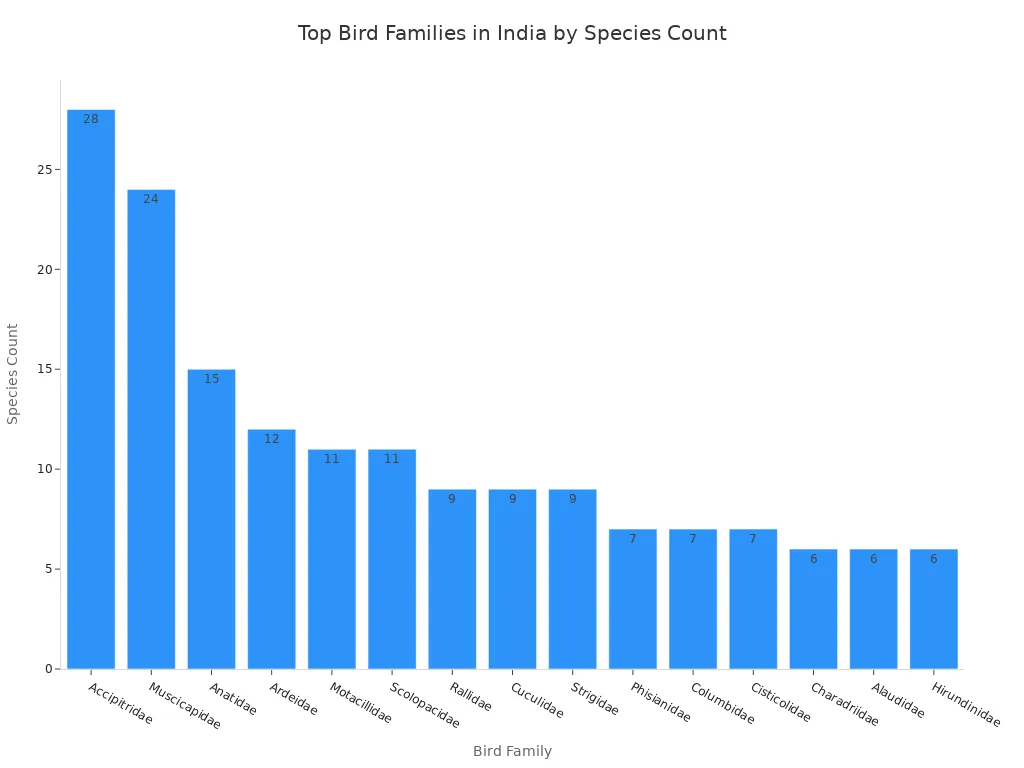
The Accipitridae family has 28 species. The Muscicapidae family has 24 species. These two families are very prominent in India’s bird population. Accipitridae also leads in avian diversity for the state of Gujarat. Muscicapidae has the most species of birds across India.
Iconic Bird Species of India
India showcases many iconic bird species. These birds represent the country’s rich natural heritage. They include majestic raptors, graceful waterfowl, colorful passerines, and unique endemic birds.
Majestic Raptors
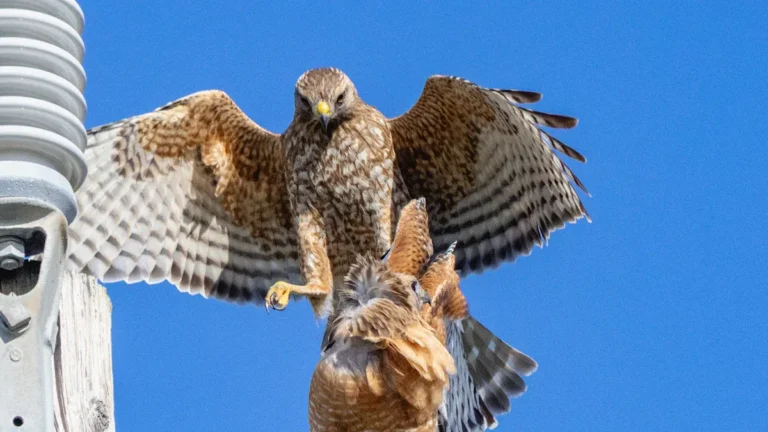
India’s skies host many majestic raptors. These birds are apex predators. The Indian subcontinent boasts an incredible diversity of raptors, with 73 species found across its varied landscapes. These “tigers of the skies” range from the large, 4-foot long Cinereous Vulture to the sparrow-sized Pied Falconet. They inhabit diverse terrains including rainforests, deserts, hills, coasts, and snow-capped mountains.
Eagles are large, powerful birds with wide wingspans. Even smaller eagles, like the Hawk Eagle and Small Serpent Eagle, have longer beaks and wings than other accipiters. Most eagles surpass other raptors in size, except for some vultures. Their broad, heavy beaks are exceptionally powerful. They use them to tear the flesh of their prey. Golden Eagles, the largest raptors, live in the high Himalayan ranges.
Many prominent eagle species soar over India. These include the Grey-headed Fish Eagle, Lesser Fish Eagle, Pallas’s Fish Eagle, and White-bellied Sea Eagle. Other notable eagles are the Mountain Hawk Eagle, Rufous-bellied Hawk Eagle, and Short-toed Snake Eagle. Vultures also play a crucial role. The Eurasian Griffon, Himalayan Griffon, and Lammergeier are common. The Brahminy Kite is a medium-sized raptor. It has distinctive chestnut plumage, a white head and breast, and black wing tips. This makes it easily identifiable.
However, many raptor species face threats. The White-rumped Vulture, once common, is now critically endangered. The Red-headed Vulture is also critically endangered. The Steppe Eagle, a winter migrant, is a species of conservation concern. Several species have vulnerable or near-threatened statuses:
Species | IUCN Red Data Book Status |
|---|---|
Pallas’s Fish-eagle | Vulnerable |
Lesser Fish-eagle | Near Threatened |
Grey-headed Fish-eagle | Near Threatened |
Indian White-rumped Vulture | Critical / Critically Endangered |
Indian Vulture or Indian Long-billed Vulture | Critical / Critically Endangered |
Slender-billed Vulture | Critical / Critically Endangered |
Himalayan Vulture | Endangered |
Cinereous Vulture | Near Threatened |
Redheaded Vulture | Near Threatened / Critically Endangered |
Nicobar Serpent-eagle | Near Threatened |
Andaman Serpent-eagle | Near Threatened |
Pallid Harrier | Near Threatened |
Nicobar Sparrowhawk | Vulnerable |
Greater Spotted Eagle | Vulnerable |
Steppe Eagle | Endangered |
Eastern Imperial Eagle | Vulnerable |
Lesser Kestrel | Vulnerable |
Red-necked Falcon | Endangered |
Saker Falcon | Decreasing (implied by population trend) |
Waterfowl and Waders
India’s wetlands attract many waterfowl and waders. These birds thrive in aquatic environments. The D’Ering Memorial Wildlife Sanctuary in Arunachal Pradesh recorded 17 species of Anatidae. The most abundant waterfowl species observed there were Tadorna ferruginea, Anas poecilirhnycha, and Bucephala clangula. Other important species include the White-winged Wood Duck. Baer’s Pochard, another waterfowl, faces extinction. These wetlands provide vital habitats for these birds, especially during migration.
Passerines and Forest Birds
Forests across India teem with passerine birds. The Forest Wagtail (Dendronanthus indicus) is a medium-sized passerine. It prefers open areas within forested environments, such as clearings. During winter, it lives in shaded forest habitats or along paths in coffee plantations. The Indian Pitta (Pitta brachyura) is a fascinating passerine bird. It inhabits scrub jungle, deciduous, and dense evergreen forests. It breeds in the Himalayas and central and western India. It migrates to other parts of the peninsula in winter.
The Indian Spotted Creeper (Salpornis spilonota) is a small passerine bird. It lives in dry scrub and open deciduous forests of northern and central peninsular India. The Verditer Flycatcher has intense blue plumage. One can spot it on bare twigs of tall trees in open forests. It resides in the Himalayas and parts of North-East India in summers. It becomes widespread across India as winter approaches. The Asian Brown Flycatcher breeds in the Himalayan foothills and central and western India. It prefers forested areas for breeding. It occupies open habitats in winter. The Indian Paradise Flycatcher has a wide range of breeding habitats across the Indian Subcontinent and Central Asia. Those inhabiting the Himalayas winter in forested areas along the northern plains.
Unique Endemic Birds
India is home to many unique endemic birds. A Zoological Survey of India (ZSI) report, “75 Endemic Birds of India,” indicates that 78 (5%) of India’s 1,353 bird species are endemic. The Western Ghats host the highest number of endemic species. These include the Malabar Grey Hornbill and Ashambu Laughing Thrush. The Andaman and Nicobar Islands also host 28 endemic bird species. Examples include the Andaman Teal and Nicobar Megapode.
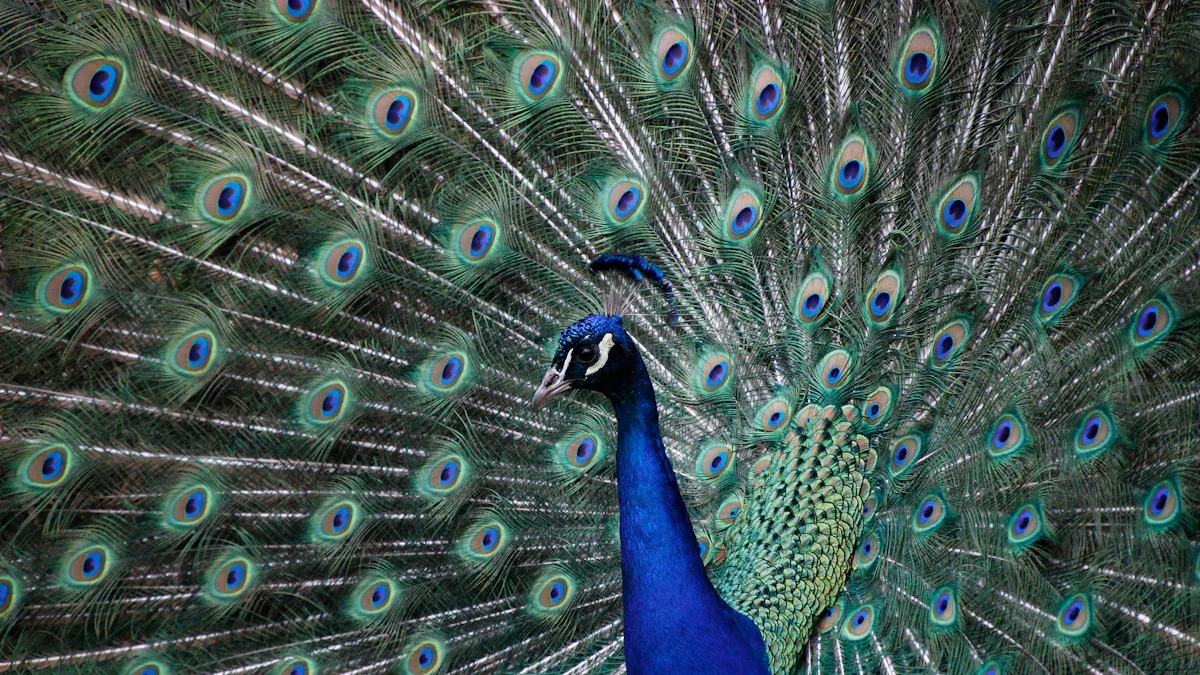
Iconic endemic birds of india include the Indian Peacock (Pavo cristatus), India’s national bird. The Great Indian Bustard (Ardeotis nigriceps) is another significant endemic species. The Nicobar Pigeon (Caloenas nicobarica) is also unique to the region. Other notable endemic species in the Western Ghats include the Wayanad Laughingthrush, Nilgiri Wood Pigeon, Blue-winged (Malabar) Parakeet, Nilgiri Thrush, Nilgiri Flycatcher, White-bellied Blue Flycatcher, Little Spiderhunter, and Crimson-backed Sunbird. Sadly, three species, the Manipur Bush Quail, Himalayan Quail, and Jerdon’s Courser, have not been sighted in decades.
These unique birds face many threats. Habitat loss, fragmentation, and degradation are the main reasons for declining bird diversity. Urbanization and rubber plantations contribute significantly to habitat loss. Climate change also poses a vital concern. Hunting, invasive species, new avian diseases, and detrimental development policies reduce bird numbers. Monoculture plantations modify or clear natural habitats. Non-steroidal anti-inflammatory drugs (NSAIDs) threaten vulture populations. Heavy metal pollution, deforestation, and rapid urbanization also harm birds. The expansion of wind energy threatens large-bodied birds like vultures, storks, eagles, and bustards. Protecting these unique species requires urgent conservation efforts.
Diverse Habitats of the Indian Subcontinent

India’s vast geographical spread creates a mosaic of diverse habitats. These environments support an incredible array of bird species. Each region offers unique conditions, shaping the types of birds that thrive there. This rich tapestry of ecosystems contributes significantly to the subcontinent’s avian diversity.
Himalayan Habitats
The majestic Himalayas offer a challenging yet rewarding environment for birds. Altitudinal variations greatly influence bird distribution. Bird species richness and abundance generally decrease with increasing altitude. Low altitudes, especially below 3000 meters above sea level, are crucial for overall bird diversity. High-altitude habitats, including those with snow and glaciers, are important for specific bird species. Abiotic factors like temperature and oxygen levels primarily determine altitudinal range limits. Montane birds tend to follow their preferred climate space. Competition also plays a significant role. Similar species often avoid co-occurrence at smaller scales due to aggressive responses to songs.
Many Himalayan birds undertake altitudinal migration. This influences competitive interactions outside the breeding season. Nearly 65% of high-elevation breeding birds in the Himalayas move to lower altitudes. For example, the Golden Bush-robin breeds at 3000-4600m and spends non-breeding periods as low as 500m. The White-browed Bush-robin breeds at high elevation but spends non-breeding periods above 2000m.
Characteristic avian species found in Himalayan habitats include:
Snow partridge (Lerwa lerwa)
Snow pigeon (Columba leuconota)
Himalayan monal (Lophophorus impejanus)
Himalayan vulture (Gyps himalayensis)
Cheer pheasant (Catreus wallichi)
Koklass pheasant (Pucrasia macrolopha)
Western tragopan (Tragopan melanocephalus)
Slaty-headed parakeet (Psittacula himalayana)
Kashmir flycatcher (Ficedula subrubra)
Orange bullfinch (Pyrrhula aurantiaca)
Himalayan rubythroat
Himalayan swiftlet
Mountain hawk-eagle
Long-tailed minivet
Rufous-throated wren-babbler (Spelaeornis caudatus)
Ward’s trogon (Harpactes wardi)
Sclater’s monal (Lophophorus sclateri)
Wetlands and Coasts
India’s wetlands and coastal regions are vital for many bird species, especially migratory birds. These areas provide essential feeding and breeding grounds. A study recorded 223 bird species from 30 families across 9 orders in India’s coastal wetlands. The Charadriiformes order showed the highest dominance. Thirty-one threatened bird species were also identified in these areas.
Large birds commonly spotted in Indian wetlands include:
Storks (Oriental and White Storks are rare)
Flamingos (Lesser and Greater varieties)
Egrets (six varieties, with Western and Pacific Reef Egrets found in coastal lines)
Pelicans (Great White, Dalmatian, and Spot-Billed)
Herons/Bitterns (11 varieties including Grey, Purple, Little, Pond, and Night Herons)
Ibises (Black, Glossy, and Black-headed)
Openbills, Spoonbills, and Adjutants
Other wading birds found in India’s wet habitats include:
Pied Avocet
Common Coot
Great Cormorant, Indian Cormorant, Little Cormorant, Pygmy Cormorant
Cream-coloured Courser, Indian Courser, Jerdon’s Courser
Wader birds, also known as shorebirds or sandpipers, inhabit coastal habitats, wetlands, and mudflats. They are classified by habitat:
Coastal Waders: Found along beaches, estuaries, and tidal flats. Examples include Crab Plover, Sandpipers, and Redshank.
Freshwater Waders: Inhabit marshes, lakes, and riverbanks. Examples include Black-tailed Godwit and Common Greenshank.
Grassland Waders: Prefer wet grasslands and floodplains. Examples include Eurasian Curlew and Ruff.
Arid Regions
India’s arid regions, like the Thar Desert, present harsh conditions. Birds living here show remarkable adaptations to survive. These adaptations help them cope with extreme temperatures and scarce water.
Adaptation | Description |
|---|---|
Length | 55-60 cm, providing a low center of gravity for balance at high speeds and aiding in scouting/capturing ground prey. |
Height | 20-25 cm, allowing the bird to stay close to the ground for concealment from predators and inconspicuousness to prey. |
Running Speed | Exceptional speed, enabling efficient foraging and predator evasion across the landscape. |
Coloration | Bright chestnut crown, broad black eye-stripe, and rufous breast for seamless camouflage with the arid environment. |
These adaptations allow birds to thrive in the desert. They efficiently forage and evade predators. Their coloration helps them blend seamlessly with the arid environment.
Western Ghats
The Western Ghats are a biodiversity hotspot and a UNESCO World Heritage Site. This region holds a rich avian population, comprising 508 bird species. Its hotspot status means it harbors exceptional diversity, including many endemic species. However, this diversity faces significant threats from human activity and climate change. This necessitates urgent conservation efforts. The Western Ghats are home to 16 bird species found nowhere else.
Key endemic bird species found in the Western Ghats include:
Rufous-breasted laughingthrush (endangered)
Nilgiri wood-pigeon (vulnerable)
White-bellied shortwing (vulnerable)
Broad-tailed grassbird (vulnerable)
Nilgiri Pipit (Anthus nilghiriensis) (vulnerable)
Malabar grey hornbill (least concern)
White-bellied treepie (least concern)
Grey-headed bulbul (least concern)
Wayanad laughingthrush (least concern)
White-bellied blue-flycatcher (least concern)
Crimson-backed sunbird (least concern)
Nilgiri Sholakili (Sholicola major)
Malabar Barbet (Psilopogon malabaricus)
Flame-throated Bulbul (Pycnonotus gularis)
North-Eastern Habitats
North-Eastern India boasts incredibly rich and varied habitats. These range from dense forests to vast grasslands and wetlands. This region supports a high diversity of india birds.
Characteristic bird species of North-Eastern habitats include:
General Species: Greater Adjutant, Great and Wreathed Hornbills, Blue-bearded Bee-eater, Pied Falconet, Rufous-bellied Eagle, Golden-throated Barbet, Scaly Laughingthrush, Sultan Tit.
Alpine Meadows: Blood Pheasant, Snow Partridge, Himalayan Monal, Himalayan Vulture, Grandala, Tibetan Serin.
Wetlands and Grasslands: Spot-billed Pelican, Lesser Whistling Duck, Ruddy Shelduck, Cotton Pygmy Goose, Asian Openbill, Lesser Adjutant, Black-necked Stork, Bronze-winged Jacana, River and Whiskered Terns.
Raptors: Pallas’s Fish Eagle, Oriental Honey Buzzard, Black Baza, Brahminy Kite, Grey-headed Fish Eagle, Red-headed Vulture, Crested Serpent Eagle.
Open Woodlands: Fulvous-breasted Woodpecker, Red Junglefowl, Yellow-footed Green Pigeon, Asian Koel, Greater Coucal, Eurasian Hoopoe, Oriental Pied and Great Hornbills.
Highlights/Rare Species: Bengal Florican, Lesser Adjutant, Blue-naped Pitta, Indian Grassbird, Swamp Francolin, Black-breasted Weaver, Finn’s Weaver, Dusky Eagle-Owl, Black-necked Stork, Spot-billed Pelican, Pallas’s Fish Eagle.
Specific areas also host unique birds:
Dehing Patkai National Park: Grey-peacock Pheasant, Austen’s Brown Hornbill, White-winged Duck, Black-breasted Parrotbill.
Mishmi Hills: Mishmi Wren Babbler, Cachar Wedge-billed Babbler, Rusty-bellied Shortwing, Blyth’s Tragopan, Ward’s Trogon.
Eaglenest Wildlife Sanctuary: Bugun Liocichla, Blyth’s and Temminck’s Tragopans, Rufous-necked Hornbill, Fire-tailed Myzornis.
Kaziranga National Park (Grasslands): Swamp Partridge, Slender-billed Vulture, Bengal Florican, Finn’s Weaver, Striated Grassbird.
These varied habitats across the indian subcontinent provide crucial homes for countless bird species. Protecting these environments ensures the continued survival of India’s rich avian wildlife.
Birdwatching in India: Tips and Destinations
India offers incredible opportunities for birdwatching. This section provides practical advice for birdwatching enthusiasts. It also lists top destinations for observing india birds. A successful birdwatching trip requires preparation and respect for nature.
Essential Birdwatching Gear
Proper gear enhances your birdwatching experience. High-quality binoculars, often 8×42, are crucial for spotting and observing birds. A spotting scope with a tripod helps view distant birds, especially waterbirds. An Indian bird field guide is invaluable for identification. Carry a notebook and pen to record observations and sightings. A camera with a telephoto lens is useful for photography. Digital tools like Merlin Bird ID or iBird assist in identification. Wear comfortable, earth-toned field clothing to blend in. A hat and sunglasses provide sun protection. Insect repellent is necessary in some areas. Always carry water and snacks. A backpack holds all your essentials. A field chair or mat offers comfort during long sessions.
Ethical Birdwatching
Ethical birdwatching ensures minimal disturbance to birds and their habitats. Always observe birds from a safe distance. Use binoculars and spotting scopes. If your approach causes a bird to change its behavior, you are too close. Never purposely advance on birds to make them fly. Avoid using flash, especially on nocturnal birds. Remove GPS data from images of rare species before sharing locations. Never lure birds with bait; baiting can change predatory birds’ behavior. Use playback sparingly, especially with endangered birds. Keep an appropriate distance from nests and nesting colonies. This helps avoid disturbance. Refrain from handling birds or eggs. Stay on existing roads, trails, and pathways. This prevents trampling fragile habitats. These guidelines help protect wildlife and ensure a positive experience for all.
Top Birding Destinations
India boasts many excellent birdwatching destinations. These birding hotspots attract visitors worldwide. Jim Corbett National Park in Uttarakhand offers diverse birds, including various eagles, owls, and woodland birds. Bharatpur Bird Sanctuary in Rajasthan is famous for migratory birds like the Sarus Crane and many waterfowl. Other top destinations include Kaziranga National Park in Assam, known for the Bengal Florican and White-winged Duck. Chilika Lake in Odisha is a winter haven for flamingos and pelicans. The Western Ghats host unique endemic species like the Wayanad Laughingthrush. For a Himalayan Monal sighting, consider a birdwatching trip to the higher altitudes of Uttarakhand or Sikkim. The best time to visit these destinations often depends on migratory patterns.
India’s unparalleled avian diversity makes it a global birdwatching destination. Varied habitats across the Indian subcontinent critically support this richness. Protecting these environments is crucial for future generations. Many challenges threaten this diversity. Urbanization and habitat destruction are primary drivers of bird decline. Reduced canopy cover and diminishing vegetation heterogeneity also negatively impact bird species. Climate change requires adaptive management strategies for vulnerable birds.
Conservation efforts are vital. India classifies 178 bird species as high conservation priority. These conservation initiatives often face funding constraints. Human-wildlife conflict also poses a significant challenge. Protecting these Indian birds and their habitats ensures the subcontinent’s feathered wonders endure.
FAQ
How many bird species live in India?
India is home to over 1,300 bird species. A comprehensive volume documents 1,998 species and subspecies. This makes India a prime location for bird study.
Why does India have so many different birds?
India’s diverse landscapes create many habitats. High mountains, vast plains, deserts, and coastlines all support different birds. Varied climates allow many species to thrive.
What are some threats to India’s birds?
Habitat loss, fragmentation, and degradation threaten India’s birds. Urbanization and climate change also pose risks. Hunting and invasive species reduce bird numbers.
Do birds travel far to reach India?
Yes, many birds undertake long journeys to India. These migratory birds travel thousands of kilometers. They come for food and breeding during cooler months. Their migration patterns are fascinating.