
The Labrastaff blends Labrador warmth with Stafford courage to create a loyal, family-friendly companion. It’s patient, playful, and forms strong bonds while guarding without aggression. Expect a solid, athletic dog with short, varied coats, regular grooming needs, and a love for walks, games, and gentle training to build good manners.
Origin and Background
Blending curiosity and work ethic, the Labrastaff began as a deliberate cross between the Labrador Retriever and the Staffordshire Bull Terrier to marry friendliness with courage.
The breeding history traces thoughtful choices undertaken through owners who wanted a dog that belonged in active homes and close communities. Geographic roots sit in regions where both parent breeds were popular, and breeders focused on local needs like family life and working tasks.
This origin created dogs that feel like neighbors you trust. The account avoids myth and sticks to known facts. It records careful pairings, selection for sound health, and steady stewardship through small breeder groups. That progression links breeding history with geographic roots and shows why the Labrastaff feels familiar and welcome.
Temperament and Personality
Upon encountering a Labrastaff, many people notice a warm, steady presence that welcomes attention whilst still showing clear purpose.
This dog often reads the room and responds with gentle patience, demonstrating emotional intelligence that comforts and reassures. It seeks connection and shows clear bonding behavior with family members, leaning into hugs, play, and quiet companionship.
The Labrastaff prefers routine and gentle guidance, so it thrives whenever included in daily life and social moments. It protects without aggression, choosing to alert rather than escalate. It learns quickly from calm, consistent cues and returns affection in kind.
Because it values trust, building a sense of belonging strengthens cooperation and deepens the relationship over time, creating a loyal, steady companion.
Appearance and Size
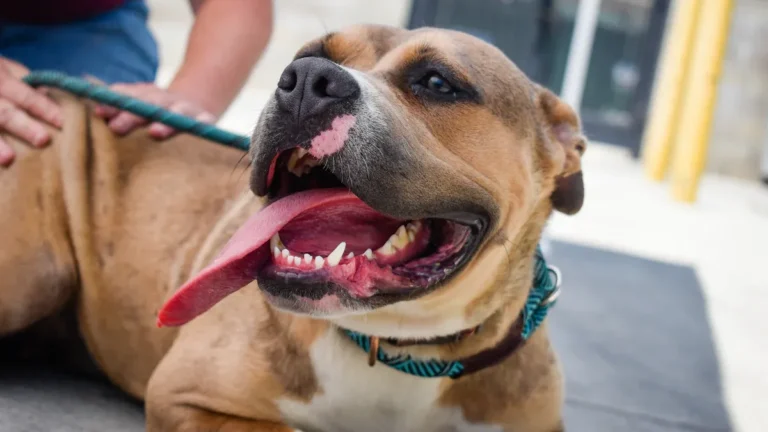
The Labrastaff’s coat can range from short and sleek to slightly dense, with common colors including black, chocolate, fawn, and brindle that often tell a bit about its ancestry.
Typical height usually falls within a medium range, so the dog looks sturdy without appearing oversized. Its build pairs strong muscle tone with a balanced frame, which helps explain why this breed moves with both power and gentle ease.
Coat Types & Colors
While Labrastaffs often seem to wear a simple coat, their fur actually shows useful variety that tells owners a lot about care and comfort. The coat might be short and dense or slightly longer with a soft underlayer. Owners learn shedding patterns and notice seasonal changes, so they can plan grooming and bonding time. Colors range from solid shades to mixed patches, and each looks warm and inviting to a family.
| Coat Type | Typical Texture | Common Colors |
|---|---|---|
| Short dense | Smooth, tight | Black, chocolate |
| Plush undercoat | Soft, insulating | Fawn, brindle |
| Medium length | Slight wave | White markings |
| Mixed patterns | Varied | Blue, sable |
This helps families choose care routines that fit daily life.
Typical Height Range
After enjoying the feel and color of a Labrastaffs coat, attention often moves to how that dog fills out in height and presence. A Labrastaff typically stands between about 18 and 22 inches at the shoulder. This range welcomes both smaller and taller family members of the type.
During growth stages puppies shoot up quickly then slow as adults, so families watch progress with gentle excitement. Height connects to size but not to personality, and people feel satisfaction in dogs that match household space and lifestyle.
Caregivers also observe weight variations as a helpful companion measure alongside height. Together height and weight variations guide feeding and activity choices, and they encourage a confident sense of belonging for those who share life with a Labrastaff.
Build & Muscle Tone
Because muscles show how a Labrastaff moves and lives, observers often notice the breed’s solid, athletic build right away. The Labrastaff’s muscle development reflects steady activity and balanced body composition. Readers who care for these dogs feel part of a team that keeps fitness gentle, consistent, and joyful. Clear shoulders, strong hindquarters, and a roomy chest let the dog trot, play, and rest with ease. Owners bond through shared routines that support healthy weight and toned muscle.
| Area | Feel | Purpose |
|---|---|---|
| Shoulders | Firm | Drive and reach |
| Hindquarters | Muscular | Power and spring |
| Chest | Broad | Lung capacity |
| Abdomen | Tucked | Core support |
Those who join this care circle notice how posture and movement tell a healthy story.
Exercise and Activity Needs
Labrastaffs thrive on regular, varied activity because their mixed heritage blends the energy of a Labrador with the muscle and drive of a Staffordshire Bull Terrier. They enjoy long walks, lively fetch sessions, and games that offer mental stimulation and structured play. Owners feel included whenever routines invite the whole household to join in.
Mix outdoor exercise with indoor puzzle toys to keep interest high. Vary intensity so the dog gets both vigorous runs and calm recoveries. Social outings to dog-friendly parks can bond family and pet while burning energy. Short burst workouts protect joints and satisfy enthusiasm.
Consistent activity helps Labrastaffs stay fit, calm, and connected to their people, making them eager partners in daily life.
Training and Socialization
Training and socialization should start young for Labrastaffs, with gentle exposure to people, places, and other animals to build confident, calm adults.
Using positive reinforcement helps the dog learn faster and keeps training enjoyable for both dog and owner.
Because many Labrastaffs have a strong prey drive, handlers should add controlled recall and distraction training so walks and play stay safe and fun.
Early Socialization Essentials
Once puppies initially come home, gentle, steady social steps make a big difference in how comfortable they grow around people and other animals. A Labrastaff benefits whenever caregivers guide puppy interactions with calm confidence.
Short, frequent meetups with friendly people, kids who move slowly, and vaccinated dogs build trust without overwhelming the pup. Confidence building happens through predictable routines, soft praise, and safe exploration of new places like yards and quiet parks.
Family members who include the puppy in daily life create belonging and help the dog learn household rhythms. Gradual exposure to sounds, surfaces, and gentle handling teaches tolerance and reduces fear.
Patience, consistent boundaries, and warm encouragement strengthen bonds and help the Labrastaff become a well-adjusted companion.
Positive Reinforcement Training
At any time a caregiver uses kind rewards and clear signals, a Labrastaff learns fast and feels safe while learning new behaviors. The breed responds warmly to a consistent reward system and short, clear cues. Clicker training fits well with their enthusiastic nature because it marks success and builds trust. Training sessions stay brief and joyful so the dog stays engaged and bonded to the person. Social games and gentle practice build community between family and dog. Changes from simple to harder tasks should be gradual and linked through praise and treats to keep momentum and belonging. Below is a simple guide to common training moments.
| Situation | Cue | Reward |
|---|---|---|
| Sit | Say sit | Treat and praise |
| Stay | Calm tone | Short walk |
| Recall | Cheerful call | Playtime |
| Leave it | Firm no | Favorite toy |
Managing High Prey Drive
Positive reinforcement builds the bond and sets a calm tone, and that same gentle approach helps each time a Labrastaff chases squirrels or fixates on small animals. The dog learns alternate behaviors with praise, treats, and short, clear commands.
Trainers suggest practicing recall in low distraction areas, then adding distance and movement slowly so prey instincts are redirected instead of punished. Containment strategies belong with training. A secure yard, leash discipline, and proper fencing keep the dog and wildlife safe during skills grow.
Socialization with controlled exposures to other animals teaches impulse control and confidence. Owners who join classes or small groups find support and shared tips. Together they create consistent rules, steady progress, and a sense of belonging for both dog and family.
Grooming and Coat Care
Grooming a Labrastaff is a chance to build trust and keep the dog healthy, and a gentle routine makes the task simple and even enjoyable.
A regular brushing schedule helps shedding management and supports comprehensive coat maintenance. Brushing two to three times a week removes loose hair and spreads natural oils, so the coat stays shiny and comfortable.
Bathing should be occasional and mild to avoid drying the skin, and using a dog shampoo designed for sensitive coats helps.
Nail trims, ear checks, and dental care fit naturally into the grooming rhythm, so the dog learns to accept handling. Owners find that calm, consistent sessions deepen their bond.
Simple tools, patience, and praise make grooming feel like shared care rather than a chore.
Common Health Concerns
Because Labrastaffs combine traits from two strong breeds, they can be prone to a few predictable health issues that owners should watch for with care and calm, consistent attention. A sense of shared responsibility helps owners spot initial signs of genetic disorders like hip dysplasia, eye conditions, and some cardiac concerns.
Regular vet checks build belonging and catch problems sooner. Joint problems deserve steady management through weight control, moderate exercise, and supportive supplements as recommended.
Skin sensitivities and allergies might appear and respond well to gentle diets and consistent grooming. Preventive care links all these areas, so vaccinations, dental care, and clear communication with a trusted vet form a caring routine that keeps Labrastaffs comfortable and connected to their families.
Is a Labrastaff Right for Your Family?
After covering common health worries, it helps to evaluate how those needs fit into everyday family life upon deciding whether a Labrastaff is the right dog.
A Labrastaff often seeks closeness and thrives where people share time together. Consider family compatibility based on matching energy levels, patience with training, and comfort with a strong, affectionate dog.
Reflect on lifestyle adjustment too. A household that enjoys walks, playtime, and clear routines will find it easier to meet exercise and mental needs. Children who are taught gentle handling and boundaries usually form steady bonds.
Adults who can commit to training and socializing will help the dog feel safe and included. Neighbors, schedules, and available space also shape whether this dog will fit into the family circle.