

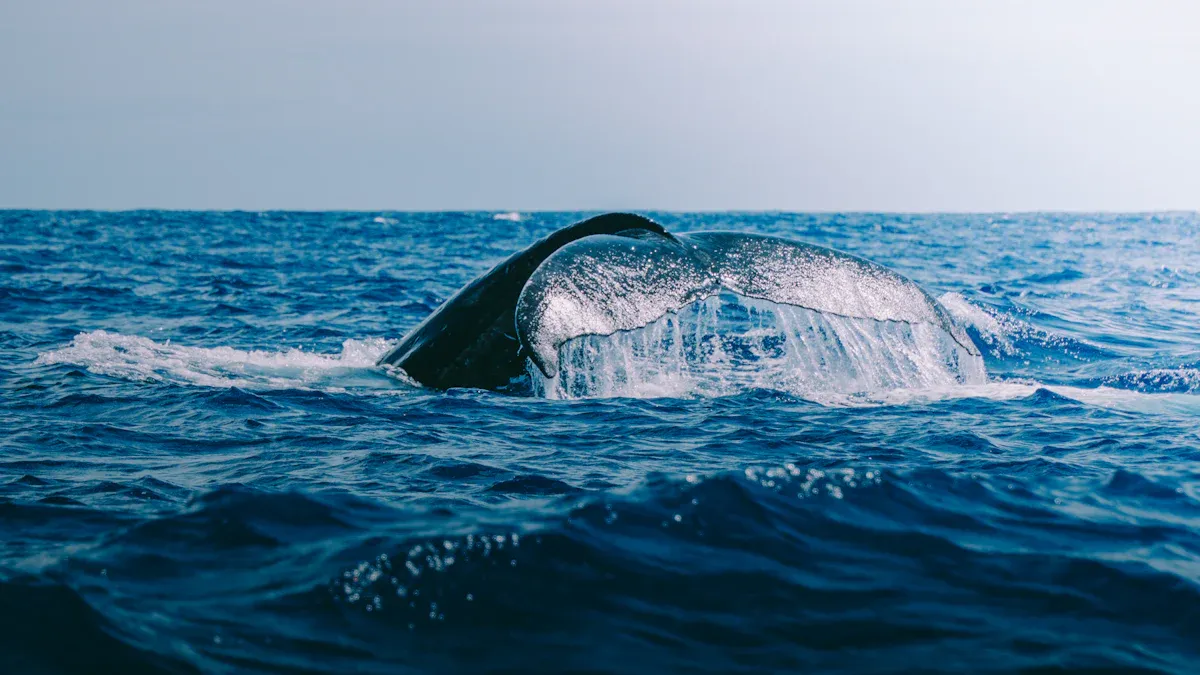
Meet the Springer Killer Whale, the orphaned orca A73, whose incredible journey back to her family has captured hearts around the world. Rescued in 2002, she stands out as the only killer whale successfully reintroduced to the wild after human intervention. Her story not only showcases the resilience of orcas but also highlights the importance of scientific research in conservation efforts. The sighting of her first baby indicates that the Springer Killer Whale leads a thriving life in the wild, making her journey a beacon of hope for orphaned orcas everywhere.
Key Takeaways
Springer A73’s successful reintroduction shows the power of teamwork in wildlife rescue. Collaboration among various organizations made her return to the wild possible.
Proper rehabilitation is crucial for wildlife. Experts monitored Springer’s health and provided care to ensure she was ready to thrive in her natural habitat.
Public engagement plays a vital role in conservation efforts. Community support can drive initiatives that protect orcas and their environments.
Springer’s story highlights the importance of genetic diversity. Her successful reproduction contributes to the survival of the Northern Resident killer whale population.
You can help orca conservation by advocating for habitat protection and raising awareness about the challenges orcas face in their natural habitats.
Springer A73 Background
Early Life and Orphaning
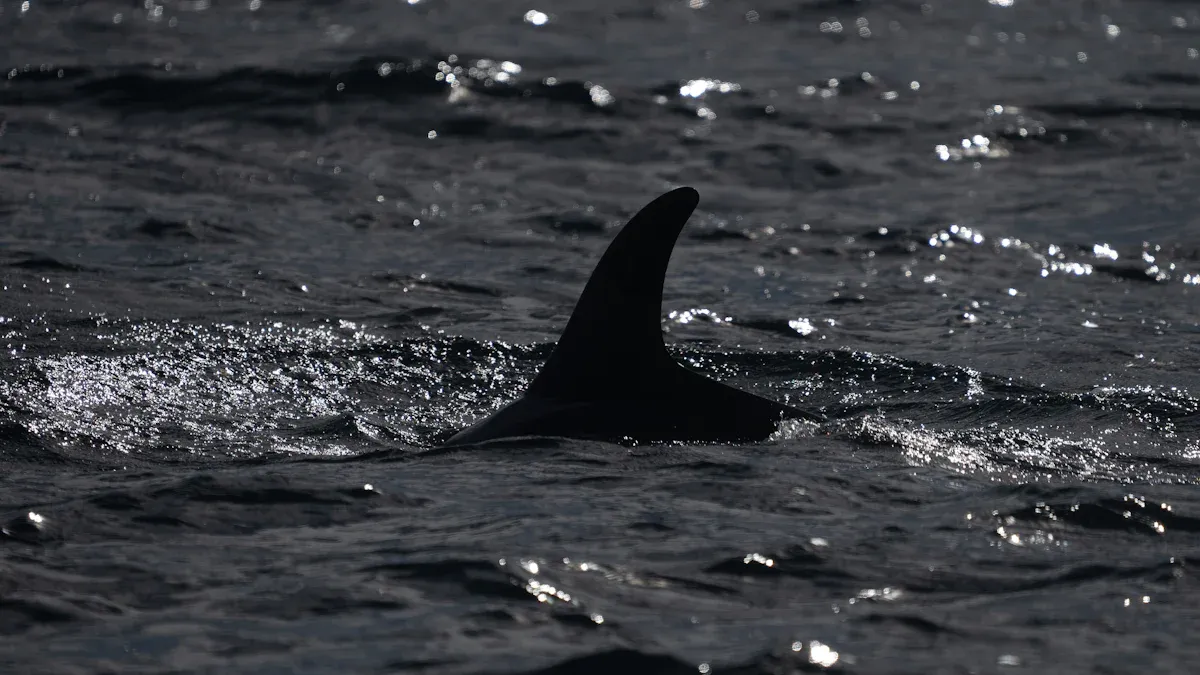
Springer A73, a member of the Northern Resident population of orcas, was born into a close-knit family. Her lineage is significant, as she belongs to a group typically found in the waters between the Canadian mainland and Vancouver Island. Unfortunately, tragedy struck when she lost her mother, likely before the summer of 2001. This loss left her alone at a young age, which is quite unusual for a Northern Resident killer whale. You might find it surprising that she ended up in Puget Sound during winter, far from her natural habitat.
After her mother’s death, Springer faced numerous challenges. She struggled with malnourishment and sickness, which made her situation even more precarious. Imagine being a young orca, trying to navigate the vast ocean without the guidance of your family. The uncertainty of whether she could reintegrate with her pod weighed heavily on her.
Initial Challenges
The complexities of her rehabilitation were daunting. Experts had to assess her health and determine the best course of action for her recovery. They worried about her ability to adapt to life in the wild again. Fortunately, Springer showed remarkable resilience. She began to travel with her natal matriline, the A24s, and even formed a bond with A51, who acted like a caring mother figure. During her travels, she was spotted with her grandmother, A24, showcasing the strong family connections that orcas maintain.
Springer’s journey from an orphaned orca to a thriving member of her pod is a testament to her strength and the dedication of those who worked to help her.
The Reintroduction of Springer Killer Whale
Agencies Involved
The successful reintroduction of Springer A73 involved several dedicated organizations. You might be surprised to learn that a collaborative effort made this remarkable orca reunion possible. Key players included:
National Marine Fisheries Service
Vancouver Aquarium
Various whale advocacy groups
These agencies worked together to ensure that Springer received the best care and support throughout her journey back to the wild.
Capture and Health Assessments
On June 13, 2002, a team led by Jeff Foster captured Springer. They used a soft rope to gently hoist her into a boat. After her capture, she spent four weeks in a sea pen. During this time, experts monitored her health and provided her with live salmon to help her regain strength.
The health assessments revealed several issues that needed addressing. Here’s a quick overview of the findings:
Medical Issue | Description |
|---|---|
Ketosis | A metabolic state indicating malnutrition. |
Infestation of parasitic worms | Presence of worms affecting health. |
Anemia | A condition indicating low red blood cell count. |
Skin condition | Issues related to skin health. |
Respiratory problem | Breathing difficulties noted. |
Low body weight | Indicating malnourishment. |
Poor overall physical condition | Resulting from inactivity and health issues. |
Muscle breakdown | Due to burning fat reserves for energy. |
No genetic defects found | Blood tests showed no genetic issues, allowing for rescue and rehabilitation. |
Despite these challenges, the team remained optimistic about Springer’s future.
Reunion with Her Pod
Once Springer was healthy, the next step was to facilitate her reunion with her pod. Canadian experts planned to hold her in a net pen in Johnstone Strait, where her closest relatives swam during the summer months. This approach allowed her to become accustomed to her family before the big moment.
As luck would have it, scientists captured sounds of Springer’s pod just before her release. This indicated that her orca family had returned to the waters off north Vancouver Island earlier than expected. When the time came, officials waited for her immediate family, the A-24 group, to arrive. They released her in their presence, marking a truly remarkable orca reunion.
Springer’s successful reintroduction not only showcased her resilience but also highlighted the importance of teamwork in conservation efforts. You can imagine the joy and relief felt by everyone involved when they witnessed her swimming alongside her family once again.
Current Status of Springer
Family and Offspring
Springer A73 has truly thrived since her reintroduction. You’ll be pleased to know that she has built a strong family life. Her reunion with her pod has been crucial for the genetic diversity of the Northern Resident killer whale population. Over 20 years later, Springer is not just surviving; she has her own offspring!
In July 2013, she was seen with her first calf, Spirit (A104).
Four years later, she welcomed a second calf.
By producing these calves, Springer plays a vital role in the survival of the Northern Resident population. Her successful reproduction enhances the number of individuals in her population, which is critical for its survival.
Sightings and Travel Patterns
Since her reintroduction, you can find Springer thriving within her natal pod, the A4 pod. She has been observed socializing and feeding in the Johnstone Strait. Notably, on June 22, 2005, she was among the first northern resident orcas to return to the area, swimming closely with other orcas, including her adoptive family. By July 14, 2006, she was reported to be a fully integrated member of her pod, participating in social behaviors and enjoying the local salmon runs.
Initially, Springer displayed some problematic behavior around boats, but she soon began to travel consistently with the A4 and A5 pods. Here’s a quick overview of her travel patterns:
Date | Event Description |
|---|---|
July 16 | Springer was observed traveling close to her natal matriline, the A24s, and later mingled with the A12s & A35s. |
July 16 | She exhibited concerning ‘boat behavior’ but was later escorted back into the Strait by the A36 brothers. |
Following | Springer spent over a week closely associated with A51 & A61, indicating strong social bonds. |
August | A51 was observed guiding Springer away from boats, showing a nurturing behavior typical of a surrogate mother. |
During her time with A51, it became clear that A51 acted as a surrogate mother to Springer, intervening when she approached boats. This behavior shows how well Springer adjusted and integrated into her new social structure.
Implications for Orca Conservation
Lessons Learned
Springer’s journey has taught us valuable lessons about orca conservation. You might be surprised to learn how much her story has influenced the way we approach similar situations. Here are some key takeaways:
Importance of public engagement in conservation efforts: The community rallied around Springer’s rescue, showing how public interest can drive conservation initiatives.
Complexities of inter-agency collaboration: The successful reintroduction involved multiple organizations working together, highlighting the need for teamwork in conservation.
Need for careful consideration of animal welfare during reintroduction: Experts learned that ensuring the health and well-being of the animal is crucial for a successful return to the wild.
These lessons have shaped future protocols for rescuing and rehabilitating orphaned orcas.
Importance of Protection
Protecting orca populations is more critical than ever. As you may know, orcas face numerous threats in their natural habitats. Here are some of the current challenges they encounter:
Pollution: Chronic pollutants, including chemical toxins and plastics, harm marine life and accumulate in orcas, affecting their health.
Noise Pollution: Increased boat traffic and military sonar disrupt orca communication and behavior, leading to potential physical harm.
Habitat Disturbance: Human activities like pile driving and bottom-trawling disrupt orca habitats, affecting their ability to find prey.
Entanglement: Fishing gear and lines pose risks of entanglement for orcas, leading to injury or death.
Boat Strike: Orcas are at risk of being struck by boats, which can cause serious injuries or fatalities.
Declining Fish Populations: Overfishing and habitat loss have led to a decline in salmon populations, which are crucial for the Southern Resident orcas’ diet.
To combat these threats, various conservation measures have been implemented since Springer’s reintroduction. For instance, new bills aim to safeguard habitats essential for salmon and orcas by preventing pollution. Here’s a quick overview of some of these measures:
Bill Number | Description |
|---|---|
SB 5155 / HB 1208 | Implementing Environmental Justice Impact Statements to safeguard habitats essential for salmon and orcas by preventing pollution. |
HB 1670 / SB 5450 | Ensuring prompt public notification of sewage spills to minimize environmental damage affecting salmon and orca populations. |
HB 1462 / SB 5438 | Reducing HFC emissions to mitigate climate change impacts on salmon populations, crucial for orca survival. |
HB 1303 / SB 5380 | Mandating assessments of environmental impacts to prevent pollution in critical habitats for salmon and orcas. |
SB 5033 | Monitoring PFAS chemicals to reduce contamination in water bodies critical for salmon habitats. |
HB 1631 | Supporting bull kelp forests that provide nurseries for young salmon, benefiting orca recovery. |
By protecting these magnificent creatures and their habitats, we can ensure that future generations will continue to witness the power of family bonds among orcas. Springer’s story serves as a reminder of the importance of protecting the future of these incredible animals.
Springer’s journey from an orphaned orca to a thriving member of her pod is truly inspiring. Her successful reintroduction highlights the power of collaboration among various stakeholders, including governments and NGOs. Here are some key takeaways from her story:
Cooperation among different groups is crucial for successful wildlife rescue operations.
Proper rehabilitation and support are essential for reintegrating wildlife into their natural habitats.
Springer’s story serves as a positive example of how teamwork can lead to successful outcomes in wildlife rescue.
You can play a role in orca conservation too! Here are some effective ways to raise awareness about the challenges orcas face:
Take action and ask Washington’s leaders to restore the lower Snake River to help salmon populations, which are crucial for orca survival.
Call your members of Congress to support funding for Puget Sound recovery.
Write a letter to the editor to inspire community action and share information about orcas.
Learn more about orcas and their challenges through educational resources and community groups.
By engaging in these efforts, you can help protect these magnificent creatures and ensure their future in the wild.
FAQ
What happened to Springer after her reintroduction?
Springer thrived after her reintroduction. She reunited with her pod, the A24s, and has since had two calves, contributing to the genetic diversity of the Northern Resident population.
How did experts ensure Springer’s health before release?
Experts conducted thorough health assessments while Springer was in a sea pen. They monitored her condition, provided live salmon, and treated any medical issues to prepare her for life in the wild.
Why is Springer’s story important for orca conservation?
Springer’s journey highlights the power of collaboration in wildlife rescue. Her successful reintroduction serves as a model for future conservation efforts, emphasizing the need for teamwork and public engagement.
What threats do orcas face today?
Orcas face threats like pollution, noise disturbances, habitat loss, entanglement in fishing gear, and declining fish populations. These challenges make conservation efforts crucial for their survival.
How can I help orca conservation efforts?
You can support orca conservation by advocating for habitat protection, contacting lawmakers, participating in community awareness campaigns, and educating yourself and others about the challenges orcas face.