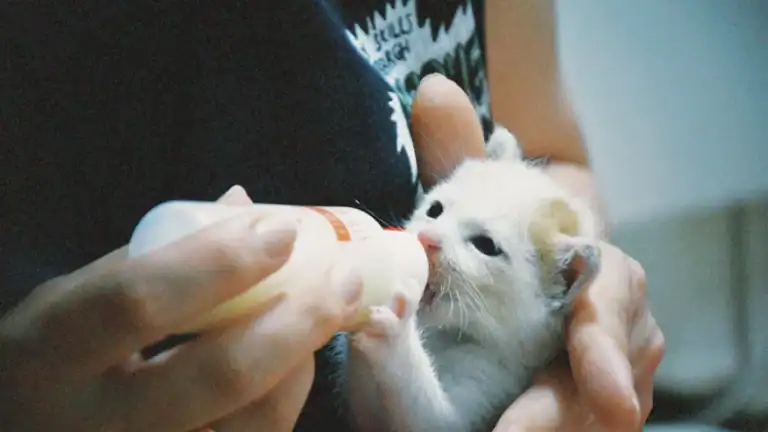

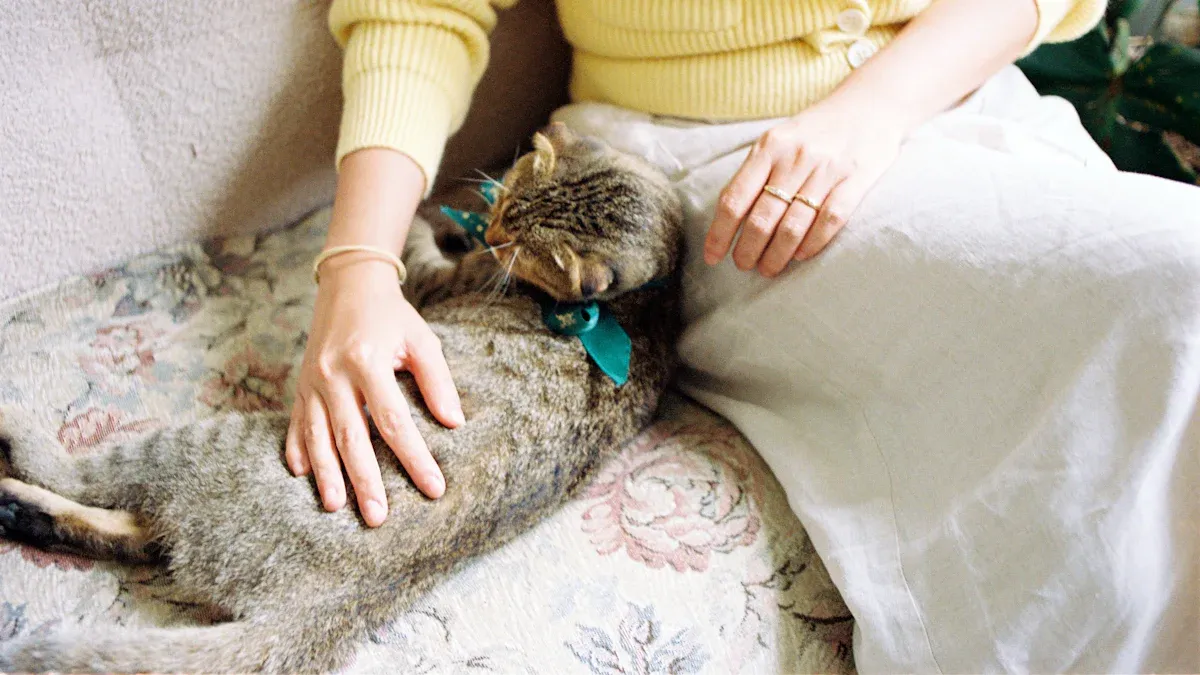
Bonding with a shelter cat can change both your lives for the better. When you adopt a shelter cat, you not only provide a loving home but also gain a loyal companion. Research shows that in the last year, cat adoptions increased by 3.8%, highlighting the growing awareness of how fulfilling this relationship can be. Building a strong bond with a shelter cat helps reduce stress and anxiety for both you and your new furry friend. Remember, patience is key! Take your time to listen to her caretaker and understand her needs. This journey will be rewarding as you learn how to adopt a cat and create a lasting friendship.
Key Takeaways
Create a safe space for your shelter cat to help her feel secure and comfortable in her new home.
Understand your cat’s body language to recognize her feelings and build trust through positive interactions.
Engage in regular playtime with interactive toys to strengthen your bond and provide mental stimulation.
Use treats to create positive associations, encouraging your cat to approach you and feel more at ease.
Be patient and respect your cat’s pace during the bonding process, celebrating small victories along the way.
Create a Safe Space

Creating a safe space for your new shelter cat is essential. Cats thrive in environments where they feel secure and comfortable. When you meet their basic needs for safety, you help them adjust to their new home. A cozy area can make all the difference in how quickly your cat bonds with you.
Set Up Cozy Areas
Start by setting up cozy spots around your home. Use soft blankets, cushions, or even a cat bed to create inviting spaces. Cats love to curl up in warm, snug places. You might want to place these cozy areas near windows so your cat can enjoy the sunshine.
Tip: Cats often feel more secure when they have a designated resting area. This helps them relax and feel at home.
Provide Hiding Spots
Hiding spots are just as important. Cats are naturally cautious creatures. They often seek out places where they can observe their surroundings without being seen. Providing hiding spots can help your cat feel safe and reduce stress.
Here are some ideas for hiding spots:
Cardboard boxes: Simple and effective, boxes give your cat a place to retreat.
Cat trees: These not only provide height but also offer enclosed spaces for your cat to hide.
Blanket forts: Drape a blanket over a chair to create a cozy cave.
Research shows that providing hiding spaces helps cats relax and may even improve their adoptability. A smaller, controlled environment allows them to adjust more quickly to their new home. Transitioning from a kennel to a larger space can be overwhelming. A designated safe space lets your cat decompress and explore at their own pace.
By creating a safe environment, you set the stage for a strong bond with your shelter cat. When your cat feels secure, they are more likely to approach you and engage in play or cuddling.
Understand Cat Behavior
Understanding your shelter cat’s behavior is crucial for building a strong bond. Cats communicate through body language, and recognizing their signals can help you respond appropriately. This awareness fosters trust and makes your cat feel more comfortable in her new home.
Learn Feline Signals
Cats express their feelings through various body language signals. By learning these signals, you can better understand your cat’s emotional state. Here’s a handy table to help you identify some common feline body language signals:
Body Language Signal | Emotional State |
|---|---|
Relaxed Whiskers | Relaxed |
Perked Forward Whiskers | Interest and Curiosity |
Whiskers Pulled Back | Non-threatening |
Kneading | Happiness or Contentment |
Purring | Happiness or Stress |
Arched Back | Aggression |
Loose Posture | Relaxed |
Tucked Tail | Nervous |
When you watch her body language, you’ll notice how it reflects her mood. For example, a cat with a relaxed body posture and a tail held high is likely feeling confident and happy. On the other hand, if she’s hiding or has a tucked tail, she may be frightened or anxious.
Understanding these signals can significantly improve your bonding experience. Recognizing when your cat is comfortable or stressed allows you to adjust your interactions accordingly. For instance, if she seems frightened, give her space and let her come to you when she’s ready.
Recognize Stress Signs
Just as it’s important to recognize positive signals, you should also be aware of signs of stress. Cats can experience anxiety in new environments, and recognizing these signs can help you prevent behavioral issues. Here are some common stress indicators:
Hiding
Inappropriate elimination
Changes in eating habits
Grooming issues
Destructive behavior
Vocalization
Aggression
Changes in sleeping patterns
If you notice any of these signs, it’s essential to address them promptly. To help minimize your cat’s stress, create cat-friendly spaces, engage in play, and ensure she has access to food and water. Regular vet visits can also help detect any underlying health issues that might contribute to her stress.
Respecting your cat’s personal space is vital during this process. Forcing interaction can damage the bond you’re trying to build. Instead, allow her to initiate contact. This approach fosters a trusting relationship and encourages her to feel safe around you. Remember, “While it can take time and patience to help a shy cat build trust and confidence in their new environment and with their new owners, watching them blossom is incredibly rewarding.”
By understanding your cat’s behavior and respecting her boundaries, you can create a nurturing environment that promotes bonding with your shelter cat.
Engage in Playtime
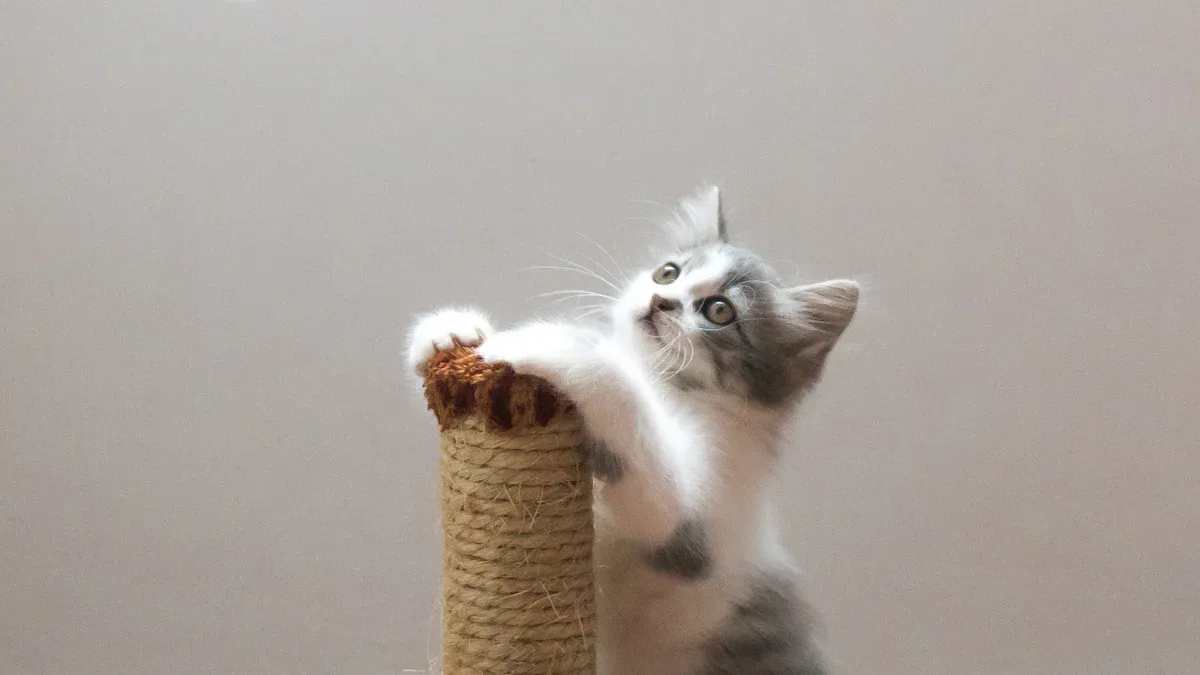
Engaging in playtime is one of the most enjoyable ways to bond with your cat. Not only does it provide entertainment, but it also strengthens your emotional connection. Studies show that play and interaction are crucial for fostering emotional bonds between cats and their owners. When you play with your cat, you create shared experiences that enhance your relationship.
Use Interactive Toys
Using interactive toys can make playtime even more exciting. These toys require your involvement, which encourages your cat to engage with you. Here are some effective types of interactive toys:
Wand toys: These mimic the movement of prey, tapping into your cat’s natural hunting instincts. They can leap, pounce, and chase, making playtime thrilling.
Puzzle or feeder toys: These toys challenge your cat to solve problems or work for their treats. They stimulate your cat mentally and keep boredom at bay.
Laser pointers: While they can be fun, use them cautiously. Always end the session with a tangible toy to catch, so your cat doesn’t feel frustrated.
Interactive play not only entertains your cat but also provides essential mental stimulation. Engaging with these toys can help prevent boredom and destructive behaviors. Plus, it reduces anxiety and stress by distracting your cat from potential stressors in their environment.
Schedule Regular Play
Scheduling regular play sessions is vital for building a strong bond with your cat. Aim for at least 15-30 minutes of playtime each day. This routine helps your cat feel secure and establishes a sense of normalcy. Here are some tips for effective playtime:
Choose the right time: Find moments when your cat is most active, usually during dawn or dusk. This is when they naturally want to hunt and play.
Vary the activities: Keep things interesting by rotating toys and introducing new games. This variety keeps your cat engaged and excited about playtime.
Be patient: If your cat seems hesitant, don’t force the interaction. Allow her to approach the toys at her own pace.
Regular play not only helps you bond with your cat but also promotes her physical health. It encourages exercise, which helps maintain a healthy weight and improves cardiovascular health. By playing in a focused way, you create a positive association with you as her caregiver.
Offer Treats to Build Trust
Offering treats is a fantastic way to build trust with your shelter cat. When you give treats, you create positive associations that help your cat feel more comfortable around you. This simple act can significantly enhance your bond with your cat.
Bring Gifts for Your Cat
Start by bringing gifts for your cat. Treats can be a great way to show your affection. Choose high-value treats that your cat finds irresistible. You might want to try different flavors to see what she enjoys most. This approach not only makes her happy but also encourages her to approach you. Research shows that cats who greet adopters are more likely to be chosen for adoption. This suggests that positive interactions, like offering treats, can help foster trust and initiate bonds between shelter animals and potential adopters.
Create Positive Associations
Creating positive associations is essential for your cat’s adjustment to her new home. Here are some tips to help you:
Use treats, toys, or praise to help your cat form positive associations with you.
Stick to a predictable routine during the introduction process.
Be aware that one cat may be ready to socialize before the other, so adjust your approach accordingly.
By consistently rewarding good behavior, you reinforce the idea that being around you is a positive experience. This can help your cat feel more secure and relaxed in her new environment.
To make the most of your training sessions, consider these best practices:
Identify high-value treats that your cat loves.
Use positive reinforcement techniques consistently.
Create a relaxed environment for training sessions.
Offer a variety of treats to discover her preferences.
Conduct training sessions before mealtimes to motivate her.
By following these steps, you can effectively build trust and strengthen your bond with your cat. Remember, the more positive experiences you create together, the closer you’ll become.
Get on the Cat’s Level
Getting on the cat’s level is a simple yet effective way to bond with your new feline friend. When you meet your cat at her level, you help reduce her anxiety. Cats often feel more secure when they don’t have to look up at you. This small change can make a big difference in how comfortable she feels around you.
Sit Down to Interact
When you sit down to interact, you create a more inviting atmosphere. Instead of towering over your cat, you become less intimidating. This encourages her to explore her surroundings and approach you. Here are some tips for sitting down effectively:
Find a quiet spot: Choose a calm area where your cat feels safe.
Get comfortable: Sit on the floor or a low chair to be at her eye level.
Use soft tones: Speak gently to reassure her that you mean no harm.
Research shows that cat owners experience lower resting heart rates and blood pressure compared to non-pet owners. Just spending ten minutes interacting with a cat can significantly reduce your heart rate and enhance feelings of comfort. This connection benefits both you and your cat.
Allow Them to Approach
Allowing your cat to approach you at her own pace is crucial for building trust. When you let her come to you, you respect her boundaries. This gradual introduction helps her feel more secure in her new environment. Here’s how to encourage her to approach:
Observe her body language: Watch for signs of comfort, like a relaxed posture or a tail held high.
Use treats: Offering treats can create positive associations and encourage her to come closer.
Be patient: If she seems hesitant, give her time. Rushing her can lead to stress.
Allowing your cat to approach you builds trust and reduces anxiety. It’s essential to recognize her comfort levels and adjust your interactions accordingly. By creating a safe space and letting her take the lead, you foster a nurturing environment that strengthens your bond.
Go at Her Speed
When you bring a shelter cat home, remember to go at her speed. Patience is crucial during this bonding process. Each cat has her own timeline for adjusting to a new environment. Rushing her can lead to stress and anxiety, making it harder for her to trust you.
Respect Their Pace
Respecting your cat’s pace means allowing her to explore her new surroundings without pressure. Some cats may take longer to feel comfortable. Watch for signs that she needs more time. For example, if she hides under furniture for extended periods, it’s a clear indication she feels overwhelmed. Other signs include a lack of appetite or avoidance of interaction. If you notice her shutting down emotionally, it’s best to let her come to you when she’s ready.
Allow Time to Adjust
Allowing time for adjustment is essential. Cats thrive on routine, so give her a chance to settle in. Create a calm environment where she can feel safe. You might want to set up a cozy corner with her favorite blanket and toys. This space can help her feel secure as she gets used to her new home.
As you observe her behavior, be mindful of her comfort levels. If she seems anxious, step back and give her space. Let her approach you on her terms. This approach fosters trust and helps her feel more at ease. Remember, the goal is to build a strong bond, and that takes time. Celebrate the small victories, like when she finally comes out to explore or shows interest in playing.
By going at her speed, you create a nurturing environment that encourages your cat to open up. This patience will pay off as your bond grows stronger over time.
Establish a Routine
Establishing a routine is one of the best ways to help your shelter cat feel secure in her new home. Cats thrive on predictability, and a consistent daily schedule can make a world of difference. When you create a routine, your cat knows what to expect, which can reduce anxiety and help her adjust more easily.
Consistent Feeding Times
Feeding your cat at the same times each day provides her with a sense of structure. Knowing when to expect meals can help reduce stress and sickness behaviors. Here are some benefits of consistent feeding times:
Predictability: Your cat learns when to expect food, which can ease anxiety.
Bonding: Meal times become a special moment for you both, allowing for positive reinforcement of good behavior.
Well-being: Regular feeding routines can improve your cat’s overall health and happiness.
Routine Component | Benefit for Cats |
|---|---|
Meals | Provides predictability and structure |
Potty breaks | Helps establish a routine, reducing anxiety |
Walks and exercise | Encourages physical activity and mental stimulation |
Playtime | Fosters bonding and comfort through interaction |
Bedtime | Signals safety and security at the end of the day |
As you can see, a consistent routine helps your cat feel more secure and relaxed.
Regular Grooming Sessions
Regular grooming is another great way to bond with your cat while keeping her healthy. Grooming sessions can strengthen your relationship and provide comfort. Here’s why grooming is beneficial:
Health: It keeps her coat healthy and reduces shedding.
Bonding: Grooming creates a special time for you to connect.
Comfort: It prevents matting and helps your cat feel good.
By incorporating grooming into your routine, you not only enhance your cat’s well-being but also deepen your bond. Remember, routines associated with feeding, grooming, and playtime instill a sense of purpose in your cat. This structure can improve the well-being of both you and your furry friend.
Creating a routine may take some time, but the rewards are worth it. Your cat will feel more secure, and you’ll enjoy a stronger bond as you navigate this journey together.
Use Gentle Touch
Gentle touch plays a vital role in bonding with your shelter cat. When you pet your cat softly, you create a sense of comfort and trust. This simple act can significantly improve her mood and help her feel more secure in her new environment. For instance, the story of Strawberry, a once fearful cat, shows how gentle socialization transformed her into a lap cat. After spending time in a quiet foster home, she learned to accept and even demand pets. This highlights the calming effects of gentle interaction.
Research backs this up, showing that petting animals reduces stress and enhances mood. When you gently pet your cat, you not only make her feel good but also foster a sense of well-being. Plus, studies indicate that petting can lower blood pressure and ease anxiety, which directly contributes to your cat’s comfort and trust.
Pet Where They Like
To make the most of your petting sessions, it’s essential to know where your cat prefers to be touched. Most cats enjoy being petted on their head and neck. However, they may react negatively if you touch sensitive areas like their stomach or base of the tail. Here’s a quick guide to help you identify your cat’s preferences:
Preference Level | Area of Body |
|---|---|
Green | Base of ears, cheeks, jaw |
Yellow | Neutral areas |
Red | Stomach, base of tail |
By focusing on the areas marked green, you can ensure your cat feels safe and happy during your interactions.
Be Mindful of Their Comfort
Always be mindful of your cat’s comfort level. Pay attention to her body language. If she leans into your hand or purrs, she’s likely enjoying the attention. On the other hand, if she flattens her ears or tries to move away, it’s best to give her some space. Remember, every cat is unique, and understanding her preferences will strengthen your bond.
By using gentle touch and respecting her boundaries, you create a nurturing environment that encourages trust and affection. Enjoy these moments of connection, as they are key to building a lasting relationship with your shelter cat.
Monitor Health and Behavior
Monitoring your shelter cat’s health and behavior is crucial for ensuring her well-being. Regular vet visits help you catch any potential health issues early. They also keep your cat up to date on vaccinations and establish a relationship with a veterinarian. This relationship can be invaluable for ongoing care.
Regular Vet Visits
You should schedule regular veterinary check-ups for your cat. These visits are especially important for newly adopted shelter cats. Here’s a quick look at the recommended frequency based on age:
Age Group | Recommended Frequency |
|---|---|
0-1 year | Monthly through 6 months, annually starting at 1 year |
1-7 years | Once or twice a year |
7+ years | Twice a year unless specific health concerns arise |
Regular check-ups allow for early detection of health issues, ensuring vaccinations are up to date, and addressing any emerging health conditions promptly. This proactive approach helps keep your cat healthy and happy.
Watch for Changes
As you bond with your new feline friend, pay attention to any changes in her behavior. Cats may show signs of stress, especially when first adopted. Look for signs like fear or uncertainty. Chronic stress can lead to health issues and behavioral problems, such as avoiding the litter box, aggression, or overgrooming.
To help your cat adjust, keep her environment low-key. Allow her to choose her level of interaction. Reducing overwhelming scents and sounds can also make a big difference. Respecting her boundaries and preferences is crucial for her comfort. Providing mental and physical stimulation is essential for her well-being.
By monitoring her health and behavior, you can create a nurturing environment that fosters trust and strengthens your bond. Remember, adopting a shelter cat is a journey, and being attentive to her needs will help you both thrive.
Be Patient and Observant
Bonding with your shelter cat takes time, and it’s essential to be patient throughout the process. Each cat has her own unique personality and timeline for adjusting to a new home. You might find that some days feel like progress, while others seem slow. That’s perfectly normal! Understanding that this journey requires time will help you stay calm and supportive.
Understand the Process
As you work on building a healthy relationship with your cat, remember that every small step counts. You might notice her coming out of hiding or playing with a toy for the first time. These moments are significant! They show that she’s starting to feel more comfortable in her new environment. Keep in mind that patience is key. If she seems hesitant, give her space and let her approach you when she’s ready.
Celebrate Small Wins
Celebrating small milestones can encourage the bond you’re building. Here are some effective ways to acknowledge these moments:
Create a Cat-Friendly Environment: Invest in cat trees, scratching posts, and interactive toys to enrich your cat’s life.
Regular Playtime and Interaction: Dedicate time each day to play with your cat, which strengthens your bond.
Celebrate Milestones: Acknowledge significant moments like adoption days with gifts or special treats.
Learn and Respond to Their Language: Understanding your cat’s communication enhances your relationship.
Create a Legacy of Love: Consider making a tribute to your cat, such as a photo album or memory box.
By recognizing these small victories, you not only boost your cat’s confidence but also deepen your connection. Each positive experience helps reinforce the trust between you two. Remember, adopting a shelter cat is a journey filled with ups and downs, but every step forward is worth celebrating!
Bonding with a shelter cat is a rewarding journey that requires patience and understanding. Remember, you can enhance your connection by creating a safe environment, engaging in positive interactions, and recognizing your cat’s signals of affection. Here are some key takeaways to keep in mind:
Understand cat behavior to foster trust.
Use treats to encourage closeness.
Practice patience and avoid punishment.
As you navigate this process, enjoy getting to know your new feline friend. Each small step you take will strengthen your bond and create a loving home for your cat.
FAQ
What should I do if my cat hides all the time?
If your cat hides frequently, give her space. Create a safe environment with cozy spots. Allow her to explore at her own pace. Patience is key; she’ll come out when she feels comfortable.
How long does it take to bond with a shelter cat?
Bonding with a shelter cat varies by individual. Some cats adjust in days, while others may take weeks or months. Be patient and consistent in your interactions to build trust over time.
Can I train my shelter cat?
Absolutely! You can train your shelter cat using positive reinforcement. Use treats and praise to encourage desired behaviors. Start with simple commands and gradually introduce more complex tasks as she becomes comfortable.
What if my cat shows signs of aggression?
If your cat displays aggression, assess her environment for stressors. Give her space and avoid forcing interactions. Consult a veterinarian or animal behaviorist for guidance on managing aggressive behavior effectively.
How can I tell if my cat is happy?
You can tell your cat is happy by observing her body language. Look for relaxed posture, purring, and playful behavior. If she seeks your company and enjoys being petted, she’s likely content!