
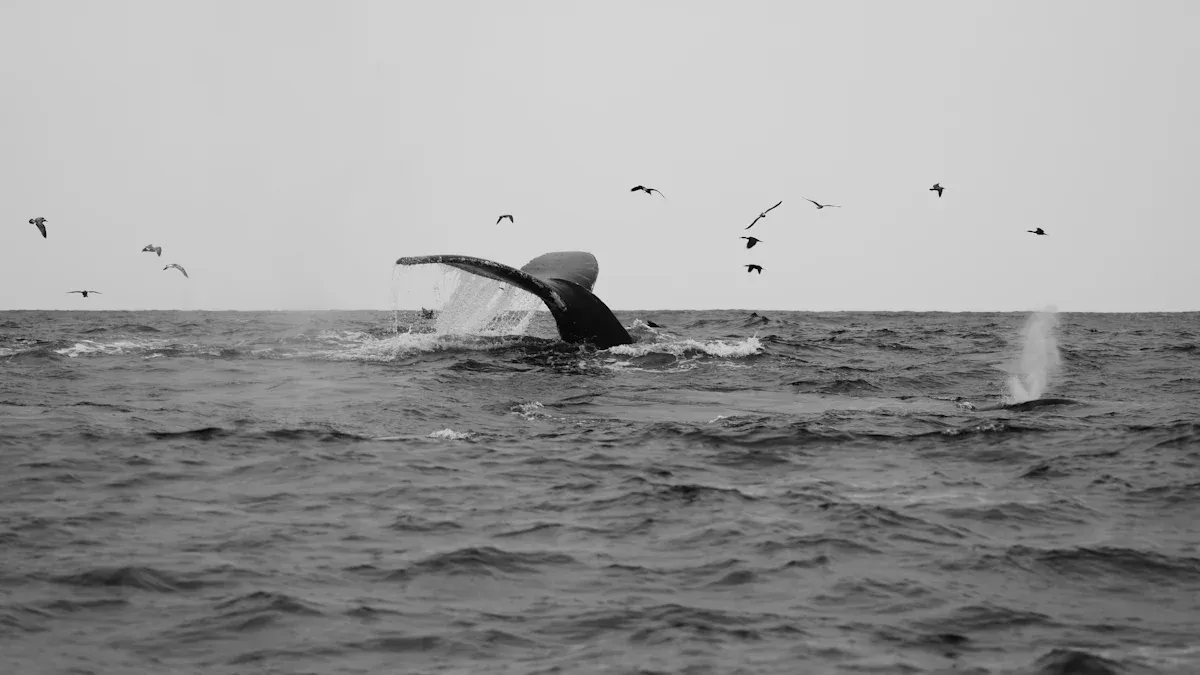
Orca dorsal fin collapse refers to the bending or drooping of the dorsal fin, which can signal underlying health issues in these majestic creatures. This phenomenon raises concerns for both wild and captive populations. In the wild, dorsal fin collapse is rare and often linked to serious injuries. For instance, studies show that only about 4.7% of adult male orcas in British Columbia exhibit this condition. Conversely, in captivity, up to 100% of adult male orcas may experience dorsal fin collapse due to factors like gravity and limited space. Understanding these differences is crucial for preserving orca health.
Key Takeaways
Dorsal fin collapse in orcas can signal serious health issues, especially in captivity where nearly 100% of adult males may be affected.
Environmental factors like restricted movement and warmer water temperatures contribute significantly to dorsal fin collapse in captive orcas.
Monitoring dorsal fin health is crucial, as it can indicate broader health problems, including stress, illness, and nutritional deficiencies.
Healthy orca populations are vital for marine ecosystems, as they help maintain balance among marine species.
You can support orca conservation by participating in local initiatives and advocating for laws that protect their natural habitats.
Dorsal Fin Anatomy
Structure and Function
The dorsal fin of an orca plays a crucial role in its overall anatomy. This fin is primarily made of fibrous collagen, a type of dense connective tissue. Unlike other body parts, the dorsal fin lacks bones or cartilage. This unique structure provides both flexibility and support. Here are some key components of the dorsal fin:
Fibrous Collagen: This structural protein forms the dense connective tissue, giving the fin strength and support.
Arteries and Veins: Blood vessels present in the fin help regulate body temperature by facilitating thermoregulation through counter-current heat exchange.
Absence of Bones: The lack of bones differentiates the fin’s structure from other anatomical features.
Component | Description | Contribution to Structural Integrity |
|---|---|---|
Fibrous Collagen | A structural protein that forms dense connective tissue. | Provides strength and support to the dorsal fin. |
Arteries and Veins | Blood vessels present in the fin. | Facilitate thermoregulation through counter-current heat exchange. |
Absence of Bones | The fin is not made of bone or cartilage. | Differentiates the fin’s structure from other body parts. |
The dorsal fin also stabilizes the orca during high-speed swimming. This stability ensures efficient maneuverability, allowing orcas to navigate their environment effectively. Additionally, the fin aids in thermoregulation by promoting blood flow near the skin’s surface. This process helps dissipate excess body heat, especially in warmer waters.
Importance in Behavior
The dorsal fin is not just a physical structure; it also plays a significant role in orca behavior. You may notice that orcas use their dorsal fins for communication and social interactions. The fin can express dominance or submission among pod members. A tall, erect dorsal fin often signals confidence, while a drooping fin may indicate stress or illness.
Causes of Dorsal Fin Collapse
Environmental Factors
Several environmental factors contribute to orca dorsal fin collapse. In the wild, you might find that the rate of dorsal fin abnormalities is low. For example, only about 4.7% of adult male orcas in British Columbia show signs of this condition. In contrast, captivity presents a different scenario. Here, nearly 100% of adult male orcas exhibit some form of dorsal fin collapse. This stark difference arises from various environmental influences:
Restricted Movement: Orcas in captivity have limited space to swim. This confinement leads to less exercise and a lack of natural water pressure on the dorsal fin, which can cause it to collapse.
Warmer Water Temperatures: Higher temperatures can disrupt the collagen structure in the dorsal fin. This breakdown may explain the increased rates of collapse observed in captive orcas.
Swimming Patterns: Captive orcas often swim in repetitive patterns, primarily going in circles. This behavior does not mimic the natural swimming patterns found in the wild, where orcas swim at high speeds and engage in more dynamic movements.
Reason for Dorsal Fin Collapse | Description |
|---|---|
Pattern swimming | Swimming mainly in one direction going in circles |
Resting at the surface | Gravity takes over |
Warmer water temperatures | Affects fin structure |
Lower hydration | Contributes to fin health |
Genetics with lack of exercise | Impacts overall fitness |
Genetic and Physical Stressors
Genetic predispositions and physical stressors also play significant roles in dorsal fin collapse. Various factors can lead to this condition, including age, stress, injury, illness, toxin exposure, and starvation. You may find that certain matrilines of orcas have a genetic predisposition to higher rates of fin collapse. Additionally, older whales often experience weakened collagen, which can lead to structural failure of the fin.
Physical Trauma: Orcas can suffer from injuries due to interactions with other marine animals or human activities. These injuries can weaken the fin’s integrity.
Illness and Infections: Health issues can also contribute to dorsal fin collapse. Infections may weaken fin tissue, while poor nutrition can degrade its overall health.
Toxin Exposure: Exposure to pollutants, such as crude oil, has been linked to dorsal fin collapse. These toxins can affect the orca’s health and contribute to the deterioration of the fin.
Implications for Orca Health
Physical Health Consequences
Dorsal fin collapse can lead to serious physical health issues for orcas. The dorsal fin plays a vital role in thermoregulation, helping orcas maintain their body temperature. When the fin collapses, it compromises this function. In captivity, orcas often face additional challenges. They may develop secondary infections due to a weakened immune system, which results from stress and exposure to pathogens. These infections frequently lead to mortality among captive orcas.
You should also consider that injuries to the dorsal fin can indicate broader health problems. For instance, if an orca suffers from a flopped fin, it may signal underlying issues such as dehydration or poor nutrition. These factors can further exacerbate health complications, making it crucial to monitor the overall well-being of orcas exhibiting dorsal fin collapse.
Behavioral Changes
Dorsal fin collapse can also reflect significant behavioral changes in orcas. Research shows that male orcas with collapsed fins often display hyperaggression and repetitive behaviors. These behaviors suggest that dorsal fin collapse may serve as an early warning sign for broader health and welfare issues.
You might notice that orcas in captivity exhibit chronic stress, which can lead to a decline in social interactions. This change can disrupt the natural dynamics of orca pods. In the wild, dorsal fin collapse is rare, with less than 5% of adult males in British Columbia showing signs of this condition. In contrast, captivity can lead to nearly 100% of adult males experiencing some form of dorsal fin collapse. This stark difference highlights the impact of environment on orca behavior and health.
Conservation Efforts for Orcas
Importance of Healthy Populations
You should recognize the critical role that healthy orca populations play in marine ecosystems. Orcas are apex predators, meaning they help maintain the balance of marine life. When orca populations decline, it can lead to overpopulation of prey species, disrupting the entire ecosystem. Currently, the population of southern resident killer whales (SRKW) is declining. Recovery of Chinook salmon is essential for the conservation of SRKW. Without healthy orca populations, the health of marine environments suffers.
Strategies for Mitigation
To protect orcas and mitigate the risks associated with dorsal fin collapse, several strategies can be implemented:
Habitat Protection: Safeguarding the natural habitats of orcas is vital. This includes protecting their feeding grounds and migration routes from pollution and industrial activities.
Public Awareness Campaigns: Increasing public knowledge about orca welfare can lead to significant policy changes. For example, the Florida Orca Protection Act reflects how public understanding of captive orcas’ suffering has pressured lawmakers to enact protective measures.
Legislation: Laws that prohibit capturing or displaying orcas have emerged. Campaigns like “Orcas Belong in the Ocean” have influenced laws in Canada and California, leading to the closure of many captive facilities.
Campaign Name | Impact on Policy |
|---|---|
Orcas Belong in the Ocean | Laws now prohibit new facilities from capturing or displaying orcas. |
Florida Orca Protection Act | Increased protective measures for orcas in captivity. |
You can also support conservation efforts by participating in local initiatives and advocating for sustainable practices. Every action counts in the fight to protect these magnificent creatures.
Understanding dorsal fin collapse is crucial for orca health. This condition can indicate serious underlying issues, especially in captive populations. You should recognize the differences in collapse rates between wild and captive orcas.
To improve health outcomes and conservation strategies, future research can focus on:
Evidence Type | Description |
|---|---|
Health Monitoring | Utilizing innovative technologies to analyze orca breath samples for early identification of health issues. |
Targeted Interventions | Developing specific conservation strategies based on health data analysis. |
Model for Conservation | The success of these methods could be applied to other whale populations globally. |
Continued research and conservation efforts are essential to protect these magnificent creatures and ensure their survival in our oceans. 🐋
FAQ
What is dorsal fin collapse in orcas?
Dorsal fin collapse occurs when the fin bends or droops. This condition can indicate underlying health issues, especially in captive orcas, where it is more common.
Why do captive orcas experience more fin collapse?
Captive orcas face restricted movement and warmer water temperatures. These factors contribute to the higher rates of dorsal fin collapse compared to wild orcas.
Can dorsal fin collapse affect orca behavior?
Yes, dorsal fin collapse can lead to behavioral changes. Orcas with collapsed fins may show signs of stress, aggression, or repetitive behaviors, indicating broader health issues.
How can I help orca conservation efforts?
You can support orca conservation by participating in local initiatives, advocating for sustainable practices, and raising awareness about the importance of healthy orca populations.
Are there any signs of a healthy orca?
Healthy orcas typically have upright dorsal fins, active social behaviors, and a strong appetite. Monitoring these signs can help assess their overall well-being.