
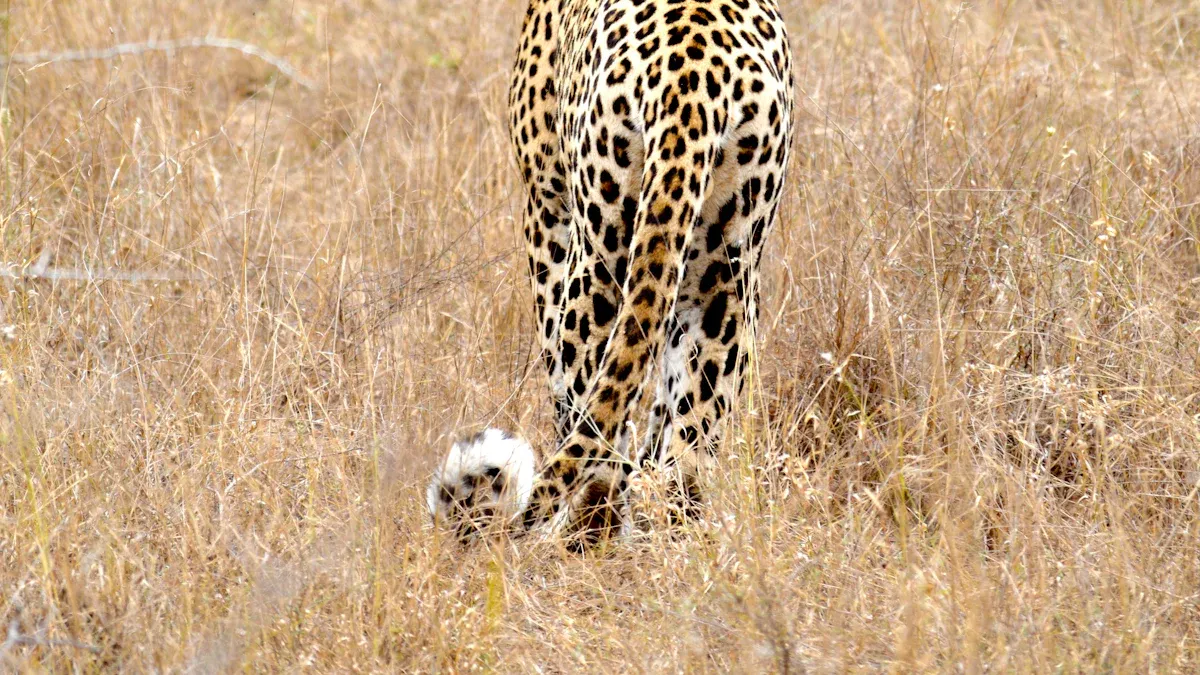
The Indian leopard subspecies, scientifically known as Panthera Pardus Fusca, plays a vital role in India’s ecosystems. This subspecies boasts strong legs, a long tail, and a distinctive coat with a unique spotted pattern. You may find its fur color varies based on habitat, from pale cream in arid regions to darker shades in rainforests. With an estimated population of approximately 7,910 individuals, the Indian leopard subspecies is classified by the IUCN Red List status as having fewer than 10,000 mature individuals. Understanding its habitat and conservation status is crucial for wildlife conservation efforts.
Key Takeaways
The Indian leopard, or Panthera Pardus Fusca, is vital for India’s ecosystems and has a population of about 7,910 individuals.
Habitat loss due to urbanization and agriculture has led to a dramatic decline in leopard populations, with some areas losing up to 90% of their leopards.
Indian leopards are adaptable hunters, thriving in various environments, including forests and urban areas, which helps them survive despite habitat changes.
Conservation efforts, such as creating protected areas and engaging local communities, are essential for the survival of Indian leopards.
You can support leopard conservation by raising awareness, participating in local initiatives, and donating to wildlife organizations.
Indian Leopard Facts
Physical Traits
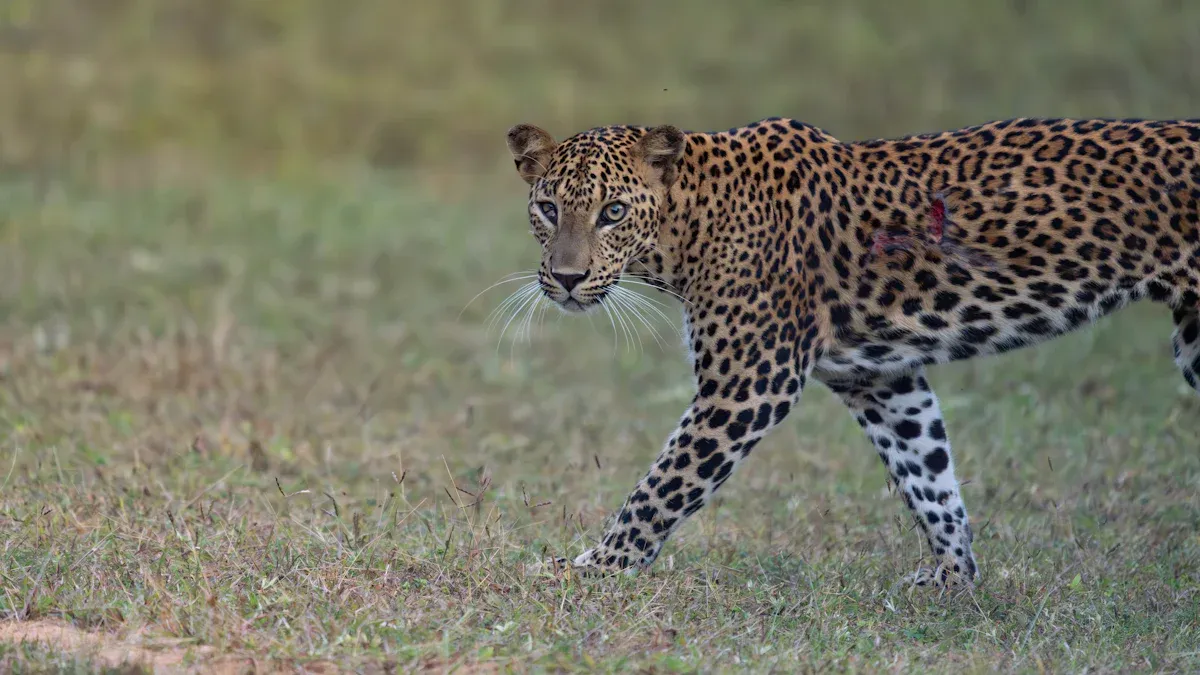
The Indian leopard subspecies, Panthera Pardus Fusca, showcases remarkable physical characteristics. You can expect these leopards to measure between 4.25 to 6.25 feet in length, with a tail that adds another 3 feet. Males typically weigh between 110 and 170 lbs, while females range from 64 to 75 lbs. Their fur is golden-yellow, adorned with distinctive black rosette spots. These spots not only enhance their beauty but also aid in camouflage, allowing them to blend seamlessly into their surroundings.
Interestingly, the size and coloration of Indian leopards differ from other subspecies. For instance, males grow larger than females, showcasing sexual dimorphism. The rosettes on their coats are larger compared to those of African leopards. You may notice variations in coat color based on habitat, with paler shades in desert areas and darker hues in rainforests. Each leopard’s unique rosette pattern helps in individual identification.
Behavior and Diet
Indian leopards exhibit fascinating behaviors that contribute to their survival. They are solitary and primarily nocturnal, which means they hunt at night. Their keen senses, especially their sharp eyesight and acute hearing, make them effective hunters. You might find them climbing trees to store their kills, showcasing their expert climbing skills.
Their diet is quite diverse. Indian leopards are opportunistic hunters, consuming a variety of prey. In a study conducted in Nepal, leopards were found to eat 15 different species, including both wild and domestic animals. This adaptability in diet highlights their ability to thrive in changing environments. They often rely on livestock, which can lead to man-animal conflict. Understanding their dietary habits is crucial for effective conservation efforts aimed at reducing these conflicts.
Indian leopards thrive in various habitats, from forests to urban areas. Their behavioral plasticity allows them to adapt to transformed environments. This adaptability is vital for their survival, especially as human activities encroach on their natural habitats.
Habitat of the Indian Leopard
Geographic Range
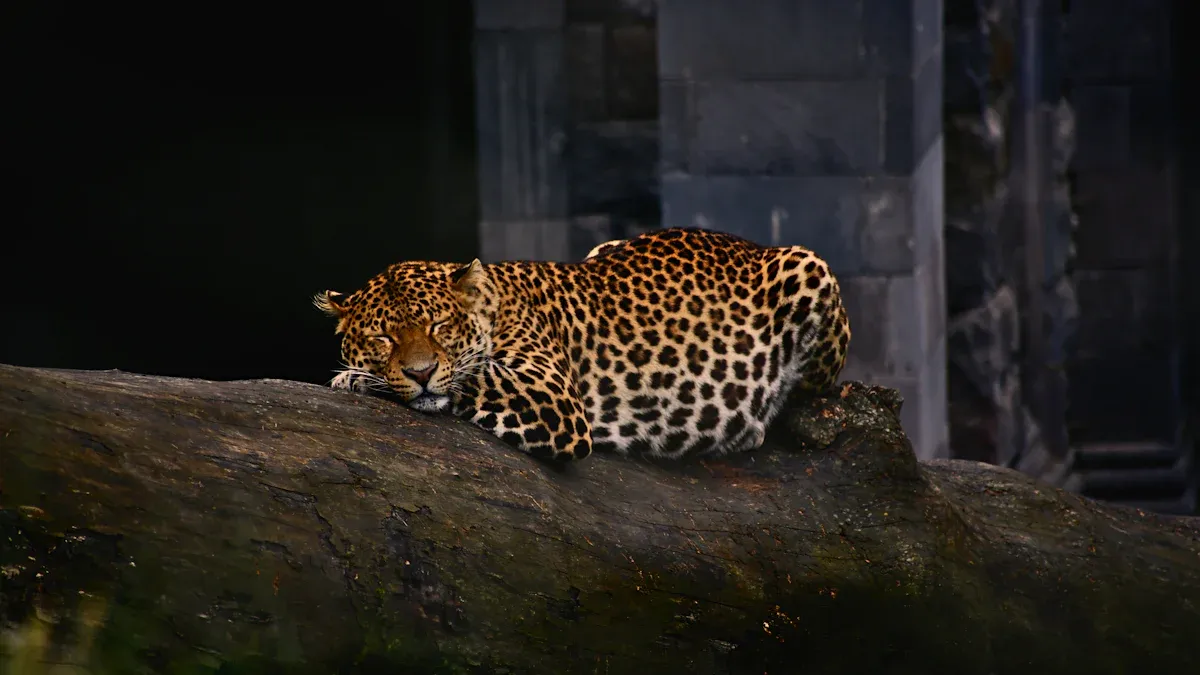
The Indian leopard, or Panthera Pardus Fusca, has a wide geographic distribution across India. You can find these leopards in various regions, including:
The Western Ghats
The Deccan Plateau
The Terai region
The Shivalik hills
However, the leopard population has faced significant declines over the past decades. Studies show that the leopard population in India has potentially decreased by 75-90% over the last 120-200 years. Specific areas like the Western Ghats have lost approximately 75% of their leopard population. The Deccan Plateau and Shivaliks have experienced a staggering 90% decline, while the Terai region has lost around 88% of its leopards. This alarming trend highlights the urgent need for conservation efforts to protect their remaining habitats.
Ecosystem Types
Indian leopards thrive in a variety of ecosystems. They inhabit:
Tropical and subtropical forests
Grasslands
Scrublands
Urban areas
You may be surprised to learn that leopards can adapt to both forested and human-dominated landscapes. Their remarkable ability to adjust their diet in urban environments is key to their survival. For instance, leopards often include domestic animals in their diet, demonstrating their resourcefulness. They can live in close proximity to humans while minimizing direct contact. This adaptability allows them to survive in high-density human landscapes, where they benefit from a higher biomass of potential food resources.
To mitigate human-wildlife conflicts, conservationists suggest measures that promote coexistence. Understanding the habitats and behaviors of Indian leopards is crucial for developing effective strategies to protect them and their ecosystems.
Threats to Indian Leopard Subspecies
Habitat Loss
Habitat loss poses a significant threat to the Indian leopard subspecies. You may find that various factors contribute to this loss. Urbanization, agriculture, and infrastructure development have drastically reduced their natural habitats. Over the past few decades, Indian leopards have experienced a habitat loss of nearly 75% of their former range. This decline has led to a decrease of over 60% in leopard populations, primarily due to habitat loss.
The table below outlines some key factors affecting habitat selection for Panthera Pardus Fusca:
Factor | Impact on Habitat Selection |
|---|---|
Proximity to forest cover | Positive influence on habitat selection |
Proximity to rocky outcrops | Positive influence on habitat selection |
Distance to cropland | Negative influence on habitat selection |
Distance to roads | Negative influence on habitat selection |
Human-use areas | 25% of leopard habitat is within these areas |
Preservation of natural cover | Essential for providing refuge between protected areas |
As you can see, the presence of human-use areas significantly impacts the habitat available for leopards. The preservation of natural cover is crucial for their survival. Without it, leopards struggle to find suitable habitats, leading to increased competition for resources.
Poaching and Conflict
Poaching remains one of the primary threats to Indian leopards. This illegal activity leads to significant declines in leopard populations across various regions. The illegal wildlife trade and habitat fragmentation further exacerbate the situation, contributing to regional extinctions. A survey conducted in 2021 indicated that the leopard population in eastern Indochina is functionally extinct, primarily due to a drastic increase in human activity and a significant rise in lethal trapping. This suggests that poaching, particularly through snaring, has severely affected the population dynamics of Panthera Pardus Fusca.
You should also be aware of the human-wildlife conflict that arises from leopard interactions with local communities. The table below highlights the most common forms of conflict involving Indian leopards:
Conflict Type | Description |
|---|---|
Livestock Predation | Indian leopards are responsible for significant livestock attacks, particularly in multi-use areas. |
Grazing Areas | Attacks are prevalent near protected areas where livestock graze freely. |
These conflicts often lead to retaliatory killings of leopards, further threatening their survival. As leopard populations increase due to conservation efforts, the likelihood of conflict incidents also rises.
The impact of poaching and conflict on leopard mortality is alarming. The table below shows documented cases of poaching and other causes of death in India:
Year | Documented Poached Leopards | Other Cause of Death |
|---|---|---|
2005 | 199 | Data Unavailable |
2006 | 163 | DU |
2007 | 126 | DU |
2008 | 161 | DU |
2009 | 165 | DU |
2010 | 184 | DU |
2011 | 188 | DU |
2012 | 140 | DU |
2013 | 111 | 213 |
2014 | 118 | 270 |
2015 | 127 | 282 |
2016 | 154 | 272 |
2017 | 159 | 331 |
2018 | 169 | 365 |
2019 | 129 | 501 |
2020 | 152 | 432 |
2021 | 182 | 354 |
2022 | 162 | 410 |
2023 | 155 | 185 |
31 May, 2024 | 64 | N/A |
This data illustrates the ongoing struggle of Indian leopards against poaching and human-wildlife conflict. You can see that the numbers fluctuate, but the overall trend indicates a concerning situation for these magnificent creatures.
Conservation Efforts for Leopards
Conservation efforts play a crucial role in protecting the Indian leopard subspecies. You can find various strategies aimed at preserving their populations and habitats.
Protected Areas
Protected areas serve as vital sanctuaries for leopards. These regions help maintain healthy ecosystems and provide safe habitats for wildlife. Some of the main protected areas in India that support Panthera Pardus Fusca populations include:
Vansda National Park
Shoolpaneshwar Wildlife Sanctuary
Purna Wildlife Sanctuary
Recent studies show that protected areas cover around 5% of India. They are essential for conserving large carnivores, including leopards. However, the average area of these protected zones is approximately 200 km². Individually, these areas are often too small to sustain viable populations of large carnivores. Historically, ecological research has focused on these protected areas, with limited studies on shared landscapes.
Evidence Summary | Findings |
|---|---|
Protected areas cover around 5% of India | They are crucial for conserving large carnivores, including leopards. |
Average area of protected areas is approximately 200 km² | Individually, they are too small to sustain viable populations of large carnivores. |
Focus of ecological research | Historically centered on protected areas, with limited studies on shared landscapes. |
Community Engagement
Community involvement is vital for the success of leopard conservation initiatives. A study conducted in India’s Buxa Tiger Reserve highlights the importance of local community perspectives. It found that positive attitudes towards leopard conservation were prevalent among various demographic groups, including men and non-tribal communities. Integrating community insights can lead to effective conservation strategies. This approach emphasizes the need for gender-specific methods, alternative livelihoods, and awareness campaigns to enhance local responsibility for biodiversity conservation.
Successful examples of community engagement in leopard conservation include:
Initiative | Description |
|---|---|
Youth Training | 14 youths trained in biodiversity and conservation, with 8 securing guiding work, enhancing their confidence. |
Predator-proof Corrals | 10 government-funded corrals built, protecting livestock of 1,612 people, with no depredation reported since construction. |
Women-led Initiatives | 30 women trained in crafting, generating supplemental income for 57% of participants. |
Community Engagement | Strengthened collaboration between community and government for long-term habitat protection. |
Despite these efforts, challenges remain. Habitat loss due to agriculture, declining prey availability, and conflicts with livestock owners threaten conservation initiatives. Illegal trade in leopard skins and parts also poses a significant risk. Proximity to human settlements leads to conflicts, as leopards may enter villages in search of food, resulting in livestock attacks. These interactions threaten both leopard populations and human communities.
Experts emphasize that protecting habitats is essential for the survival and growth of leopard populations. Conservation initiatives focusing on habitat preservation and anti-poaching efforts are critical to ensuring the future of these big cats.
Conserving Panthera Pardus Fusca is essential for maintaining biodiversity in India. This subspecies faces significant threats, including habitat loss and human-wildlife conflict. The table below summarizes its conservation status:
Conservation Status | Threats Faced | Notes |
|---|---|---|
Near Threatened | Habitat loss, prey depletion, human-wildlife conflict | Conservation efforts are crucial in regions where this subspecies is found. |
You can play a vital role in supporting conservation efforts. Here are some actions you can take:
Engage with local communities to promote understanding and tolerance towards leopards.
Conduct awareness sessions in schools to educate about leopard behavior.
Support conservation efforts through donations, animal sponsorships, and volunteering.
By taking these steps, you help protect not only the Indian leopard but also the broader ecosystem. Remember, the conservation of Panthera Pardus Fusca contributes to the health of various species and habitats in India. Together, we can ensure a brighter future for these magnificent creatures.
FAQ
What is the lifespan of an Indian leopard?
Indian leopards typically live for 12 to 15 years in the wild. In captivity, they can live longer, often reaching up to 20 years.
How do Indian leopards communicate?
You can find Indian leopards communicating through vocalizations, scent markings, and body language. They use growls, roars, and hisses to express their presence.
Are Indian leopards endangered?
Yes, Indian leopards are classified as “Near Threatened” by the IUCN. Habitat loss and poaching significantly threaten their populations.
What do Indian leopards eat?
Indian leopards are opportunistic feeders. They consume various prey, including deer, wild boar, and livestock, adapting their diet based on availability.
How can I help conserve Indian leopards?
You can support conservation efforts by raising awareness, participating in local initiatives, and donating to wildlife organizations focused on leopard protection. Every action counts!