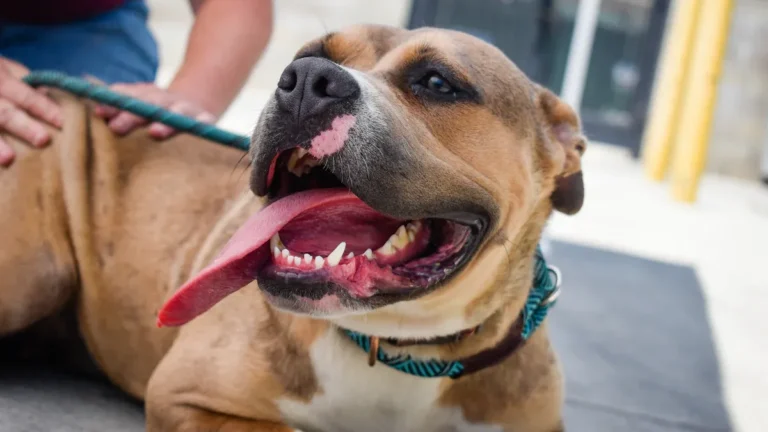

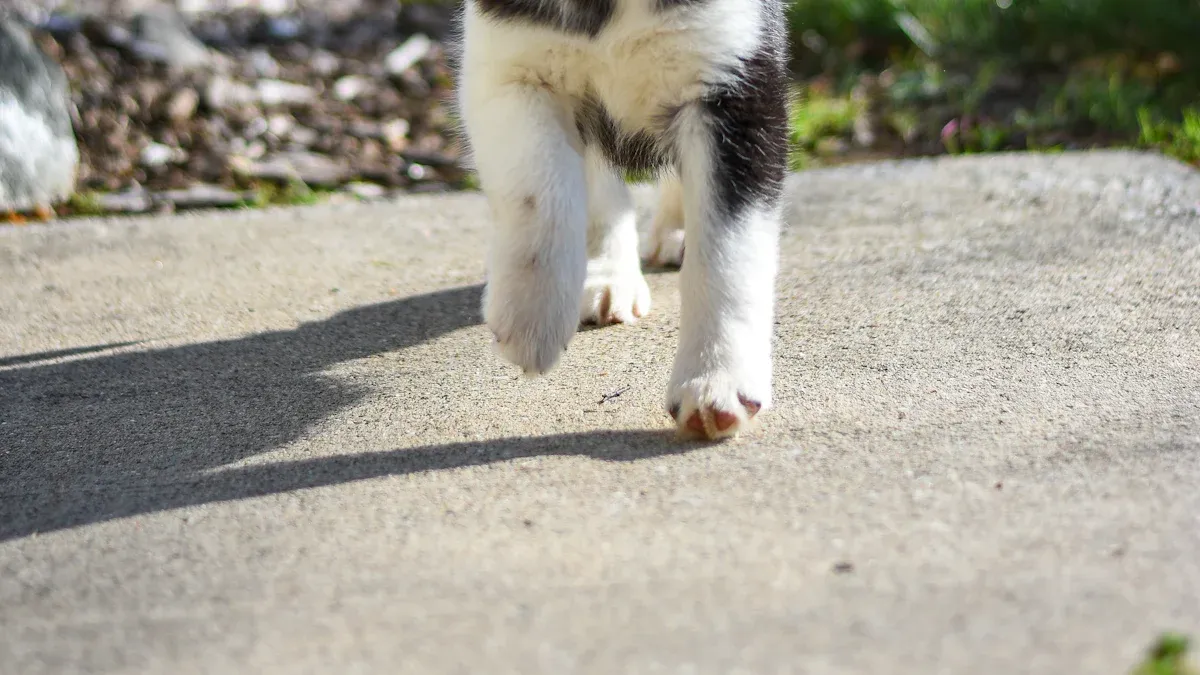
The Alaskan Klee Kai captivates with its striking appearance and lively personality. Among its many charms, the coat colors stand out, particularly the rare ones. These unique colors attract dog enthusiasts and spark curiosity. What makes these rare coat colors so special? Why do they appeal to you as a potential owner? Exploring these questions reveals the fascinating diversity within this breed.
Key Takeaways
Alaskan Klee Kai come in various coat colors, with black and white, gray and white, red and white, and solid white being the most common.
Rare coat colors, such as unique shades of silvers and tans, increase the appeal and demand for Alaskan Klee Kai among dog enthusiasts.
Puppies with rare coat colors often command higher prices due to their uniqueness and popularity in the market.
The coat color of an Alaskan Klee Kai can change as it matures, influenced by genetics and environmental factors.
Unique markings, like facial masks and eyebrow spots, enhance the beauty of Klee Kai and can impact their success in dog shows.
Common Colors in Alaskan Klee Kai
The Alaskan Klee Kai showcases a variety of coat colors, with four primary colors being the most common. Each color has its own unique characteristics that contribute to the breed’s charm.
Black and White
The black and white coat color is one of the most recognized in the Alaskan Klee Kai. This striking combination features a deep black coat with bright white markings. The contrast creates a bold appearance that many dog lovers find appealing.
Genetic Factors:
The B locus is responsible for determining black coat color.
The I locus influences the intensity of red pigment, which can result in variations including white coat color.
The inheritance of these genes affects the coat color of the offspring.
The likelihood of red offspring depends on whether the dogs carry the recessive red gene.
Gray and White
The gray and white coat color presents a softer look compared to the black and white variety. This color typically features a mix of gray shades, ranging from light silver to darker charcoal, paired with white markings. The gray can appear in various patterns, adding to the dog’s unique appearance.
Red and White
The red and white coat color is another popular choice among Alaskan Klee Kai enthusiasts. This color features a rich, warm red coat complemented by white markings. The distinct facial mask, which is a hallmark of this color, adds to its appeal.
Feature | Description |
|---|---|
Facial Mask | Distinct and clearly visible, with a contrasting lighter color on the bottom half of the face. |
Nose Color | Liver-colored for dogs with shades of red coat. |
Eye Rims | Liver-colored in dogs whose coat colors are shades of red. |
Overall Appearance | Symmetrical with light-colored spots over the eyes and lighter fur on the inside of the ears. |
Tail Tip Color | Dark coloration at the tip of the tail. |
Markings | Full facial mask extending down the nose bar and around the eyes, not extending down the face more than half the length of the muzzle. |
Cheek Color | Contrasting lighter color extending up to a line between the outside corners of the eyes and the base of the ears. |
Fur Inside Ears | Should be of the same lighter contrasting color. |
Solid White
The solid white variety is striking in its simplicity. This coat color lacks any markings, creating a pure and elegant appearance. The solid white Klee Kai often stands out due to its pristine look.
According to breed registries, the most frequently observed coat colors in Alaskan Klee Kai include:
Coat Color Variety |
|---|
Black and White |
Gray and White |
Red and White |
Solid White |
Each of these common colors contributes to the overall beauty and diversity of the Alaskan Klee Kai breed. Whether you prefer the boldness of black and white or the elegance of solid white, each color has its own unique charm.
Rare Coat Colors
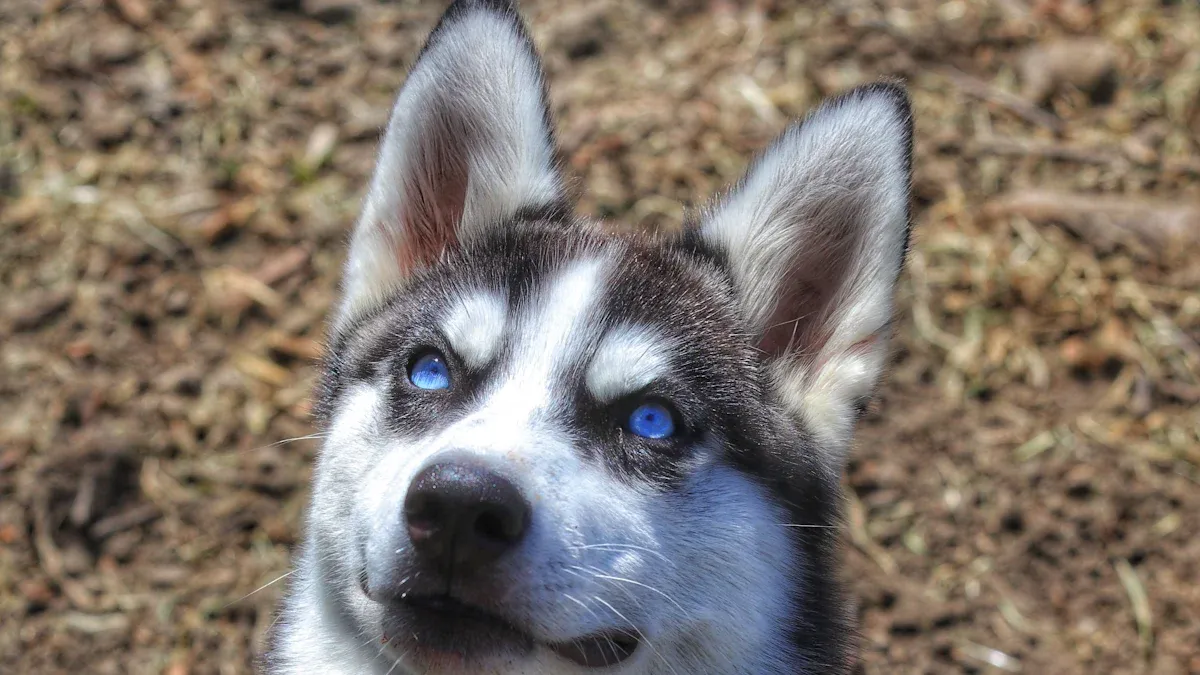
The Alaskan Klee Kai features several rare coat colors that stand out from the more common varieties. These unique variations add to the breed’s allure and can make your Klee Kai truly one-of-a-kind.
Unique Variations
Some recognized rare coat colors include:
Recognized Coat Colors |
|---|
Black and White |
Gray and White |
Red and White |
All White |
Variations of Silvers and Tans |
In addition to these, you may also encounter Klee Kai with brown coats or unique shades of gray. These colors are less common and can vary significantly in appearance. The presence of silvers and tans adds depth to the breed’s color palette, making each dog distinct.
Rarity and Appeal
The rarity of certain coat colors significantly influences their appeal among dog enthusiasts. Many buyers seek out Alaskan Klee Kai with unique colors, leading to higher demand. For instance, red and white combinations often attract attention due to their striking appearance.
The market reflects this demand. Puppies with rare coat colors typically command higher prices. Here’s a look at how different coat colors influence pricing:
Coat Color Combo | Price Influence |
|---|---|
Red-white | Higher demand |
Gray-white | Higher demand |
Black-white | Higher demand |
Blue eyes | Significantly higher price |
You may find that puppies bred for show or those with rare coat colors are priced higher. This trend reflects the demand for these unique traits. If you are considering adding an Alaskan Klee Kai to your family, be prepared for the possibility of paying a premium for these rare coat colors.
Unique Markings
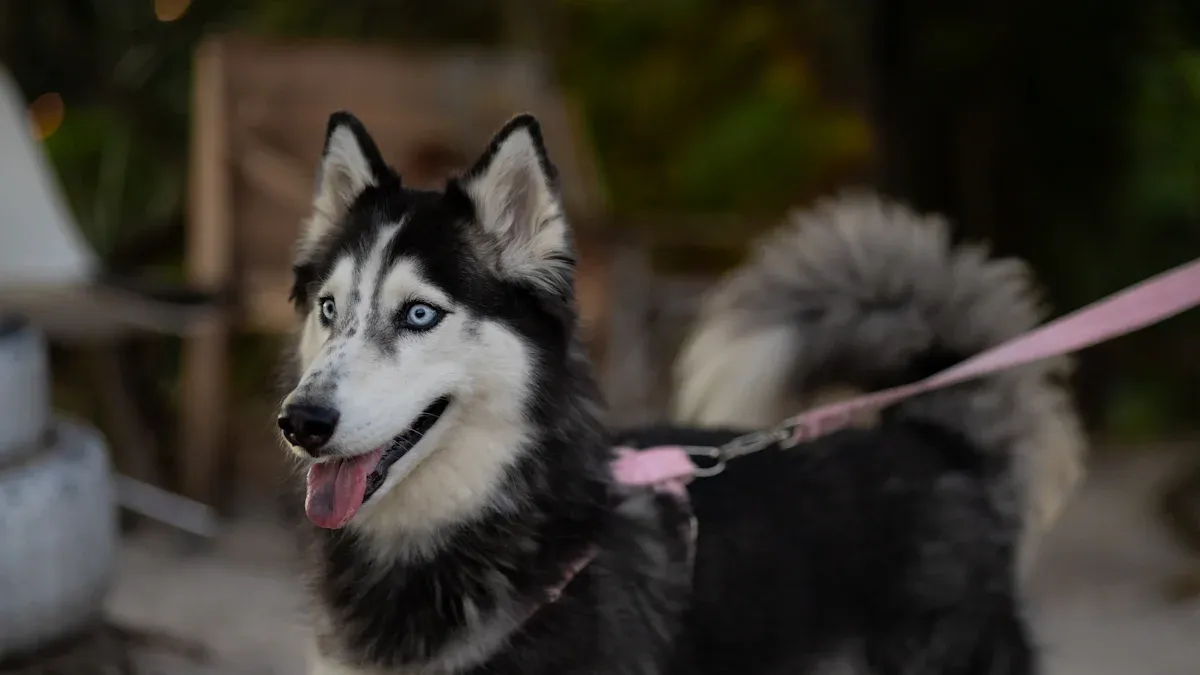
The Alaskan Klee Kai features unique markings that enhance its charm and individuality. These markings can vary significantly among dogs, making each one special. You will notice that markings play a crucial role in defining the breed’s appearance.
Patterns
One of the most distinctive features of the Alaskan Klee Kai is its facial mask. This mask is a signature trait of the breed. The intensity and pattern of these masks can differ from one dog to another. Additionally, all Klee Kai have white ‘eyebrow’ markings above their eyes. These markings vary in size and shape, contributing to the dog’s expressive look.
Markings and Colors
Markings not only add beauty but also hold significance in breed competitions. Here’s a table that outlines some common markings and their importance:
Marking Description | Significance |
|---|---|
Light spots over the eyes | Desirable for enhancing appearance |
Light blaze on the skull | Contributes to breed standard adherence |
Dark strip on the muzzle | Can affect competition outcomes |
Dark coloration under the eyes | Enhances overall appearance |
Dark tip of the tail | Important for breed standard compliance |
Absence of distinct mask | Leads to disqualification |
Solid coat color without markings | Results in faults or disqualification |
These markings complement the coat colors beautifully. For example, a black and white Klee Kai with a well-defined mask stands out even more. The contrast between the dark coat and the white markings creates a striking visual effect. Similarly, a red and white Klee Kai with light spots over its eyes captures attention and admiration.
Changes Over Time
As your Alaskan Klee Kai matures, you may notice changes in its coat color. These changes can occur due to several factors, including genetics and environmental influences. Puppies often have different coat colors than adults. For instance, a puppy might start with a lighter shade that darkens as it grows. This transformation can be surprising, but it is a natural part of development.
Maturation Effects
The maturation process can significantly affect the coat colors of your Klee Kai. You might see a shift in the intensity of colors. Some dogs may develop a richer hue, while others may lighten over time. This change often depends on the dog’s genetic background. The genes inherited from the parents play a crucial role in determining how the coat will look as the dog ages.
Tip: Keep an eye on your Klee Kai’s coat as it grows. You may find that the colors become more vibrant or change altogether.
Undercoat Variations
The undercoat of the Alaskan Klee Kai significantly influences the appearance of their coat colors. This breed has a double coat, consisting of a thick undercoat and a longer outer coat. The undercoat adds texture and density to the fur. It also helps regulate temperature, keeping your dog comfortable in various weather conditions.
During different seasons, the undercoat may display different shades. For example, in winter, the undercoat might appear fluffier and lighter, while in summer, it could become thinner and darker. This variation can enhance the overall look of your Klee Kai, making its coat colors even more striking.
The Alaskan Klee Kai showcases a stunning array of coat colors, each contributing to its unique charm. From the striking black and white to the elegant gray and white, these colors enhance the breed’s appeal. You should appreciate the individuality of each dog, as their coat colors reflect their personality.
Consider the implications of your color choice when selecting an Alaskan Klee Kai. Some colors may affect eligibility for dog shows, while others may influence social perceptions. Ultimately, the beauty of the Klee Kai lies not just in its coat colors but in the bond you will share with your furry companion.
FAQ
What are the rarest coat colors in Alaskan Klee Kai?
The rarest coat colors include variations of silvers, tans, and brown coats. These colors are less common than the standard black, gray, red, and white combinations.
Do rare coat colors affect a Klee Kai’s temperament?
No, coat color does not influence temperament. Each Alaskan Klee Kai has its own personality, which depends on genetics, environment, and training rather than coat color.
How can I find a Klee Kai with a rare coat color?
To find a Klee Kai with a rare coat color, research reputable breeders. Attend dog shows or breed clubs to connect with breeders who specialize in unique colors.
Are rare coat colors more expensive?
Yes, puppies with rare coat colors often command higher prices. Demand for unique colors drives this trend, so be prepared for potential premium costs.
Can coat colors change as Klee Kai age?
Yes, coat colors can change as your Klee Kai matures. Puppies may have different shades that evolve into richer or lighter hues over time due to genetic factors.