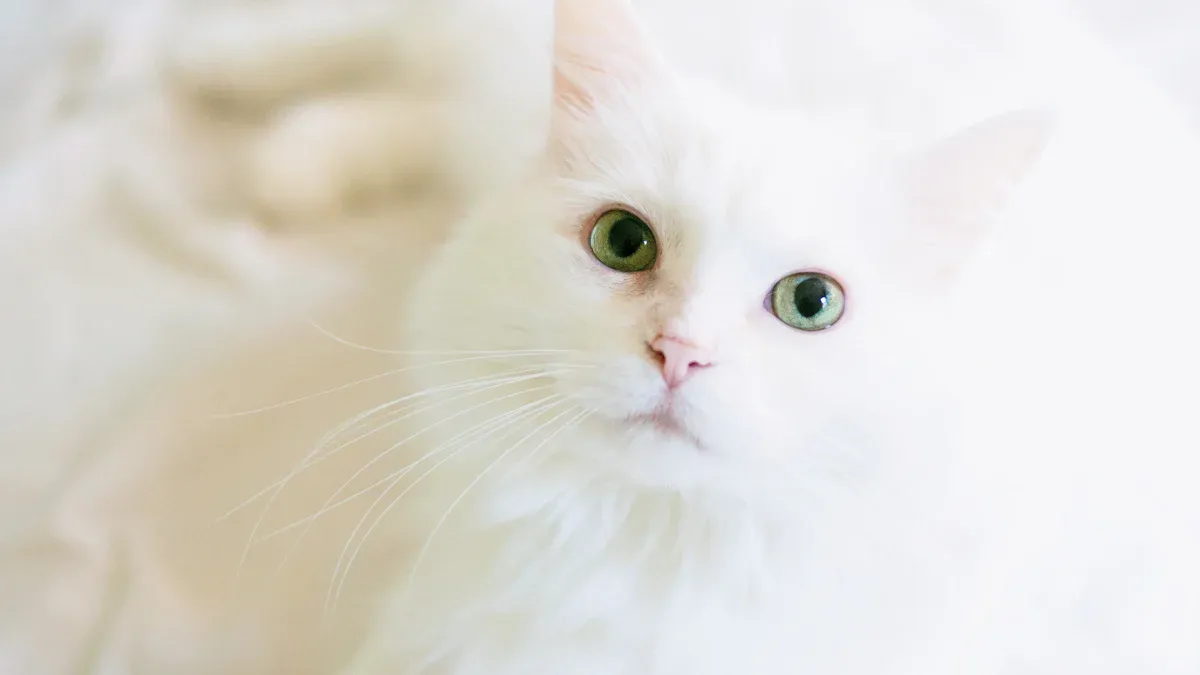
Your cat’s hair length is a defining characteristic. Genetics primarily determine this length, significantly impacting your cat’s appearance and care requirements. For instance, the FGF5 gene acts as a major determinant for coat length. This guide serves as a comprehensive cat hair length chart, focusing on 12 key cat breeds. We highlight the full spectrum from short hair to long hair. You will understand the distinct traits and grooming needs associated with different hair length, aiding you in informed pet ownership decisions.
Key Takeaways
Cat hair length is mostly genetic. The FGF5 gene controls how long a cat’s hair grows.
Short-haired cats need less grooming. You brush them about once a week to keep their coat healthy.
Long-haired cats need more grooming. You must brush them often to prevent tangles and mats.
Longer coats can cause health issues. They can hide parasites and lead to skin problems if not cared for well.
Short-Haired Cat Breeds: Low Maintenance
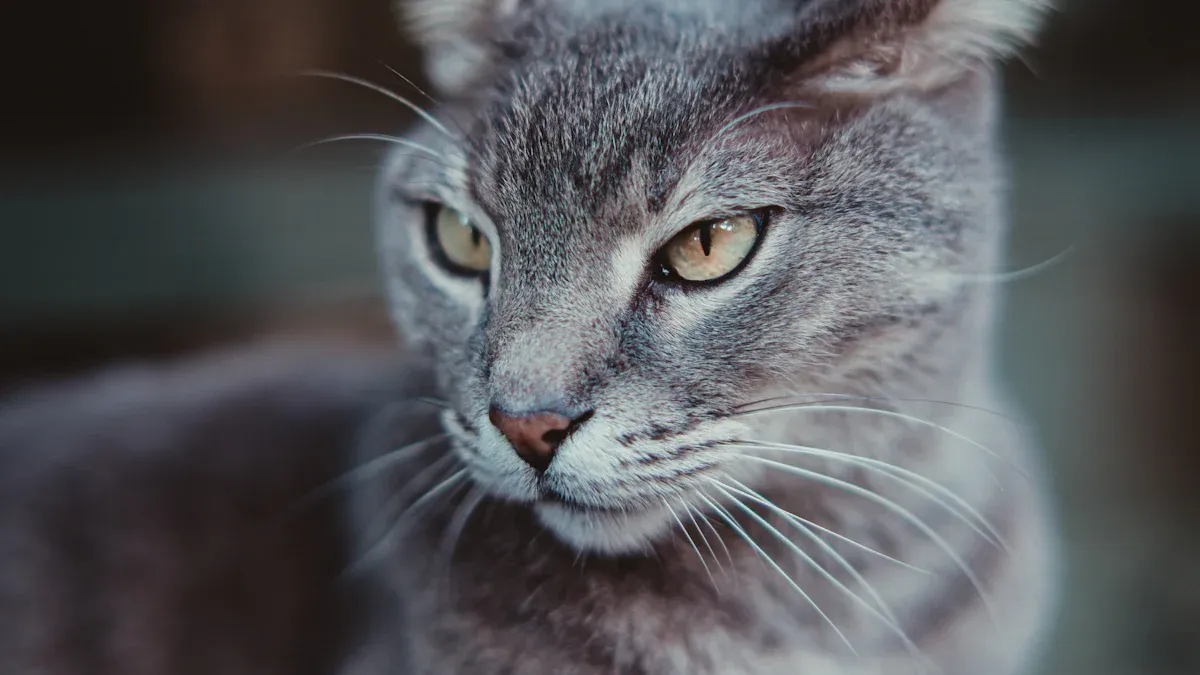
Short-haired cat breeds often require less grooming than their long-haired counterparts. This makes them a popular choice for many cat owners. You will find their care routines generally simpler. This section of our cat hair length chart explores several popular shorthair breeds. You will learn about their distinct features and care needs.
American Shorthair
Coat: The American Shorthair has a dense, short, and hard coat. It feels thick to the touch. This coat protects them from weather and injuries. Its uniform length covers their muscular body.
Temperament: American Shorthairs are known for their easygoing nature. They are adaptable and friendly. You will find them good with children and other pets. They enjoy playing but also appreciate quiet time. They are intelligent and curious.
Grooming Needs: This breed is low maintenance. You should brush your American Shorthair once or twice a week. This helps remove loose hair and keeps their coat healthy. They shed moderately year-round. Regular brushing reduces shedding in your home. Bathing is rarely necessary unless they get very dirty. Their short coat length prevents matting.
British Shorthair
Coat: The British Shorthair boasts a very dense, plush coat. It stands away from their body. This gives them a distinctive, teddy bear-like appearance. Their coat is short but incredibly thick. It has a firm texture.
Temperament: British Shorthairs are calm and dignified. They are affectionate but not overly demanding. You will find them quiet and independent. They enjoy being near you but are not typically lap cats. They are patient and tolerant.
Grooming Needs: Despite its density, the British Shorthair’s coat is relatively easy to maintain. You should brush them two to three times a week. This prevents tangles and removes loose fur. During seasonal changes, their shedding increases.
British Shorthair cats shed throughout the year. They shed more heavily during warmer months. This process helps them adapt to higher temperatures. They shed their thick undercoat. Shedding decreases in colder months. They keep fur for insulation. This also gives them a fuller winter coat. Factors like age, health, and diet affect shedding. Older or less healthy cats might shed more.
Season | Shedding Level | Coat Changes |
|---|---|---|
Spring (Mar–May) | High | Winter coat begins to shed in chunks |
Summer (Jun–Aug) | Moderate | Lighter, sleeker summer coat takes over |
Autumn (Sep–Nov) | High | Summer coat sheds as thick winter coat grows in |
Winter (Dec–Feb) | Low | Thick, dense coat stays put |
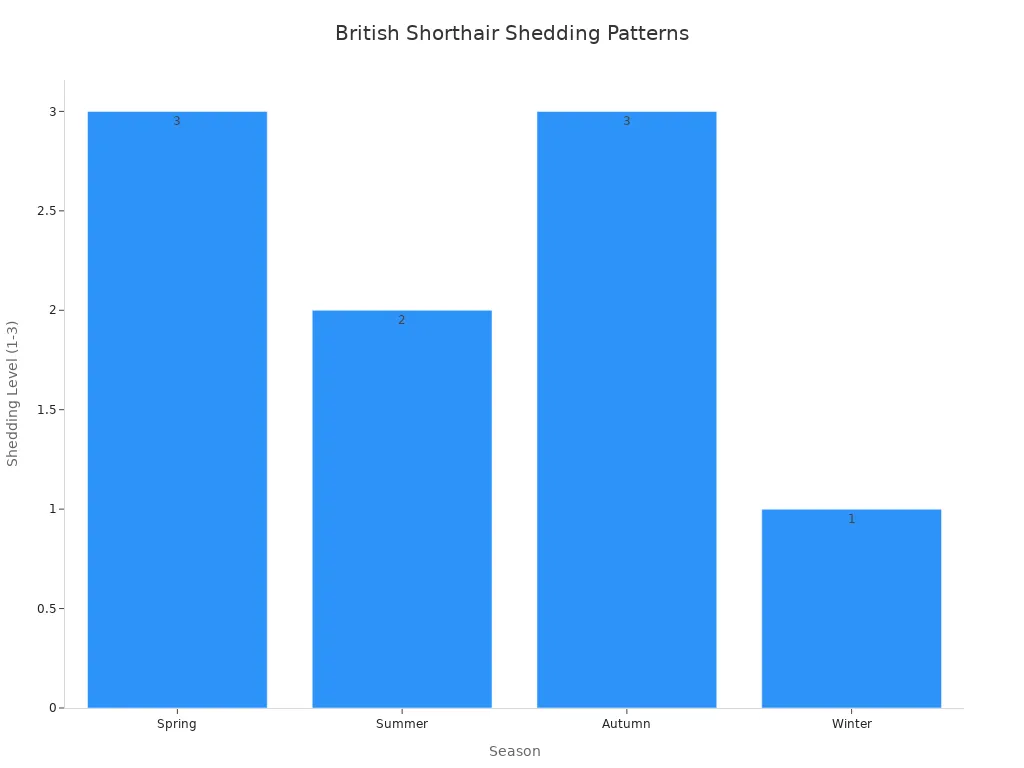
You might think British Shorthairs only shed during specific seasons. However, they shed all year. Changes in sunlight exposure cause increased intensity during certain times.
Siamese
Coat: The Siamese cat has a fine, short coat. It is glossy and adheres closely to their body. This breed lacks an undercoat. Their unique colorpoint pattern defines them. Their body is light-colored. Darker ‘tips’ appear on their tails, paws, noses, and ears. Kittens are born cream or white. They develop these points within a few months. The coat tends to darken as they age.
The four official coloration patterns for Siamese cats are:
Chocolate point: Darker brown point patterns with pink noses and toe beans.
Lilac point: Lighter features and whiter fur, similar to blue points.
Seal point: Darker brown point patterns with brown noses and toe beans.
Blue point: Lighter-colored fur with grayish-blue point features.
Temperament: Siamese cats are vocal and outgoing. They form strong bonds with their owners. You will find them intelligent and curious. They enjoy interacting and can be quite demanding of your attention. They are known for their distinctive meow.
Grooming Needs: The Siamese has minimal grooming needs. Their short coat length means you only need to brush them once a week. This removes loose hairs and keeps their coat shiny. They are not heavy shedder. Bathing is rarely needed.
Abyssinian
Coat: The Abyssinian has a short, fine, and close-lying coat. It features a unique “ticked” pattern. Each hair has bands of color. This gives them a shimmering, multi-tonal appearance. Their coat feels soft and silky.
Temperament: Abyssinian cats are highly active and playful. They are intelligent and curious. You will find them sociable and inquisitive. They love to explore every inch of their environment. They are not typically lap cats. They prefer to be on the move. They form a strong attachment to their owners. They are often called the “Clowns of the Cat Kingdom.”
Trait | Rating (out of 5) |
|---|---|
Intelligence | 5 |
Ease Of Training | 4 |
Good With Dogs | 4 |
Chattiness | 4 |
Lap Cat | 2 |
Good With Children | 3 |
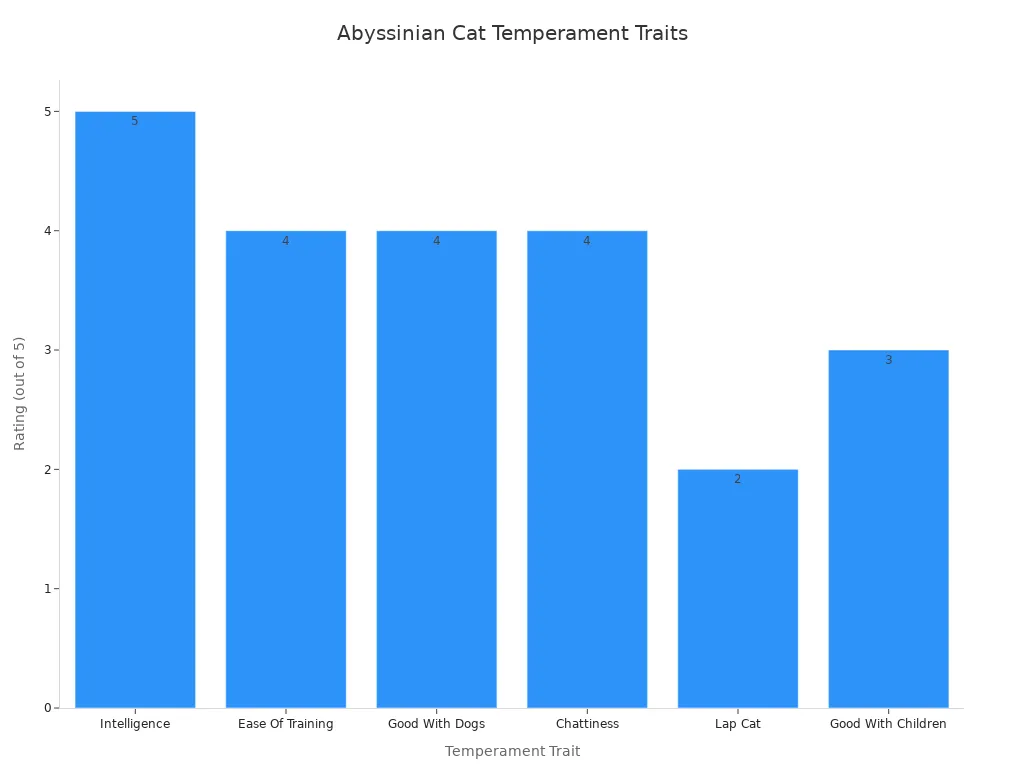
They are loyal and affectionate. However, they can be demanding. They dislike being left alone for long periods.
Grooming Needs: The Abyssinian’s short coat is easy to care for. You should brush them once a week. This helps maintain their coat’s luster. They shed moderately. Regular brushing helps control this. Bathing is seldom necessary.
Sphynx (Hairless/Very Short)
Coat: The Sphynx is famous for its lack of a traditional coat. They are often called “hairless.” However, they have a fine downy fuzz. It feels like suede. This gives them a unique texture. Their skin is often wrinkled.
Temperament: Sphynx cats are affectionate and outgoing. They are energetic and playful. You will find them very social. They love human attention. They are known for their loyalty and intelligence. They often greet you at the door.
Grooming Needs: Despite having no fur, Sphynx cats require specific grooming. Their skin produces natural oils. These oils would normally be absorbed by hair. Without hair, the oils accumulate on their skin.
Regular Baths: You must bathe your Sphynx every 1-2 weeks. Use lukewarm water and cat-specific, hypoallergenic shampoo. Pay special attention to their skin folds. This manages oil buildup and grime.
Ear Cleaning: Their ears accumulate more earwax. Check their ears weekly. Clean them every 1-2 weeks with a vet-approved cleaner. This prevents infections.
Nail Care: Trim their nails every 2-3 weeks. Use cat-specific clippers. Their claws have direct contact with skin. This prevents discomfort and scratching.
Cleaning Skin Folds: Dirt and oil gather in their skin folds. This happens around the neck, legs, and belly. Clean these areas regularly with a damp cloth or hypoallergenic wipes. This prevents infections.
Moisturizing: Some Sphynx cats get dry or flaky skin. This is common in colder months. You might need to apply a vet-approved, cat-safe moisturizer gently.
Bengal
Coat: Bengal cats have a short, close-lying coat. It feels soft and luxurious. Their fur often has a ‘glittered’ appearance. This is an iridescent shimmer. Light reflects or refracts at the hair tips. They display two main coat patterns: rosetted/spotted tabby and marble tabby. The rosetted pattern features random spots and rosettes. These have a horizontal flow. Rosettes are two-toned. They have darker outlines and lighter centers. The marble tabby pattern has swirling, flowing lines. These create a fluid, painterly effect.
Temperament: Bengals are highly energetic and intelligent. They are curious and love to play. You will find them active and athletic. They enjoy climbing and exploring. They can be quite vocal. They form strong bonds with their families.
Grooming Needs: The Bengal’s short coat is easy to maintain. You should brush them once a week. This removes loose hair and keeps their coat healthy. They shed moderately. Regular brushing helps control shedding. Bathing is usually only needed if they get particularly dirty. Their coat length makes them a relatively low-maintenance breed.
Long-Haired Cat Breeds: Regular Grooming
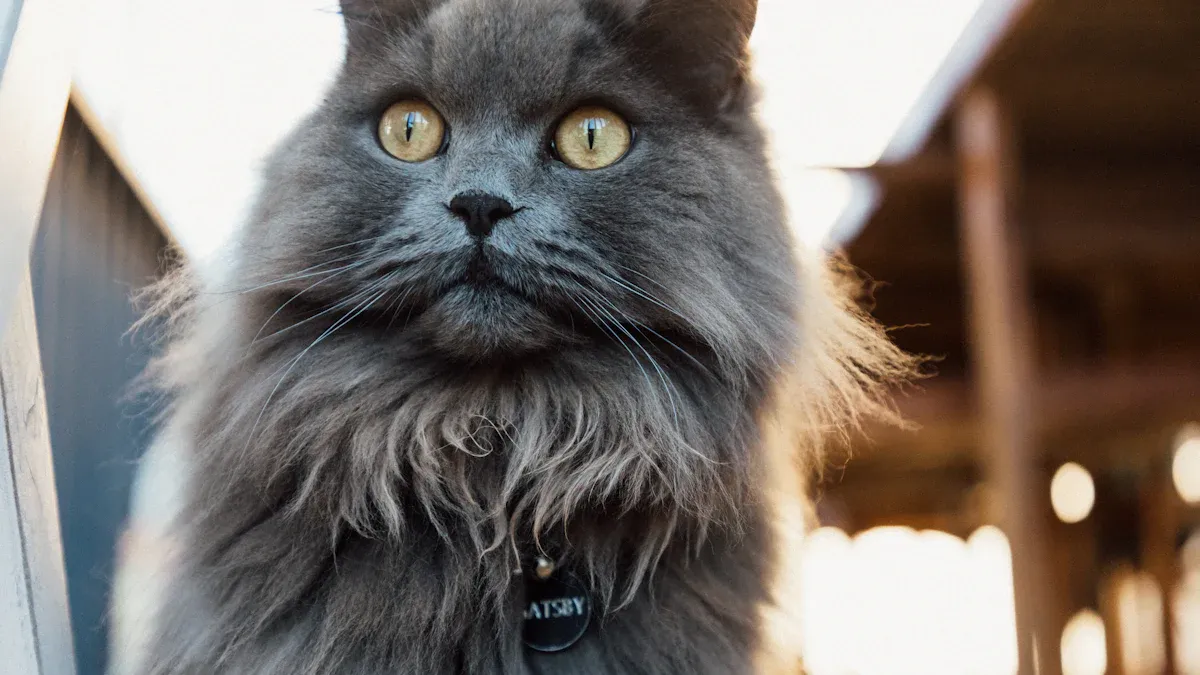
This section of our cat hair length chart focuses on longhair cat breeds. These cats possess beautiful, flowing coats. Their long hair requires regular grooming. You will find that caring for a longhair cat, such as a Persian or a British Longhair, demands more time and effort. This commitment ensures their coat remains healthy and free of mats. We will explore several popular longhair breeds. You will learn about their distinct features and care needs. Understanding each breed’s specific coat length helps you prepare for grooming. All longhair cats, including the British Longhair, benefit from consistent grooming routines.
Persian
Coat: The Persian cat is famous for its luxurious longhair. This breed has an extremely long, dense, and flowing coat. Its fine texture makes it prone to matting. This coat length requires significant commitment.
Temperament: You will find Persian cats gentle, sweet, and quiet. They are affectionate cats who enjoy lounging. They prefer a calm environment.
Grooming Needs: Grooming a Persian requires significant commitment. You must brush your Persian daily. This prevents mats and keeps their coat healthy.
Use a wide-tooth comb first for detangling.
Employ a slicker brush to remove loose hair.
Finish with a soft bristle brush for shine.
Brush in small sections, working from the hair tips to the roots.
Use your fingers to separate knots before brushing. Daily eye care is also crucial for Persian cats.
Wipe their eyes daily with a soft cloth, paper, or gauze. Avoid cotton wool because of fiber risk.
Moisten the cleaning material with special drops.
You can trim hair around their eyes to prevent irritation.
Consistent cleaning prevents bacterial buildup and keeps their face neat. Regular bathing, about once a month, also helps maintain their coat’s condition.
Maine Coon
Coat: The Maine Coon is a majestic longhair cat. This breed has a semi-long, shaggy, and water-repellent coat. It features a dense undercoat and a distinctive bushy tail. A prominent ruff around their neck adds to their impressive appearance.
Temperament: You will find Maine Coons are gentle giants. They are friendly, playful, and intelligent. Many describe them as dog-like in their loyalty.
Grooming Needs: Grooming a Maine Coon requires moderate to high effort. You should brush them two to three times a week. This prevents mats and removes loose fur. Maine Coon cats typically shed their coats twice a year. This happens during spring and fall. These times align with seasonal weather changes. Their shedding intensity is generally moderate to high. You will observe more shedding from their long topcoat than their undercoat. Increase brushing frequency during these shedding seasons.
Ragdoll
Coat: Ragdolls are known for their stunning semi-long coat. This breed has a silky texture. Their dense coat consists mainly of long guard hairs. They lack a dense undercoat. This leads to reduced shedding and matting. Their fur feels soft, like a rabbit’s. This medium length coat is easy to manage.
Temperament: You will find Ragdolls docile and placid. They are affectionate cats with a “floppy” nature. They get along well with children and other pets.
Grooming Needs: Grooming a Ragdoll is moderately demanding. You should brush them two to three times a week. Their coat is less prone to matting than other longhair breeds. However, regular brushing keeps it healthy and beautiful. They shed less, except in spring and fall. Their soft texture means shed hair stays on surfaces and is easy to pick up.
Himalayan
Coat: The Himalayan cat shares many traits with the Persian. This breed has a long, dense, and flowing coat. It features the distinctive colorpoint pattern. Their coat is prone to matting.
Temperament: Himalayan cats are loving, fun, and calm. They form strong bonds with their owners. You will find them gentle, affectionate, and laid-back. They enjoy a calm, easygoing lifestyle. They adjust well to both peaceful and active homes. However, they dislike excessive noise or chaos. They are very people-oriented. They prefer to be with their families. They are sociable, yet quiet and docile. They purr loudly when receiving affection. They are dependent on their humans. They can become depressed if their favorite people are not around enough. They are moderately playful. They enjoy chasing toys and jumping at strings.
Grooming Needs: Grooming a Himalayan requires high commitment. You must brush them daily. This prevents mats and keeps their coat healthy. Daily eye care is also essential, similar to the Persian. Regular bathing helps maintain their coat’s condition.
Birman
Coat: The Birman is a beautiful longhair cat. This breed has a semi-long, silky, and soft coat. It is a single coat, meaning it has less undercoat. This makes it less prone to tangles than some other breeds with long hair.
Temperament: You will find Birmans gentle, sweet, and affectionate. They are playful yet quiet. They form devoted bonds with their families.
Grooming Needs: Despite their luxurious fur, Birmans are not high-maintenance. They are generally good at keeping themselves clean. Brushing is the most crucial grooming step. You should brush them once or twice a week. Increase frequency during shedding season.
This removes loose fur and prevents matting. Use a fine-toothed comb for tangles, especially around the collar. Follow with a slicker brush. Bathing is typically not required for adult Birmans. Kittens may need occasional baths if dirty. Use warm water and kitten-specific shampoo. Senior cats or those with health issues may also need occasional bathing. This happens if they struggle with self-grooming. Nail trimming is highly recommended. Trim their nails regularly to prevent injuries. Check their ears weekly for dirt and wax buildup. Gently clean visible parts with a wet cotton ball. Avoid inserting anything into the ear canal. Monitor their eyes for redness, irritation, or excessive discharge.
Norwegian Forest Cat
Coat: The Norwegian Forest Cat has a magnificent longhair coat. This breed has a semi-long, double coat. It achieves impressive density during winter. Its structure includes a woolly undercoat. A water-repellent topcoat covers this undercoat. This topcoat consists of long, coarse, and glossy guard hairs. The coat length and undercoat density vary seasonally. The length of their coat provides excellent insulation.
Temperament: You will find Norwegian Forest Cats gentle, calm, and friendly. They are intelligent and good climbers. They enjoy human companionship.
Grooming Needs: Grooming a Norwegian Forest Cat requires moderate effort. You should brush them two to three times a week. This prevents mats, especially in denser areas. Increase brushing frequency during shedding seasons. Their thick coat needs regular attention to stay healthy.
Factors Influencing Cat Hair Length
Genetics and Breed Standards
Your cat’s coat length comes from its genes. The FGF5 gene plays a big role in this. This gene controls how long hair grows. Mutations in the FGF5 gene make hair grow longer. This happens because FGF5 usually tells hair to stop growing. When the gene does not work right, hair keeps growing past its normal length. The long hair trait is recessive. This means a cat usually needs two copies of the gene variant to have long hair. Different gene variants can also combine to create a longer coat length.
Breed standards set the expected hair length for each cat breed. This helps define what makes a breed unique. For example, short-haired cats have fur from 0.5 to 1 inch long. These breeds often have two coats. They need minimal grooming. Medium-haired cats have fur about 1 to 2 inches long. Many have thick, silky fur. They need brushing a few times a week. Long-haired cats often have coats over 2 inches. They have a thick tri-coat. These breeds need regular brushing to avoid mats. Hairless cats, like the Sphynx, have only fine fuzz. They need regular baths for oil control. This cat hair length chart shows you the variety.
Grooming Requirements by Hair Length
The length of your cat’s hair directly affects its grooming needs. Short-haired cats need less maintenance. You should brush them once a week. This helps reduce shedding and keeps their coat healthy. Medium-haired cats need more frequent care.
You should brush them a few times a week. This prevents matting. Long-haired cats demand the most grooming. You need tools like a pin brush, slicker brush, and undercoat rake. These tools help keep their long hair smooth and tangle-free.
Health Considerations for Coat Types
Longer coats can also bring specific health concerns. Your cat’s thick, dense long hair creates a good place for parasites like fleas. This can lead to frequent scratching or licking. This causes skin irritation. Poor skin condition can also signal an inadequate diet for your cat. Some long-haired breeds, like Persians, can get specific skin conditions. These include feline idiopathic seborrhea and acne. Regular grooming helps you spot these issues early.
This cat hair length chart shows you key differences. Short-haired cats need less grooming. Cats with long hair require more daily care. A cat’s coat length is crucial. It affects grooming routines and health. The hair length directly impacts your commitment. Consider your lifestyle and time. Choose a breed whose coat length matches your preferences. This ensures a happy home for you and your pet.