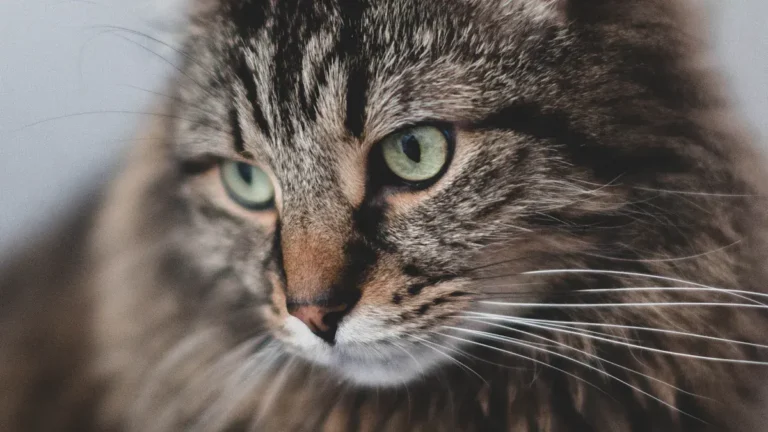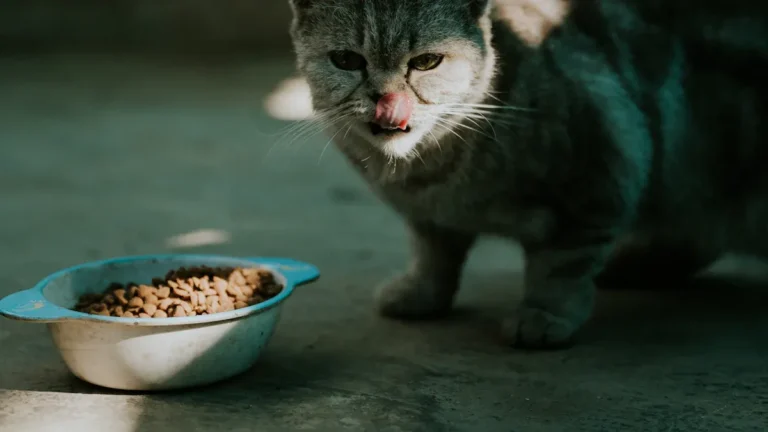

Like a faded painting in a dim room, your cat’s world is full of shapes, shadows, and just a hint of color that you’d never notice at initial glance. You may assume your cat sees the same bright reds and greens you do, but its eyes work in a very different way. Once you understand how your cat actually sees color, you’ll never look at their toys, your home décor, or even their strange habits the same way again.
How Feline Eyes Are Built Differently From Ours
Even though your eyes and your cat’s eyes could look similar at initial glance, inside they work in very different ways. You both share a bond, but your vision worlds aren’t the same.
Your feline friend has a special feline eye structure that’s built for twilight and shadow.
Your cat’s retina holds many more rod cells than cone cells, so their visual processing favors dim light and motion. Their large corneas and elliptical pupils pull in every scrap of light, helping them glide through dark rooms while you fumble for a switch.
A shiny layer called the tapetum lucidum bounces light back through the retina, giving that glowing eye look. Cats trade sharp detail and close-up focus for quick motion detection, perfect for a tiny household hunter.
The Science Behind Color Vision in Cats
As you start to investigate the science of how your cat sees color, it helps to look closely at the tiny cone cells in their eyes that react to light.
You’ll see that cats have fewer cone types than you do, so their world of color feels simpler and more muted.
In comparing your vision to your cat’s, you can begin to understand why certain shades stand out to them and how that shapes the way they move through your home.
Feline Cone Cell Types
Although your cat’s eyes could look a lot like yours at initial glance, the tiny cells inside them work in a very different way. As you understand feline vision, you start to see how your cat’s world feels unique, not lacking. Inside the retina, cone distribution shapes how color appears.
Your cat has two cone types, tuned mainly to blues and yellows. That means reds and many greens fade into gray. With about ten times fewer cones than you, your cat leans on brightness and motion instead of rich color.
Here’s a quick guide:
| Feature | Cat Cone Cells |
|---|---|
| Cone types | 2 (dichromatic) |
| Main colors sensed | Blues, yellows |
| Reds / many greens | Appear grayish |
| Cone count vs humans | Far fewer |
| Everyday effect | Clear shapes, softer colors |
Comparing Cat and Human Vision
While your eyes and your cat’s eyes could look similar on the outside, the way they see color is surprisingly different on the inside. You see a rich rainbow because you have three types of cone cells. Your brain blends signals from red, green, and blue cones, so flowers, toys, and clothes pop with color.
Your cat has only two cone types, so feline color perception leans toward blues and yellows. Reds and greens fade into gray, a bit like red green color blindness.
That could sound sad, but it actually fits your cat’s visual hunting strategies. With far more rod cells, your cat spots tiny movements in dim light. Up close, they see clearly enough to track a twitching tail, even though the colors look muted.
What Colors Cats Are Most Likely to See
Even though your cat’s world looks softer and quieter than yours, it’s still full of color that matters to them. Your cat sees blues and yellows best, so toys in sky blue, deep blue, or bright yellow stand out as strong visual stimuli.
As you learn this, you can match their natural color preferences instead of guessing.
Reds and greens, however, fade into grayish tones for your cat. That red mouse or green ball you love may look dull to them, almost like the same shade.
Because of this, your cat relies more on brightness and movement than rich color. So, as you choose toys or beds, consider bright blue or yellow, plus interesting textures and motion, to create a world they can truly notice.
How the World Looks to Cats Versus Humans
Once you understand how your cat’s eyes work, it becomes easier to envision the world the way they see it. You live in a bright, colorful world, rich with reds, greens, and tiny color details. Your trichromatic vision lets you notice subtle shifts in a sunset or the exact shade of a toy.
Your cat’s world feels different, not poorer. With dichromatic cat color perception, blues and yellows stand out, while reds and greens blend into soft greys. So your red blanket could just look like another grey mark on the couch.
Because of this, your cat leans on brightness, contrast, and motion. Their visual hunting strategies focus on the slightest twitch, the faintest shift, turning simple movements into powerful invitations to pounce.
Night Vision Superpowers: Seeing in the Dark
When you contemplate a cat’s night vision, you’re really looking at two secret helpers inside the eye: the rod cells and the shiny tapetum that causes that spooky eye glow.
You’ll see how extra rods make dim rooms look brighter to your cat, while the tapetum sends light back through the retina for a second chance to be seen.
As you connect these two features, you’ll start to understand why your cat walks through the dark like it’s no big deal at all.
Rods and Low Light
Nighttime turns into a gentle spotlight for your cat, thanks to some incredible tools inside their eyes. Because of powerful rod cell adaptation, your cat’s retina is packed with six to eight times more rod cells than yours. Those rods react to the softest glow, so your cat needs only a tiny bit of light for low light hunting and quiet hallway patrols.
Their big, elliptical eyes and wide corneas pull in extra light, like open doors in the dark. That’s why they glide through dim rooms while you’re reaching for a lamp.
Here’s how your cat’s night gear compares to yours:
| Feature | Cat vs You |
|---|---|
| Rod cells | 6–8x more |
| Needed light level | About one sixth |
| Eye shape | Larger, more elliptical |
| Motion detection | Sharper in low light |
| Dawn and dusk activity | Prime hunting and playtime |
Tapetum and Eye Shine
Although your cat’s eyes might look a little spooky in the dark, that glowing shine is actually a clever built-in mirror called the tapetum lucidum. You’re not imagining it. That glow, or eye shine, is part of what makes your cat such a confident night investigator.
The tapetum function is simple but powerful. Light enters the eye, passes the retina, then hits this reflective layer and bounces back, giving the rods a second chance to catch it.
Because of this, your cat can see in light six to eight times dimmer than you can. Their big corneas and oval pupils pull in extra light, while rod cells outnumber cones. Together, these features help your cat move, stalk, and play at dawn and dusk.
Depth Perception, Motion Detection, and Hunting Skills
Even before you notice anything moving in the room, your cat’s eyes are already busy measuring distance, speed, and tiny shifts in motion that you could never see. Those quiet stares come from deep predatory instincts and powerful visual adaptations that help your cat feel safe and in control.
You may see a toy. Your cat sees a target at a precise distance. With excellent depth perception, your cat knows exactly when to leap so paws land in the right spot. Their wide 200 degree view lets them watch the room like a gentle guard.
Because their eyes are packed with rod cells, they track motion in dim light, especially at dawn and dusk, as their hunting skills truly come alive.
Are Cats Nearsighted, Farsighted, or Something Else?
Cats don’t see the world as clearly as you do, but that doesn’t mean their vision is “bad” or broken. Your cat actually has mid-sighted, slightly nearsighted vision. That sounds technical, but it really just means your cat sees best at middle distances, around the length of a room.
Your bond fits into how they see you. You’re part of the “clear zone” where their eyes work hardest and feel safest.
To understand their visual limitations, it helps to visualize how their eyes trade detail for survival skills.
- Clear sight around 6 meters
- Blurry objects very close to the face
- Poor focus on faraway details
- Sharp motion detection in dim light
- Vision tuned for hunting, not reading fine print
Choosing Toys and Home Décor Your Cat Can Actually See
One of the easiest ways to make your cat’s world brighter is to choose colors they can actually see. Since your cat notices blues and yellows best, your toy selection and décor choices really matter. Many red or green toys fade into dull grey for them, so they might ignore toys you bought with love.
To feel more connected, you can match your cat’s color preference with your home style. Consider soft blue blankets, sunny yellow beds, and play tunnels that stand out on the floor. This way, your home feels cozy for you and visually clear for your cat.
| What You’re Choosing | Cat Friendly Color Ideas |
|---|---|
| Wand toys | Bright blue ribbons |
| Balls | Neon yellow balls |
| Beds | Blue or teal fabric |
| Bowls | Yellow or blue dishes |
Viral “Cat Vision” Filters: Fun Trend or Real Science?
As you scroll past those “cat vision” filters on TikTok, you may ponder whether they really show the world the way your cat sees it or whether they just look cool on video.
In the next part, you’ll see how these filters actually work with color and light, and how that compares to what scientists know about feline eyes.
This helps you sort out what’s real science and what’s just a fun trend that gets lots of likes.
How Tiktok Filters Work
Although these viral TikTok “cat vision” filters look like pure fun at the outset, they actually come from real science about how your cat’s eyes work.
TikTok technology takes what we understand about feline perception and turns it into a visual layer over your screen. You see a world closer to what your cat could see, and that helps you feel more connected.
Here’s what’s usually happening inside the filter:
- It mutes reds and greens into soft greys
- It enhances blues and yellows that cats notice more
- It lowers brightness in some areas while keeping movement sharp
- It smooths details in the distance to copy cat eyesight
- It lets you test toy colors or catio ideas that your cat might enjoy
Science Versus Viral Effects
Even though viral “cat vision” filters feel playful and a little magical, they sit in a blurry space between real science and clever special effects.
Whenever you watch those videos, you see dull reds, strong blues, and bright yellows, and it feels like you’re finally seeing through your cat’s eyes.
In reality, the science is a bit stricter. Cats have dichromatic vision, so their visual perception is closer to red green color blindness. The filters hint at this, but they’re not exact.
Still, you’re not wrong to care. Whenever you pick toys with blues and yellows, you support natural cat behavior, like chasing and pouncing.
What Cat Vision Reveals About Their Mysterious Behavior
Because your cat’s eyes work so differently from yours, many of their “mysterious” habits suddenly start to make sense.
As soon as you understand their visual perception, feline behavior feels less confusing and more like a shared secret between you and your little hunter.
Your cat sees mostly blues and yellows. Reds and greens fade into gray, so a bright red toy looks dull, while a blue one pops. Their world is about motion and brightness, not fancy color.
This is why you often see your cat:
- Staring at “nothing” that’s actually a tiny movement
- Going wild for blue or yellow toys
- Pouncing more at dawn and dusk
- Using wide peripheral vision to track you and other pets
- Choosing high, open spots to watch everything quietly