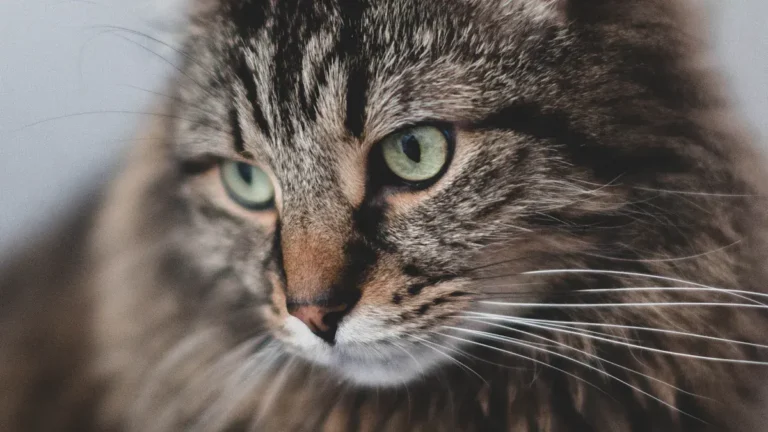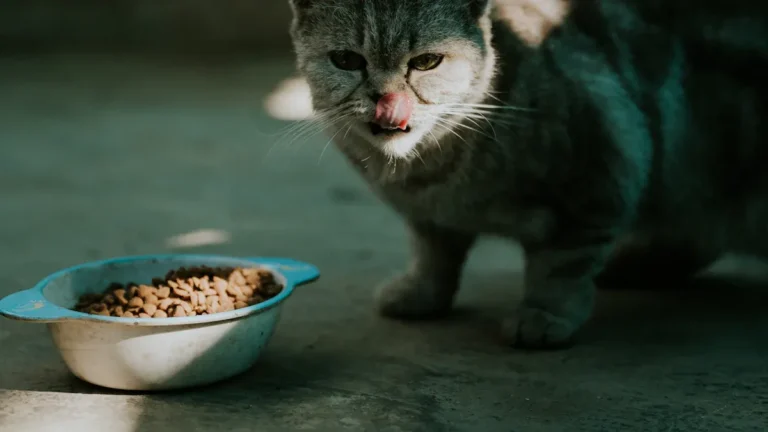

In case your cat stares at your plate of broccoli and you’re curious about whether it’s safe to share, you’re not alone. You want to offer something healthy, but you also don’t want a gassy, uncomfortable kitty later. Broccoli can actually be both a gentle veggie snack and a tummy troublemaker, depending on how you serve it and how your cat’s body reacts, which is why grasping a few key facts really matters next.
Is Broccoli Safe for Cats to Eat?
Why do so many cats seem curious about broccoli in the initial place? You see that tiny green tree on your plate, and your cat suddenly acts like it’s the most exciting thing in the room.
You’re not weird for questioning whether it’s safe. You’re just a loving cat parent who wants to belong with others who care this much.
Broccoli isn’t known for strong broccoli toxicity in healthy cats, but you still need care and moderation. A small, plain, cooked piece is usually safer than raw, because it’s softer and easier to digest.
Watch your cat closely afterward. Each cat has unique feline preferences, so your friend may sniff and walk away, or nibble and enjoy, or even get gassy or uncomfortable.
Nutritional Benefits of Broccoli for Felines
One surprising perk of sharing a tiny bit of broccoli with your cat is that this little green veggie actually offers real nutrients, not just crunch.
Whenever you offer a small floret, you add helpful Broccoli nutrients like vitamin C, vitamin K, and fiber. These can quietly support Cat health alongside a balanced meat-based diet.
You could also appreciate that broccoli contains antioxidants. These tiny helpers work in the background and support your cat’s cells as they age.
In a way, you’re not just treating your cat, you’re caring for their long-term wellbeing. Broccoli’s fiber might also help your cat feel full and satisfied.
This can support weight control, especially in case your cat loves snacks and you want gentler, greener options.
Potential Digestive Issues and Gassiness in Cats
Although broccoli can be a cute little treat, it can still be rough on a cat’s sensitive stomach should one not be careful.
Your cat’s body doesn’t handle veggies like yours does, so broccoli can sometimes upset the balance of digestive enzymes in the gut. That’s at which point you may see loose stools, tummy discomfort, or extra gas production.
You’re not alone in case you’ve noticed these changes and felt worried. Many caring cat parents see:
- More smelly gas after broccoli snacks
- A suddenly bloated or tight-looking belly
- Soft stool or a bit of diarrhea later that day
- A normally social cat hiding or acting grumpy
At the moment you notice these signs, your cat isn’t being difficult. Their body is simply saying, “This is a bit much for me.”
How to Prepare and Serve Broccoli to Your Cat
A gentle way to start offering broccoli to your cat is to treat it like a tiny food experiment, not a full snack or meal. This mindset keeps things low pressure for both of you and helps your cat feel safe trying something new.
For broccoli preparation, always wash the florets well, then cook them until they’re soft. Steaming works best because it keeps more nutrients and avoids greasy oils.
Let the broccoli cool completely so your cat doesn’t burn their mouth.
For cat serving, chop the florets into very small pieces so they’re easy to chew and less scary to sniff. Keep the broccoli plain, with no salt, butter, garlic, onion, or seasoning, so it stays gentle on your cat’s sensitive system.
Portion Sizes and How Often Cats Can Have Broccoli
Now that you know how to prepare broccoli, you’ll want to understand how much your cat can safely eat at one time.
In this section, you’ll see simple guidelines for safe serving amounts, how often you can offer broccoli, and how to fit it around your cat’s regular meals.
You’ll also learn what signs show you’ve given too much, so you can keep your cat curious and happy without upsetting their stomach.
Safe Serving Amounts
Two small rules can keep broccoli safe and stress free for your cat: tiny portions and rare treats. You protect your cat from broccoli toxicity when you consider broccoli as a tiny side snack, not a meal. A good safe serving is about the size of your thumbnail, chopped soft and small.
To keep things simple, you can:
- Offer one or two bite sized pieces at a time
- Watch your cat’s belly and litter box afterward
- Stop right away should you see gas, loose stool, or discomfort
- Adjust serving frequency based on how your cat feels
At the time you serve with care, broccoli becomes a little shared ritual. You’re not just feeding a veggie. You’re learning your cat’s limits and honoring them.
How Often to Offer
You’ve got the tiny piece size down, so the next big question is how often your cat can enjoy those little broccoli bites. You’re not alone in questioning that. Many caring cat parents want to balance broccoli benefits with real-life feline preferences.
In general, you can offer broccoli once or twice a week, not every day. Consider it as a special side treat, not a main part of meals. Start slow, then notice your cat’s mood, tummy comfort, and litter box.
Here’s a quick guide to help you feel more confident:
| Schedule idea | What it could look like |
|---|---|
| Once a week | A few tiny florets with dinner |
| Twice a week | Small bites spaced a few days apart |
| Occasional only | Serve at times your cat clearly seems interested |
Signs You’Ve Given Too Much
Although broccoli can be a fun little extra, your cat’s body will usually tell you during that period it has had too much.
At the point excessive consumption happens, you’ll often notice changes in your cat’s behavior and litter box habits. Pay close attention to new or sudden cat reactions after a broccoli treat.
Look for signs like:
- Extra gas, bloated belly, or loud tummy sounds
- Loose stool, constipation, or straining in the litter box
- Less interest in food, hiding, or seeming grumpy upon being touched
- Drooling, vomiting, or pawing at the mouth after eating
If you see any of these, pause the broccoli.
Then, once your cat feels normal again, restart with a tiny piece and offer it only every so often, not every day.
When to Skip Broccoli and Call the Vet
Sometimes your cat’s reaction to broccoli isn’t just a funny face or a little gas, and you need to watch closely for warning signs that mean something’s wrong.
You’ll want to know which symptoms count as a true broccoli emergency so you can stop the treat and call your vet right away.
It also really helps in case you’re ready to share clear details with your vet, like how much broccoli your cat ate, at the time they ate it, and what changed afterward.
Warning Signs to Watch
At the moment a cat eats something new like broccoli, it can feel exciting and a little scary at the same time, so it helps to know which signs mean everything is fine and which signs mean it’s time to call the vet.
You’re not being overprotective. You’re just guarding a family member.
Watch your cat closely after broccoli. Mild gassy reactions can be normal, but strong smells, bloating, or obvious pain aren’t. Pay attention to any unusual behavior that doesn’t feel like your cat’s normal self.
Look for:
- Repeated vomiting or drooling
- Swollen belly or crying while touched
- Hiding, restlessness, or sudden aggression
- Straining in the litter box or very loose stool
If these signs appear, stop the broccoli and call your vet for guidance.
Broccoli-Related Emergencies
Anyone who loves their cat knows that sudden trouble after a new food can feel terrifying, and broccoli is no exception. You’re not alone should you worry the second your cat looks “off” after a bite. Trust that feeling. It means you’re paying attention.
Sometimes, broccoli allergies or stomach upsets stay mild. But you should treat certain emergency symptoms very seriously. Watch for repeated vomiting, bloody or black stool, or crying as your cat tries to use the litter box.
Notice should your cat’s belly swell, feel tight, or they hunch and refuse touch. Fast breathing, wobbling, or suddenly hiding can also signal real trouble.
Once you see these signs, skip all broccoli and call your vet right away.
What Your Vet Needs
Even while you feel scared and rushed, your vet still needs clear information from you so they can help your cat fast.
Whenever you call or visit for a vet consultation, take a breath and focus on the details. Your calm, clear words become your cat’s voice.
Share exactly what happened and what you noticed. It helps your vet sort out whether broccoli played a role or whether something else is wrong.
Be ready to explain:
- How much broccoli your cat ate and when
- All symptoms you see, even small ones
- Any other foods, meds, or treats given today
- Past stomach issues or special dietary advice from this vet
Whenever you offer these details, your vet can act quickly and you’ll feel less alone in the moment.