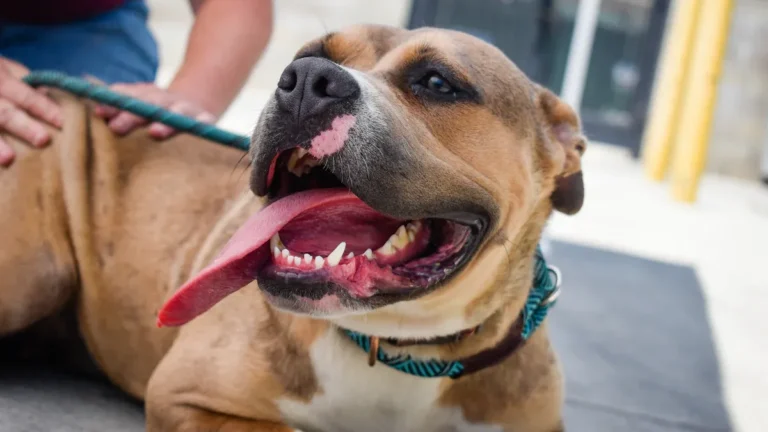

Dogs should not eat marshmallows, even though they beg with big hopeful eyes. Marshmallows offer no real nutrients and are packed with sugar that can cause weight gain, diabetes, stomach upset, and dental problems. Sugar free types can be even more dangerous, since xylitol might trigger seizures or liver failure. Their sticky texture can also cause choking or blockage, especially in small dogs. With safer, sweeter options available, pet owners can feel relief understanding better choices exist beyond this point.
Marshmallows Offer No Real Nutritional Value for Dogs
Marshmallows may look soft and fun, but they do not give a dog anything it truly needs to stay healthy. A caring dog owner often wants to share treats, yet marshmallows mostly offer sugar and air.
So, as a dog fills up on them, it misses out on real food that supports strong muscles, a steady heart, and a calm mind.
Over time, this pattern can lead to nutritional deficiencies, because the dog’s body is not getting enough protein, vitamins, or minerals. The marshmallows act as empty calories that crowd out better choices.
Instead of helping joints, skin, and energy, they simply take up space. Once someone understands this, it becomes easier to choose treats that truly nourish.
Sugar Overload Can Lead to Obesity and Diabetes
Sugar quickly turns a simple treat into a real health risk for a dog’s body.
As sugar consumption climbs, a dog’s blood sugar spikes, then crashes, leaving the body stressed and tired. Over time, those extra marshmallows turn into extra fat, and that extra fat slowly pushes a dog toward obesity.
With obesity comes a heavier load on joints, a tired heart, and labored breathing during simple walks.
As weight rises, the body struggles to use insulin correctly, which increases the risk of diabetes. Diabetes then brings thirst, frequent urination, and dangerous blood sugar swings.
Many caregivers feel tempted to “share the sweetness.”
Yet choosing lower sugar treats quietly protects a dog’s weight, energy, and long-term health.
Xylitol and Other Sweeteners May Be Highly Toxic
While too much regular sugar slowly harms a dog’s body, certain artificial sweeteners can cause damage much faster. This is where xylitol toxicity becomes a serious fear for caring dog families.
Xylitol often hides in sugar free marshmallows, gums, and candies, and a very small amount can trigger a sudden crash in blood sugar. In many dogs, this leads to vomiting, weakness, shaking, or even seizures within an hour.
Some dogs also suffer liver injury, which can be life threatening. Other sweeteners bring sweetener dangers too, because labels change and new recipes appear. So it becomes hard for anyone to feel sure what is safe.
In situations of uncertainty, people protect their dogs by keeping all artificially sweetened treats completely out of reach.
Sticky Texture Increases Choking and Blockage Risks
The soft, sticky texture of marshmallows might seem fun, but it can make them much harder for a dog to chew and swallow safely.
Because the candy can cling to teeth, tongue, or throat, a dog faces a higher chance of choking or even having the airway partly blocked.
Should a larger piece be swallowed, that same sticky texture can also slow movement through the digestive tract and increase the risk of a painful obstruction.
Higher Choking Potential
Sticky, stretchy candy can look harmless, but its texture can quietly turn snack time into a real danger for dogs.
Whenever a dog bites into a marshmallow, it can clump together instead of breaking apart. This sticky lump easily becomes one of the most common choking hazards in the home.
Small breeds face even higher risk, since their mouths and throats are tiny compared to the size of a regular marshmallow.
But larger dogs are not truly safe either. They often gulp treats without chewing well, which lets bigger pieces slide back toward the throat.
In busy, loving homes, it is easy to miss those quick moments. A playful bounce, a fast swallow, and that soft candy can suddenly create panic.
Risk of Airway Blockage
Beyond simple choking, that same gooey texture can block a dog’s airway in a very scary way.
Because marshmallows are soft and sticky, they can mold to a dog’s throat and cling to delicate airway anatomy. Instead of sliding down, they might form a seal that air cannot pass around, turning a small treat into a true emergency.
Guardians often envision choking hazards as only solid objects, yet squishy pieces can be just as dangerous.
Whenever a dog gulps food, breathes fast from excitement, or barks while chewing, a sticky lump can slip into the wrong place and stay there.
- Sticky marshmallow coating the throat
- Blocked airflow to the lungs
- Silent, panicked gasping
- Sudden collapse from lack of oxygen
- Need for urgent veterinary care
Digestive Tract Obstruction
Inside a dog’s body, that same soft marshmallow can turn into a sticky plug that slows or blocks the digestive tract.
The sugar and gelatin can clump together, especially at the time a dog swallows pieces without chewing well. This thick mass could sit in the stomach or intestines and quietly threaten digestive health.
At the point this happens, obstruction symptoms often start slowly but grow stronger. A dog could vomit or gag, then refuse food that it usually loves.
The belly can look swollen, and the dog might hunch, whine, or avoid being touched. Some dogs strain to poop or stop passing stool at all.
At the time a dog shows several of these changes after eating marshmallows, that is a signal to call a veterinarian quickly.
Artificial Additives Can Trigger Allergies and Sensitivities
Quietly concealed in a soft white marshmallow, artificial colors, flavors, and preservatives can cause real trouble for a dog’s immune system.
A dog’s body often does not recognize these lab-made ingredients, so it might react as though they are harmful germs. That is at such times allergy symptoms or sensitivity reactions can show up and worry a caring family.
These additives could lead to itchy skin, ear problems, or tummy issues that seem to appear out of nowhere.
Over time, repeated exposure can make each reaction stronger, not weaker, which leaves many dogs feeling on edge and uncomfortable.
- Red, yellow, or blue dyes
- Artificial vanilla or fruit flavors
- Chemical sweeteners
- Preservatives that extend shelf life
- Combined additives in other candies
Pancreatitis and Digestive Upset From Fatty, Sugary Treats
How often does a simple treat turn into a stomach problem before anyone sees it coming? At the time a dog eats fatty, sugary snacks like marshmallows, the pancreas can get inundated. This raises serious pancreatitis risks and can leave a dog in real pain. The belly might tighten, the dog might hunch, refuse food, or vomit, and the family feels worried and helpless.
Sugary treats can also cause gas, diarrhea, and other digestive discomfort that makes a dog restless and cranky. It helps to visualize what is going on inside the body.
| Treat Type | Possible Issue | What Caregivers Notice |
|---|---|---|
| Marshmallows | Pancreatitis risks | Vomiting, painful belly |
| Frosted cookies | Digestive discomfort | Diarrhea, gas, whining |
| Fatty table scraps | Inflamed pancreas strain | Lethargy, loss of appetite |
| Sugary cereal | Gut irritation | Loose stool, thirst, pacing |
Long-Term Effects on Dental Health and Bad Breath
Stomach trouble from sugary snacks like marshmallows is only part of the story, because those same treats can slowly wear down a dog’s teeth and fresh breath too.
As sugar sticks to a dog’s teeth, it feeds mouth bacteria. Over time, this can lead to dental decay, sore gums, and stubborn bad breath that does not fade with a quick water break.
Guardians often feel worried as a dog’s kisses start to smell sour. That smell can be a quiet warning sign that the mouth needs care and less sugar.
- Sticky sugar coating teeth
- Bacteria growing along the gumline
- Initial tartar and dental decay forming
- Swollen, painful gums affecting chewing
- Long-lasting bad breath changing daily closeness
Safer Treat Alternatives When Your Dog Craves Something Sweet
While marshmallows may seem like a fun way to spoil a dog, there are much kinder treats that satisfy a sweet craving without putting health at risk.
Whenever a dog stares at a snack, many owners feel torn. They want to share love, not sugar and stomach aches.
So instead of candy, they can offer healthy fruit like blueberries, sliced strawberries, or a bit of banana. These give gentle sweetness along with vitamins.
For a creamy option, a spoon of plain dog safe yogurt feels special and cool, especially on warm days.
If a dog enjoys crunch, small carrot sticks or apple slices without seeds work well.
Through choosing these options, owners still say yes to their dog, while quietly protecting long term health.