
Neutering cats prevents unwanted litters and eases shelter strain, while also removing ovaries or testes so uterine, ovarian, and testicular diseases cannot develop. It sharply cuts mammary cancer risk once done before the initial heat and calms mating-driven roaming, fighting, and marking. Fewer injuries and infections mean longer, healthier lives and lower vet and shelter costs. Communities gain safer streets and less wildlife harm. Keep going to learn practical timing, care, and local options.
Dramatically Cuts Unwanted Litters and Overpopulation
A single spayed or neutered cat can make a huge difference in preventing unwanted litters and easing the burden on shelters. The community notices whenever fewer kittens arrive at doors and shelters, and neighbors feel relief appreciating resources stretch further. Clinics and community outreach events build trust, so more families choose surgery and foster care.
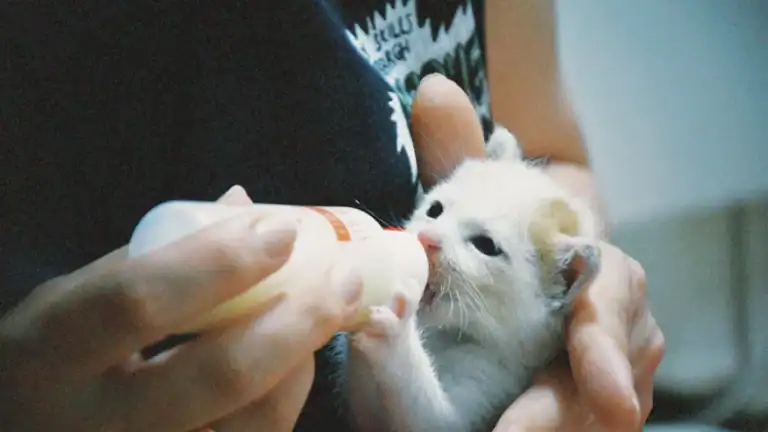
Whenever people foster, they help with kitten socialization, giving kittens safe play, gentle handling, and premature lessons in coexisting with people. That care improves adoption success and keeps cats in homes. Volunteers and vets work together to guide new caretakers, showing steps for feeding, play, and safe spaces. Together they reduce litters, lower shelter intake, and strengthen local bonds.
Prevents Uterine, Ovarian, and Testicular Diseases
While considering a cat’s health and future, spaying and neutering stand out as powerful steps that protect against serious reproductive diseases. The procedures remove the organs where many problems start, and they create shared benefits that owners and community members can appreciate.
- Spayed females face no pyometra and far lower uterine and ovarian cancer risks, which builds peace of mind for caregivers.
- Neutered males eliminate testicular cancer risk and reduce prostate and related infections, improving long term wellness.
- Surgery reduces hormone driven behaviors and also limits uterine microbiome shifts that can lead to chronic infection.
- Removing reproductive tissue lowers chances of rare hormone independent tumors and simplifies medical care across the cat lifespan.
These changes strengthen bonds between cats and people who care for them.
Greatly Lowers Risk of Mammary Cancer in Females
Spaying a female cat at a premature age offers strong protection against mammary cancer through removing the hormonal signals that can trigger tumor development.
The degree of risk reduction is greatest whenever the procedure happens before the initial heat, with a much smaller benefit should it be delayed.
Grasping the timing, how hormones drive cancer growth, and the clear size of the risk change helps caregivers make a calm, confident choice for their cat.
Timing of Spay
Before the initial heat cycle, owners can greatly reduce a female cat’s chance of developing mammary cancer later in life. Timing matters for health and for feeling part of a caring community. Early spay often aligns with routine visits, easing juvenile anesthesia concerns while allowing attention to behavioral development. Owners gain confidence as vets explain risks and steps.
- Spay before initial heat cuts cancer risk dramatically and fits common pediatric care visits.
- A vet will discuss anesthesia safety, pain control, and return-to-home plans that comfort caregivers.
- Early spay reduces heat behaviors, which improves home harmony and long term welfare.
- Coordinating spay with vaccination and microchip timing builds trust between owner and clinic.
Degree of Cancer Risk
Measured in clear numbers and plain terms, having a female cat spayed greatly lowers her chance of developing mammary cancer later in life. The risk drops about 90 percent prior to spaying occurring before the initial heat, and it still falls substantially if done sooner in life.
This matters to caregivers who want their cats to thrive and feel safe in a shared home. Some cats carry a genetic predisposition that raises concern, so owners should talk with their vet about individual risk.
Regular exams and reasonable screening protocols help catch changes at an early stage. The vet will explain signs to watch for and recommend timing that fits the cat and family. That gentle teamwork eases worry and strengthens belonging.
Biological Protection Mechanisms
Having explained how prematurely spaying cuts mammary cancer risk, it helps to look at how the body changes to provide that protection. Neutering alters hormone cycles so tissues that could become cancerous see less stimulation. This hormonal modulation lowers cell division in the mammary glands. It also shifts immune function to better patrol abnormal cells. Together these changes make tumors less likely to start and grow. The reader feels included in the care decision because the explanations are simple and kind.
- Reduced estrogen and progesterone exposure limits tissue growth and mutation risk.
- Fewer hormonal surges mean steadier cell repair and less DNA damage.
- Improved immune surveillance clears early abnormal cells more effectively.
- Lower reproductive disease burden lessens chronic inflammation that can fuel cancer.
Reduces Fighting, Roaming, and Injury‑Related Deaths
Through reducing the drive to mate, neutering helps keep cats closer to home and away from many dangers that come with roaming. Neutered cats fight less, so wounds and infections are rarer. Owners who join neighborhood outreach feel supported whenever vets explain postoperative monitoring and behavior changes.
Reduced roaming lowers vehicle collisions, getting lost, and predator encounters. Whenever cats stay near familiar people and places, they form stronger bonds and feel safer.
Neutering also cuts mate driven escapes that lead to fights over territory, which reduces disease transmission and trauma. Community programs that pair education with low cost surgery create belonging and practical help. People see calmer cats, fewer emergency visits, and a kinder neighborhood for animals and neighbors.
Decreases Spraying, Aggression, and Problem Behaviors
Often a noticeable change follows sterilization, as many cats stop or sharply reduce urine marking and other unwanted behaviors. Neutering lowers hormone driven spraying and helps calm territory disputes. It also reduces mating related aggression, making home life gentler.
For those still anxious, behavioral consulting can guide owners to gentle training and consistency.
- Reduced urine marking improves shared spaces and invites closer bonding.
- Less fighting and vocalizing encourage peaceful multi cat households.
- Behavioral consulting and simple routines support lasting change.
- Environmental enhancement gives safe outlets for energy and natural play.
These changes help people feel welcomed through their pets. With empathy and steady care, households find cats become steady companions, more present and easier to love.
Improves Longevity and Overall Health Outcomes
Neutering helps cats live longer and healthier lives through cutting the risk of reproductive diseases and removing dangers tied to mating and roaming.
For many owners this means fewer trips to the vet, less worry about infections or cancers, and a calmer cat at home.
Because altered cats are less likely to fight or wander, they face fewer traumas and accidental injuries, which supports steady health and a better bond with their person.
Longer, Healthier Lifespan
Routinely, altered cats live longer and enjoy healthier lives than intact cats, and that difference matters to families and caregivers. They show healthier lifespan biomarkers and allow smoother geriatric care planning, which helps owners feel supported and included. Transitional benefits also link to reduced trauma and simpler chronic disease management.
- Altered cats commonly face fewer injuries from roaming, so they arrive to care in better condition.
- Reduced infection risk means fewer vet visits and steadier wellness for the household.
- Stable body condition after neuter makes weight control easier, improving mobility in later years.
- Early sterilization helps integrate vaccinations and preventive checks, creating a trusted health routine.
This creates a shared path of compassion where caregivers can plan long term.
Fewer Reproductive Diseases
In many households, spaying and neutering removes the medical risks tied to reproduction and gives cats a calmer, healthier life that owners can rely on. Altered cats face far fewer reproductive infections and lower chances of cancers linked to reproductive organs. Without breeding cycles, hormonal balance is steadier, which reduces painful conditions and risky pregnancies. This change helps cats live longer and behave in ways that make families feel safer and more connected.
| Benefit | How it helps | Example result |
|---|---|---|
| No uterine infections | Eliminates pyometra risk | Fewer emergency surgeries |
| Lower cancer risk | Removes ovarian and testicular tissue | Longer lifespan |
| Stable hormones | Reduces heat cycle symptoms | Calmer behavior |
| Fewer infections | Less mating fights | Safer community interactions |
Less Trauma From Roaming
Once a cat no longer seeks mates, it often stays closer to home and takes fewer dangerous trips through streets and yards. Neutering leads to reduced roaming, and that change brings safer days and steadier routines.
The cat feels less pressure to wander and the caregiver feels more secure. These shifts improve longevity and lower injury risk through traffic avoidance and fewer fights. The community notices calmer cats and shared responsibility grows.
- Fewer night exits reduce collisions and road trauma.
- Less wandering cuts encounters with other animals and disease.
- Stable home time supports regular feeding, veterinary care, and weight monitoring.
- Predictable habits strengthen bonds between cat and household, building trust and belonging.
Supports Community Welfare, Wildlife, and Public Health
For neighborhoods that share streets, parks, and backyards, high rates of spaying and neutering calm many common problems and make life safer for people, pets, and wildlife.
Community engagement and public education build trust, encourage neighbors to act, and create shared goals for healthier streets.
Whenever fewer cats roam intact, there is less fighting, noise, and stress for families who want peaceful yards.
Reduced roaming also means fewer encounters with wildlife and lower spread of parasites and diseases that worry pet owners and neighbors.
Trap neuter return programs and neighborhood clinics offer welcoming ways to help feral and owned cats.
People who join these efforts feel connected, supported, and proud to protect both community members and local wildlife.
Lowers Long‑Term Veterinary and Shelter Costs
Through lowering the number of unplanned litters, widespread spaying and neutering eases a steady drain on both veterinary services and animal shelters. It creates measurable cost savings and allows kinder care for animals already in need. Communities feel relief whenever clinics and shelters can focus on prevention, treatment, and adoption rather than overflow.
- Fewer litters mean fewer emergency surgeries and neonatal care demands, freeing clinic time and budget.
- Lower intake reduces shelter feeding, housing, and staffing costs, improving long term welfare.
- Predictable caseloads enable smarter resource allocation and better preventive health programs.
- Community neuter campaigns build trust and belonging, inviting volunteers and donors to sustain humane services.
These linked benefits help people and pets feel supported while stretching limited funds.