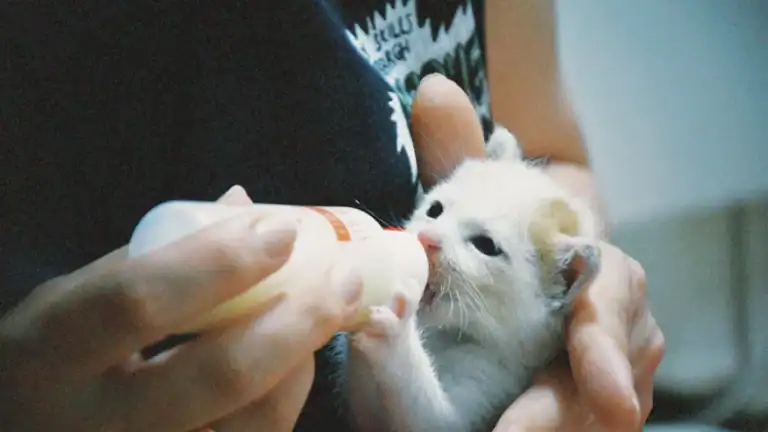

Choosing a kitten shapes daily life and future care. Size and appetite vary, with males often larger and needing more food, so plan bowls and space. Behavior differs, as males might be bolder and playful while females could prefer quiet bonding. Intact pets face marking, roaming, and reproductive illness risks that spaying or neutering reduces. Multi-cat homes need territory planning and extra hiding spots. Costs shift with size and health needs, and consistent routines build trust and calm. Learn more.
Size and Growth Expectations
Upon choosing a kitten, it helps to know how size usually develops so expectations match reality and care plans fit the growing cat. The writer explains that adult size often differs in sex, so families can envision future needs and feel prepared together.
Growth rate varies most in the initial year, with rapid weight gain and steady bone development shaping proportions. Early weight projection uses parent sizes, nutrition, and vet checks to estimate final mass.
Small differences matter for bedding, litter boxes, and play space, so caregivers plan accordingly. Regular weighing and gentle observations on frame and muscle inform adjustments.
This approach builds belonging, because shared care and clear steps help everyone feel confident and connected to the kitten.
Typical Behavioral Tendencies
Size gives a hint about care and space needs, and behavior shows how a kitten will fit into daily life.
A kitten’s temperament unfolds through play preferences and social cues, so a person can sense whether it will match their home.
Males often play loudly and seek interaction, making them feel like an enthusiastic companion.
Females might choose quieter play and appear more selective with attention, which can still build deep bonds.
Both sexes use body language for territory signaling, so learning those signals helps everyone feel safe.
Initial handling and gentle social time shape trust more than sex alone.
With patience and shared routines, a new kitten becomes a belonging member who fits the household rhythm.
Litterbox and Marking Risks
At the start people worry about choosing a male or female kitten, litterbox and marking risks often come up as a practical concern, because spraying and litter problems can affect daily life and relationships in the home.
Males that are not neutered tend to spray more, and females in heat could show restless behaviors that lead to odd litter habits, so grasping those tendencies helps set realistic expectations.
With gentle guidance and timely veterinary care, many marking and litterbox issues can be prevented or fixed, making life easier for both the cat and the person.
Spraying and Marking
Managing spraying and marking starts with comprehension why a cat chooses to leave scent signals around the home.
A cat might use territorial scenting to claim space or to communicate with other animals. Stress marking can appear whenever routines shift or whenever new people or pets arrive.
The writer notes that intact males often spray more, yet neutering usually reduces this.
Owners who seek belonging should know calm handling, stable routines, and safe places help.
Provide vertical spaces, predictable feeding, and gentle introductions to new companions.
Use enzymatic cleaners and block access to marked spots.
Should marking persists, consult a veterinarian to check for medical causes and for behavior support.
Gentle reassurance and patience build trust and reduce marking over time.
Litterbox Problems
Trouble with the litterbox can feel personal and upsetting for both cat and caregiver, but it is usually a message with clear reasons behind it. The kitten might show litter aversion or reveal a substrate preference that differs from the household norms. Caregivers who want belonging can respond with calm, patient problem solving. Look for medical causes initially, then test box location, number, cleanliness, and substrate. Gentle changes help the cat learn trust again.
| Problem | Likely cause | What to try |
|---|---|---|
| Avoiding box | substrate preference | Offer different litters |
| Near but not in box | box size or depth | Try larger, shallower box |
| Spraying | territorial stress | Neuter, reduce triggers |
| Random spots | medical issue | Vet check promptly |
Health Risks and Lifespan Differences
Often a pet owner feels a knot of worry while contemplating about a kitten growing into an adult cat, and that concern is understandable.
The piece explains health risks and lifespan differences with care and belonging in mind.
Hormonal aging affects behavior and disease risk, and genetic longevity plays a role in family lines.
Spayed and neutered cats usually live longer and face fewer reproductive illnesses.
Males face higher urinary blockage risk and fight injuries if left intact.
Females risk pyometra and mammary tumors when unspayed and might stress during heat cycles.
Indoor life, regular vet care, weight control, and timely spay or neuter all reduce risks.
Understanding these facts helps owners feel supported and make kinder choices.
Affection and Social Bonding Styles
Readers often notice patterns in how male and female kittens show affection, so it helps to describe common behaviors in simple terms.
Males often become outwardly cuddly after neutering and might seek more lap time and group play, while females can be more selective with their affection and could prefer one person or calm solo attention.
These tendencies shape how kittens bond with people and play with others, and comprehension of both helps match a kitten to a household’s pace and social needs.
Affectionate Behavior Patterns
Male and female kittens can show affection in different ways, and understanding those patterns helps a person build a stronger bond. Observing bonding cues like head bunting, kneading, and slow eye blinks reveals comfort levels.
Males often lower cuddle thresholds, seeking more lap time and outward play. Females might offer affection selectively, choosing quiet proximity and gentle grooming.
Both sexes respond to consistent touch and calm voices, so caretakers feel included whenever they learn each kitten’s rhythm. Early social play shapes trust and reduces fear.
In multi cat homes, reading signals prevents misunderstandings and links pets more closely. Gentle routines, patient handling, and small rewards encourage sharing of affection and deepen belonging for everyone.
Human Bonding Differences
Affectionate habits in play and grooming often lead naturally into how kittens bond with people, because the ways a kitten asks for attention shape the human response. Observers note differences in human bonding that feel meaningful to people seeking connection.
Some kittens show owner attachment by following a person and choosing a lap choice readily. Others offer affection on their own terms and build trust slowly. Those patterns shape cat preference for households that want constant cuddles or gentle companionship.
Early care and calm handling increase friendly owner attachment in both sexes. Once a kitten leans into play, it invites touch and long term bonding. Whenever it prefers quiet contact, it teaches patience and steadier closeness that can feel deeply rewarding.
Social Play and Interaction
Exploring playful interactions helps a kitten and a person build a clear, lasting bond. A playful approach invites trust and closeness.
Male kittens often show boisterous play and enjoy interactive toys that move fast. Female kittens might prefer gentler play and pause to observe, then join in.
Both types respond well to steady, caring attention and routine playtimes. In group settings, grasping group dynamics matters.
A confident kitten might lead games, while a shy kitten follows or hides. People can guide play to include everyone, rotating toys and rewarding calm sharing.
Gentle handling, patience, and praise help a kitten feel accepted. This creates a warm household where each cat and person feels seen, safe, and part of the family.
Impact on Multi‑Cat Households
In a home with more than one cat, sex can shape social rhythms and daily hassles in ways that are easy to miss at outset.
The group’s territorial hierarchy often forms quickly, with some cats taking favored perches and others avoiding conflict.
Resource distribution matters too, since food bowls, litter boxes, and resting spots must be placed to lower tension.
Neutered males tend to relax into shared spaces, offering play and companionship.
Females might guard prized spots and test boundaries, which can feel personal to people who love them.
Gentle introductions, extra hiding places, and predictable routines help everyone feel safe.
Over time, patience and small changes let bonds grow and worries fade.
Cost and Care Considerations
At the time considering long term costs and daily care, a prospective owner should look beyond the initial adoption fee to the steady expenses and small routines that shape life with a kitten.
A caregiver will weigh food budgeting against size and appetite, since males often eat more and need larger portions. Both sexes need quality food to stay healthy.
Grooming supplies add predictable costs, from brushes and nail clippers to shampoo and ear wipes.
Routine vet visits and flea prevention fit into monthly plans, and toys and bedding support bonding and comfort.
Time spent grooming and playing builds belonging and trust, and it also reveals health changes promptly.
Small choices now ease future care and keep the home calm and welcoming.
Effects of Spaying or Neutering
Once a kitten is spayed or neutered, the body and behavior begin to change in predictable ways that help most households feel calmer and safer. The procedure shifts hormone metabolism, which lowers roaming, fighting, and heat behaviors. Behavioral timing also alters, with many kittens becoming calmer within weeks and more sociable over months. This change helps families connect and settle into routines together, creating belonging.
| Benefit | Likely Result |
|---|---|
| Reduced roaming | Safer indoors |
| Less spraying | Cleaner home |
| Fewer fights | Lower vet bills |
| Fewer heats | Quieter nights |
| Longer life expectancy | More shared years |
People notice warmth return to daily life. The pet feels more present, and the home feels more peaceful.