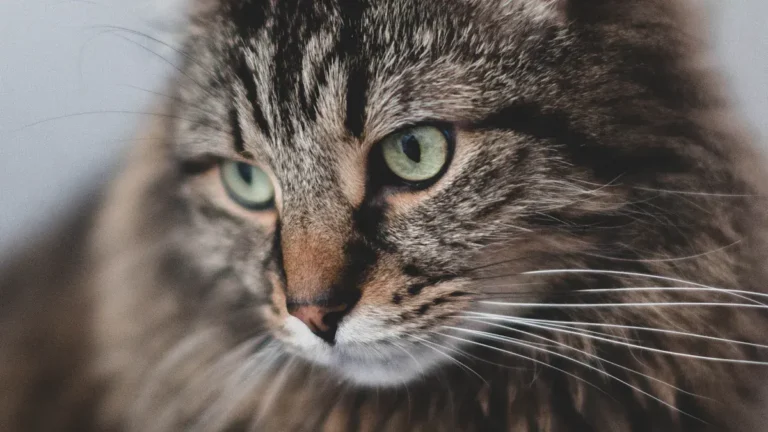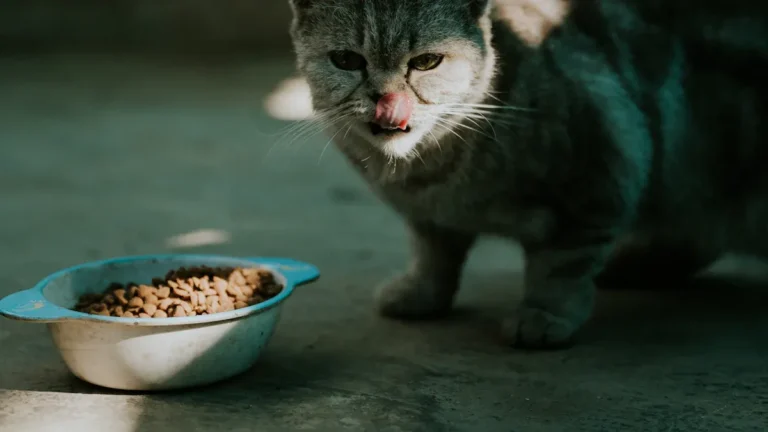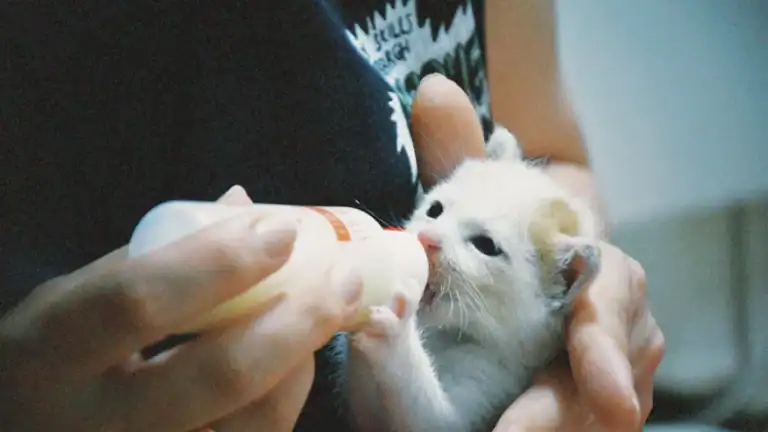

Cats bite noses for a handful of simple reasons: love-bites and grooming, playful hunting practice or kitten teething, attention-seeking or overstimulation, and rarely pain or dental trouble. These little nibbles can also be redirected frustration or stress from changes in routine. Watch your cat’s body language and daily habits to tell friendly nibbling from something needing action. Stay calm, redirect play, and see a vet if medical concerns seem possible.
Affectionate Love Bites and Grooming Behavior
Often gentle and almost playful, a cat’s nose nibble is a small love bite that shows care and trust.
The cat acts like family, repeating maternal grooming gestures it used with kittens. It softly nibbles and licks the face to clean and comfort. This behavior strengthens social bonding between cat and person.
The human feels included and accepted whenever the cat chooses intimate contact. Quiet moments with purring and slow eyes follow the nibble.
The cat seeks closeness and reassurance, showing affection without pushiness. Readers who want belonging will see this as an invitation to reciprocate gentle petting.
Notice the calm body language that accompanies grooming, and enjoy the warm connection it creates.
Overstimulation: When Petting Becomes Too Much
Whenever petting shifts from pleasant to too much, cats give clear signals that the touch threshold has been reached.
Watch for tail flicks, ears turning back, tense muscles, or a sudden stop in purring because these body language cues often come just before a nudge or a bite.
Learn gentle ways to pause, such as stopping movement, offering a hand retreat, or switching to a toy, so the cat feels respected and the moment stays calm.
Signs Petting Threshold
Noticing small changes in a cat’s body language helps a person stop petting before it turns into a bite. A cat’s touch thresholds vary, and a person can learn pet tolerance over time by watching subtle shifts. To begin, breathing and purring might change.
Then muscles grow tense or the tail begins to twitch. Next, ears turn, and a brief nip can follow should petting continue.
A person who belongs with the cat will read these signs gently and respond with calm redirection. Move hands away slowly, offer a soft pause, or switch to a toy. Try shorter sessions and touch in preferred spots. Over time, trust deepens, and both feel safer during shared moments of affection.
Body Language Cues
In a calm room, a cat’s face and tail tell a quiet story about how much touch it can take. The body language cues help a person feel connected and respected. Watch small shifts so the interaction stays warm and safe.
- Ears position: forward shows comfort, sideways or flattened warns that petting is reaching a limit.
- Tail signals: slow swishes signal mild irritation, thumping or lashing means stop before a bite.
- Muscle tone and skin twitch: relaxed muscles invite more strokes, sudden tenseness precedes a nip.
- Vocal cues and purring changes: steady purrs pair with gentle nibbles, sudden growls or silent withdrawal mean enough.
These signs form a friendly language. Noticing them builds trust and keeps affection happy for both.
How to Pause Gently
At the initial gentle sign of tension, a person can pause petting so the cat stays calm and the moment stays warm.
The caregiver notices tail twitch or a quick ear turn and uses a slow withdrawal of the hand. This gives the cat space without abruptness.
Then offer a calm redirect like a favorite toy or soft word to keep connection. The person stays nearby and softens posture, which reassures the cat and reduces the chance of a nip.
Provided the cat leans in later, resume touch carefully and watch for new cues. Over time the cat learns limits and the human learns timing. This creates trust, shared rhythm, and a cozy bond that respects both comfort and affection.
Playful Hunting Instincts and Nose Targeting
Many kittens and some adult cats turn a human nose into a tiny, moving target because their playful hunting instincts make anything that wiggles look like prey. They practice instincts through toy stalking and pounce practice, treating a twitching nose like a safe prey stand in play. This behavior feels familiar and inclusive, as though the cat invites you into its world.
- They rehearse stalking skills during light moments and might nip to finish the imaginary catch.
- Mouthy play helps them learn bite inhibition while seeking a friendly partner.
- Gentle nibbles can be linked to teething and energetic bursts.
- Redirecting to toys, wand games, and soft targets builds trust and keeps noses peaceful.
Attention-Seeking: Waking You Up or Getting a Reaction
Cats often bite a sleeping nose to get attention because they are most active at dawn and dusk and expect meals or play then.
This gentle but insistent nudge usually aims to wake the person quickly, and even a soft bite will prompt a predictable reaction like rubbing or talking back.
Comprehending this wake up cue helps owners adjust feeding schedules and responses so the behavior is less likely to repeat.
Dawn/Dusk Feeding Cue
Often in the quiet hours around dawn or dusk, a cat will gently bite a person’s nose to get attention or demand food. The behavior ties to crepuscular rhythms and household routines. Light cues and subtle changes in brightness signal feeding time to the cat. Prompt feeding expectations form quickly, and the cat learns that a nose nudge or bite prompts a response.
- The cat senses dawn or dusk through light cues and becomes alert.
- It links that alertness to prompt feeding habits learned from people.
- Gentle nose bites wake a person without loud noise and often work.
- Owners who respond consistently reinforce the timing and the bite.
This pattern feels familiar and communal, so gentle changes in routine help.
Wake-Up Reaction Prompt
Why does a cat choose a nose as its alarm clock? A cat might bite a nose to wake a person gently or provoke a reaction. This behavior links to sleep disruption and to a kitten like startle response that gains attention. The cat expects warmth, voice, and immediate care. The person feels noticed and useful. The cat learns that a soft nip yields feeding, petting, or play.
| Time | Typical Trigger | Owner Feeling |
|---|---|---|
| Dawn | Crepuscular urge | Needed |
| Night | Restlessness | Startled |
| Nap | Light sleep phase | Cared for |
| Hunger | Feeding cue | Responsible |
| Boredom | Play demand | Included |
This scene builds belonging as both adjust routines and respond with calm consistency.
Territorial Marking and Scent-Related Nips
Whenever a cat rubs its cheeks and then gives a gentle nip to a human nose, it is often marking territory in a quiet, intimate way.
The cat uses cheek rubbing and scent marking to claim a person as family.
This action feels personal and reassuring to both cat and human.
The behavior blends trust with a clear message of belonging.
- The cat presses cheek glands to transfer scent.
- A soft nip reinforces the claim without harm.
- The sequence says you are part of the cat’s group.
- Repeated touches build a shared scent and calm routine.
These moments create closeness.
They link smell, touch, and simple social signals.
The human can respond with gentle praise and steady presence to strengthen the bond.
Teething or Mouth Exploration in Kittens
Chewing and mouthing are common parts of a kitten’s initial life, and they often lead to gentle nips on a human nose as the young cat investigates the world.
A kitten teething phase brings sore gums and a strong urge to chew. Oral exploration helps the kitten learn textures and limits while easing discomfort.
Caregivers can offer soft toys, chilled teething rings, and gentle play to redirect mouthing away from faces. Whenever a kitten gives a light nip, respond with calm firmness and swap in an approved toy so the behavior learns a safer target.
This approach supports belonging by showing the kitten clear, loving boundaries. Over time the mouthing fades and the bond grows with trust and shared routines.
Stress, Anxiety, or Environmental Triggers
Noticing a sudden nose bite can signal stress or anxiety in a cat rather than playfulness, and grasping those signals helps both cat and person feel safer.
A cat might mouth a nose whenever startled, inundated with visitors, or upset whenever changes at home. The person who cares wants to help and belong with the cat, so small steps ease worry. Try gentle adjustments that build trust and calm.
- Observe body language like hiding, overgrooming, or stiff posture to spot stress.
- Reduce sudden changes and offer predictable routines to restore security.
- Increase environmental variety with toys, perches, and hiding spots to lessen boredom.
- Provide quiet spaces and slow, reassuring interactions to rebuild closeness.
Redirected Aggression From Frustration or Arousal
After noticing signs of stress, a reader can spot another common cause of nose nips called redirected aggression from frustration or arousal. A cat might face a blocked desire like seeing birds outside or meeting another animal. That unmet urge creates frustration spillover and the cat discharges energy on the nearest safe target, sometimes a human nose. This arousal redirection looks sudden and confusing. The writer reassures the reader that this is not personal.
One can notice pacing, tail flicks, or fixed staring before the nip. To help, provide play sessions to burn energy, use interactive toys, and create quiet spaces. Offer consistent routines and gentle redirection if arousal builds. These steps strengthen trust and belonging between cat and person.
Medical Causes: Pain, Dental Issues, or Neurological Problems
Feeling sudden nips to the nose can be upsetting, and sometimes the reason is a medical issue rather than play or attention seeking. A cat in chronic pain might redirect discomfort into mouthing the face. Dental issues hurt the mouth and make a cat react unpredictably. Neurological disorder signs can change bite patterns and timing, making behavior seem random. Owners want to belong and help, so watch for other clues and seek veterinary care.
- Check for sore mouth, bad breath, drooling, or pawing at face.
- Observe changes in appetite, mood, or sleep that suggest chronic pain.
- Observe odd movements, head tilt, or loss of coordination tied to neurological disorder.
- Keep calm, record episodes, and contact a vet promptly.