
Choosing a name for a race horse is more than just a fun task; it’s a significant part of a horse’s identity. Each name tells a story, reflecting the horse’s lineage, personality, or even a special connection to its owner. Did you know that in major racing jurisdictions like the United States, Australia, and Great Britain, thousands of foals are born every year? Here’s a quick look at the numbers:
Jurisdiction | Foals Born Annually |
|---|---|
Australia | 12,898 |
United States | 19,225 |
Great Britain | 4,748 |
With so many new race horses entering the scene, the process of naming them becomes all the more crucial!
Key Takeaways
Naming a race horse is a creative process that reflects its lineage, personality, and the owner’s connections.
Owners should consider various sources for inspiration, including pedigree, pop culture, and personal experiences.
Racing authorities have strict guidelines for names, ensuring they are unique, appropriate, and not exceeding 18 characters.
Collaboration between owners and trainers can lead to meaningful names that resonate with fans and reflect the horse’s identity.
Each name tells a story, contributing to the rich culture and legacy of horse racing.
The Naming Process for Race Horses
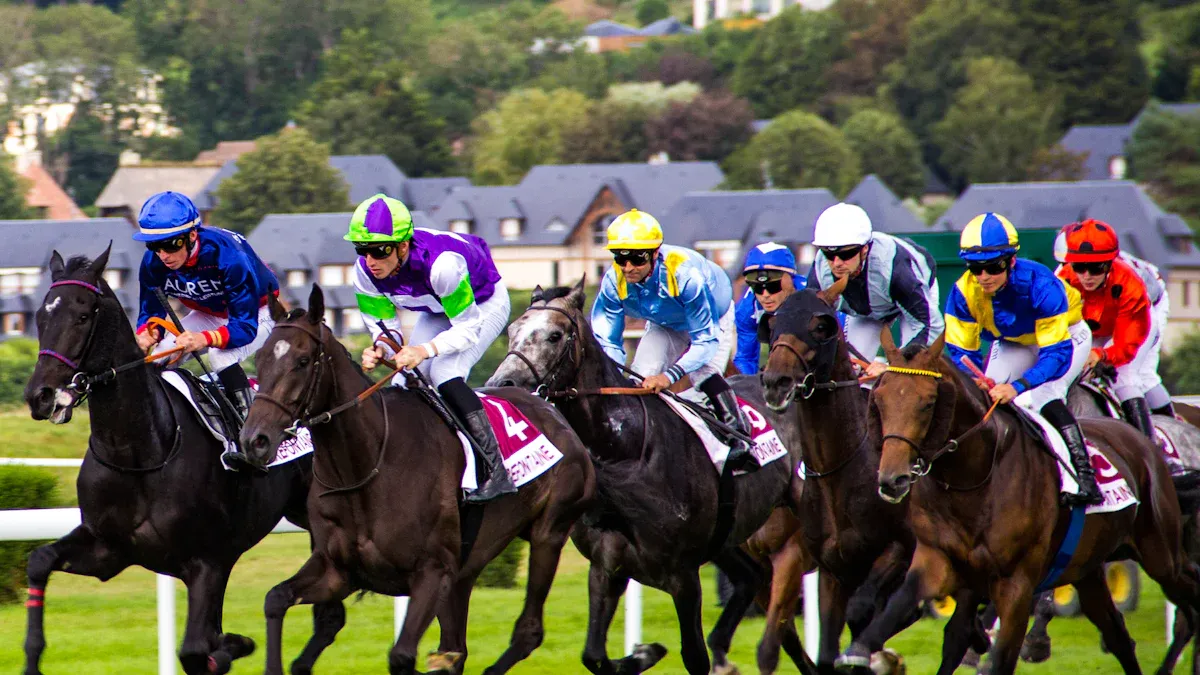
Naming a race horse is an exciting journey that starts with brainstorming ideas. You might wonder where these initial suggestions come from. Well, many owners draw inspiration from various sources. Here are some common ones:
Pedigree: The horse’s lineage often plays a big role in name selection.
Personal connections: Owners might choose names that hold special meaning to them.
Pop culture references: Names from movies, songs, or books can spark creativity.
Appearance: A horse’s physical traits can inspire unique names.
Favorite locations or pastimes: Places or activities that are dear to the owner can also influence the name.
When you think about it, the naming of racehorses is a blend of creativity and personal significance. Owners often brainstorm by looking at famous racehorses for inspiration or considering the horse’s parents and lineage. They might even reflect on personal memories that could lead to a fitting name.
To generate ideas, owners can:
Reflect on the horse’s personality and physical traits.
Use name generators to spark creativity.
List potential names and narrow them down to the best options.
Once the initial suggestions are made, the next step is the final approval process. This is where things can get a bit tricky. Racing authorities have specific criteria for approving names. Here’s a quick look at some of the main criteria:
Criteria | Description |
|---|---|
Permission for names | Names after individuals alive or deceased within the last fifty years require family permission. |
Vulgarity | Names cannot be vulgar, obscene, or insulting; many names have been rejected for this reason. |
Political references | Names cannot reference political figures or issues. |
Syllable limit | Names cannot exceed seven syllables to ensure ease of commentary during races. |
Uniqueness | No two horses can have the same name, requiring creativity in naming. |
Famous individuals | Horses cannot be named after famous people, leading to renaming in some cases. |
After submitting the name, owners typically wait for approval. The timeline for name registration can vary, but it usually takes a few weeks. During this time, the racing authority reviews the name against their guidelines. If everything checks out, the name gets approved, and the horse officially enters the racing world with its unique identity!
Naming a thoroughbred is not just about picking something catchy; it’s about creating a legacy. So, whether you’re an owner or just a fan of racing, understanding this process adds depth to the sport.
Influences on Race Horse Names

When it comes to naming race horses, several influences come into play. You might be surprised to learn how much a horse’s lineage, cultural references, and personal connections shape its name. Let’s dive into these influences!
Lineage and Heritage
One of the most significant factors in naming a race horse is its lineage. Many owners choose names that reflect the horse’s ancestry. It’s common to see names that combine elements from both the sire and dam. For example, you might find a horse named after its parents, like “Heritage Lane,” which connects to its family history. Here are some notable examples of race horse names that reflect lineage:
Race Horse Name | Description |
|---|---|
Iron Dynasty | Reflects strength and the continuation of a powerful legacy. |
Heritage Lane | Reflects a connection to lineage and the paths forged by ancestors. |
Owners often have fun with this process. They can mix and match parts of the sire’s and dam’s names to create something unique. This practice isn’t just a tradition; it’s a way to honor the horse’s heritage while adding a personal touch.
Cultural References
Cultural references also play a big role in race horse naming. You might notice names inspired by popular culture or historical events. For instance, names like “American Pharoah” and “Seabiscuit” resonate with fans because they evoke stories that many people know and love. Here are some examples of race horse names inspired by popular culture:
American Pharoah
Secretariat
Zenyatta
Man o’ War
Black Caviar
These names not only capture attention but also create a connection with the audience. They remind fans of memorable moments in history or pop culture, making the races even more exciting.
Personal Connections
Finally, personal connections often influence race horse names. Owners might name their horses after loved ones, favorite athletes, or even personal experiences. For example, “Bodemeister” honors Bode Baffert, named after the famous skier Bode Miller. Other names like “Gronkowski” pay tribute to NFL star Rob Gronkowski. Here are a few more examples:
Dimaggio: Named after baseball legend Joe DiMaggio.
Tiger Woods: A Thoroughbred named after the famous golfer.
Bolt d’Oro: Honors Olympic champion sprinter Usain Bolt.
These names carry stories and emotions, making them special to the owners and fans alike. They add a layer of meaning to the horse’s identity, connecting the animal to the owner’s life and experiences.
Owners and Trainers
When it comes to naming race horses, owners and trainers play a crucial role. Their preferences and insights can significantly shape the final choice of a name. Let’s explore how this collaboration unfolds!
Owner Preferences
As an owner, you might have specific ideas about what you want your horse’s name to convey. Many owners choose names based on the horse’s temperament, strength, or discipline. Here are some common themes you might consider:
Nature: Names like “Blaze” for a fast horse or “Rocky” for a calm one reflect the horse’s characteristics.
History: You might draw inspiration from historical figures or events that resonate with you.
Pop Culture: Names from movies, songs, or books can add a fun twist to your horse’s identity.
Unique Languages: Some owners opt for names in different languages, adding a touch of uniqueness.
This personal connection to the name makes it even more special. You want a name that not only sounds good but also tells a story about your thoroughbred.
Trainer Insights
Trainers also bring valuable insights into the naming process. They often have a deep understanding of the horse’s personality and abilities. Their experience can guide you in choosing a name that fits the horse’s racing style. For example, a trainer might suggest a name that reflects the horse’s speed or agility, helping to create a strong identity on the track.
The naming process is often a collaborative effort. You and your trainer might brainstorm together, bouncing ideas off each other. This teamwork can lead to some creative and fitting names. After all, you both share a common goal: to give the horse a name that stands out and resonates with fans.
In the end, the name you choose becomes part of the horse’s legacy. It’s a blend of your preferences and the trainer’s insights, creating a unique identity that will be remembered in the racing world.
Regulations for Naming Race Horses
When it comes to naming race horses, there are specific regulations you need to follow. These naming rules ensure that each horse has a unique identity and that names are appropriate for the racing community. Here’s a closer look at the guidelines you should keep in mind.
Naming Guidelines
First off, you must provide six name choices in order of preference when registering your horse. This is a requirement set by major racing authorities like The Jockey Club. They will evaluate your suggestions and determine which name is acceptable. Here are some key points to remember:
A horse must have a unique name for life. This helps distinguish each horse in races and is necessary for breeding purposes.
The name cannot exceed 18 characters, including spaces and punctuation.
In the UK, names must not exceed seven syllables.
You cannot use names that are offensive to religious, political, or ethnic groups. Names that contain vulgarity or are used for advertising are also prohibited.
Here’s a quick reference table summarizing these guidelines:
Character Limit | Prohibited Words/Conditions |
|---|---|
18 characters (including spaces and punctuation) | Names cannot be offensive to religious, political, or ethnic groups; cannot be used for advertising; cannot contain vulgarity; similar sounding names are banned; no two horses can have the same name. |
7 syllables (UK specific) | Names must not be in poor taste or contain trademarked terms. |
Unique and Appropriate Names
Uniqueness is crucial in the naming process. You want your horse to stand out, and racing authorities ensure that no two horses share the same name. When you submit your name choices, the Jockey Club evaluates them against existing names. If your name sounds too similar to another, it may be rejected.
Here’s how the process works:
Step | Description |
|---|---|
1 | Owners submit up to six name options to the Jockey Club. |
2 | The Jockey Club evaluates submissions against existing names and criteria. |
3 | Names cannot be reused until five years after the previous horse has left racing and breeding. |
4 | Names that sound too similar to existing names are also disallowed. |
If you submit a name that is deemed inappropriate or offensive, the Jockey Club will reject it. This ensures that the names used in racing maintain a level of respect and appropriateness.
Naming a race horse is a blend of creativity, tradition, and personal significance. You learned that names must not exceed 18 letters and cannot be identical to existing ones. Owners often draw inspiration from lineage, culture, and personal connections. This process not only shapes a horse’s identity but also reflects the rich culture of racing. Remember, each name tells a story, contributing to the sport’s legacy. So, whether you’re an owner or a fan, appreciate the thought behind every name you hear at the races!
FAQ
How do owners choose a horse’s name?
Owners often draw inspiration from the horse’s lineage, personality, or personal connections. They might also consider pop culture references or unique traits to create a memorable name.
Are there any restrictions on horse names?
Yes, names must be unique, not exceed 18 characters, and cannot be offensive or similar to existing names. Owners must also avoid names of living individuals without permission.
Can a horse’s name change after registration?
Once registered, a horse’s name typically remains the same for life. However, if a name is deemed inappropriate, the racing authority may require a change.
What is the significance of the Kentucky Derby in naming?
The Kentucky Derby is a prestigious race, and many owners choose names that evoke its history or significance. A horse’s name can reflect its aspirations to compete in such iconic events.
How long does it take to approve a horse’s name?
The approval process usually takes a few weeks. Racing authorities review submitted names against their guidelines to ensure compliance before granting approval.