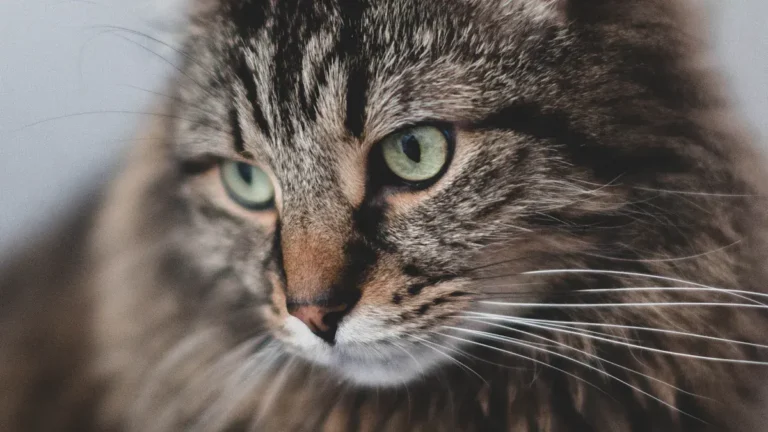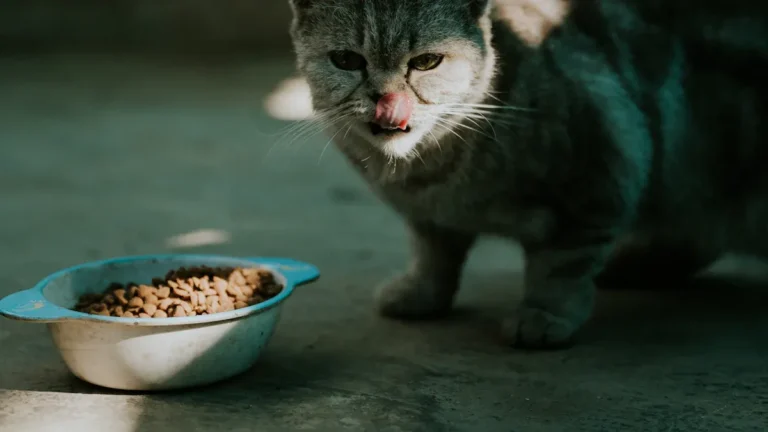

A cat that licks food but won’t eat is often reacting to strong smells, texture issues, or mouth pain. Sampling gravy or pâté can happen because the aroma is tempting while chewing hurts. Offer warm, smooth wet food on a shallow plate and try small fresh portions several times daily. Track vomiting, water intake, and litterbox changes, and seek veterinary care if refusal lasts more than 48 hours or vomiting occurs.
Picking the Right Cat Food for Picky Eaters
Choose foods that invite curiosity and comfort whenever a cat becomes picky about meals. The caregiver learns to offer limited ingredients and novel proteins to reduce overwhelm and spark interest. They try rotating proteins gently so the cat meets new flavors without stress, and they watch reactions each time.
Texture training follows, moving from smooth pâtés or slurries toward firmer forms provided the cat accepts them. Warmth and small fresh portions help, and combining wet and moistened dry food keeps nutrition steady while exploring preferences.
Testing pâté, shredded, and jelly formats reveals what the cat will lap rather than leave. Throughout, the caregiver remains patient, checks for dental pain with a vet, and keeps mealtime calm and welcoming.
Common Medical Causes for Licking but Not Eating
Whenever a cat licks food but will not eat, common medical causes should be considered right away, because this behavior can signal problems with the nose, gut, or mouth.
Upper respiratory infections can make food smell bland so a cat will lap strong gravies but refuse solids, while gastrointestinal upset or systemic illness often causes nausea and lip licking without swallowing.
Dental or oral pain makes chewing painful, so a cat might taste or lick food but avoid biting into it, and owners should seek veterinary attention provided the change is sudden or comes with other worrying signs.
Upper Respiratory Infection
Noticing a cat licking food but not eating can feel worrying and confusing, especially unless the pet usually plunges right in.
Upper respiratory infection often blunts smell and taste, so a cat might lap strong-smelling gravy but avoid solid chunks. Viral causes like feline herpesvirus and calicivirus spread during viral shedding and could lead to sneezing, nasal congestion, and runny eyes or nose. These signs make warmed or pâté textures easier to accept.
Secondary bacterial infections can follow and need veterinary antibiotics.
Owners can try nasal treatment suggested by a vet, warm canned food, and blended wet options to enhance intake and hydration. In case a cat refuses food for 24 to 48 hours or shows breathing trouble, seek prompt care to prevent serious complications.
Gastrointestinal Upset
For a cat that licks food but will not eat, an upset stomach is a common and significant reason to take into account. Gut motility changes, altered gastric secretion, and nausea from gastritis, pancreatitis, or medications can make a cat sample wet food but refuse solids. Chronic conditions like kidney or liver disease and inflammatory bowel problems also dull appetite and lead to selective lapping. Obstruction may cause intermittent interest yet persistent refusal with vomiting or abdominal pain, so prompt checks matter.
| Clue | What it could mean |
|---|---|
| Licks gravy only | Nausea or altered gastric secretion |
| Vomiting | Obstruction or severe inflammation |
| Lethargy | Systemic illness affecting gut motility |
| Reduced stooling | Possible blockage |
| Quick change | Veterinary evaluation recommended within 24–48 hours |
Dental or Oral Pain
Imagine a cat circling its bowl, licking only the gravy or jelly while leaving the solids behind. Dental or oral pain often causes this behavior. Many cats with periodontal disease, fractured teeth, stomatitis, or tooth resorption will taste but refuse to chew.
Caregivers notice bad breath, drooling, pawing at the mouth, bleeding gums, and visible tartar. These signs point toward poor oral hygiene and concealed problems.
A vet typically recommends a dental exam under anesthesia and full-mouth radiographs to find root disease or abscesses. Treatments include extractions, professional cleaning, antibiotics, and pain control.
Soft pâté or moistened food helps during recovery. Because mouth pain can reduce eating and drinking, seek veterinary care within 48 to 72 hours.
Whisker Fatigue and Bowl Choices That Affect Eating
Many cats suddenly start licking gravy or wet food without actually eating the chunks, and often whisker fatigue is the quiet reason behind that change.
Whisker fatigue happens because those long sensitive hairs connect to nerves and the brain, so whenever whiskers brush against narrow bowl sides the cat can feel overstimulated and stop eating solids.
Bowl selection matters a lot. Choose wide shallow dishes or flat plates made of smooth non reflective materials, and remove rimmed mats.
Cats might circle, paw at food, or call out while eating whenever bothered.
Offering food on a plate reduces whisker contact and often brings back normal eating.
Should changes not help, a vet visit can rule out dental pain, nausea, or other health issues that could be hiding.
Texture, Temperature, and Smell: Sensory Reasons Cats Refuse Solids
Cats often refuse solids because texture, temperature, and smell work together to shape their appetite.
Many prefer smooth pâté or finely shredded meat that is easy to lap, and warming refrigerated wet food to near body temperature releases stronger aromas that appeal to their keen noses.
Because smell drives eating, combining preferred textures with gentle warmth and moistness can make solids more inviting without causing whisker stress or oral discomfort.
Texture Preferences Matter
When a cat licks around its food without eating much, sensory details often explain the behavior in a straightforward way. Cats show texture sensitivity and might prefer smooth pâtés or gravy to firm chunks. Gentle tactile enhancement can help a cat accept different consistencies through making eating feel safer and kinder.
- Soft mousse or pâté is easier to lap and swallow for many cats
- Deep narrow bowls can cause whisker fatigue so cats avoid scooping solids
- Oral pain makes chewing chunks uncomfortable so cats lick moist parts
- Mixing or mashing chunks into a smoother texture eases shifts
- Moistening kibble or blending in pâté offers gradual tactile enhancement
These steps build trust and connection while tackling the cat’s real sensory needs.
Warmth Enhances Aroma
After noticing that texture matters, it helps to look at temperature because warmth brings out smell and softens food in ways that matter to a cat.
Warming benefits include releasing more volatile aroma compounds, so slightly warm food smells stronger and feels more inviting. Many owners find that taking canned food from the fridge and letting it sit 15 to 30 minutes improves acceptance.
Heat also makes gravy or jelly more fluid and breaks down fats, so cats might lick sauce and avoid firmer meat chunks.
Care is needed when warming; stir well and test on your wrist to avoid hot spots. Should a cat still refuse, try warming as one friendly step while watching for dental pain, nausea, or loss of smell and seek veterinary advice.
Smell Drives Appetite
How does smell steer a cat’s willingness to eat, even though food looks fine? Scent sensitivity guides appetite.
Whenever a nose is blocked, cats might lick fragrant gravy but refuse chunky meat. Odor enhancement helps through amplifying aroma and making food inviting.
Texture and whisker touch change how scent reaches the nose, so serving on shallow dishes improves acceptance.
- Smooth pâté or jelly spreads aroma and feels easier to lap
- Coarse chunks can hide scent and feel awkward against whiskers
- Lukewarm food releases more volatile aroma compounds and often entices eating
- Gravy and jelly add moisture, increasing scent release and mouthfeel
- Shallow bowls prevent whisker discomfort and support odor enhancement
This language welcomes caregivers seeking connection and practical help.
Wet Food Vs Dry Food: Hydration, Nutrition, and Practical Tips
For a cat that licks but will not eat, choosing between wet and dry food can change how comfortable mealtimes feel and how well the cat stays hydrated. Wet food offers a clear moisture balance benefit because it contains 70 to 80 percent water. This helps cats who drink little and eases eating for older cats or those with dental pain.
Dry food has higher calorie density and might include more starches, so portion control matters to prevent weight gain. Combining wet and dry can support hydration while keeping some kibble convenience.
Practical tips include warming wet food, offering pate or gravy textures, and moistening kibble slowly. A steady feeding schedule and measured portions help owners feel competent and connected to their cat.
How to Encourage Your Cat to Eat (Safe Home Strategies)
Gently tempting a cat that licks but will not eat begins with small, practical changes that feel doable at home and show care. Simple tweaks help the cat feel safe and welcomed while addressing appetite.
Try warming canned food to body temperature for 10 to 20 seconds to enhance aroma and invite eating. Offer pâté or pureed wet food and mash meat into smooth textures so licking becomes eating.
Keep a consistent feeding schedule and provide small portions several times a day, removing uneaten food after 20 to 30 minutes to keep dishes fresh.
- Use shallow, wide dishes or flat plates to ease whisker strain
- Add gentle environment enrichments like quiet feeding spots
- Rotate favorite flavors for novelty
- Hand offer small bites for comfort
- Monitor intake and mood closely
When to Contact a Veterinarian or Use Telemedicine
A calm and observant caregiver should act quickly once a cat that normally eats begins to lick food without actually eating, because prompt action can prevent serious complications and ease both the pet and owner.
A caregiver should take note how long the cat has avoided solid food and keep a clear feeding timeline, water intake, vomiting, litterbox changes, and behavior details.
In the event an adult stops eating for 48 to 72 hours or a kitten for 24 to 48 hours, contact the veterinarian.
Should vomiting, diarrhea, breathing trouble, lethargy, or jaundice appear, seek immediate care.
Whenever in-person access is limited, use telemedicine triage for quick assessment, interim feeding and hydration advice, and guidance on urgent diagnostics.
Share photos and video to help the clinician decide next steps.
Handling Leftover Canned Food and Safe Feeding Practices
Provided leftover canned food sits out or is offered again after a cat only licks it, careful handling can protect the pet and soothe the caregiver. The person caring for the cat can follow clear steps to keep food safe and feel confident.
Portion rotation and container labeling help households know what to use initially and what to discard. Store opened wet food in airtight containers and refrigerate, using within 3 to 4 days. Whenever adding water or broth, make only what will be eaten and chill leftovers promptly.
- Remove uneaten wet food after 20 to 30 minutes to discourage bacteria
- Discard food left at room temperature over 1 to 2 hours in warm conditions
- Check for foul smell or mold before offering
- Stir or warm refrigerated food to restore aroma
- Use shallow, clean bowls and label portions for easy rotation