
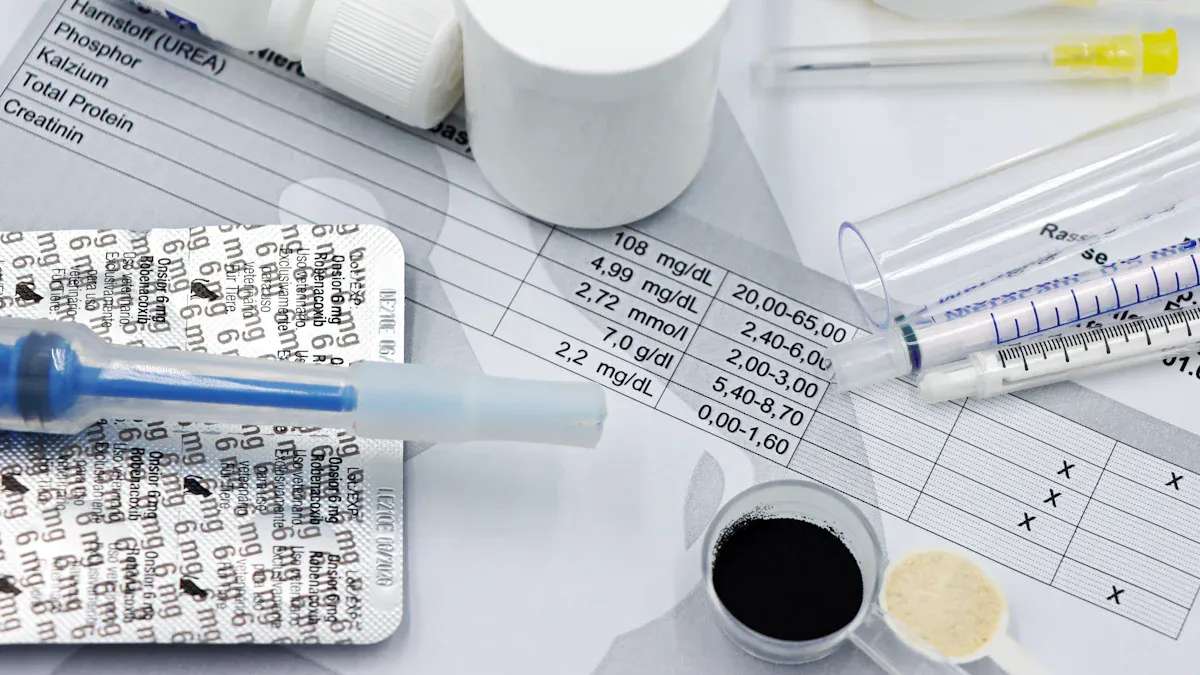
Regular health monitoring is vital for your cat’s well-being, and it’s important to understand why cats get blood work. Blood work plays a crucial role in detecting health issues early. In fact, studies show that 21% of seemingly healthy cats are diagnosed with health problems during routine blood tests. These tests can reveal conditions like chronic kidney disease or hyperthyroidism before they become serious.
Veterinarians generally recommend that you schedule blood tests annually for healthy cats, as this is when cats get blood work to assess their overall health. Older cats and those with health issues may need testing more often. Following these guidelines helps ensure your cat lives a long and healthy life.
Key Takeaways
Schedule annual blood work for healthy adult cats to catch health issues early.
Senior cats need blood tests every six months to monitor age-related conditions.
Young cats should have blood work done annually to establish health baselines.
Look for signs like changes in appetite or behavior to determine if your cat needs additional blood tests.
Consider cat health insurance and budgeting for regular blood work to manage costs effectively.
Frequency of Blood Work
Young Cats and Blood Work
When you have a young cat, typically under one year old, veterinarians recommend annual blood work. This testing helps you track your cat’s health and establish baseline values. Early detection of potential health issues is crucial. Common conditions identified through blood tests in young cats include:
Feline Leukemia Virus (FELV) & Feline Immunodeficiency Virus (FIV): These life-threatening viruses are routinely tested for in kittens.
Thyroxine (T4): Monitoring for hyperthyroidism can prevent various health complications.
Electrolytes: Checking these levels indicates hydration and organ function, particularly in the kidneys.
Routine blood testing for young cats sets the stage for a healthy life. It allows you to catch any issues early, ensuring your feline friend stays happy and active.
Adult Cats’ Blood Tests
For adult cats, aged one to seven years, annual wellness examinations are essential. During these visits, your veterinarian will perform routine blood work to check for underlying health issues. Regular blood tests help you stay informed about your cat’s health status. Common abnormalities found in blood work for adult cats include:
Feline Leukemia Virus (FeLV): Regular testing is crucial due to its fatal nature.
Feline Immunodeficiency Virus (FIV): Important to monitor as it is untreatable once contracted.
Thyroxine (T4): High levels can indicate hyperthyroidism, which may lead to increased appetite and vomiting.
Electrolytes: Imbalances can lead to serious symptoms, including heart arrhythmias and muscle weakness.
By keeping up with routine bloodwork, you can ensure your adult cat remains in good health and address any concerns promptly.
Senior Cat Blood Work
As your cat ages, especially after seven years, the need for more frequent blood work increases. Senior cats should have blood tests done every six months. This frequency is vital for detecting health issues early, as older cats often hide their illnesses well. Common health conditions identified through routine blood work in senior cats include:
Kidney disease: Frequently detected, especially in older cats.
Hyperthyroidism: A prevalent condition that can be identified through blood tests.
Urinary tract infections: Often diagnosed through lab work.
Regular blood tests for senior cats help manage age-related conditions proactively. Biannual vet visits for senior cats are equivalent to a human seeing their doctor every three to four years. This proactive approach ensures that your beloved companion receives the care they need as they age.
Types of Cat Blood Work

Routine Blood Tests
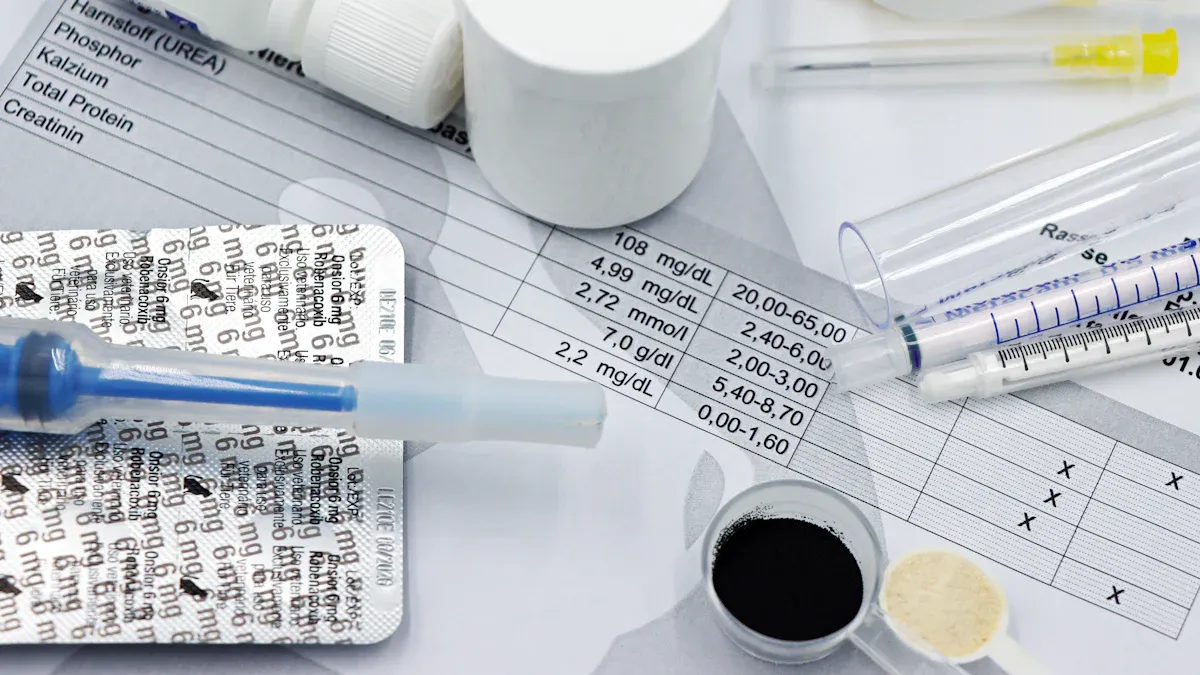
Routine blood tests are essential for monitoring your cat’s health. These tests help detect underlying issues before they become serious. Here are the main types of routine blood tests performed on cats and what they measure:
Test Type | What It Measures |
|---|---|
Complete Blood Count (CBC) | Measures red blood cells, white blood cells, and platelets; assesses oxygen transport and immune response. |
Blood Chemistry Profile | Evaluates kidney function, liver health, electrolyte levels, and blood protein levels. |
Thyroid Hormone Measurements | Determines levels of thyroid hormones to check for hyperthyroidism. |
Feline AIDS and Feline Leukemia | Tests for the presence of feline leukemia virus and feline immunodeficiency virus. |
Urine Test | Detects urinary tract infections, kidney disease, diabetes, and other serious conditions. |
Routine blood testing provides several benefits. It allows for early disease detection, which is crucial since many illnesses begin with subtle internal changes. For example, routine blood tests can reveal kidney disease before symptoms like excessive thirst or weight loss develop. They can also detect liver abnormalities that might not cause immediate signs but could lead to serious complications. Early detection of diabetes allows for dietary and lifestyle modifications.
Additionally, catching a condition early often means less aggressive and more affordable treatment options. For instance, early-stage kidney disease can often be managed with dietary changes alone. Regular bloodwork helps establish your cat’s “normal” values, making it easier to detect even small changes over time. Normal bloodwork results can give you peace of mind, knowing your pet is thriving.
Specialized Feline Bloodwork
Specialized feline bloodwork is necessary for diagnosing chronic conditions such as kidney disease or diabetes. These tests provide deeper insights into your cat’s health. Here are some specialized tests commonly used:
Test Name | Purpose |
|---|---|
Serum Creatinine | Indicates kidney function; increasing levels may suggest early kidney dysfunction. |
Blood Urea Nitrogen (BUN) | Assesses kidney function; elevated levels can indicate kidney or liver disease. |
Microalbuminuria | Detects protein in urine, which can indicate kidney damage. |
Cats with ongoing health issues may need blood tests more frequently. Depending on the severity of the condition, testing could occur monthly, weekly, or even daily. Regular blood work is crucial for early detection of health problems, as pets cannot communicate their discomfort.
For senior cats, specialized blood tests during wellness exams help identify treatable issues. These tests can significantly improve your cat’s quality of life by allowing for timely interventions.
Situations for Additional Blood Tests
Signs of Illness
You should be aware of certain signs that indicate when your cat needs blood work. Detecting early signs of diseases can lead to prompt intervention and better treatment outcomes. Here are some common symptoms that may prompt your veterinarian to order additional blood tests:
Abnormal behavior: Changes in your cat’s usual habits can signal underlying health issues.
Symptoms related to organ function: Look for signs affecting kidney and liver health, such as increased thirst or changes in appetite.
If you notice any of these signs, consult your veterinarian. They may recommend blood tests to identify potential health problems early. Early detection can significantly improve your cat’s quality of life.
Pre-Surgical Blood Tests
Before any surgical procedure, your veterinarian will likely recommend specific blood tests. These tests are crucial for ensuring your cat’s safety during surgery. Common pre-surgical blood tests include:
Complete Blood Count (CBC): This test analyzes blood components, including red blood cells, white blood cells, and platelets. It helps identify any deficiencies or abnormalities that may affect surgery.
Serum Biochemistry Profile: This test assesses organ function and checks for metabolic diseases. It provides insights into the health of the liver, kidneys, and pancreas.
Pre-anesthetic blood work evaluates organ function, which is vital for anesthesia processing. It helps identify hidden health conditions that may compromise anesthesia safety. For instance, blood tests can reveal if kidney and liver functions are adequate for metabolizing anesthesia. In fact, studies show that 7.5% of cases required a change in the ASA risk grade due to hidden health issues. Additionally, 16% of scheduled surgeries were postponed or canceled based on findings from blood tests.
By understanding these situations for additional blood tests, you can take proactive steps to ensure your cat’s health and safety.
Cost of Cat Blood Work
Understanding the costs associated with cat blood work is essential for every cat owner. Regular blood tests can help you monitor your cat’s health, but they can also add up. Here’s a breakdown of what you can expect to pay for various blood tests.
Average Costs of Blood Tests
The average costs for routine and specialized cat blood tests can vary. Here’s a table that outlines some common tests and their average costs in the United States:
Test or Procedure | Average Cost |
|---|---|
Blood test (basic diagnostic – CBC/chem panel) | $113 |
Blood glucose test | $25 |
Blood pressure test | $25 |
Feline immunodeficiency virus (FIV) testing | $32 |
Fructosamine test | $51 |
Geriatric screening | $125 |
Ultrasound | $465 |
Urinalysis | $25 |
Urine test (culture) | $65 |
Urine test (microscope) | $40 |
Urine test (specific gravity) | $30 |
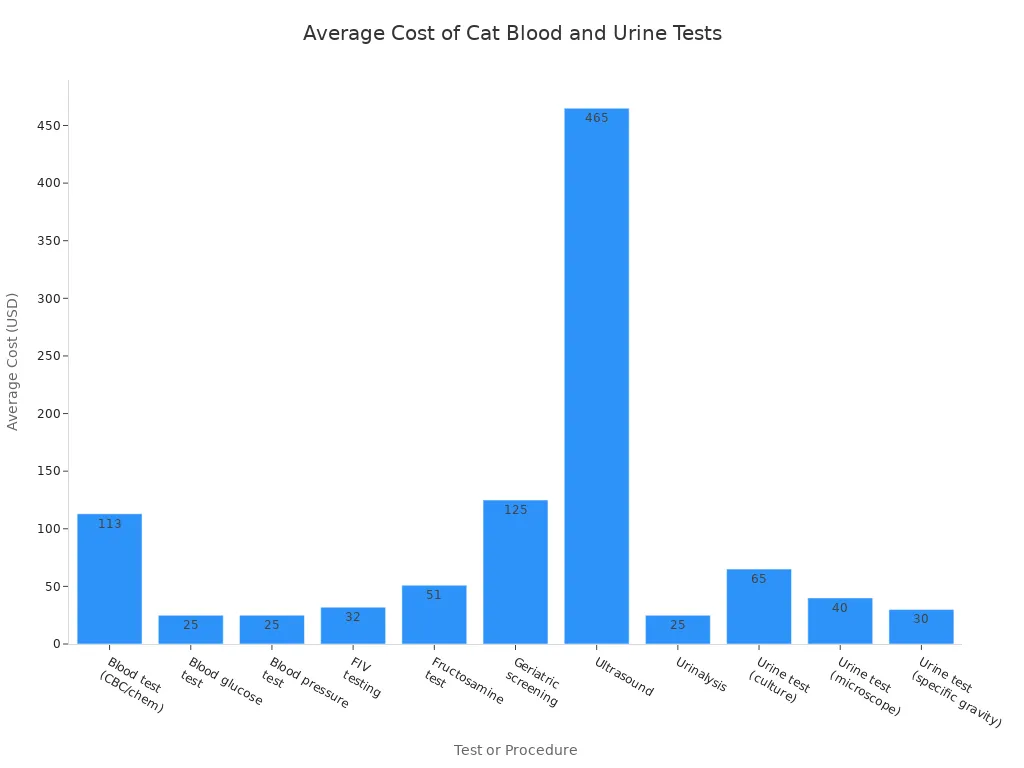
These costs can vary based on your location and the specific veterinary clinic. Regular blood work is a vital part of maintaining your cat’s health, so budgeting for these expenses is crucial.
Insurance and Budgeting
Veterinarians recommend obtaining cat health insurance to help cover the costs of diagnostic tests, including blood work. Having insurance can ease the financial burden of unexpected veterinary expenses.
Additionally, consider setting aside an emergency fund specifically for veterinary expenses. This fund can provide financial flexibility during emergencies. Here are some budgeting strategies to help you manage the costs associated with cat blood work:
Build a savings account: Create a dedicated savings account for your cat’s veterinary bills and emergencies. This can help you prepare for regular blood work expenses.
Combine savings with insurance: Having both a savings account and cat insurance ensures you are financially prepared for unplanned expenses related to your cat’s health.
Plan for regular check-ups: Factor in the costs of annual blood tests when budgeting for your cat’s overall healthcare.
By planning ahead, you can ensure that your cat receives the necessary blood work without causing financial strain.
Regular blood work is essential for maintaining your cat’s health. It helps identify hidden health issues early, allowing for timely interventions that can enhance your cat’s quality of life and potentially extend its lifespan. Blood tests are crucial at all life stages, from kittens to seniors. For example, kittens should have blood work before spay or neuter surgery, while adult cats need annual tests during wellness visits. Senior cats benefit from testing every six to twelve months, or more often if health issues arise.
Always consult your veterinarian to determine the best testing schedule for your cat. They can provide personalized recommendations based on your cat’s age, health status, and lifestyle.
FAQ
How can I tell if my cat needs blood work?
Look for signs like changes in appetite, weight loss, increased thirst, or abnormal behavior. If you notice any of these symptoms, consult your veterinarian for advice on whether blood work is necessary.
What does a routine blood test for cats include?
A routine blood test typically includes a Complete Blood Count (CBC) and a blood chemistry profile. These tests assess your cat’s overall health, organ function, and detect any underlying issues.
How long does it take to get blood test results for cats?
Most veterinary clinics provide blood test results within 24 to 48 hours. However, some specialized tests may take longer. Your veterinarian will inform you about the expected timeline.
Are there risks associated with cat blood work?
Blood work is generally safe for cats. The most common risk is minor discomfort from the needle. Serious complications are rare. Always discuss any concerns with your veterinarian before the procedure.
How often should I schedule blood work for my cat?
You should schedule blood work annually for healthy adult cats. Senior cats or those with health issues may require testing every six months or more frequently, depending on their condition.