
If you’ve ever considered adopting a pet, you might have wondered about black cats. These furry companions can be incredibly affectionate and playful. Unfortunately, many people hold onto outdated beliefs about them. For instance, some think that black cats bring bad luck or that they’ll face abuse if adopted around Halloween. These myths can cloud your judgment. Understanding the true temperament of black cats can help you see them for what they really are: loving and loyal companions ready to brighten your life!
Key Takeaways
Black cats are affectionate and playful companions. They enjoy cuddling and engaging in playtime, making them great pets for families.
Socialization is crucial for black cats. Early positive interactions with humans shape their behavior and help them bond with their owners.
Many myths about black cats lead to lower adoption rates. Understanding their true nature can help dispel these misconceptions and encourage adoption.
Black cats are adaptable and resilient. They adjust well to new environments and can learn routines quickly, making them suitable for busy households.
Adopting a black cat can bring joy and emotional support. They offer companionship and can improve your mood, making them wonderful additions to any home.
Black Cat Personality
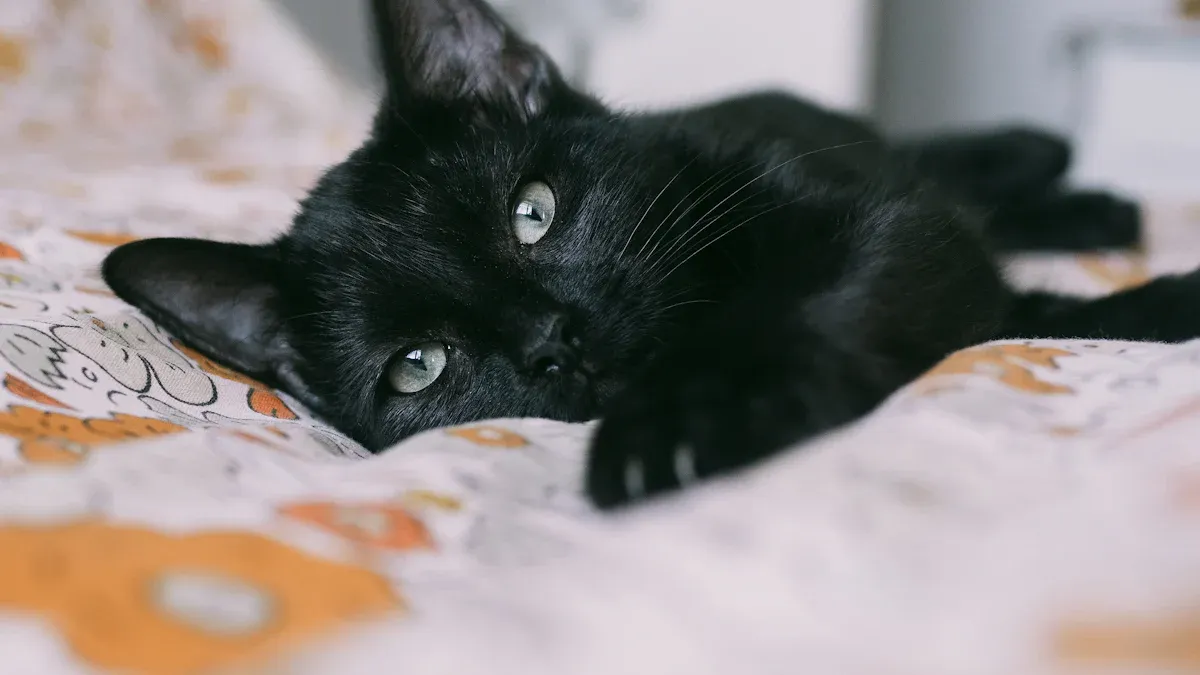
When it comes to black cat personality, you’ll find a delightful mix of traits that can make them wonderful companions. These cats can be affectionate and playful, but they also possess an independent and curious side. Let’s dive into these characteristics a bit more.
Affectionate and Playful
Many black cats are known for their affectionate nature. They often enjoy cuddling and being close to their humans. Feline behaviorists emphasize that affectionate behaviors in black cats stem more from socialization and individual personality than from their fur color. Early positive interactions with people play a crucial role in developing strong bonds. If you give a black cat love and attention, you might find them curling up in your lap or following you around the house.
Playfulness is another hallmark of black cat personality. These cats can be quite energetic and love engaging in playtime. They often enjoy chasing toys, pouncing on feather wands, or even playing hide-and-seek. In fact, studies show that black cats are perceived as more active and bolder than cats of other colors. Here’s a quick look at some findings:
Coat Color | Perceived Traits |
|---|---|
Black | More active, bolder than white; more energetic, stubborn than other colors |
White | More aloof than black cats |
Orange | More friendly than black cats |
Tri-colored | More intolerant than black cats |
Independent and Curious
Black cats also exhibit a strong sense of independence and curiosity. They often enjoy exploring their surroundings and can be quite adventurous. This curiosity can lead them to investigate every nook and cranny of your home. You might find them perched on a high shelf or peeking into a box, eager to discover what’s inside.
Socialization plays a significant role in shaping the personality of black cats, just like it does for other cats. Their behavior is influenced more by their experiences and upbringing than by their fur color. Early interactions with humans are vital for forming strong bonds, which applies to all cats, including black ones.
Temperament of Black Cats
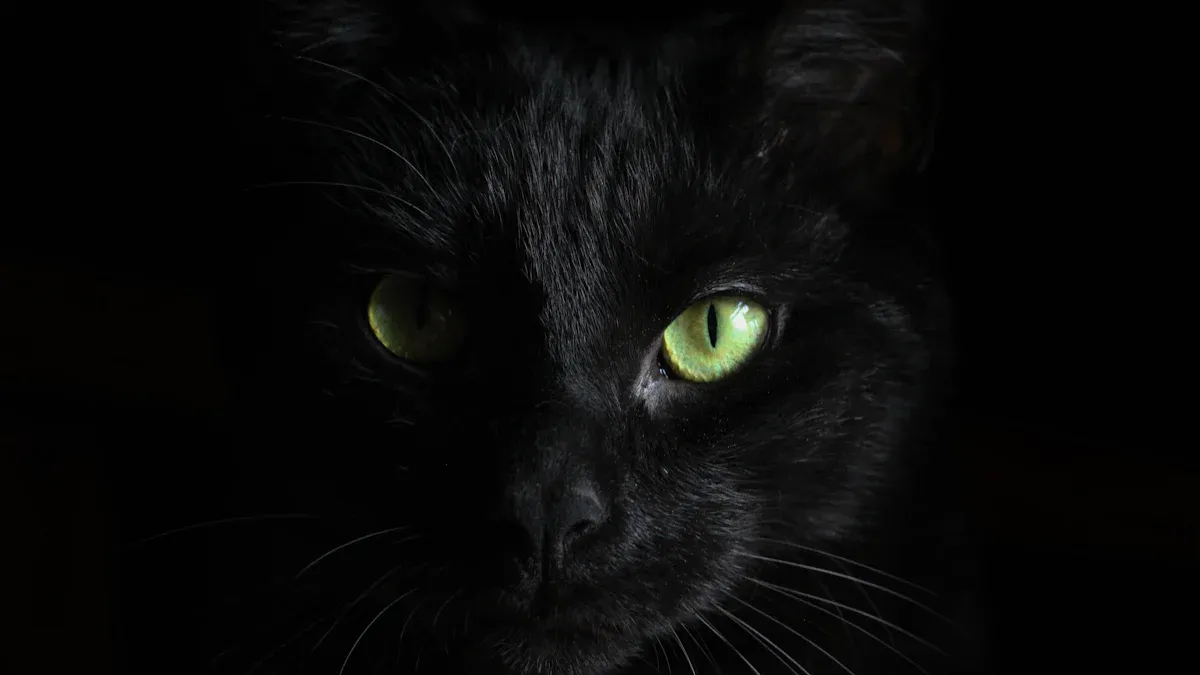
When you think about the temperament of black cats, you’ll find they often display a range of behaviors that can make them great companions. Their social behavior and adaptability play significant roles in how they interact with you and your family.
Social Behavior
Black cats can be quite social, especially if they receive proper socialization early in life. They often show more affection towards adults than young children, particularly those aged 3 to 5 years. Factors like the cat’s age and personality can influence how they interact with kids. If you have children, early socialization of kittens with them can lead to more affectionate behavior. Here are some key points about their social behavior:
Many black cats thrive in homes with multiple adults and pets, which can enhance their relationships with children.
They may not always reciprocate the affection children desire, but with patience, you can help them bond.
Their temperament varies widely, influenced by individual experiences rather than just their coat color.
Adaptability and Resilience
Black cats are known for their adaptability and resilience. They often adjust quickly to new environments, making them suitable for families that move frequently. Their intelligence and quick learning abilities help them navigate changes with ease. Here are some insights into their adaptability:
Black cats can learn new routines faster than many other cats, which is a plus if you have a busy household.
Their overall health tends to be better than that of other cats, contributing to their resilience in facing new challenges.
The temperament of black cats can vary widely, similar to other breeds, influenced more by their upbringing than genetics.
To ensure your black cat thrives, focus on early socialization and positive experiences. This will help shape their behavior and create a loving bond between you and your feline friend.
Dispelling Myths About Black Cat Adoption
When it comes to black cat adoption, many myths and misconceptions linger in our society. These beliefs can significantly impact how people view black cats and their chances of finding loving homes. Let’s explore some of these superstitions and the reality behind them.
Superstitions and Misconceptions
Throughout history, various cultures have held superstitions about black cats. These beliefs often paint them in a negative light, leading to misunderstandings about their nature. Here’s a quick look at some prevalent superstitions:
Culture | Belief |
|---|---|
European Folklore | Black cats are seen as companions of witches and bring misfortune. |
Welsh Folklore | Black cats bring luck and can predict the weather. |
Scotland | Seeing a black cat on your doorstep signifies wealth and prosperity. |
England | Black cats on ships are thought to bring good luck. |
United States | A black cat crossing your path is considered bad luck. |
Latin America | Black cats are associated with witchcraft and curses. |
Japan | Black cats bring romantic success and ward off evil spirits. |
In some European folklore, black cats are seen as common companions of witches, which can lead to the belief that they bring misfortune if they cross your path. However, in Welsh folklore, they are viewed as lucky and reliable weather predictors. This contrast shows how cultural beliefs can shape perceptions of black cats.
These superstitions have real consequences. Research indicates that black cats spend about 13% longer in shelters compared to other colored cats. Adoption rates for black cats are approximately 30% lower than for cats of other colors. Sadly, this bias can lead to higher euthanasia rates for black cats in high-kill shelters.
Adoption Rates and Reality
Despite the negative stereotypes, the reality is that black cats are just as affectionate and playful as any other cats. Many people mistakenly believe that black cats are less friendly or more aggressive. In truth, personality is shaped by genetics, environment, and early socialization, not by coat color.
Here are some key points about black cat adoption:
Black cats have the lowest adoption rate (10.0%) among all cat colors in urban U.S. shelters.
They also face the highest euthanasia rate (74.6%).
Cultural superstitions contribute to these low adoption rates, but they don’t reflect the true nature of these wonderful companions.
Interestingly, black cats have similar adoption rates and lengths of stay in shelters compared to other dark-colored cats like brown tabby and gray cats. They make up about 33% of all cats admitted to shelters and rescue facilities across the country.
Animal welfare organizations are actively working to counter these misconceptions. Campaigns like International Black Cat Awareness Month aim to highlight the positive traits of black cats and encourage their adoption. By promoting the personality of cats over their color, these initiatives help change public perception and increase adoption rates.
In summary, black cats make wonderful companions. They are affectionate, playful, and adaptable, just like any other cat. Sadly, many people still hold onto outdated beliefs that lead to lower adoption rates. Did you know that black cats have an adoption rate of only 10%? This is a stark contrast to their loving nature.
Black cats can bring joy and emotional support to your life. Research shows that pets improve mood and decrease feelings of loneliness.
Consider adopting a black cat! You might find a loyal friend who will enrich your life in ways you never expected.
FAQ
What are the common health issues in black cats?
Black cats face the same health issues as other cats. Common problems include obesity, dental disease, and kidney issues. Regular vet check-ups and a balanced diet help keep your black cat healthy.
Do black cats require special care?
No, black cats don’t need special care. They thrive on the same love, attention, and basic care as any other cat. Regular grooming, playtime, and vet visits keep them happy and healthy.
Are black cats more aggressive than other cats?
No, black cats are not more aggressive. Their temperament depends on individual personality and socialization. Many black cats are affectionate and playful, just like cats of other colors.
Can black cats get along with other pets?
Yes, black cats can get along well with other pets. Early socialization plays a key role in their behavior. Introduce them slowly to new pets to help them adjust.
Why should I adopt a black cat?
Adopting a black cat means gaining a loving companion. They are often overlooked in shelters, so by adopting one, you give them a chance at a happy life. Plus, they bring joy and comfort to your home! 🐾