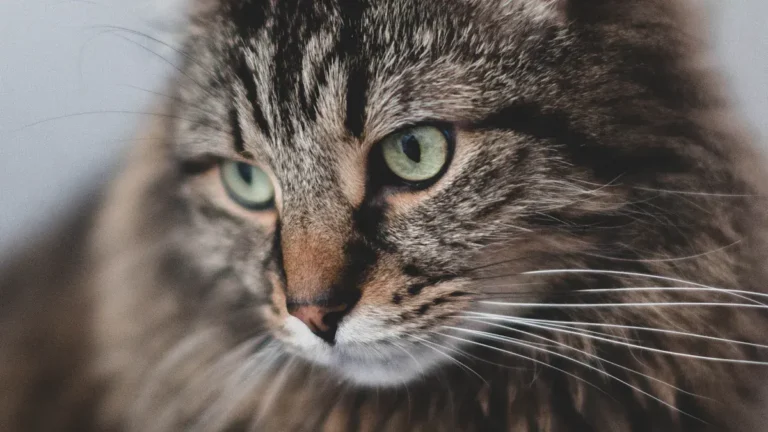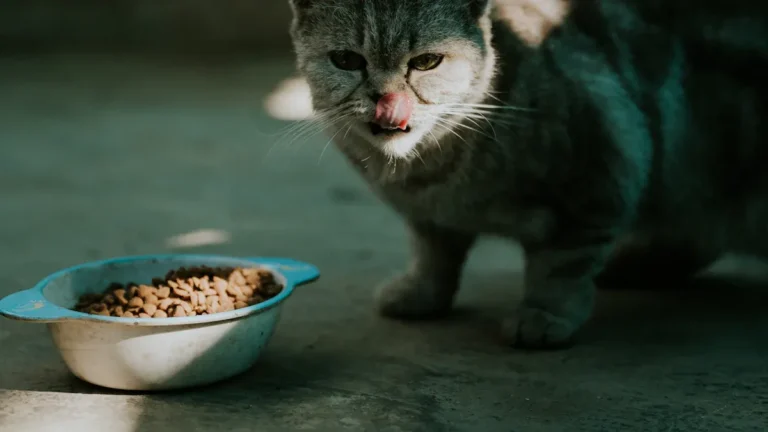

Calico cats are bold, affectionate, and independent companions with truly unique personalities. Their colorful coats come from X-chromosome gene patchwork, so each calico looks and behaves in its own way. Most calicos are female; rare males often have extra X chromosomes and need special veterinary attention.
These cats enjoy play, climbing, quiet naps, and praise. Patient training, varied toys, and a tidy litter box help keep them relaxed and happy. More details follow for anyone curious to learn more.
Genetics Behind the Calico Coat Pattern
Because the color genes sit on the X chromosome, the calico pattern depends on how those X chromosomes work inside each cell.
The cat’s coat formation begins in the embryo as cells decide which pigment to make. Some cells express orange genes while others express black genes. White areas appear where pigment cells are absent.
Pigment distribution follows a patchwork path as cells multiply and move. This creates unique patches that feel personal to owners, like a fingerprint shared with a companion.
Readers might find comfort in how each cat is one of a kind. The explanation aims to be gentle and clear. It links genetics to the visual story owners love and helps people feel connected to their pet in small joyful ways.
Why Most Calicos Are Female
Calico cats owe their striking tricolor coats to X linked color genetics, which place orange and black pigment genes on the X chromosome.
Because females have two X chromosomes, they can carry both color genes at once and show the patchy pattern, whereas males normally have only one X chromosome and rarely display both colors.
Occasional male calicos result from XXY genetics and are uncommon, so caregivers often feel curious and gentle whenever they meet one.
X-linked Color Genetics
At the time someone questions why most tricolor cats are female, the answer lies in how color genes hide on the X chromosome and how cells choose which X to use. The pattern comes from Coat coloration genes carried on X chromosomes, so females with two Xs can express both orange and black in different patches.
Initially in development each cell randomly inactivates one X, and that decision is passed to daughter cells. That creates a mosaic of color patches that people love. The explanation feels inclusive because it shows how biology and chance make each cat unique.
Readers are reminded that these patterns connect people and cats, and that lively personalities match the patchwork of their coats. Families welcome these charming surprises often.
Male Calico Rarity
Why are nearly all tricolor cats female? Genetics place orange and black coat genes on X chromosomes. Females have two Xs so both colors can appear. Males usually have one X so they cannot show both colors.
Rare male calicos carry an extra X and are XXY. Such males face reduced male fertility and some rare health concerns like bone and weight changes.
People who love calicos often feel connected to their uniqueness and appreciate care needs.
- Genetics explains color distribution.
- XXY males are uncommon and usually sterile.
- Caregiving brings comfort and community.
Neighbors and shelters often offer gentle support together.
Male Calicos and XXY Syndrome
How does a male cat end up with the same tri colored coat that usually appears only on females? A genetic error can produce an extra X chromosome so a male becomes XXY. This change explains the calico pattern and links to hormonal influences that affect development.
Caregivers often feel relief in understanding the cause and seek community for support. Numerous male calicos face fertility challenges and are typically sterile. They might also have subtle health issues like bone density or weight differences.
Vets can guide owners with gentle checkups and customized care plans. Owners find comfort sharing stories and learning small adjustments that ease daily life. The cat’s uniqueness often deepens bonds and helps people feel connected.
Neighbors welcome the cat into family.
Typical Personality Traits of Calico Cats
Owners who learn about a male calico’s rare genetics often notice the cat’s personality becomes a bigger part of daily life. Calicos show warm affectionate moments and sudden bursts of play. Their coat variations match unique temperaments and help owners feel connected.
They can be bold yet gentle, so owners accept personality opposites with patience. Social bonds form through routine and soft praise. Many calicos are curious problem solvers who ask for interaction. They also value alone time and quiet spaces.
Shared households adapt and grow closer. Owners find joy in small rituals and learn to read signals.
- Playful energy that seeks engagement
- Firm independence that needs respect
- Loyal affection that rewards time
Neighbors and family often share in the comfort.
The “Tortitude” Phenomenon Explained
The “tortitude” label links a genetic quirk to behaviors people notice in many calico cats, since X linked coat color genetics can affect how traits show up.
Observers report signs like boldness, stubbornness, sudden hissing, or playful bursts, so caretakers can learn to read those cues and respond calmly. Practical steps such as regular play, mental stimulation, gentle reward based training, and patient handling help manage challenging moments and strengthen the bond.
Genetic Basis
Because calico coloring depends on how X chromosomes turn on and off, the coat pattern also helps explain why numerous people notice a feisty streak. Genetic color mosaic effects come from cellular choices initially in development. This genetic mosaicism creates patches of orange and black with white areas set through other genes.
Those cellular differences can influence brain development in subtle ways, which might shape temperament and resilience. The pattern offers a sense of shared identity for caretakers who value spirited cats. The following points show key genetic ideas.
- X linked coat genes create alternating color patches
- Initial cell X inactivation causes the mosaic pattern
- Rare male XXY cases explain uncommon male calicos
Readers often feel proud to care for these unique companions regularly.
Behavioral Signs
How can calico cats earn a reputation for tortitude while still being loving companions? Observers observe a mix of bold gestures and warm moments. The coat pattern links to spirited temper but individual history shapes behavior.
Vocal communication often signals desires or displeasure with clear meows, chirps, or trills that ask for attention. At the same time independence signals include seeking high perches, brief withdrawals, or relaxed solo naps that show confidence without rejection. These behaviors sit side by side.
One moment a calico demands play, the next it curls near a trusted person. Readers feel invited to notice patterns, not labels, and to respond with patience, gentle boundaries, and steady affection. Communities benefit from such insight.
Management Strategies
While owners learn to read a calico’s mood, gentle structure and smart stimulation calm tortitude and bring out affectionate moments. The cat thrives whenever routines pair with play.
Caregivers provide environmental enhancement through climbing shelves, puzzle feeders, and varied toys. Stress reduction comes from predictable schedules, safe hiding places, and calm handling. Attention is balanced so the cat feels included without being overloaded.
Simple training with treats builds trust and reduces pushy behavior. Social time and solo options work together to meet needs.
- Offer daily play sessions that mimic hunting.
- Rotate toys and introduce puzzle feeders for mental challenge.
- Create quiet zones with vertical perches and soft bedding.
These strategies improve relationship stability, helping households feel more connected to the cat daily.
Social Behavior With Family Members
Often a calico cat greets family life with a lively mix of affection and independence, forming close bonds while still keeping personal space. It shows family bonding through ritualized affectionate greetings and quiet company that reassures members.
| Behavior | Meaning |
|---|---|
| Morning rubs | Welcome |
| Lap naps | Trust |
| Play invites | Joy |
| Watchful presence | Protection |
Members feel chosen whenever the cat balances closeness with autonomy, offering comfort without demand. Household routines shape trust, and steady care grows confidence and warmth. This cat adapts best if people honor its boundaries and celebrate small moments of connection. Visitors are greeted on the cat’s terms, which deepens belonging for everyone. Subtle play and soft talk help create shared rituals that bond the family. Love grows through steady, respectful attention and patience.
Calicos and Interactions With Children and Pets
Because they balance warm affection with a streak of independence, calico cats can become joyful family members once children and other pets are introduced thoughtfully. A calm approach helps build trust and keeps child safety central.
The cat is observed for comfort and signs are read before touch occurs. Adults guide gentle play and set clear limits.
A slow pet introduction plan helps other pets accept the newcomer and reduces stress. Time, safe spaces, and praise support positive bonds.
Listed below are practical steps to follow for smoother adjustments and lasting belonging.
- Supervise initial interactions and teach gentle handling.
- Create separate retreat areas and scent sharing sessions.
- Use short, regular meetings with positive reinforcement.
Patience yields trust and a happier home.
Energy Levels, Play, and Exercise Needs
How energetic is a calico cat and what do caretakers need to know to keep them happy? Calico cats often show moderate to high energy, with lively bursts and quiet rest between.
Families who welcome a calico should meet play motivation with varied toys, climbing spaces, and short daily sessions. Consistent exercise routines help channel curiosity and reduce stress. The cat responds to interactive play, puzzle feeders, wand toys, and window perches.
They benefit from morning chase games, midday climbing, and calm evening cuddles. Caretakers can adjust length and intensity through watching the cat’s interest. Gentle praise and treats support engagement.
This approach builds belonging, reduces boredom, and honors the cat’s smart, spirited nature while fitting household rhythm. It also improves health and wellbeing.
Training Tips and Litter Box Preferences
During a calico’s smart and spirited nature can make training feel like a lively collaboration, a patient caregiver who uses calm, steady steps will get the best results. The cat responds well to positive reinforcement, gentle praise, and short play sessions that use play motivation to reward progress.
Litter box habits improve once the box is clean, quiet, and placed where the cat already spends time. Consistency builds trust and belonging. Training and litter needs link closely, so caregiver routines should match the cat’s rhythms. Practical ideas include the following.
- Start with short sessions using treats and toys.
- Offer a tidy box in a private area and test textures.
- Use cues, reward success, and slowly raise expectations.
Celebrate small wins daily.
Common Quirks, Aggression, and Redirecting Behavior
Good training and a steady routine often make a calico more relaxed, but spirited moments still happen.
The cat might show quirky habits like sudden zooms, insistence on certain perches, and a flair for dramatic entrances. Some individuals display territorial marking during stress or once a new pet arrives, and that behavior needs calm interruption. Others use vocal aggression to demand attention or set boundaries, starting with loud meows or yowls.
Caregivers can redirect energy with play sessions, puzzle feeders, and safe climbing spaces. Gentle handling, consistent rules, and rewards for calm choices help shape better responses.
In case biting or scratching appears, swap hands for toys, pause interaction, and offer alternative outlets. These steps build trust and belonging. The household then enjoys steadier moments.
Cultural Significance and Lucky Cat Traditions
In many cultures calico cats carry a gentle reputation as symbols of luck and protection. Communities often welcome their presence in homes and shops because their colors are seen as bright and hopeful.
In Japan the maneki neko symbolism links calico patterns with beckoning fortune and friendly guardianship. Sailors carried calico cats because maritime superstitions held they could calm weather and guard ships. This shared history creates a sense of belonging for people who love these cats. These beliefs travel with families and craft a comforting, shared narrative for communities.
- Folklore: local stories tie calicos to home protection and small rituals.
- Artifacts: figurines and images reinforce communal identity around luck.
- Social role: households adopt calicos to welcome visitors and connect generations.
Choosing and Caring for a Calico Cat
Upon selecting a calico, a prospective owner ought to consider temperament, breed traits, and how the cat will fit into the home. They should plan for basic health screening and genetic checks, since the tricolor pattern links to X chromosome genetics and rare males might encounter special issues.
After bringing the cat home, consistent care along with regular stimulation such as play, climbing, puzzle feeders, and gentle training with treats and praise will build trust and keep the cat happy.
Choosing Your Calico
How should a prospective owner choose a calico cat that fits their life? A person should weigh adoption considerations and observe personality matching at the shelter or foster home. They should meet several cats, watch play and rest, and ask staff about history and routines.
A calm household might suit a mellow calico, while an active home could enjoy a spunky companion. Time for grooming, play, and vet visits must match the owner capacity.
The following steps help create belonging and a lasting bond.
- Meet multiple cats and observe reactions to handling and noise.
- Ask about behavior, social history, and daily care needs.
- Choose a cat whose energy and affection patterns fit home life.
Staff recommendations can encourage the decision confidently.
Health & Genetic Checks
Because calico coloring ties closely to X chromosome genetics, owners should pay close attention to both genetic checks and routine health screening before bringing a cat home. Prospective owners can ask breeders or shelters for genetic counseling to learn about sex linked risks and the rare XXY males.
A basic plan includes vet reviewed tests, vaccinations, and blood work. Regular annual screenings help spot issues promptly. Owners who feel connected to a cat family benefit from shared medical history and clear records.
Ask about bone density evaluation for unusual males and about potential metabolic concerns. Tests bring peace of mind and build trust between family and veterinarian. Open communication keeps everyone welcome and informed.
Community support networks can offer guidance and emotional reassurance regularly.
Care, Enrichment, Training
Although a calico’s bright patches draw attention initially, caretakers should consider beyond looks and choose a cat whose temperament and needs fit the household.
A calm introduction, steady routine, and patience help the bond grow. Environmental stimulation keeps curiosity healthy and reduces trouble. Gentle training with treats and play guides manners and supports behavior modification as needed. Simple tools and warmth create belonging.
- Offer climbing shelves, puzzle feeders, and timed play sessions.
- Use reward based training, short sessions, and clear cues.
- Provide quiet resting spots, consistent litter setup, and regular vet checks.
Transitions tie care and training so stimulation supports learning. The tone stays kind and hopeful while honoring the cat as an individual. Family members can share joyful moments together.