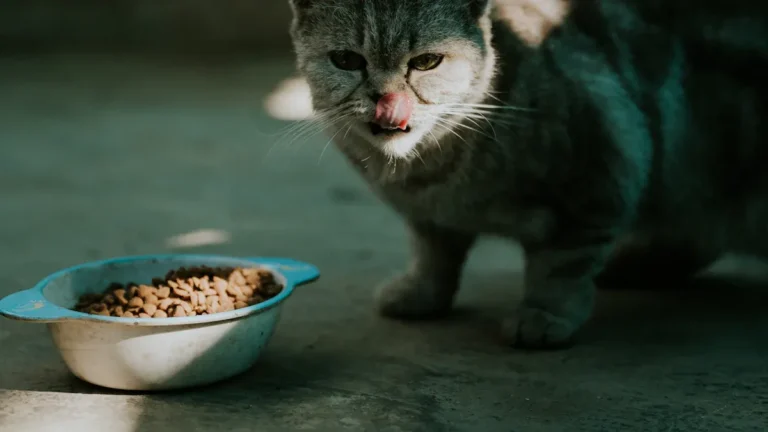

Like two different keys made for two different locks, your cat and dog need diets that fit their unique bodies, not just their shared food bowl. You may notice your cat sneaking crunchy bites from your dog’s dish and question whether it’s really a big deal. It seems harmless, especially at times life is busy and you’re tired of juggling bags of food, but what’s hiding inside that dog food could quietly reshape your cat’s health in ways you don’t expect.
Understanding Why Cats and Dogs Eat Differently
Although cats and dogs often share our homes and even our couches, their bodies are built to eat very different kinds of food.
Whenever you look at their daily life, you’ll notice their food preferences and dietary habits don’t match at all. Dogs act like easygoing omnivores. They can enjoy both meat and plants, and they do fine with dog food that has around 18 to 26 percent protein.
Your cat lives under different rules. A cat’s body is all about meat.
Cats need much more protein, closer to 30 to 34 percent, to feel truly well. They also rely on ready-to-use vitamins and amino acids, which are often missing or too low in typical dog food.
Core Nutritional Requirements of Cats
Once you see how differently cats and dogs eat, it starts to make sense that your cat’s body also asks for very different nutrients. Your cat is an obligate carnivore, so real animal protein sits at the center of every healthy meal. Their body leans on that protein for energy, muscle, and strong immunity.
To visualize what your cat truly needs, conceive:
- Rich animal protein around 30 to 34 percent that supports clean nutritional absorption.
- Essential amino acids like taurine and arginine that protect the heart, eyes, and detox system.
- Arachidonic acid that keeps skin, coat, and inflammation in balance.
Along with those, your cat depends on ready-to-use vitamin A and niacin, because their body can’t convert plant forms, no matter their dietary preferences.
How Dog Food Is Formulated vs. Cat Food
Even though dog and cat food can look similar in the bowl, they’re built very differently from the inside out.
At the moment you look at dog food formulation, it’s designed for an omnivore. Dogs can handle a mix of meat, grains, and veggies, so their recipes often have lower fat and fewer animal based extras.
Cat food composition is more intense. Your cat’s body expects meat heavy meals. So their food usually has higher fat for steady energy and includes taurine and arachidonic acid that protect their heart, eyes, and immune system.
Vitamins A and niacin are added in fully active forms, because cats can’t make them from plant sources. Even the kibble size and crunch fit a cat’s small mouth and quick bite style.
Protein Levels: Why Cats Need More
You just saw how dog and cat food are built with different goals in mind, and that difference really shows up in the protein bowl. Your cat’s body runs on rich animal protein, not leftovers from the dog’s dish.
Cat food usually holds about 30 to 34 percent protein, while dog food often stays closer to 18 to 26 percent. That gap matters. Cats are obligate carnivores, so they rely on dense animal protein sources to feel strong, playful, and safe in their world with you.
To visualize it, consider:
- A short digestive tract working fast
- A liver that burns protein all day
- A careful dietary balance that dog food just can’t consistently deliver
Essential Amino Acids: Taurine, Arginine, and More
While protein quantity matters, the real story for cats lies in the tiny building blocks inside that protein called amino acids. Your cat’s body leans on you to provide these, especially taurine and arginine. It’s a big responsibility, but you’re not alone in caring this much.
Taurine protects your cat’s heart, eyes, and reproductive health. Since cats can’t make enough on their own, they depend on rich taurine sources from animal proteins, like meat and organs. Dog food often doesn’t meet this higher need, so a cat can slowly become weak or sick.
Then there’s arginine importance. Arginine helps your cat remove ammonia from breaking down protein. Dogs can create more of it. Cats cannot, so they must get it from animal-based food.
Fats and Fatty Acids: The Role of Arachidonic Acid
Because fat often sounds like a “bad” word, it’s easy to miss how deeply your cat’s body depends on a special kind of fat called arachidonic acid. This essential fatty acid sits at the heart of feline nutrition, quietly keeping your cat stable and comfortable.
You can visualize its job like this:
- It supports natural inflammatory responses, so your cat can heal after scratches or tummy upsets.
- It helps the gastrointestinal tract move smoothly, so food digests well.
- It keeps the reproductive system working normally, especially in breeding cats.
Since cats can’t make this fatty acid, they need it from animal dietary sources like meat and organs. Dog food often has too little, which can lead to skin troubles, weak immunity, and other concealed health implications.
Vitamins and Minerals Cats Can’t Live Without
At the outset, you ponder vitamins and minerals for your cat, you’re truly contemplating the tiny nutrients that keep their heart, eyes, skin, and brain functioning every day.
You’ll see how key vitamins like A and niacin, along with minerals and amino acids such as taurine and arachidonic acid, perform tasks your cat’s body can’t manage alone.
As you grasp these essentials, you’ll also discover the warning signs of deficiencies so you can catch problems promptly and keep your cat safe, even though dog food sometimes sneaks into their bowl.
Essential Vitamins for Cats
Most people know cats need protein, but the vitamins and minerals hiding inside that food are just as life-or-death for your little hunter.
At the moment you understand this, you feel more confident, like you truly know how to care for your cat.
Your cat must get active vitamin A from animal tissue, not plants. Without it, vision and immunity start to suffer. You also need strong niacin sources, because cats can’t make enough on their own.
Picture your cat’s plate:
- Soft chicken or turkey providing vitamin A and niacin
- Quality canned food listed as “complete and balanced” for vitamin D
- Protein rich meals supporting vitamin B6 and a healthy nervous system
These choices help your cat feel safe, energetic, and deeply understood.
Critical Feline Minerals
You’ve already seen how vitamins keep your cat’s body running, but minerals and special nutrients quietly protect the parts you can’t see, like the heart, eyes, and brain. These critical nutrients must be in every feline diet, and dog food simply doesn’t match those very special needs.
Taurine keeps your cat’s heart strong, vision sharp, and body ready for life. Arachidonic acid supports healthy skin, coat, and normal inflammation. Your cat also needs preformed vitamin A and niacin from animal tissues, since their body can’t make enough.
Here’s a simple way to see how these work together in your cat’s bowl:
| Nutrient | Key Role In Your Cat |
|---|---|
| Taurine | Heart and eye support |
| Arachidonic acid | Skin and immune balance |
| Vitamin A | Vision and growth care |
| Niacin | Energy and nerve health |
Deficiency Risks and Signs
Although your cat could look perfectly fine on the outside, quiet nutrient gaps can slowly cause serious trouble inside their body.
At the time a cat eats dog food often, a nutritional imbalance sneaks up and steals what their heart, eyes, and immune system need to stay strong.
Taurine, arginine, arachidonic acid, vitamin A, and niacin aren’t optional for your cat. Your cat’s body simply can’t make enough of them.
Over time, you could notice:
- Dull coat, flaky skin, or itchy patches
- Tiredness, hiding more, or weak muscles
- Eye changes or cloudy vision
These initial signs can lead to serious health consequences like heart disease, ammonia toxicity, poor immunity, and reproductive problems.
At the time you choose food, you protect your cat and your shared little family.
Can Cats Ever Safely Eat Small Amounts of Dog Food?
You may ponder whether it’s really that bad whenever your cat sneaks a few bites of dog food, especially since they seem perfectly happy afterward.
In small, occasional amounts, it’s usually not an emergency, but you still need to watch for quiet warning signs like low energy, dull fur, or eye changes that suggest nutrient problems over time.
I’ll walk you through at what point a few bites are probably okay, what red flags to look for, and at what moment it’s time to call your vet for help.
Occasional Bites: Usually Okay
Whenever your cat sneaks a tiny bite of dog food, it usually isn’t a reason to panic, and you don’t have to feel like a bad pet parent. Those occasional bites are usually okay, as long as you still protect your cat’s general nutritional balance with proper cat food.
You may envision moments like:
- You’re filling the dog’s bowl, and your cat steals one crunchy kibble.
- Your pets share a water dish, and a tiny crumb of dog food slips in.
- You drop a piece on the floor, and your cat grabs it before you can react.
In these small moments, your cat will almost always be fine. Just keep dog food as a rare nibble, not a shared dinner.
Signs of Nutrient Deficiency
Sometimes it helps to recall that a cat can snack on a little dog food and still be okay, but your real concern is what happens once it starts replacing their regular meals.
That’s at which quiet dietary consequences begin to show.
You could notice your cat feels tired, loses muscle, or seems less playful.
Because dog food has less protein, a slow nutrient imbalance can develop.
Taurine and arginine shortages might lead to heart troubles or changes in breathing.
Vision can fade, with your cat bumping into things or avoiding dim rooms.
Some cats get more urinary tract infections and start visiting the litter box more often.
Whenever you see more than one of these changes together, dog food is likely playing too big a role.
When to Call Vet
Ever contemplate how much dog food is “too much” before a vet visit becomes necessary? A tiny taste once in a while usually isn’t an emergency.
But your cat’s body needs taurine, arginine, and other nutrients that dog food just can’t provide.
You’ll want a vet consultation should you notice worrying shifts after dietary changes.
Visualize your cat and watch for:
- New lethargy, hiding more, or less play.
- A dull, greasy, or thinning coat that used to shine.
- Vomiting, diarrhea, or straining in the litter box.
These signs can point to malnutrition, heart or vision trouble, or urinary issues.
Reaching out promptly helps you protect your cat’s health and reminds you you’re not handling this alone.
Health Risks of Feeding Dog Food to Cats Long-Term
Although grabbing a scoop of dog food for your cat could feel harmless or convenient, feeding it long-term can quietly put your cat’s health at serious risk.
Over time, a nutritional imbalance builds up, and the health consequences usually remain concealed until real damage appears.
Dog food has less protein than cats need, so your cat’s muscles, skin, and coat can weaken.
Missing amino acids like taurine can lead to heart disease and vision loss.
Low arachidonic acid might trigger skin problems and trouble with inflammation and healing.
Too little vitamin A and niacin can hurt your cat’s eyes and metabolism, and could even affect fertility.
You’re not alone should you have done this.
You can still shift their bowl toward safer food.
Life Stage Nutrition: Kittens, Adults, and Seniors
Whenever you look at your cat’s bowl, it helps to recall that a kitten, an adult, and a senior cat all need very different fuel to feel their best.
You’re not just feeding a pet. You’re caring for a family member at a special stage of life.
- Envision playful kittens: they need rich kitten nutrition, with about 30–34 percent protein and extra calories so their tiny bodies grow strong.
- Visualize steady adult cats: they do best with at least 26 percent protein and balanced nutrients that dog food often can’t supply.
- Consider gentle seniors: a thoughtful senior diet uses fewer calories, but still gives high quality protein to protect tired muscles.
AAFCO life stage guidelines help you match each bowl to each heart.
Choosing a High-Quality Cat Food for Optimal Health
Whenever you choose a cat food, you’re really choosing the fuel that keeps your little hunter’s body and mind strong every single day.
You’re not just buying a bag; you’re caring for a family member. So, start with checking cat food ingredients. Look for real animal proteins like chicken, turkey, or salmon listed initially, because cats need about 30 to 34 percent protein to truly thrive.
Then, turn to the nutritional labels. Make sure it says the food meets AAFCO nutrient profiles for your cat’s life stage.
This helps you know taurine, arachidonic acid, and vitamin A are included. Should you ever feel uncertain or stressed, talk with your veterinarian so you’re not making these choices alone.
Practical Tips for Multi-Pet Households (Cats and Dogs)
Whenever you share your home with both cats and dogs, mealtime can quickly turn into a little circus, so it helps to set up simple habits that keep everyone calm and well fed.
You’re not just doing pet feeding. You’re caring for a little family, and good dietary management keeps everyone safe.
Here’s how that can look:
- You raise cat bowls on counters or shelves so dogs can’t reach them.
- You use baby gates to create cozy feeding zones where each pet feels secure.
- You follow a steady schedule with measured portions, so no one free feeds.
Then you stay nearby, gently redirecting your dog with a toy or special treat should they wander toward the cat’s food, keeping harmony at every meal.