
Whenever you see your cat eyeing your pineapple like it holds secret treasure, you may pause and worry what one bite could do. You want to share, but you also want to protect that tiny stomach and keep your cat safe. Pineapple looks bright and healthy, yet its sugar, acid, and texture can be tricky. Once you understand a few simple safety facts, you’ll know exactly when a taste is okay and at what point to say no.
What’s in Pineapple and Why It Matters for Cats
Pineapple could look like a fun, tropical treat to share with your cat, but what’s inside this fruit matters more than it seems. You care deeply, so it helps to know what you’re really offering.
Pineapple holds vitamins C and B, along with manganese, copper, potassium, magnesium, and iron. These are real pineapple benefits for people, but your cat’s body works differently.
Cats are meat eaters, so they don’t gain much from this fruit. Pineapple also has quite a bit of fructose, which can lead to weight gain and tummy trouble. On top of that, feline preferences don’t include sweetness, so most cats won’t find pineapple exciting.
Should you ever prepare some, you’d need to remove the skin, leaves, and core initially.
Is Pineapple Safe for Cats to Eat?
Even though you might want to share a bite of your snack, you’ll need to think carefully before letting your cat taste pineapple. The fruit is non-toxic, so a tiny piece can be safe, but only as a rare treat. This can help you feel included while you snack together, even when your cat just sniffs it.
To keep that moment safe, always peel the pineapple, cut off the leaves, and remove the hard core. Offer only a soft, seedless bit.
Because of normal cat preferences, many cats won’t care for pineapple since they can’t taste sweetness, so don’t push it.
Should you try it, watch for vomiting or diarrhea, and talk with your vet initially about possible pineapple benefits for your cat’s health.
Sugar, Acidity, and Your Cat’s Digestive System
You now know a tiny bite can be safe, but it also helps to understand what that bite actually does inside your cat’s stomach.
Pineapple has high sugar levels, and your cat’s body isn’t built to handle a lot of sugar. Too much can lead to weight gain and an uncomfortable digestive impact, like gas or soft stools.
The acidity adds another layer. Some cats handle it fine, while others could react with vomiting or diarrhea.
Because cats can’t taste sweet, they usually don’t crave pineapple, which actually protects them a little.
Fiber in pineapple can gently help digestion in very small amounts.
Still, you’ll want to introduce it slowly, watch the litter box, and stop right away should you notice any upset.
Fresh vs. Canned Pineapple: Key Differences for Pets
At the time you compare fresh pineapple to canned, you quickly see big differences in sugar, texture, and safety for your cat.
You want to understand how extra syrup, soft or mushy pieces, and concealed additives can affect your pet’s weight, digestion, and general health.
As you read this part, you’ll learn how to choose the safest type, prep it the right way, and protect your cat from quiet risks in the bowl.
Sugar and Additives
Although pineapple could seem like a simple snack to share, the difference between fresh and canned pineapple really matters for your cat’s health. Canned pieces often have higher sugar content and preservatives that raise health risks like weight gain and tooth decay. Fresh pineapple in tiny amounts is safer, but it’s still a “sometimes” treat.
You could feel unsure at the time you just want to include your cat in family snacks. That feeling makes sense, and you’re not alone. Choosing fresh fruit helps you care for your cat’s body and comfort.
| Type | Sugar / Additives | Potential Effects on Cats |
|---|---|---|
| Fresh pineapple | Natural sugars, no extras | Lower risk, still limit amount |
| Canned in syrup | Very high sugar, additives | Obesity, dental issues, upset |
| Canned in juice | Added sugar, preservatives | Gas, diarrhea, long term strain |
Texture, Safety, and Prep
Even with a fun fruit like pineapple, texture and prep matter a lot for your cat’s safety. Fresh pineapple has a juicy, fibrous pineapple texture that can feel interesting to a curious cat, but only at the moment you prepare it carefully.
You’ll want to cut off the skin, leaves, and tough core, then slice tiny bite-sized pieces to lower choking risks and help your cat investigate new fruit preferences safely.
Here’s how to keep things safe and kind for your pet:
- Use only plain, fresh pineapple, never canned.
- Avoid syrupy or sweetened pieces that upset your cat’s stomach.
- Offer just one or two small cubes and watch closely for vomiting or loose stool.
- Stop immediately should your cat seem uncomfortable or disinterested.
How to Prepare Pineapple Safely for Your Cat
Before you share pineapple with your cat, it helps to slow down and prepare it in a way that keeps them completely safe. With gentle pineapple preparation, you show real cat safety and care, just like you do with their daily meals.
First, wash the pineapple well to remove pesticides. Then peel off the skin, leaves, and thorns, and cut out the hard core so nothing scratches or chokes your cat. Next, slice the fruit into tiny cubes, about the size of cat biscuits. Always choose fresh pineapple, since canned pieces often contain sugar and preservatives that can upset sensitive tummies.
| Step | What You Do |
|---|---|
| 1 | Wash thoroughly |
| 2 | Remove skin and core |
| 3 | Cut tiny cubes |
| 4 | Watch for reactions |
Serving Sizes and How Often to Offer Pineapple
Serving size becomes your safety net as you share pineapple with your cat, because a little really does go a long way.
Consider pineapple benefits as a tiny bonus, not a meal. Use portion control and offer just a few small, bite-sized pieces, keeping it under 10 percent of your cat’s daily food.
You’re building a caring routine, so it helps to keep things consistent:
- Offer pineapple only once a week to avoid tummy trouble.
- Choose fresh pineapple instead of canned to skip extra sugar and preservatives.
- Give the pieces by hand so you can watch how your cat behaves.
- Keep regular cat food as the main diet, with pineapple as a special treat.
- Notice energy, appetite, and litter box habits after each serving.
Signs Your Cat Is Not Tolerating Pineapple Well
Once your cat starts nibbling on pineapple, it’s essential to watch closely for any signs that their body isn’t handling it well.
Stay near them and notice any sudden changes in cat behavior, because you know your little one better than anyone.
Should your cat vomit, have diarrhea, or drool a lot soon after eating pineapple, their digestive health could be upset.
You may also see lethargy, hiding, or a loss of interest in food or play. Some cats pace, groom their belly too much, or seem restless whenever their stomach hurts.
Watch for itching, facial swelling, or hives, which can mean an allergy.
Should these signs appear, or any stomach issues continue, contact your veterinarian right away.
Can Kittens Have Pineapple as a Treat?
You may question whether your tiny kitten can enjoy pineapple the way an adult cat sometimes can, and that worry shows how much you care.
Before you offer a taste, you’ll need to consider your kitten’s age, how ready their stomach is for new foods, and how to serve the fruit in the safest way possible.
Let’s walk through at what point a kitten’s body can handle pineapple and how you can prepare small, gentle pieces that keep them curious but still protected.
Age and Digestive Readiness
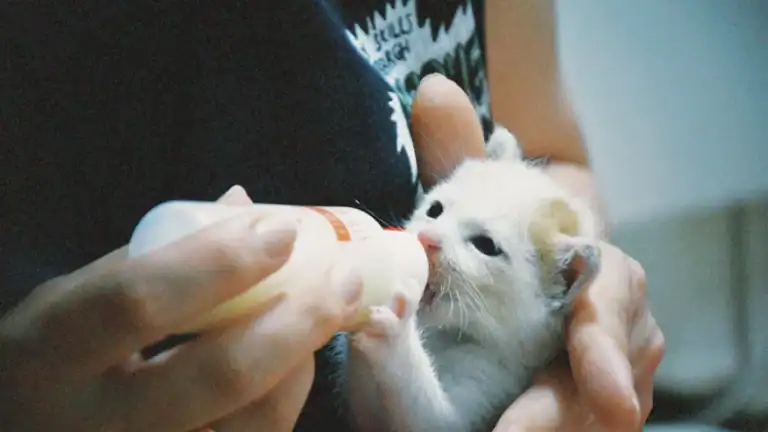
Although a juicy bite of pineapple could seem like a fun treat to share, a kitten’s tiny body isn’t ready for much beyond proper kitten food and milk or formula.
At this initial kitten age, your little one’s digestive maturity is still developing, so you’ll want to move slowly and gently.
After weaning, a tiny taste of pineapple could be okay, but your kitten still needs a diet focused on growth, comfort, and safety.
You’re not being overprotective. You’re being a loving guardian.
Keep these points in mind as you decide:
- Choose pineapple only after basic foods sit well
- Watch closely for vomiting, gas, or diarrhea
- Call your vet should you notice any change in energy or appetite
Safe Serving Guidelines
Tiny tummies that are just learning to handle solid food need extra care, and that’s exactly where smart treat rules come in.
After weaning, you can offer a tiny piece of fresh pineapple once in a while, not every day. This lets your kitten investigate new flavors while you stay in control.
First, remove the skin, leaves, and core so the texture stays soft and safe. Start with a piece no bigger than your fingernail. Then, watch closely for vomiting, diarrhea, or extra gassiness.
Fresh fruit gives gentle pineapple benefits without the added sugars in canned fruit.
Still, your kitten’s main diet should be balanced food that matches kitten preferences. Before you begin, talk with your veterinarian so this treat truly supports healthy growth.
Other Fruits Cats Can and Cannot Eat
Whenever you start sharing fruit with your cat, it’s natural to feel both curious and a little nervous about what’s actually safe.
You want safe fruit choices that still feel fun, while staying far away from toxic fruit risks. Consider fruit as a tiny treat you both investigate together, not a meal.
Some fruits can help you bond:
- Offer small bites of apple, banana, blueberry, apricot, or seedless watermelon, with all seeds, pits, and rind removed.
- Share pitted cherries only rarely, and always remove stems and leaves to avoid concealed toxins.
- Completely avoid grapes, raisins, and citrus like oranges or lemons, since they can cause serious stomach upset or even kidney failure.
Building a Balanced Feline Diet Beyond Fruit Treats
As you begin contemplating beyond fruit treats, a truly balanced diet for your cat starts with what their body is actually built to employ: animal protein and fat.
Your cat is an obligate carnivore, so their main meals should come from high quality commercial food that meets AAFCO standards. This is how you support balanced nutrition and long term feline health.
You can still share small fruit moments, including pineapple, but keep all fruits under about 10 percent of daily calories. That way, treats stay fun and don’t upset your cat’s stomach.
To complete the image, always offer fresh water, especially with dry food.
Then, stay in touch with your veterinarian, who can fine tune the diet and help you choose treats that truly fit your cat’s needs.