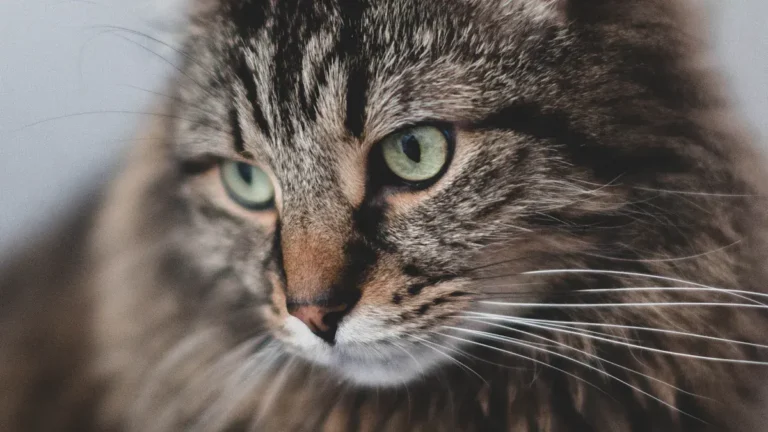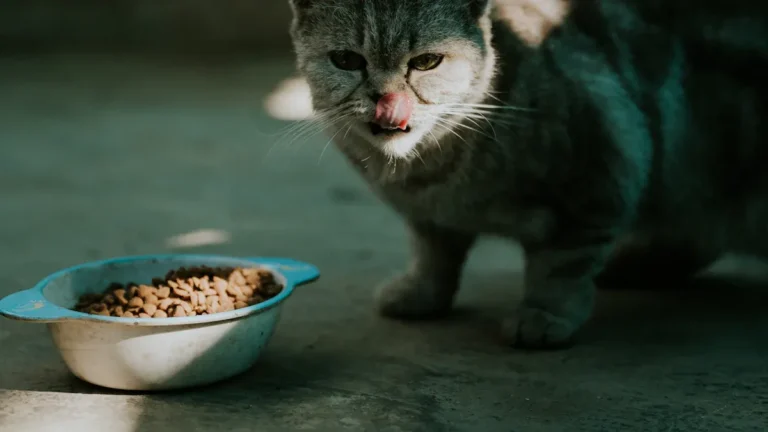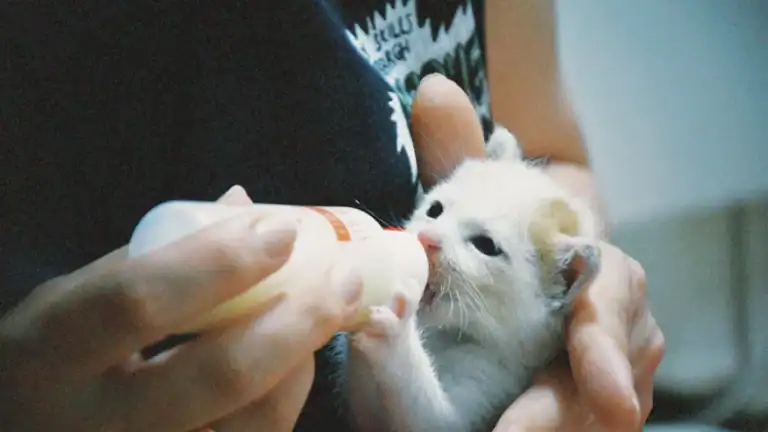

Cats can have a tiny piece of string cheese as an occasional treat. Many adult cats lack lactase, so dairy can cause vomiting, diarrhea, and gas within hours to a day. String cheese is high in fat and sodium, which can worsen pancreatitis, obesity, diabetes, or heart and kidney disease. Offer a pea- to dice-sized bite no more than once or twice weekly and watch for 24–48 hours for any symptoms; contact a veterinarian for severe signs.
Can Cats Eat String Cheese Safely?
Few bites can be safe, but caution is needed.
Readers who care for cats should know that string cheese is not toxic yet can upset digestive systems.
Cats have individual cat preferences, and some enjoy the mild flavor while others ignore it.
Texture play matters because shredded strands might entice a cat to nibble more than intended.
Offer only a tiny taste, about a quarter inch slice or a few small shreds, and keep treats under ten percent of daily calories.
Watch closely for vomiting, diarrhea, gas, or reduced appetite for 24 to 48 hours after feeding and stop should any signs appear.
Avoid string cheese whenever a cat has pancreatitis, diabetes, kidney or heart disease, or a known dairy allergy and consult a veterinarian.
Why Cats Are Drawn to Cheese
After noting that tiny tastes of string cheese can be offered carefully, it helps to look at why that snack is so tempting to cats.
The cheese gives strong savory aromas and flavors because of fat and protein. This sensory attraction draws a cat in quickly. The creamy texture and mild salt make string cheese easy to lick and chew, and the stringy pull invites playful investigation as well as eating.
People often share food, and that sharing teaches cats to expect treats. Over time, this learned behavior encourages more begging and interest whenever cheese appears. Together, scent, texture, and social moments create a layered appeal that feels familiar and rewarding to many cats and to the people who care for them.
Lactose and Feline Digestion
Most adult cats make very little lactase, so they often cannot properly digest the lactose in dairy products like string cheese.
Whenever lactose is not digested it can ferment in the gut and cause symptoms such as diarrhea, gas, cramps, and vomiting, with older cats usually at higher risk.
Because tolerance varies between individual cats, offering only a tiny taste and watching closely for any signs of intestinal upset helps keep your pet safe and comfortable.
Lactase Enzyme Deficiency
Curious whether that little piece of cheese will upset a cat’s stomach? Most adult cats experience a lactase decline after weaning, so they make very little of the enzyme needed to digest lactose. This matters because undigested lactose reaches the large intestine and becomes a feast for bacteria, creating intestinal fermentation that can lead to discomfort.
Lactase levels differ from cat to cat, so some felines might handle tiny tastes while others react to a single bite. Hard aged cheeses often contain far less lactose than soft fresh cheeses due to fermentation and aging, which can make them easier to share. Should a caregiver want to test tolerance, offer a pea to dice sized taste and watch closely for 24 to 48 hours.
Symptoms of Intolerance
Frequently, a cat that nibbles string cheese will show clear signs of lactose intolerance within a few hours, and a caregiver can watch for them with calm attention. Many adult cats have low lactase, so lactose sensitivity shows up on a short digestion timeline. Caregivers who belong to a pet family can notice watery diarrhea, vomiting, abdominal cramping, and extra gas. Some cats react to a tiny taste while others tolerate a dice-sized piece without immediate trouble. Pre-existing conditions raise concern and could worsen signs, prompting a vet visit should vomiting repeats, blood appears in stool, lethargy grows, or dehydration starts.
| Symptom | Onset | When to Seek Help |
|---|---|---|
| Diarrhea | Few hours | Should persistent |
| Vomiting | Few hours | Should repeated |
| Gas | Few hours | Should severe |
| Lethargy | Variable | Should worsening |
| Blood in stool | Variable | Immediately |
Quantity Matters
Portion size really matters while a cat eats string cheese, because small tastes and larger helpings affect digestion in very different ways. A small pea- to dime-sized taste might sit fine for some cats, while larger pieces raise the chance of diarrhea, gas, or vomiting.
Cats usually make little lactase after weaning, so mozzarella style string cheese can be harder to digest than aged cheeses. Caregivers should follow clear portion guidelines and use gentle tolerance testing whenever offering any dairy.
Introduce tiny amounts slowly, then watch for 24 to 48 hours for changes. Cats with IBD, pancreatitis, or diabetes should avoid string cheese entirely.
Should vomiting, severe diarrhea, or lethargy appear, contact a veterinarian right away.
Nutritional Profile of String Cheese
A single ounce stick of string mozzarella delivers a compact mix of calories, fat, protein, and sodium that matters for a cat’s diet. The mozzarella composition shows about 80 to 85 kcal, 6 to 7 g fat, 6 to 7 g protein, and sodium levels near 150 to 200 mg. This matters because a small cat shares space at the table and needs care with portions.
- Fresh mozzarella retains more lactose than aged cheeses which can upset some cats
- Each stick supplies calcium but lacks vitamin A and taurine cats need
- Fat is concentrated and can add unwanted calories over time
- Many brands add salt and preservatives increasing sodium exposure
People who love their pets want safe treats and clear guidance.
Short-Term Symptoms After Eating Cheese
After outlining what is in string cheese, it helps to look at how a cat’s body can react soon after nibbling some.
Within a few hours, lactose-intolerant cats can show vomiting or loose, watery diarrhea if undigested lactose ferments in the gut. Mild abdominal discomfort, bloating, and gassiness often follow, especially after a larger taste. Some healthy cats show no signs, but digestive timing can vary and symptoms could appear up to 12 to 24 hours later.
High fat portions can spark pancreatitis in vulnerable cats, with persistent vomiting, lethargy, and abdominal pain. Soft or moldy cheeses might cause worse gastrointestinal upset or toxicosis.
Watch for stool changes and other shifts in behavior so the pet feels supported and cared for.
When to Call the Veterinarian
At what point should a call to the veterinarian be made after a cat eats string cheese? A calm, caring call helps the cat and soothes the owner. Use a veterinary timeline to decide whenever to act, and watch for emergency signs immediately and over the next day. Provided the cat had a large amount, has health conditions, or swallowed packaging, call now. In case mild, monitor and call within 12–24 hours for persistent symptoms.
- Large intake or small cat involved
- Persistent vomiting, diarrhea, abdominal pain, drooling, lethargy, or not eating within 12–24 hours
- Known conditions like diabetes, pancreatitis, IBD, liver disease, or obesity
- Cheese with onion, garlic, chives, mold, or suspected blockage
How Much String Cheese Is Too Much?
Usually cats can have only a tiny taste of string cheese, and owners should treat it like an occasional nibble rather than a snack. The safest serving is a quarter inch slice or a dice sized cube about 1 to 2 grams given rarely. Portion control matters because treats should be under 10% of daily calories. Calorie counting and flavor preference help guide choices, but digestive monitoring is equally significant for lactose sensitivity. For cats with metabolic or organ disease, avoid even small pieces. In the event a cat consumes several grams or a whole stick over 28 grams, watch for vomiting, diarrhea, lethargy, or appetite change and call the veterinarian.
| Serving size | Risk level |
|---|---|
| 1–2 g | Low |
| Whole stick | High |
Safer Cheese Choices and Portion Tips
Anytime choosing cheese as an occasional cat treat, pick firmer, aged varieties like cheddar or Swiss because they have far less lactose than soft cheeses such as mozzarella string cheese, and that makes digestive upset less likely. One can feel part of a caring group by following simple age restricted portions and lactose free options guidance. Keep servings tiny and friendly to a shared routine. Break pieces into small bits so the cat chews slowly and avoid flavored or processed types. Also skip cheese for cats with certain health issues unless a vet approves. Progressive care makes feeding safer and strengthens trust between pet and owner.
- Offer a dice sized cube about 1 to 2 grams once or twice a week
- Break into smaller bits to avoid gulping and choking
- Choose low lactose hard cheeses over soft varieties
- Avoid salted, seasoned, or processed cheeses
Better Treat Alternatives for Cats
Readers are encouraged to contemplate high-protein meat treats as a safer and more natural option than cheese, since small cooked pieces of plain chicken, turkey, or freeze-dried single-ingredient meats give the cat concentrated protein without lactose.
Equally, cat-safe commercial snacks and wet food toppers offer measured calories and nutrients, which helps prevent weight gain whenever treats stay under ten percent of daily intake.
Together these choices provide a practical, feline-focused path away from dairy snacks while keeping treats enjoyable and healthful.
High-Protein Meat Treats
Many cat owners want a treat that feels special and also supports their pet’s health, and high-protein meat treats fit that need well. They offer real nutrients and a taste cats love, while keeping calories low whenever portioned carefully. Owners who care about feeding choices often find these treats help build connection.
- Freeze dried single-ingredient pieces deliver concentrated protein and low calories for quick rewards.
- Small cubes of cooked turkey or cooked lean beef work well as occasional tasty bites.
- Tiny portions of plain cooked fish can be given once or twice weekly with caution for mercury.
- Pea-sized pieces of lean beef or lamb reduce fat intake while still feeling special.
These options help people feel part of a community that values safe, healthy feline treats.
Cat-Safe Commercial Snacks
Cat owners often look for treats that feel special and also support a cat’s health, so commercial cat snacks designed for feline needs are a gentle, reliable option.
Many people find comfort in choosing protein premier snacks that list chicken turkey or salmon as the top ingredient.
Freeze dried treats provide concentrated protein in tiny pieces and usually have few additives so they are gentle on sensitive stomachs.
Soft low calorie dental or hairball treats work well for training and still respect the 10% rule for daily calories.
Introduce new snacks slowly and watch for vomiting diarrhea or itching.
This approach builds trust between owner and cat and keeps shared moments safe pleasant and nourishing without relying on human cheese.
Practical Feeding Tips and Monitoring Strategies
Occasionally offering a tiny taste of string cheese can be a comforting treat, but it should be done with care and clear limits.
In a shared household, interactive feeding builds bonds and invites gentle behavioral monitoring. Offer only a quarter inch slice or a dice sized cube no more than once or twice a week to limit lactose and calories.
Break pieces into tiny bits to prevent gulping and choking for small or senior cats. Watch closely for 24 to 48 hours after the initial offering for vomiting diarrhea abdominal pain or reduced appetite.
Avoid string cheese for cats with diabetes pancreatitis obesity kidney or heart disease and call the veterinarian beforehand. Should severe symptoms occur contact the clinic immediately.
- Portion control and breaking into tiny pieces
- Watch for digestive signs for 48 hours
- Skip when chronic health issues exist
- Call the veterinarian for large intake or severe symptoms