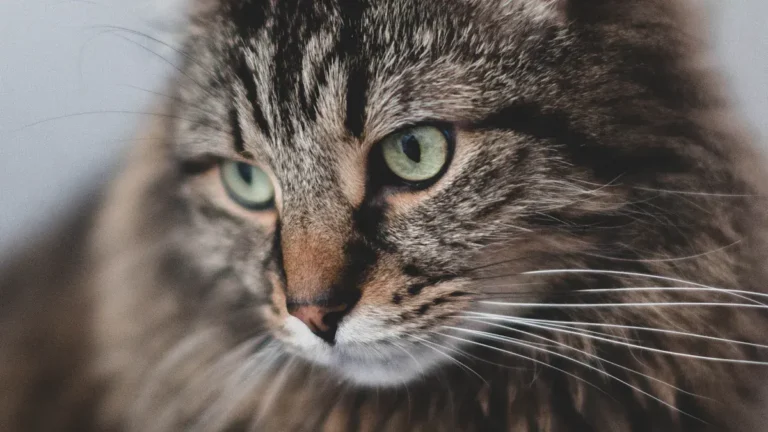

A cat with swollen, watery eyes often has conjunctivitis caused by viruses, bacteria, allergies, or irritation. Gently cleaning crust with a warm, damp cloth and cutting down on dust and smoke helps comfort the cat while arranging veterinary care. A veterinarian will examine the eye, test tear production, and may prescribe topical antibiotics, antivirals, or anti-inflammatory drops plus pain relief. With prompt treatment and attentive home care, most cats recover well and owners can learn about prevention and follow-up.
What Is Conjunctivitis in Cats?
What exactly is conjunctivitis in cats, and why does it make owners worry? Conjunctivitis is inflammation of the thin tissue lining the eyelids and eye surface. It touches key eye anatomy like the conjunctiva and nearby glands.
A cat with this condition often shows redness, discharge, and discomfort. The immune response tries to protect the eye, which can cause swelling and tearing.
Caregivers feel anxious because the signs are visible and upsetting, and they want their cat to belong to a safe, healthy household. The tone here is calm and supportive. Owners should know that prompt attention helps, that the eye links to broader health, and that vets can test and treat so the cat returns to comfort and normal play.
Common Causes of Red, Swollen, and Watery Eyes
Viral infections like feline herpesvirus 1 commonly cause red, swollen, and watery eyes in cats and can make them look tired and uncomfortable.
Allergens and airborne irritants such as pollen, dust, or smoke can trigger similar eye signs and often come and go with the environment.
These two causes often overlap because a virus can weaken defenses and make the eye more sensitive to allergens, so owners should watch for patterns and seek veterinary care if signs persist.
Viral Infections (Fhv‑1)
Many kittens and adult cats will at some point show red, swollen, and watery eyes because of feline herpesvirus 1, a very common respiratory and ocular infection that can seem frightening to a pet owner.
FHV 1 often causes tearing, redness, crusting, and eye pain. Caregivers find comfort in clear steps: seek vet evaluation, clean discharge gently, and follow prescribed antiviral or supportive treatments.
FHV 1 hides in nerve cells and can reactivate, so latent shedding could occur without obvious signs. Vaccination lowers risk but does not guarantee prevention, so vaccine efficacy is a crucial part of discussions with the clinic.
Owners who share experiences and follow guidance feel less alone while managing flare ups and long term care.
Allergens & Irritants
In dusty homes or during spring blooms, cats can develop red, swollen, and watery eyes whenever airborne irritants or allergens touch their delicate eyes or nose. Owners notice tearing, blinking, and rubbing.
Small particles like dust, smoke, and cleaning sprays irritate the eye surface. At the same time seasonal allergens such as pollen or mold provoke immune responses that lead to swelling and discharge.
These causes often overlap, so a cat exposed to both dust and pollen might worsen. A vet exam checks for corneal damage and infection.
Treatment could include gentle cleaning, removing triggers, antihistamine guidance, and anti inflammatory care whenever safe. Home changes and routine vet follow up help the cat feel secure and reduce repeat flare ups.
Recognizing the Signs: Symptoms to Watch For
If a cat’s eyes look red and swollen, it is often the initial sign that something is bothering them and owners should pay close attention.
Abnormal discharge that is watery, cloudy, yellow, or green can point to infection or irritation and needs quick cleaning and veterinary assessment.
Changes in behavior such as squinting, blinking a lot, keeping the eye closed, or pawing at the face usually occur alongside physical signs and help connect symptoms to possible causes.
Redness and Swelling
Around the eye, redness and swelling can be the initial clear sign that a cat is uncomfortable and needs attention.
Observers might notice inflammation in the eyelid anatomy and along the conjunctival surface.
The tear film could deteriorate, making the eye look glossy or irritated.
Caregivers who belong to a pet community often feel worried and seek practical steps together.
Simple checks help: look for puffiness, warmth, and changes in blinking.
These signs often link to infections, irritants, or reduced tear production.
Watch behavior too, such as pawing or hiding.
Gentle cleaning and avoiding strong scents can ease discomfort while arranging veterinary care.
Prompt attention protects eyesight and strengthens the bond between cat and caregiver.
Abnormal Eye Discharge
Noticeable eye discharge signals more than a messy face; it often shows that a cat is uncomfortable and needs help. A range of discharges can appear, from clear watery tears to yellow or green pus. Observers should note color, thickness, and smell because tear composition offers clues about infection, allergy, or dry eye.
Crusty fur and matting form overnight, and frequent wiping can hide how much is present. Eyelid deformities can change how tears spread, causing pooling and chronic wetness. Gentle cleaning reveals whether the eye blinks normally or resists touch.
Caregivers who watch for increasing discharge, changes in color, or uneven tear flow can seek timely exams. Prompt attention helps connect the cat to treatment and comfort.
Behavior Changes Visible
Caregivers will often quickly notice small changes in a cat’s behavior that point to eye discomfort, and these shifts deserve gentle attention. A normally playful cat might show mood shifts, becoming quieter or more irritable. It could blink more, hide in corners, or avoid being picked up. These signs relate to physical pain and also emotional stress, so they frequently appear together.
Social withdrawal can follow, with the cat skipping greeting time, eating alone, or turning away from family members. Observers should watch for changes in sleep patterns, reduced grooming, and less interest in toys. If such behaviors appear alongside tearing, redness, or discharge, prompt veterinary care helps the cat feel safe and supported during recovery.
How Veterinarians Diagnose Eye Infections
How does a veterinarian find the cause whenever a cat’s eyes are swollen and watery? A vet listens with calm, inclusive language, then performs a focused eye exam. They check tear osmolarity and use Schirmer tear tests. Fluorescein staining finds corneal ulcers. Cytology or swabs look for bacteria or viruses. Diagnostic imaging can reveal deeper problems. Bloodwork screens for systemic disease and immune status. Tests are chosen to make the owner feel part of the care team.
| Test | Purpose |
|---|---|
| Schirmer tear test | Measure tear production |
| Fluorescein stain | Detect corneal ulcers |
| Cytology/swab | Identify infectious agents |
| Tear osmolarity | Assess tear quality |
| Diagnostic imaging | Reveal orbital or systemic issues |
Immediate Home Care for a Cat With Eye Discharge
Seeing a cat with watery, crusty eyes can feel alarming, so the initial steps at home should calm the cat and the person caring for it. The caregiver approaches slowly, speaks softly, and holds the cat gently to build trust.
Clean the eye area with a soft, damp cloth using warm water and gentle strokes. For stubborn crusts, apply warm compresses for a few minutes to loosen debris then wipe away softened discharge.
Keep the cat hydrated and offer hydration support with fresh water and wet food to help recovery. Limit bright light and dust, and keep other pets apart to reduce stress.
Monitor the eye for changes and observe any worsening so the caregiver can seek veterinary help as necessary.
Medical Treatments: Antibiotics, Antivirals, and More
Once a cat’s eyes are swollen and watery, medical treatment often begins with medicines that target the likely cause, because prompt care can ease pain and stop infection from spreading.
A veterinarian might prescribe topical antibiotics for suspected bacterial infections and topical antivirals whenever viruses like feline herpesvirus are involved.
Sometimes systemic antibiotics are needed should infection be deeper.
In the event inflammation is severe but infection is ruled out, immune modulators or cautious anti inflammatory drugs can help calm the eye while protecting healing tissues.
Supportive pain relief and saline cleaning link to medication to improve comfort.
Follow up visits allow the care team adjust drugs and dosing.
This shared approach keeps the cat safe and owners involved in recovery.
Managing Underlying Issues and Preventing Recurrence
Medical treatment can calm infection and pain, but preventing swollen, watery eyes means finding what keeps the problem coming back. The caregiver learns to watch for triggers and to practice environmental management, such as reducing smoke, dust, strong fragrances, and pollen in the home. Clean bedding and gentle eye cleansing help stop spread and soothe irritation.
At the same time immune support through good nutrition, stress reduction, and regular vet checks helps cats resist recurring infections. Whenever allergies or tear problems exist, small changes like air purifiers, hypoallergenic litter, or humidifiers can make a big difference. Sharing tips with fellow cat caretakers builds confidence and belonging while keeping eyes clear and cats comfortable over time.
When to Seek Emergency Veterinary Care
In the initial hours after sudden eye changes, a caregiver should act quickly and calmly because some signs mean immediate danger. Should a cat suddenly keeps the eye closed, shows severe swelling, a cloudy or blood-tinged discharge, or extreme sensitivity to light, prompt veterinary attention is needed.
Caregivers should call their emergency contact and describe symptoms, then follow advice. Transport planning matters; place the cat in a secure carrier lined with a soft towel and avoid pressure on the face. Move calmly to reduce stress.
Were trauma occurred or the eye looks injured, seek emergency care without delay. Trusting local clinic hours and keeping emergency contact information visible helps the cat feel safe and supported during the trip.
Long-Term Outlook and Tips to Keep Your Cat’s Eyes Healthy
Hope and steady care matter most whenever a cat has eye problems, and a clear plan helps owners protect sight over the long term.
The cat will need long term monitoring to catch recurrences early. Owners can schedule regular vet checks, track symptoms in a simple diary, and keep medications on time.
At home, gentle cleaning of discharge and prompt attention to squinting help prevent complications. Creating a calm routine ties into environmental enrichment and lowers stress that can trigger flare ups.
Soft bedding, play, and predictable feeds support immunity. Remove smoke, strong cleaners, and dusty litter.
Should signs return, reach out quickly. The community of caregivers shares tips and comfort while working to keep each cat seeing well.