
Cats do not feel guilt like people. They show fear and appeasement whenever an owner reacts sharply, so the tilted head, slow blink, lowered body, or avoidance follow the human tone and not a moral choice. These signals come from learning consequences, not shame. Owners who stay calm, use gentle redirection, and offer treats or play teach better than scolding. Cozy routines and safe spaces reduce stress, and further details explain how to respond kindly.
What “Guilty Look” in Cats Really Signals
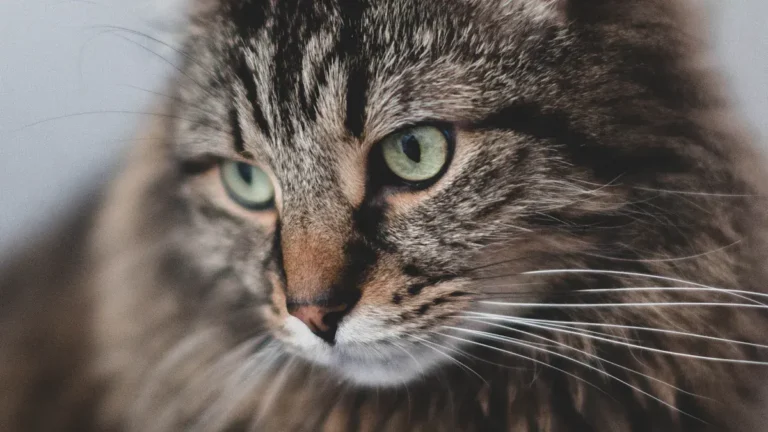
Often a quiet tilt of the head and a slow blink follow a sharp human voice, and an owner reads that as guilt.
The cat then moves slowly, avoids the place, and keeps low posture. Observers might call this a guilty look, yet behaviorists point to subtle appeasement and stress signals instead.
Situational triggers matter a lot. A loud noise, a scolding tone, or a startled reaction create immediate cues the cat learns to read.
The cat links the human response to safety and adjusts body language to calm the situation. This appears like remorse to someone who cares deeply, but it is more about fear and social repair.
People find comfort understanding the pet aims to ease tension and stay close.
Why Cats Don’T Feel Guilt Like Humans Do
Beginning with a simple fact can calm worry: cats do not experience guilt the way people do, because guilt in humans is tied to self‑reflection, moral rules, and the ability to feel responsible for a past action.
Observers often seek connection and belonging, so it helps to know cats act from different mental tools. Cats rely on associative learning and instinct, not complex moral cognition tied to self‑awareness evolutionary roots in humans.
Comparative cognition shows many species solve problems and recall results, yet they do not evaluate actions as right or wrong.
Warm owners can respond with patience, using gentle cues and routines that honor a cat’s nature. This approach respects emotional bonds and avoids misreading fear or stress as moral remorse.
Common Behaviors Mistaken for Remorse
Cat behavior can easily be mistaken for remorse because many postures and actions look like they show regret, yet they usually signal fear, stress, or uncertainty instead.
Observers often read avoiding eye contact, crouching, or hiding as apology, while the cat might be reacting to a loud voice or a startled moment. Play diversion can distract a cat after trouble and appear like guilt relief, but it often serves to reset mood and reduce tension.
Scent marking near an incident might look like claiming fault, yet it reassures territory and comfort. These actions follow human reactions more than the original event.
Recognising fear and appeasement helps people respond with calm, safety, and gentle guidance that strengthens trust and belonging.
How Cats Learn From Consequences, Not Moral Rules
The body language that looks like apology usually comes after a human reaction, so it helps to look next at how learning actually happens in cats. Cats learn through linking their actions to results through consequence conditioning and associative learning. They notice what leads to food, comfort, or avoidance of loud voices. Whenever a human reacts, the cat connects that reaction with the recent event, not with moral guilt. This creates predictable behavior that owners can shape with gentle rewards. Cats belong in homes that offer clear signals, safe spaces, and consistent routines. Trust grows whenever people use patience and treats instead of scolding.
| Action | Result | Typical Response |
|---|---|---|
| Scratching chair | Removed access | Avoidance |
| Jumping table | Offered treat | Repeat |
| Hiding during noise | Comforted | Clinginess |
| Ignoring call | No reward | Less approach |
How Owner Reactions Shape Feline Body Language
Watching a person raise a voice or reach out quickly, a feline body often shifts in ways that look like apology but really show fear or caution. Observers notice owner influence whenever body posture changes after a scolding. The cat lowers its head, tucks its tail, or avoids gaze because owner tone signals threat.
Distance matters too. A close approach distance can make a cat freeze or dart away, whilst gentle steps invite curiosity. People who seek connection feel relief whenever they learn this. They can change how they move, soften their voice, and step back to rebuild trust.
Small consistent changes teach safety better than punishment. The cat then offers more relaxed postures and returns to normal social play.
Emotions Cats Likely Do Experience
Cats clearly show basic feelings like fear, curiosity, and contentment through body language and actions, and caregivers can learn to read those signals with patience and attention.
Many of the behaviors that look like guilt are better explained as stress responses or appeasement after a loud voice or a startling event, so it helps to consider with respect to safety and comfort rather than moral judgment.
Through linking the discussion of primary emotions to stress and appeasement, readers can better understand why gentle, predictable care calms a cat and prevents fearful reactions.
Primary Emotions Present
Affection and fear shape how a cat shows feelings, and those two forces often sit side alongside in simple, readable ways.
A cat’s emotional repertoire includes joy, anger, sadness, surprise, and fear. Owners notice these through vocal tone, body posture, and subtle facial expressions. These signs help people feel connected and understood by their pet.
Cats purr to show contentment and might chirp whenever curious. They hiss or swipe whenever angry and retreat whenever frightened.
The link between affection and fear matters because a warm home reduces fear and lets gentler emotions emerge. Observing patterns builds trust. If someone responds kindly, the cat offers more open signals. This shared language deepens belonging and keeps both safe and comforted.
Stress and Appeasement
In quiet moments after a loud noise or a raised voice, a cat often looks small and wary, showing signs of stress and appeasement rather than guilt.
The cat shrinks, avoids eye contact, and moves slowly. Those stress signals tell a person the cat felt threatened. Appeasement behaviors follow, like lowering the body, tucking the tail, or offering a soft meow.
People who live with cats notice these cues and want to help. The cat’s actions are about safety and calm, not moral judgment.
A caring response is to speak softly, create a quiet space, and offer gentle play or treats. Those steps rebuild trust and honor the bond between human and cat.
Training and Care Strategies That Work Better Than Scolding
Owners who want better behavior from their cat can get more through using positive reinforcement than through scolding, because treats and praise teach what to do while keeping trust intact.
Managing the environment and removing temptations makes it easier for a cat to succeed, and reading stress signals like crouching or hiding helps the caregiver respond with calm support rather than punishment.
These approaches work together to reduce fear, build clear expectations, and strengthen the bond between person and cat.
Use Positive Reinforcement
Many cat caregivers find positive reinforcement more effective than scolding while teaching new behaviors and fixing unwanted ones. A gentle plan uses treat based rewards and short training sessions to build trust and skill. Caregivers offer praise and play whenever the cat does well, so the cat connects action with reward.
Clicker timing helps mark the exact moment of correct behavior, then a treat follows. This clear link reduces fear and confusion and invites cooperation. Families feel included as they share small wins and laugh at odd cat antics.
Patience matters; progress can be slow but steady. Use consistent cues, reward choices the cat likes, and keep tone warm. The result is safer learning and a stronger bond.
Manage the Environment
With gentle adjustments to the home, a caregiver can prevent many problem behaviors and keep a cat calm and confident.
A thoughtful environment reduces stress and replaces scolding with clear supports.
Provide environmental enhancement like climbing shelves, puzzle feeders, and safe hiding spots so curiosity channels into play instead of trouble.
Place litter boxes where the cat feels private and comfortable and check litter placement regularly to avoid accidents.
Offer consistent feeding stations and window perches to build routine and trust.
Soft lighting, quiet zones, and secure resting areas help a cat relax after busy interactions.
Whenever toys, routines, and litter placement work together, a household feels more peaceful and everyone belongs to the same caring team.
Read Stress Signals
A calm home and good hiding spots help prevent trouble, and reading a cat’s stress signals builds on that foundation through turning observation into care. A caregiver notices body posture, vocal cues, and pupil dilation, and then acts to make the cat feel safe.
Simple steps help create belonging and trust.
- Watch body language: crouch, tucked tail, flattened ears mean anxiety and need of space.
- Listen for vocal cues: low growls, sudden yowls, or silence after noise show distress and call for calm.
- Check eyes: wide pupil dilation with stiff posture signals alarm and need to retreat.
These signals link directly to predictable routines and gentle redirection. Responding warmly rather than scolding strengthens the human feline bond.
How Owner Guilt Affects Cat Welfare
For many cat owners, guilt quietly shapes day to day choices and can change a cat’s life in small but meaningful ways. The feeling of owner compensation can lead people to buy toys, extra food, or ignore routine needs. Caregiver burnout might follow, and the cat senses tension. Owners trade outings for cuddle time and sometimes avoid vet visits due to cost worries.
| Owner action | Cat effect | Owner feeling |
|---|---|---|
| Extra treats | Weight gain | Relief then worry |
| Skipped vet | Missed care | Shame |
| More play | Bonding | Joy |
This shifting ties owner behavior to cat welfare. Gentle routines, clear limits, and shared support help both feel safer and more connected.