
You often hear the term ‘gentle giant’ for many large dog breeds. These magnificent dogs possess imposing size yet display a remarkably calm and gentle temperament. Many gentle giant dog breeds are incredibly patient and loyal, making them excellent companions. They fit well into a family environment. Their gentle nature often surprises people, proving that size does not equal aggression. You will find them protective and loving members of your family.
Key Takeaways
Gentle giant dogs are large breeds with calm and kind personalities. They are often affectionate and loyal.
These large, gentle dogs offer security and patience, making them great family pets, especially with children.
Proper training and socialization are important for large dogs. This helps them become well-behaved family members.
Large dog breeds need enough space and regular exercise. They also have specific health needs and costs to consider.
Understanding Gentle Giant Dog Breeds
Defining Gentle Giants
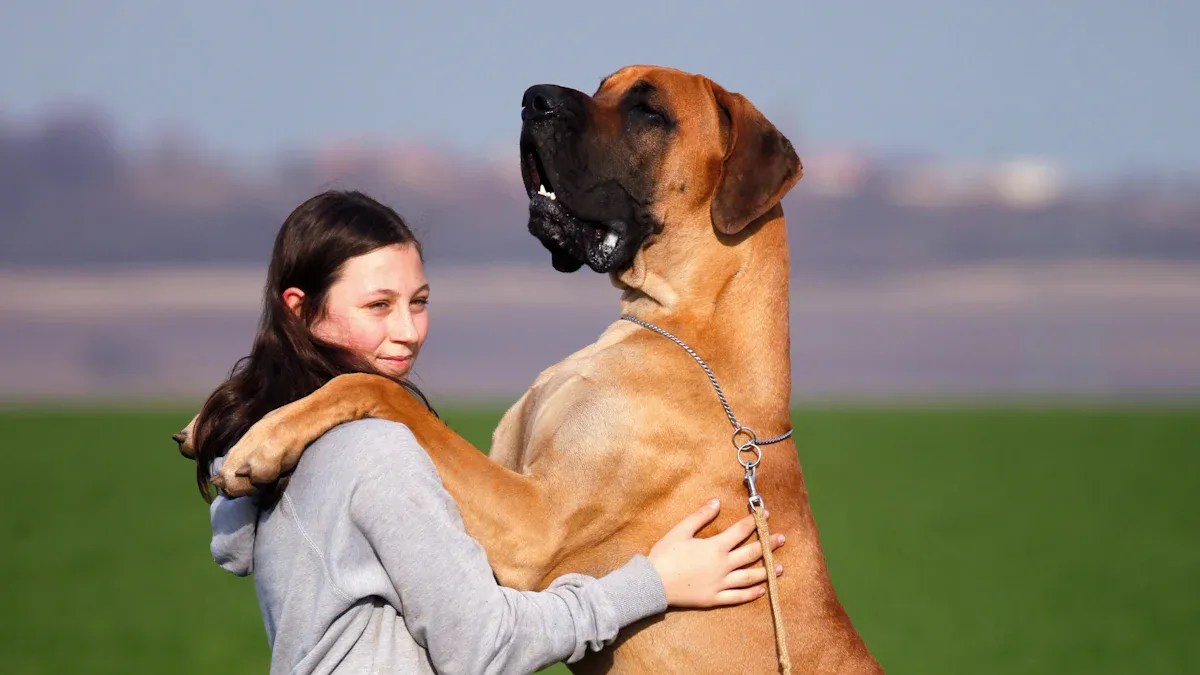
A “gentle giant” describes a dog’s personality, not just its size. These large dog breeds possess a calm and kind disposition. They are often affectionate and friendly.
Many people think of Great Danes, Saint Bernards, or Mastiffs when they hear this term. These breeds show a truly gentle nature. They are known for their unwavering loyalty to their families. Their gentle temperaments make them wonderful companions. They are often good with children. For instance, Great Danes are famous for their affectionate nature and calm demeanor. Saint Bernards are patient and loyal. Mastiffs are protective yet very affectionate, thriving on companionship.
Family Benefits of Large, Gentle Dogs
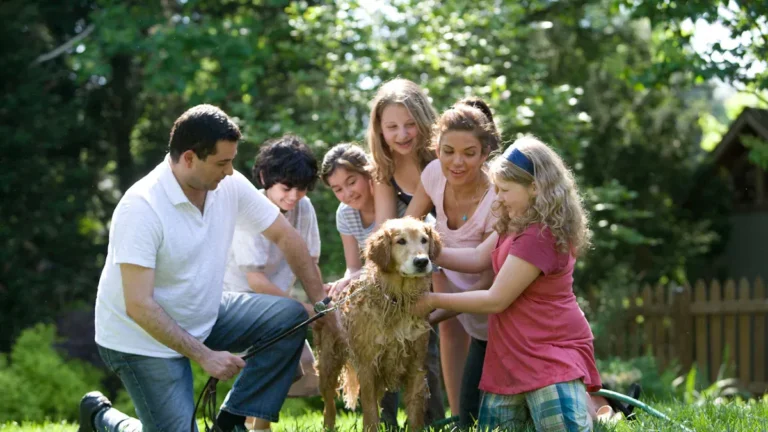
Large, gentle dogs offer many benefits to a family. They provide a sense of security. Their calm demeanor can bring peace to a home. These dogs are often very patient. This makes them excellent with children. They become loyal family companions.
You will find them protective of your loved ones. A large, gentle dog can truly be an ideal family pet. They thrive on companionship and bond closely with their family members. Leonbergers, for example, are known for their kind and gentle disposition, making them excellent family pets. Newfoundlands also have a gentle spirit and often protect children.
Addressing Misconceptions About Large Breeds
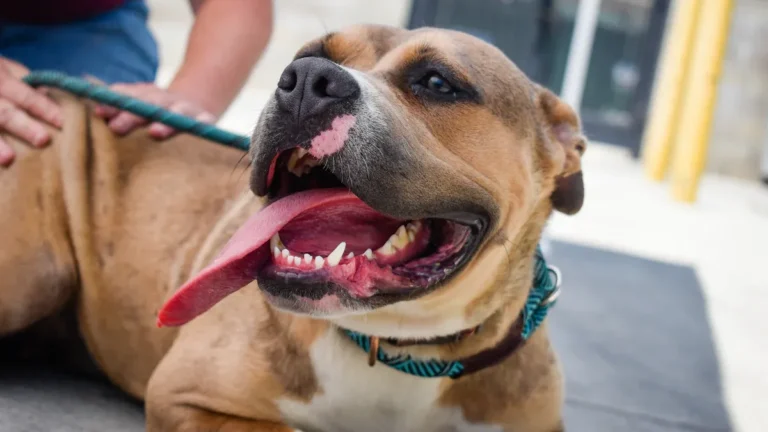
Some people worry about the size of large dog breeds. They might think big dogs are aggressive. This is a common misconception. A dog’s behavior comes from its training and environment. It does not just come from its breed. For example, “bully breeds” like Pit Bulls are not inherently aggressive. Their behavior is shaped by their experiences and individual personality.
When raised in loving homes, many “bully breeds” are people-pleasing and tolerant. They can be excellent companions. Huskies are also sometimes called “wild” or “crazy.” However, they are intelligent and social. They need proper exercise and mental challenges. Behaviors like digging or howling often come from being under-challenged. With good care, many large dog breeds are excellent pets. You can have a wonderful companion.
Top 15 Gentle Giant Dog Breeds for Families
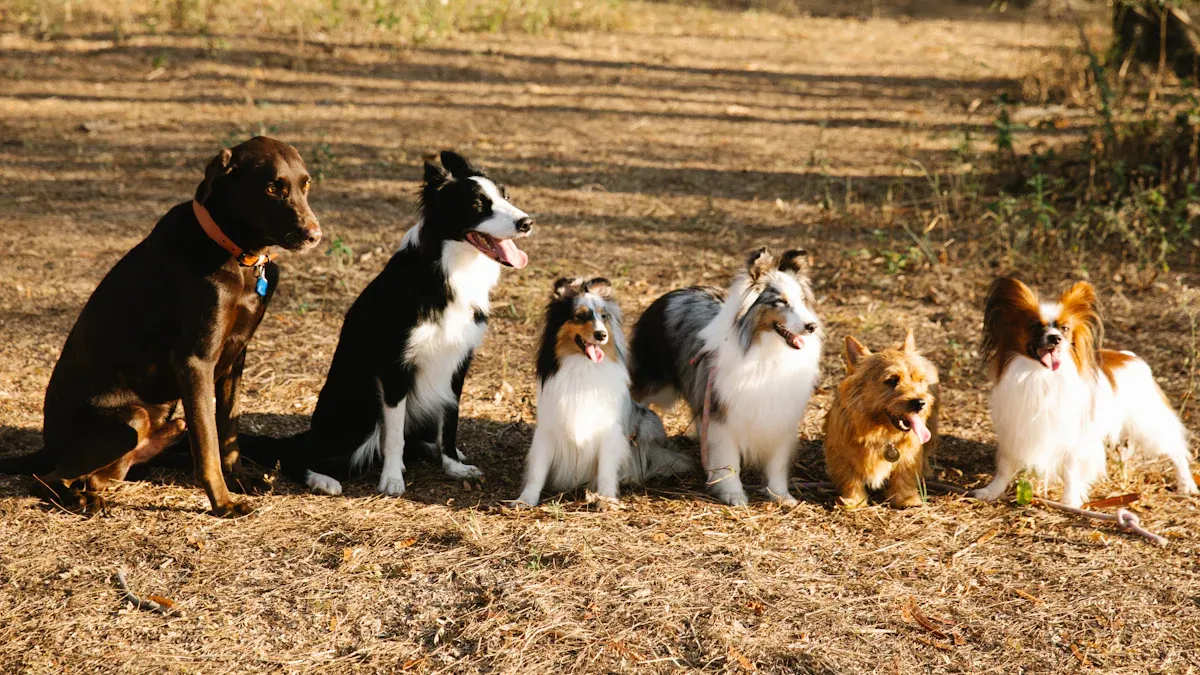
You want to find the best giant dog breeds for your home. These dogs offer companionship and protection. You will discover many wonderful choices. Here are 15 of the best giant dog breeds that make excellent family pets.
Newfoundland
Newfoundland dogs are famous for their sweet and gentle nature. You will find them patient and devoted. They are often called “nanny dogs” because they are so great with children. These large dog breeds love to swim. They enjoy being part of all family activities.
Characteristic | Male (Adult) | Female (Adult) |
|---|---|---|
Height | 71 cm (28 in) | 66 cm (26 in) |
Weight | 65–80 kg (143–176 lb) | 55–65 kg (121–143 lb) |
You need to provide regular grooming for their thick coats. This helps prevent mats.
Great Dane
Great Danes are truly gentle giants. They possess a calm and friendly disposition. You will find them affectionate and loyal to their family. They are often good with children and other pets. Their imposing size can be a deterrent to strangers. However, they are not aggressive. You can expect a Great Dane to live about 7 to 10 years. A 2024 UK study found the average life expectancy of Great Danes to be 10.6 years. These are some of the best giant dog breeds for a loving home.
Bernese Mountain Dog
Bernese Mountain Dogs are famously gentle and make great snuggle partners. You will love their affectionate and loyal personality. They are known for their calm demeanor. This makes them great with children and other animals. They thrive on human companionship. You need to provide them with enough exercise.
Bernese Mountain Dogs need a minimum of 30 minutes of exercise per day. Over an hour is even better.
They are energetic and require an hour or more of daily exercise. This helps them maintain a healthy weight and prevents destructive behaviors.
You should split exercise into a few treks throughout the day. They lack stamina for long periods of strenuous activity.
Warm climates are difficult for them. They are prone to overheating and heatstroke. You must exercise caution in hot or humid weather.
Healthy Bernese Mountain Dogs can run up to four miles in cool weather. Avoid excessive running until they are fully grown (around two years old). This prevents bone, joint, and ligament damage.
Saint Bernard
Saint Bernards are considered gentle giants. They are known for their laid-back and patient temperament. You will find them very loyal to their family. They can reach up to 300 pounds. They are great with children. You must be aware of their health needs.
Lymphoma: This cancer affects the lymphatic system.
Cardiac Disease: This includes conditions like cardiomyopathy.
Hip Dysplasia: This causes pain and limits movement.
Osteoarthritis: This is a degenerative joint disease.
Bloat (GDV): This is a medical emergency common in deep-chested breeds.
Golden Retriever
Golden Retrievers are one of the best giant dog breeds for families. They are excellent for families with children. You will appreciate their friendly and patient dispositions. They are also very intelligent.
Golden Retrievers are widely recognized as easy to train. This is due to their high intelligence, desire to please, and social nature. They are docile, affectionate, and clever. They consistently deliver excellent results in training. Their adaptability and affinity for social interactions further contribute to their trainability. This makes them excellent companion dogs.
Labrador Retriever
Labrador Retrievers are another top choice for families. They are known for their friendly and outgoing personalities. You will find them to be loyal family companions. They are great with children and other pets.
Labrador Retrievers are known for their unwavering loyalty to their human families. When you bring a Lab into your home, you gain a steadfast friend who will stick by your side through thick and thin. These dogs form strong bonds with their owners and love nothing more than spending time with you. They’ll happily join you for a walk, cuddle up on the couch, or simply lie at your feet while you work.
They show their love by greeting you, wanting to sit next to you, and making eye contact.
Irish Wolfhound
Irish Wolfhounds are the tallest dog breed globally. Some stand up to 3 feet tall. Adult Irish Wolfhounds typically stand 81–86 cm (32–34 inches) tall. Despite their size, they have a gentle nature.
You will find them calm and dignified. They are loyal to their family. They are generally good with children. You need to provide them with enough space and exercise.
Mastiff (English Mastiff)
Mastiffs are massive yet loyal and gentle. They are one of the best giant dog breeds for protection. You will find them to be affectionate dog companions. They are protective of their human families. This protective nature is particularly evident around strangers. This trait requires tempering through early socialization and responsive training. Their fundamental protective nature and unwavering loyalty make them perfect guard dogs. They will not hesitate to protect your loved ones.
Great Pyrenees
Great Pyrenees dogs are known for their strong loyalty and protectiveness. They have a calm demeanor. They were originally livestock guardians. You will find them to be watchful and devoted.
Historically, the Great Pyrenees was used as a livestock guardian in the French Alps and Pyrenees. They protected flocks from predators like wolves and bears. In the United States, they also protect flocks from various predators. Their ancestors were white livestock guardian dogs brought from Asia in Roman times. They became the royal dog of France in 1675.
Leonberger
Leonbergers are known for their gentle nature and serene temperament. The American Kennel Association recognizes this. You will find them to be loving and good with children and other pets. This makes them great family dogs.
They have a gentle and loving nature. This makes them good with children and other pets.
They are loyal to their family and protective. They also serve as good watchdogs.
They are intelligent and relatively easy to train, though they can be stubborn.
They are active and playful. They require significant exercise and playtime.
Borzoi
Borzoi dogs are elegant and graceful. They have a calm and independent temperament. You will find them affectionate with their family. They are generally good with older children. Their long, silky coats require regular grooming.
Brushing: Brush long hair twice a week with a pin brush and metal comb. This removes tangles. During seasonal shedding, or if you live in a warm climate, daily brushing is necessary.
Bathing: Borzois are generally clean. Their coat repels dirt. You do not need to bathe them frequently.
Nail Care: Gradually trim their nails. Provide positive reinforcement and treats.
Scottish Deerhound
Scottish Deerhounds are noble and gentle. They are known for their quiet and dignified nature. You will find them loyal and affectionate with their family. They are generally good with children. They need space to run.
Males: 85 to 110 pounds (39 to 50 kg)
Females: 75 to 95 pounds (34 to 43 kg)
You need to provide them with regular exercise.
Anatolian Shepherd Dog
Anatolian Shepherd Dogs are powerful and protective. They possess strong guarding instincts. You will find them loyal and independent. They are excellent guardians for your family.
The Anatolian Shepherd Dog is known for its strong guarding instincts. These are a fundamental aspect of its temperament. These dogs are inherently protective of their flock or family. They exhibit a natural inclination to survey their surroundings. They react to perceived threats. Their guarding behavior is not typically aggressive without provocation. It is characterized by vigilance and a readiness to defend. This breed’s historical role as a livestock guardian has ingrained a deep-seated protective drive. This makes them excellent guardians. They are attentive to their environment and the well-being of those they protect.
Cane Corso (with proper training/socialization)
Cane Corsos are powerful and intelligent. With proper training and socialization, they can be devoted family members. You will find them protective and loyal. They are great with children when raised correctly.
Essential socialization techniques for a Cane Corso puppy include focusing on socialization and habituation during the first week of training. This builds confidence. The training program should be customized to the puppy’s environment. This exposes them to relevant stimuli. Consistent training in these early weeks is crucial for developing a well-adjusted and socialized dog.
Dogue de Bordeaux
Dogue de Bordeaux dogs are known for their calm and gentle temperament. They are extremely loyal to their families. You will find them patient and affectionate with children. They are one of the best giant dog breeds for a relaxed home.
They remain calm even in chaotic environments.
Their protective instincts make them ideal guardians.
These dogs are incredibly loyal and affectionate.
They show patience with children, even young toddlers.
Their lower energy levels suit quieter, family settings.
Their large size is balanced by their gentle nature.
They often act as guardians for kids in the household.
Important Considerations for Large Dog Breeds
Bringing a large dog into your home requires careful thought. You need to understand their specific needs. This ensures a happy life for both you and your pet.
Space Requirements
Large dogs need more space than smaller breeds. You should have enough room indoors for them to move comfortably. A secure outdoor area is also beneficial. This allows them to stretch their legs. Consider your living situation before adopting a large dog.
Exercise Needs
Large dog breeds need regular exercise. Most adult large dog breeds generally require about 1 to 2 hours of exercise daily. You can divide this into multiple sessions. High-energy breeds need more intense activity. More relaxed breeds might need less.
Breed Group | Daily Exercise Requirement |
|---|---|
Herding Group | 60-90 minutes of vigorous exercise daily. |
Sporting Group | 60-90 minutes of daily exercise. |
Working Group | 30-120 minutes of exercise daily, varies by breed. |
Terrier Group | 45-60 minutes of vigorous exercise daily. |
Hound Group | 30-90 minutes daily, varies by type. |
Non-Sporting Group | 30-90 minutes daily, varies by breed. |
Toy Group | 20-30 minutes of light exercise daily. |
Mixed Breeds | At least 30-60 minutes of moderate activity daily. |
Training and Socialization Essentials
Training is crucial for large dogs. You need the right tools. These include a properly sized harness, a crate, and leads. A clicker and high-value treats are also helpful. High-value treats are very useful for training large dogs. Choose treats made from natural ingredients. Focus on key behaviors. Teach loose leash walking and impulse control. Prevent jumping and counter-surfing.
Health and Lifespan
Large dog breeds can face specific health challenges. You should be aware of these.
Hip dysplasia: This causes hip joint instability.
Arthritis: This leads to joint pain and stiffness.
Wobbler syndrome: This affects the neck and spine.
Dilated cardiomyopathy: This is a heart disease.
Bloat (Gastric Dilation Volvulus): This is a life-threatening stomach condition.
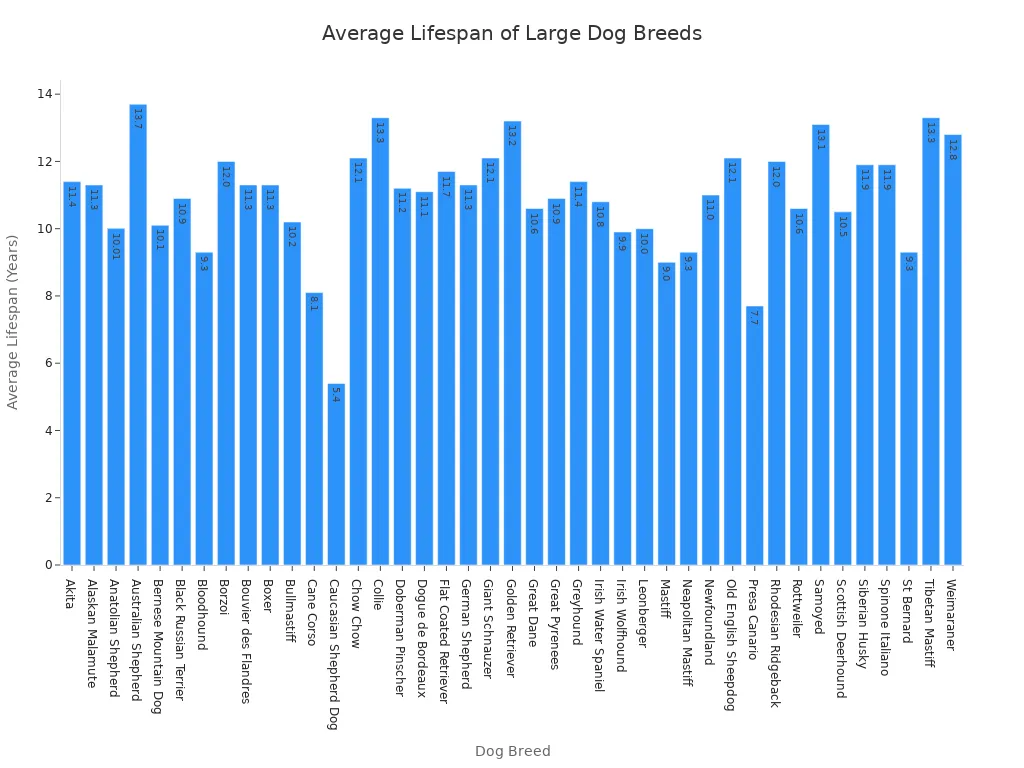
Large-breed dogs generally live 9–12 years. Giant-breed dogs have a shorter average lifespan of 8–10 years.
Breed | Average Lifespan (Years) |
|---|---|
Akita | 11.4 |
Great Dane | 10.6 |
Irish Wolfhound | 9.9 |
Newfoundland | 11.0 |
Saint Bernard | 9.3 |
Golden Retriever | 13.2 |
Rottweiler | 10.6 |
Cost of Ownership
Owning a large dog involves significant costs. Food is a major expense.
Dog Food Type | Monthly Cost Range | Annual Cost (Average/Budget) |
|---|---|---|
Lower Quality | $30 – $75 | ~$600 |
Quality | $150 – $300 | ~$2700 |
The annual cost of dog food changes based on food type, age, size, and breed. You also need to budget for vet visits, grooming, and supplies. These costs add up.
You now understand what makes a large dog a gentle giant. These magnificent dogs offer wonderful companionship for your family. Always research thoroughly and commit to their specific needs. A well-chosen large dog becomes a loving, protective, and gentle addition to your home. You must understand their unique characteristics for a happy life together.