
Did you know that the Inaccessible Island Rail is the world’s smallest flightless bird? This tiny avian marvel measures only 13 to 15.5 centimeters in length and weighs just 34 to 49 grams. In contrast, the ostrich, the largest flightless bird, can tower up to nine feet tall! With an estimated population of only 9,100 to 12,200 individuals, understanding the habitat and conservation status of the Inaccessible Island Rail becomes crucial. Protecting this unique species helps maintain the biodiversity of its fragile ecosystem.
Key Takeaways
The Inaccessible Island Rail is the world’s smallest flightless bird, measuring only 13 to 15.5 cm in length.
This bird lives exclusively on Inaccessible Island, which has no invasive mammal species, helping it thrive.
The Inaccessible Island Rail communicates through various vocalizations, which are essential for social interactions and territory establishment.
Conservation efforts are crucial to protect the Inaccessible Island Rail from threats like invasive species, as its population is currently vulnerable.
You can support wildlife conservation by raising awareness and backing organizations that protect unique species like the Inaccessible Island Rail.
Inaccessible Island Rail Identification
Physical Traits
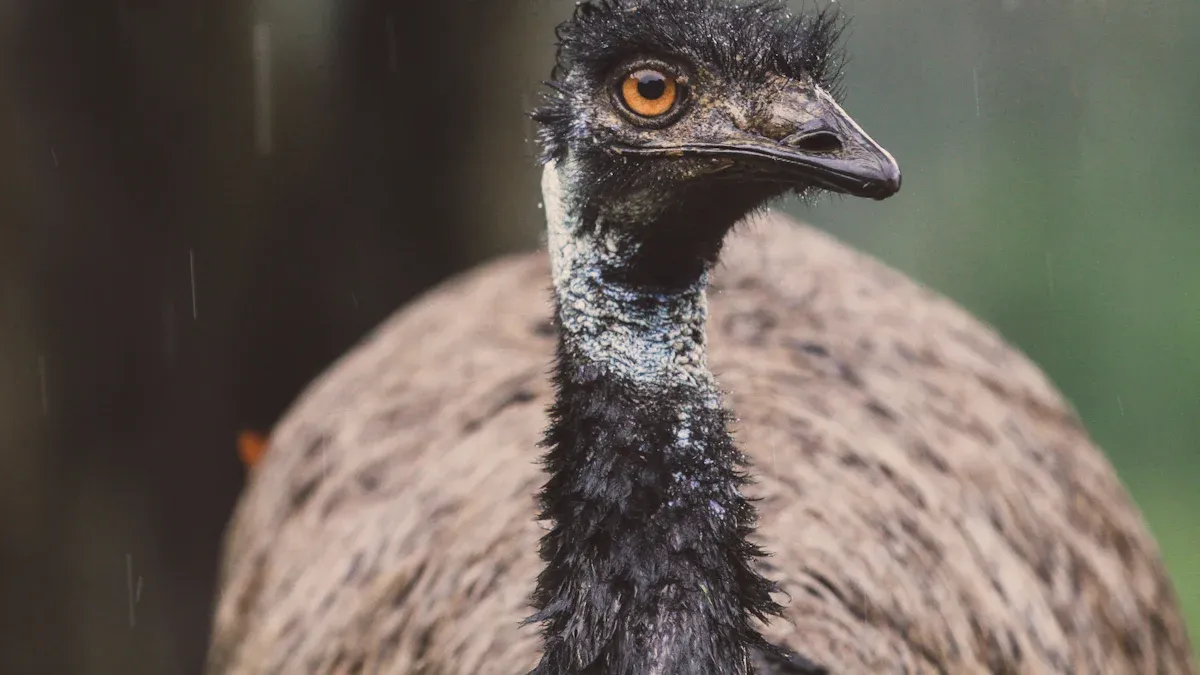
The Inaccessible Island Rail boasts several distinctive physical characteristics that make it unique among birds. Here’s a closer look at its features:
Characteristic | Description |
|---|---|
Size | Measures between 13 and 15.5 cm (5.1 to 6.1 inches) in body length. |
Weight | Weighs between 34 and 49 grams (1.2 to 1.7 ounces). |
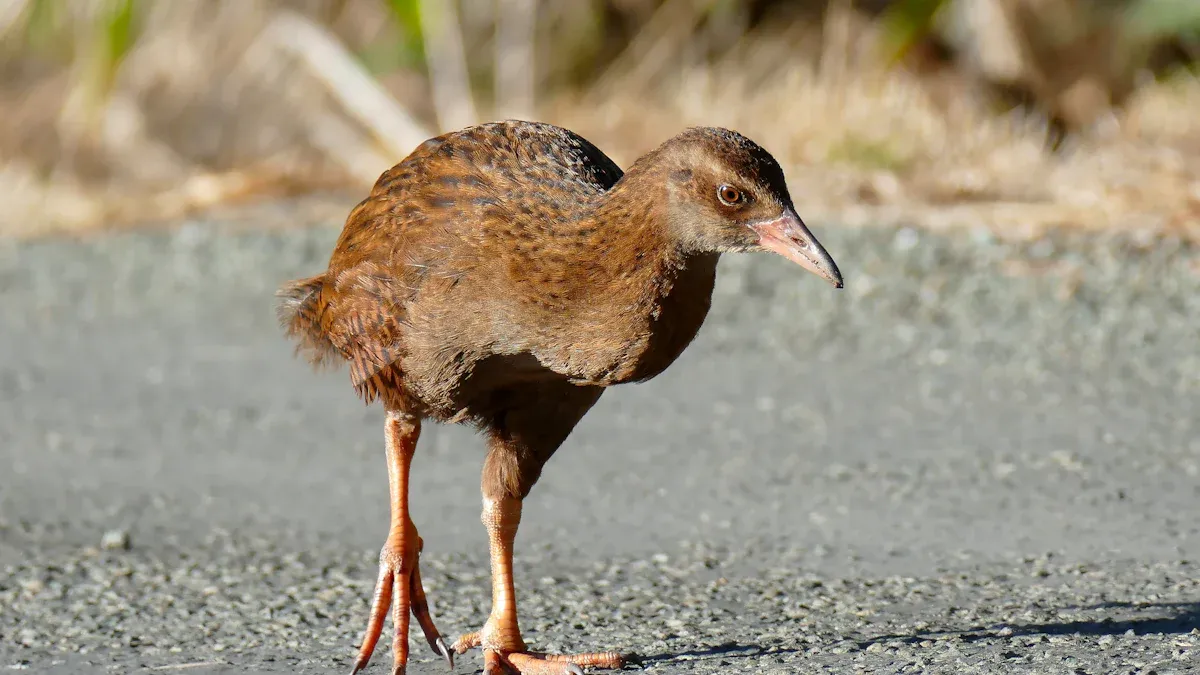
Plumage | Dark chestnut-brown upperparts, dark grey underparts with white barring. |
Head | Uniform dark grey with striking red eyes. |
Bill | Short, black, tapering gently, shorter than the head. |
Tail | Reduced to around 3.5 cm, with coverts nearly as long as tail feathers. |
Flight Structures | Heavily reduced wings, non-functional flight feathers. |
These traits highlight the bird’s adaptation to its environment. The Inaccessible Island Rail’s small size and weight allow it to navigate through dense vegetation easily. Its plumage provides camouflage against predators, while its reduced wings reflect its flightless nature.
Vocal Behavior
The vocal behavior of the Inaccessible Island Rail is as fascinating as its physical traits. This bird is known for its frequent vocalizations, which serve various purposes:
Contact calls: Used by pairs and families while eating.
Long trill: Employed when pairs meet or when confronting rivals.
Chirping sound: A long sound, “keekeekeekeekee,” used in rival interactions.
Post-fight call: The winning bird may call out “weechup weechup.”
Hunting sound: A quiet “tchik tchik tchok tchik” is made while hunting.
Alarm call: A short, sharp “chip” is used to signal the presence of predators.
Trilling calls: Different trills are made during incubation, especially when partners switch places.
These vocalizations not only facilitate communication among individuals but also play a crucial role in establishing territory and attracting mates. The Inaccessible Island Rail’s calls can vary in pitch and duration, making them distinct from other rail species. For instance, its territorial call resembles a double note keee-krrrrrr, similar to the Black Rail’s call.
Understanding these aspects of the Inaccessible Island Rail helps you appreciate its role in the ecosystem and the importance of its conservation.
Habitat of the Inaccessible Island Rail
Geographic Range
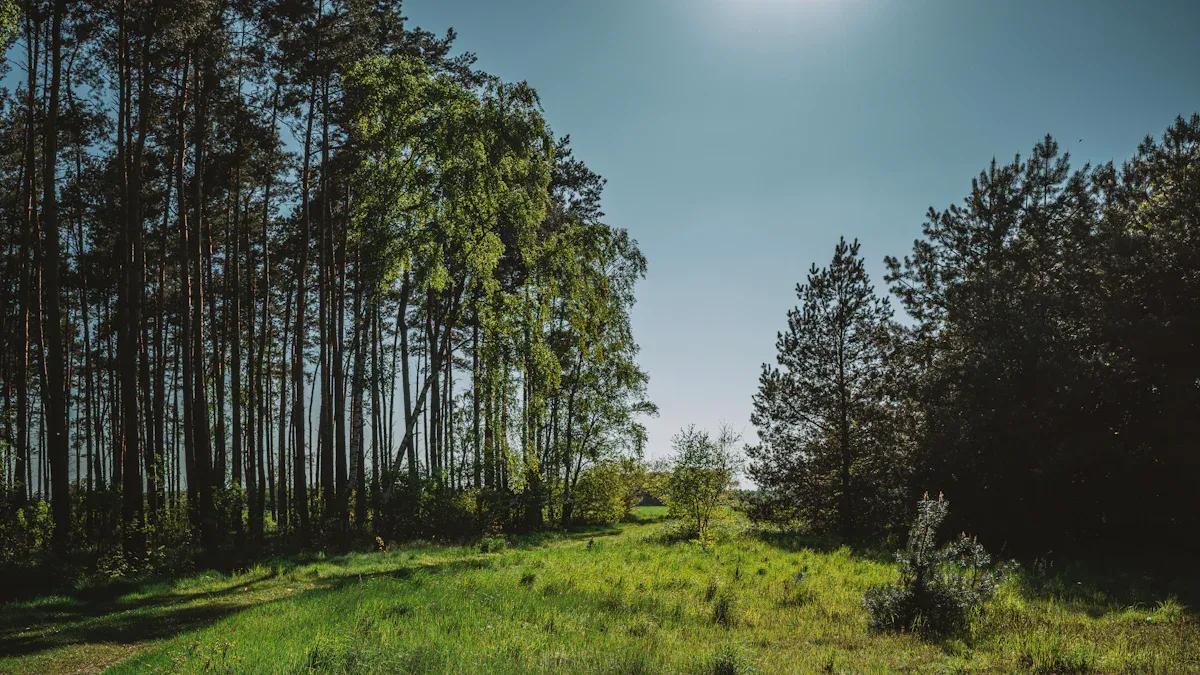
The Inaccessible Island Rail resides exclusively on Inaccessible Island, located in the South Atlantic Ocean. This remote island lies approximately 31 kilometers (19 miles) south-west of Tristan da Cunha. Here’s a summary of its geographic features:
Feature | Description |
|---|---|
Location | South Atlantic Ocean |
Distance | 31 km (19 mi) south-west of Tristan da Cunha |
Highest Point | Swale’s Fell, 581 m (1,906 ft) |
Area | 12.65 km² (4.88 sq mi) |
This isolated habitat plays a crucial role in the survival of the Inaccessible Island Rail. The bird thrives in this unique environment, which remains free from invasive mammal species that could threaten its population.
Environmental Features
Inaccessible Island offers a variety of environmental features that support the Inaccessible Island Rail population. The island’s ecosystem is rich and diverse, providing essential resources for the birds. Here are some key aspects of the environment:
Inaccessible Island has a unique ecosystem with no invasive mammal species, which is crucial for the survival of the Inaccessible Island Rail.
The island is home to endemic species, including the Gough bunting and the flightless Gough moorhen, which thrive in its unspoiled habitat.
The surrounding waters support marine mammals like the southern right whale and dusky dolphin, contributing to the ecological balance necessary for the rail’s habitat.
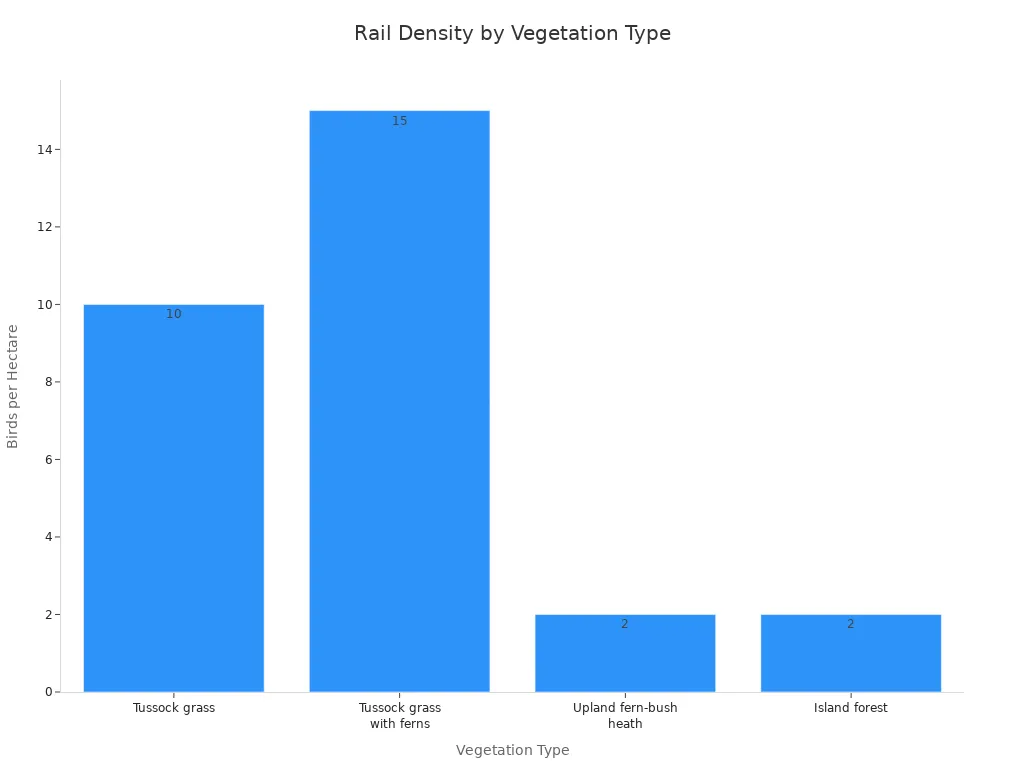
The vegetation on Inaccessible Island also plays a significant role in the life of the Inaccessible Island Rail. The bird prefers specific types of vegetation, which provide cover and foraging opportunities. Here’s a breakdown of the vegetation types and their density:
Vegetation Type | Density (birds per hectare) | Location Description |
|---|---|---|
Tussock grass (Spartina arundinacea) | 10 | Found close to the shore, surrounding steep cliffs. |
Tussock grass mixed with ferns | 15 | Close to the shore, surrounding steep cliffs. |
Upland fern-bush heath | 2 | Dominated by wind-stunted tree-ferns. |
Island forest | 2 | Central plateau, dominated by Island Cape myrtle. |
Beaches (foraging) | N/A | Among boulders on the beaches. |
Short dry grasses on cinder cones | N/A | Not commonly found here, but not ruled out. |
These environmental features create a suitable habitat for the Inaccessible Island Rail, allowing it to thrive in its isolated setting. Understanding these aspects of its habitat is vital for conservation efforts aimed at protecting this remarkable bird.
Behavior and Diet
Feeding Habits
The Inaccessible Island Rail has specific feeding habits that reflect its unique environment. You will find this bird foraging primarily on the ground. It searches for food among the dense vegetation of Inaccessible Island. The diet mainly consists of:
Insects: These small creatures provide essential protein.
Seeds: The rail consumes various seeds found in its habitat.
Fruits: Occasionally, it eats fruits that fall from nearby plants.
The Inaccessible Island Rail uses its short, strong bill to probe the ground and uncover hidden food sources. This behavior helps it adapt to the limited food availability on the island. The bird often forages alone or in small family groups, which allows it to efficiently locate food.
Social Interactions
Social interactions among Inaccessible Island Rails are vital for their survival. You may observe these birds communicating through their vocalizations, which play a significant role in their social structure. Here are some key aspects of their social behavior:
Pair bonding: Rails form strong pair bonds during the breeding season. They work together to raise their young.
Family groups: After hatching, the chicks stay with their parents for several weeks. This family unit helps protect the young from predators.
Territorial displays: Males often engage in vocal displays to establish territory. They call out to warn other males to stay away.
These social behaviors enhance the Inaccessible Island Rail’s chances of survival in its isolated habitat. By working together, they can find food, raise their young, and defend their territory against potential threats.
Breeding and Conservation Status
Nesting Practices
The Inaccessible Island Rail has unique nesting habits that reflect its adaptation to the island’s environment. You will find these birds nesting at ground level within dense vegetation. They prefer areas rich in tussock grass and ferns. Their nests are typically dome-shaped, constructed from local plant materials. Each nest features a single entrance connected by a narrow tunnel.
Breeding occurs between October and January, which is late summer in the region. During this time, females usually lay a clutch of 2 eggs. Here’s a quick overview of their nesting practices:
Clutch Size | Laying Period |
|---|---|
2 eggs | October to January |
The Inaccessible Island Rail forms lifelong pair bonds, demonstrating strong monogamous behavior. This commitment helps ensure the survival of their young, as both parents participate in caring for the chicks.
Conservation Challenges
Despite their unique adaptations, the Inaccessible Island Rail faces significant conservation challenges. The current population is around 5,500 mature birds, making them vulnerable. One of the primary threats is the potential introduction of invasive species, particularly mammalian predators like house mice and brown rats. These predators are not currently on the island but are present on nearby islands. Their introduction could lead to drastic population declines or even extinction.
Here are some key threats to the Inaccessible Island Rail:
Threat Type | Extinct Species Impact (%) | Threatened Species Impact (%) |
|---|---|---|
Invasive Predators | 96% | 62% |
Over-hunting | 54% | 38% |
To combat these threats, conservation efforts focus on restricting access to the island and researching the causes of bird mortality. The IUCN Red List currently classifies the Inaccessible Island Rail as Vulnerable (VU), with a stable population trend. Protecting this remarkable bird requires ongoing vigilance and commitment to conservation initiatives.
The Inaccessible Island Rail, the world’s smallest flightless bird, showcases unique adaptations that allow it to thrive in its isolated habitat. You learned about its distinctive physical traits, vocal behaviors, and feeding habits. The conservation status of this bird remains precarious, with a population of around 5,500 individuals.
Conservation efforts are vital to protect the Inaccessible Island Rail from potential threats, especially invasive species. Organizations like the RSPB and the UK Government play crucial roles in funding and supporting projects aimed at safeguarding this species. You can contribute to wildlife conservation initiatives by raising awareness and supporting organizations dedicated to protecting unique species like the Inaccessible Island Rail.
Together, we can help ensure that this remarkable bird continues to thrive in its natural habitat.
FAQ
What is the Inaccessible Island Rail’s primary diet?
The Inaccessible Island Rail primarily eats insects, seeds, and fruits. You can find it foraging on the ground, searching through dense vegetation for food.
Where can you find the Inaccessible Island Rail?
You can find the Inaccessible Island Rail exclusively on Inaccessible Island, located in the South Atlantic Ocean, about 31 kilometers southwest of Tristan da Cunha.
How does the Inaccessible Island Rail communicate?
The Inaccessible Island Rail communicates through various vocalizations. It uses contact calls, trills, and alarm calls to interact with family members and establish territory.
What are the main threats to the Inaccessible Island Rail?
The main threats to the Inaccessible Island Rail include potential invasive species, particularly mammalian predators. These could drastically impact its population if introduced to the island.
Why is conservation important for the Inaccessible Island Rail?
Conservation is crucial for the Inaccessible Island Rail because its population is vulnerable. Protecting this species helps maintain biodiversity and ensures the survival of its unique ecosystem.