
Yes, seagrass is generally considered Seagrass Safe for rabbits, but you should take some precautions. Monitor your rabbit for any signs of allergies or digestive issues, as some may react negatively. Understanding the benefits and risks of seagrass helps ensure your furry friend stays healthy and happy.
Key Takeaways
Seagrass is a nutritious addition to your rabbit’s diet, providing essential fiber that supports digestion and dental health.
Monitor your rabbit for any signs of allergies when introducing seagrass, and consult a veterinarian if you notice any discomfort.
Seagrass mats are safe for chewing, promote dental hygiene, and offer a comfortable surface for your rabbit to rest on.
Seagrass Safe for Rabbits
Nutritional Value
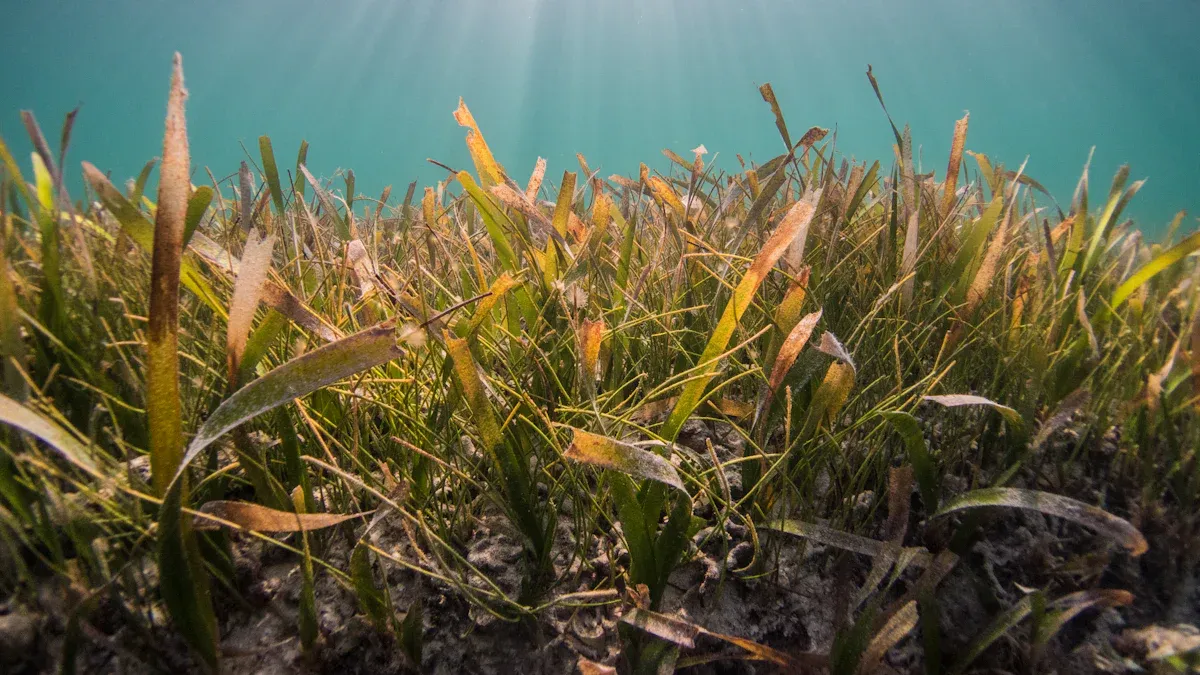
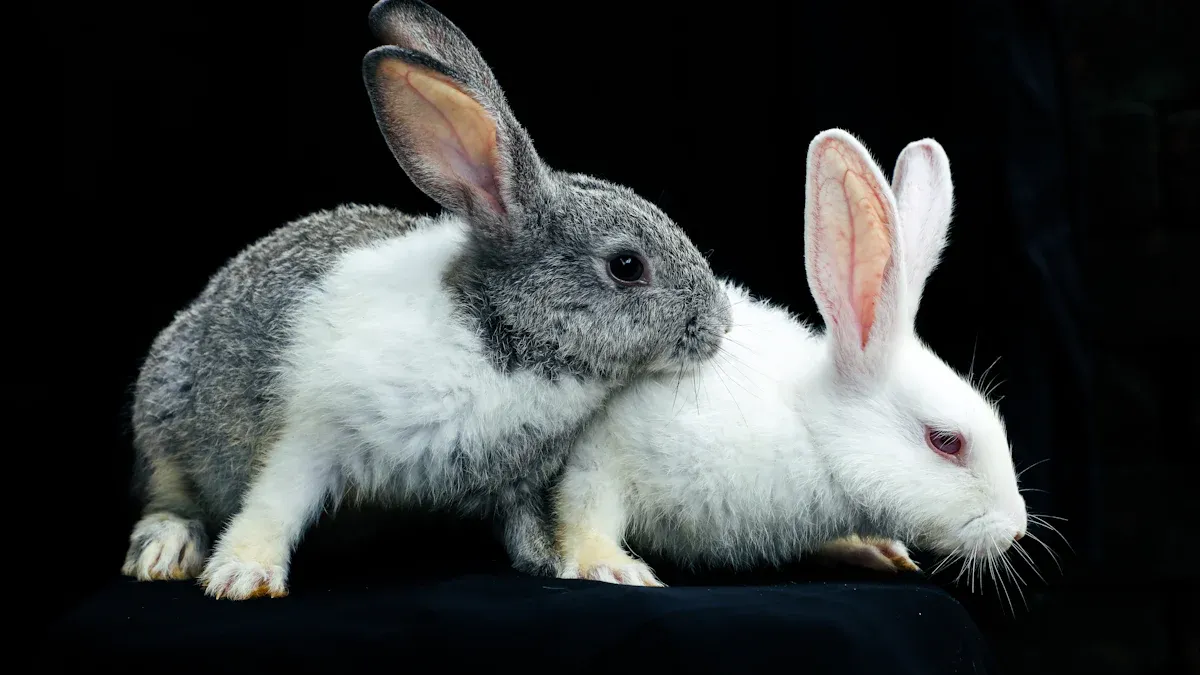
Seagrass is a fantastic addition to your rabbit’s diet. It offers several nutrients that can benefit their health. One of the standout features of seagrass is its high fiber content. Fiber plays a crucial role in digestion and helps maintain dental health in rabbits. When you provide your rabbit with seagrass, you’re giving them a tasty way to support their digestive system. Here are some key nutritional benefits of seagrass:
Rich in Fiber: This helps keep your rabbit’s gut healthy and functioning well.
Supports Dental Health: Chewing on fibrous materials like seagrass can help wear down your rabbit’s teeth, preventing dental issues.
Chewing Safety
When it comes to chewing safety, seagrass is a great option for your furry friend. Seagrass mats are designed specifically for rabbits, making them a safe choice for chewing. Here are some reasons why you can feel confident about letting your rabbit enjoy seagrass:
Seagrass mats are 100% chew-friendly. Your rabbit can gnaw on them without any worries.
They are inexpensive and disposable, making them a practical choice for pet owners.
These mats provide a fun texture that encourages natural chewing behavior.
While seagrass is generally safe, it’s essential to monitor your rabbit’s reactions when introducing it to their diet. Some rabbits may have allergies or sensitivities, so keep an eye out for any signs of discomfort. If you notice anything unusual, consult your veterinarian.
By understanding the nutritional value and chewing safety of seagrass, you can confidently incorporate it into your rabbit’s diet. Just remember to provide unlimited hay alongside seagrass for a balanced diet!
Seagrass Benefits
Dental Health
Seagrass mats offer fantastic benefits for your rabbit’s dental health. When your rabbit chews on these mats, they help wear down their teeth effectively. The fibrous texture of seagrass provides a natural sanding effect, similar to hay. This is crucial because rabbits’ teeth grow continuously throughout their lives. If they don’t wear down properly, it can lead to dental issues.
In fact, studies show that chewing fibrous materials like seagrass mats promotes dental health better than untreated wood. The silica present in seagrass contributes to this tooth wear, ensuring your rabbit maintains the proper length and shape of their teeth. So, by providing seagrass mats for rabbits, you’re not just giving them something to chew on; you’re actively supporting their dental hygiene.
Protective Layer
Another great benefit of seagrass mats is the protection they offer for your rabbit’s feet. These mats create a soft, comfortable surface for your pet to rest and play on. The gentle texture is perfect for sensitive paws, reducing the risk of injuries or discomfort.
Here’s a quick overview of the benefits of seagrass mats for rabbits:
Benefit | Description |
|---|---|
Safety | Seagrass mats are safe for rabbits to chew or eat, provided they are free from harmful chemicals. |
Natural Properties | Made from natural seagrass fibers, they provide a comfortable and textured surface for resting. |
Durability | The mats are durable and can withstand activities like digging, ensuring longevity. |
Hygiene | Easy to clean, promoting a hygienic living space for pet rabbits. |
Dental Health | Supports essential chewing behavior, contributing to dental hygiene. |
Mental Stimulation | Provides mental stimulation and entertainment for rabbits. |
Rabbit owners have rated seagrass mats positively for promoting dental health and protecting their feet. The mats engage your rabbit’s natural chewing instincts, helping to prevent boredom and stress. By incorporating seagrass rabbit toys into their environment, you can enhance their overall well-being while ensuring they have a safe and enjoyable space to explore.
Risks of Seagrass
Allergies
While seagrass is generally safe for rabbits, some may develop allergies or sensitivities. Just like humans, rabbits can react differently to new foods or materials. You should watch for signs of discomfort, such as itching, sneezing, or digestive upset. If you notice any of these symptoms, it’s best to stop using seagrass and consult your veterinarian. They can help determine if your rabbit has an allergy and suggest alternatives.
To minimize risks, consider these tips:
Supervise your rabbit during interactions with seagrass products.
Regularly inspect seagrass items for any signs of wear or damage.
Consult your veterinarian to address your rabbit’s specific needs.
Quality Control
Ensuring the quality of seagrass products is crucial for your rabbit’s safety. Poorly made items can contain harmful chemicals or contaminants. When choosing seagrass mats or toys, look for reputable brands that prioritize quality control. Here are some key indicators to consider:
Indicator | Description |
|---|---|
Precision | The degree of agreement among repeated measurements, controlled by scientific training & calibration. |
Accuracy | Measures how close results are to a true value, ensured by voucher specimens and photographic records. |
Representativeness | Ensures measurements represent the whole population by choosing representative sites. |
Completeness | Compares planned vs. collected data, ensured by standardized methods developed with community input. |
Comparability | Ensures data can be compared across locations/times using standardized methods and regular training. |
By keeping these factors in mind, you can help ensure that the seagrass rabbit hideaway or seagrass rabbit house you choose is safe and beneficial for your furry friend. Regularly inspect your rabbit’s seagrass items and replace any that show signs of deterioration. This way, you can provide a safe environment for your rabbit to enjoy.
Rabbit-Safe Chewing Materials
When it comes to keeping your rabbit happy and healthy, offering a variety of safe chew toys is essential. While seagrass is a great option, there are plenty of other rabbit-safe chewing materials you can provide. Here are some popular alternatives:
Willow branches: These are safe for rabbits and commonly used in toys and chew items.
Apple tree branches: Make sure they come from unsprayed trees. Fresh twigs, branches, and leaves are all good choices.
Untreated sisal rope: This can be a fun and safe option for your rabbit to chew on.
Long strand hay: Not only is it nutritious, but it also provides a satisfying texture for chewing.
By rotating these materials, you can keep your rabbit engaged and prevent boredom.
Tip: Consider changing out your rabbit’s chew toys every two weeks. This helps keep things fresh and allows you to sanitize the toys regularly.
Variety in Diet
A varied diet is crucial for your rabbit’s overall health and well-being. Research shows that a diet dominated by hay leads to better health outcomes. For instance, a long-term study at the University of Edinburgh found that rabbits on muesli-type diets had smaller fecal pellets and more digestive issues. In contrast, those that primarily ate hay produced larger, healthier pellets and maintained better body condition.
Including a mix of hay, fresh vegetables, and safe chew toys not only supports your rabbit’s physical health but also encourages natural behaviors. Chewing is a natural instinct for rabbits, and providing different chewing materials can enhance their daily enrichment. This variety keeps them active and engaged, which is vital for their mental well-being.
In summary, seagrass is generally safe for rabbits and offers several benefits, like promoting dental health and providing mental stimulation. However, you should monitor your rabbits closely when introducing seagrass. Here are some tips to keep in mind:
Supervise your rabbit during interactions with seagrass products.
Regularly inspect items for wear and tear.
Watch for any signs of allergies or discomfort.
By ensuring the quality of the seagrass you provide, you can help keep your furry friend happy and healthy!
FAQ
Is seagrass good for my rabbit’s diet?
Yes, seagrass is a nutritious addition. It provides fiber, which supports digestion and dental health.
Can all rabbits eat seagrass?
Most rabbits can enjoy seagrass, but monitor for any signs of allergies or sensitivities.
How often should I give my rabbit seagrass?
You can offer seagrass as a treat a few times a week, alongside unlimited hay for a balanced diet.