

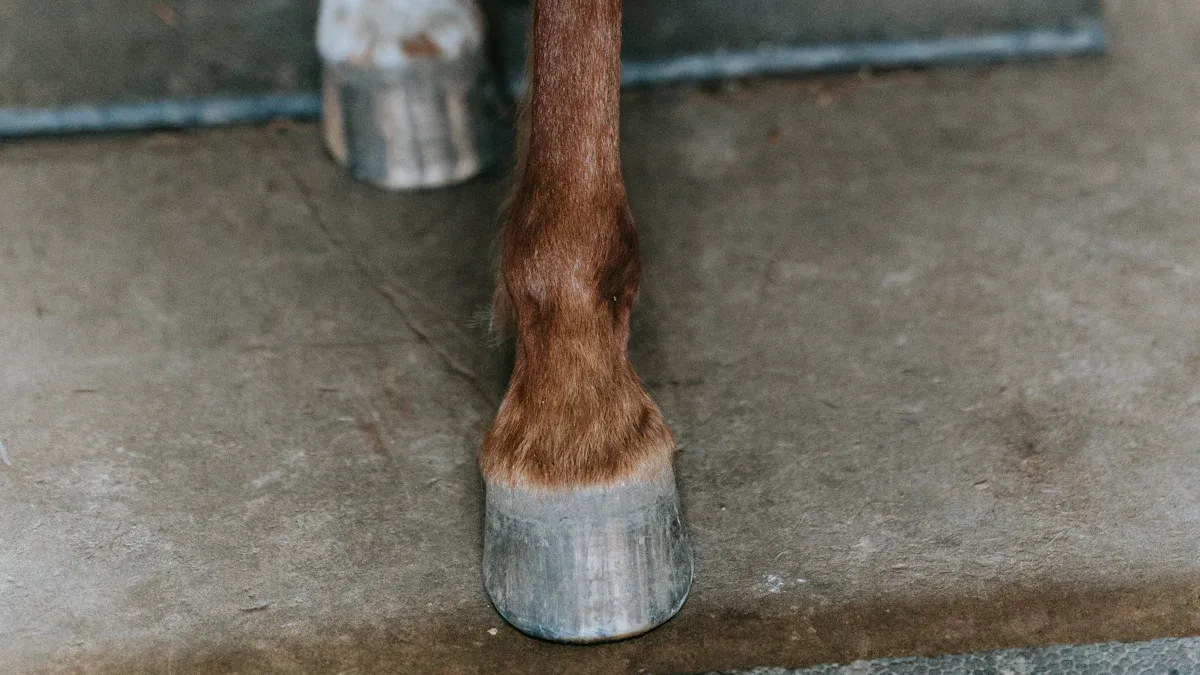
When a horse breaks a leg, the decision to have horses euthanized often arises from complex factors. Medical limitations make treating fractures challenging. Horses cannot lie down for long periods, which complicates healing. Many injuries, like proximal leg fractures, may not be treatable. As Dr. Bauer notes, some injuries require euthanasia to end suffering. Ethical considerations also play a significant role. Owners must consider the horse’s quality of life, often leading to difficult decisions about having horses euthanized. In fact, studies show that a significant percentage of horses with fractures are euthanized each year due to these concerns.
Key Takeaways
Horses face significant challenges in healing leg fractures due to their inability to lie down for long periods, often leading to difficult decisions about euthanasia.
Quality of life is crucial when assessing a horse’s condition. Effective pain management strategies can help improve comfort during recovery.
Veterinarians play a vital role in guiding owners through the euthanasia decision, emphasizing the importance of exploring all treatment options first.
Understanding common myths about euthanasia can help owners make informed decisions, focusing on humane considerations rather than financial ones.
Recent advancements in veterinary medicine offer new treatment options that can improve recovery outcomes, potentially reducing the need for euthanasia.
Medical Limitations of Treating Fractures

When a horse suffers a leg fracture, understanding the types of fractures is crucial. Each type has different implications for treatment and recovery. Here are some common types of fractures you might encounter:
Type of Fracture | Treatment Options | Prognosis |
|---|---|---|
Proximal phalanx | Comminuted: surgical | Guarded to poor |
Non-comminuted: medical/surgical | Good | |
Metacarpal III | Various surgical | Poor to good (depends on type) |
Olecranon | Various surgical | Guarded to good (depends on type and age) |
Radius | Open surgical | Poor |
Closed surgical | Fair to good (lighter horses), poor (heavier horses) | |
Tibia | Physeal surgical | Good |
Diaphyseal surgical | Guarded to poor | |
Humerus | Complete medical | Poor |
Femur | Physeal medical/surgical | Guarded to poor |
Diaphyseal surgical | Guarded to poor |
Common fractures include incomplete fractures, where the bone cracks without complete separation, and complete fractures, where the bone breaks entirely. Compound fractures involve bone pieces piercing through the skin, increasing the risk of infection. Chip fractures occur when small bone fragments break off, often in joints like the fetlock or knee.
Surgical challenges also complicate the treatment of fractures. You may face several issues during surgery, such as:
Poor configuration of the fracture, making surgical repair difficult.
Collateral ligament damage, which adds risks during recovery.
Skin trauma that increases the risk of infection, impacting recovery outcomes.
The need for the horse to bear weight shortly after surgery, which can lead to complications if the repair is unstable.
These factors contribute to the difficult decisions surrounding the treatment of horses with fractures. In many cases, the prognosis remains guarded, leading to the unfortunate reality that some horses are euthanized due to the severity of their injuries.
Quality of Life
When a horse breaks a leg, you must consider its quality of life. Pain management plays a crucial role in ensuring your horse remains comfortable during recovery. Various strategies exist to help manage pain effectively:
Pharmacological options: These include non-steroidal anti-inflammatory drugs (NSAIDs), opioids, and corticosteroids.
Non-pharmacological methods: Techniques like acupuncture and physical therapies can provide relief.
Multimodal analgesia: This approach combines different methods for enhanced effectiveness.
Preemptive analgesia: Administering analgesics before surgery optimizes pain control.
Monitoring and adjustment: Tailoring treatments based on your horse’s individual responses is essential.
Veterinary research highlights that multimodal analgesia is the most effective approach to pain management. You should critically assess pain levels to ensure effective treatment. Adjustments to analgesic protocols may be necessary based on the severity of the injury. Identifying the cause of pain is crucial. Deep pain often proves more challenging to manage than superficial pain. Neurological pain may require long-term analgesics and a multimodal approach. Advances in pain assessment techniques continue to improve pain management in equines.
Complications during the healing process can significantly impact your horse’s recovery. Here are some common complications you might encounter:
Complication Type | Description |
|---|---|
Infection | This is directly correlated to the degree of damage to the soft tissues surrounding the fracture. |
Instability | Problems with the fracture construct can lead to fixation failure. |
Axial limb deformities | These result from reduced weight bearing on the injured limb or direct injury to the growth plate. |
These complications can lead to a poor prognosis, which may ultimately influence the decision to euthanize horses. Understanding these factors helps you make informed choices about your horse’s care and well-being.
Horses Euthanized: Ethical Considerations

Veterinary Guidance
Veterinarians play a crucial role in the decision-making process when it comes to euthanizing horses with broken legs. They guide you in assessing your horse’s level of suffering and provide essential medical information. This information helps you understand your horse’s condition and the available treatment options. Here are some key points regarding veterinary guidance:
The veterinarian evaluates the horse’s quality of life and suffering.
They explain the prognosis and potential outcomes of treatment.
Emotional support is offered during this challenging time.
Veterinary associations emphasize that euthanasia should only be considered after exploring all alternatives. They advocate for humane treatment and assessment of suffering. If the prognosis is grim, euthanasia may be the most compassionate choice.
“A horse should not endure unmanageable pain or a poor prognosis for quality of life,” says the American Association of Equine Practitioners (AAEP). This highlights the veterinarian’s role as an advocate for the horse’s well-being.
Emotional Impact
The decision to euthanize a horse can lead to significant emotional distress for you as an owner. Your bond with your horse complicates this decision, often leading to feelings of guilt and sadness. Here are some common emotional responses you might experience:
Grief: Losing a horse can feel like losing a family member.
Guilt: You may question whether you made the right choice.
Confusion: The complexities of the situation can leave you feeling overwhelmed.
The emotional impact can be profound, especially when considering the horse’s suffering. You might feel torn between wanting to alleviate pain and the desire to keep your horse alive. Understanding that euthanasia can prevent prolonged suffering may help ease some of this distress.
Veterinarians recognize the psychological effects of this decision. They strive to communicate compassionately and clearly, ensuring you understand your horse’s suffering. This approach helps you make informed decisions about euthanasia.
Misconceptions About Euthanasia
Myths vs. Reality
Many myths surround the euthanasia of horses with broken legs. Understanding these misconceptions can help you make informed decisions. Here are some prevalent myths contrasted with the reality:
Myth: Euthanasia is primarily a financial decision.
Reality: Euthanasia decisions are complex and based on humane considerations, not solely financial motivations.
Myth: All fractures can be repaired successfully.
Reality: Not all fractures can be repaired, which significantly influences the decision to euthanize.
Myth: Horses can bear weight on three legs for extended periods.
Reality: Horses cannot bear weight on three legs for long, limiting recovery options.
The American Association of Equine Practitioners states that: “Euthanasia is an acceptable humane procedure once all available alternatives have been explored with the client. In certain cases, euthanasia should be regarded as a responsible treatment option.”
Decision-Making Process
The decision to euthanize a horse involves several critical factors. You must consider the horse’s quality of life, prognosis, and available treatment options. Here’s a breakdown of the decision-making process:
Factor | Description |
|---|---|
Quality of Life | Assess the horse’s current and future quality of life. This is a primary consideration. |
Prognosis | Evaluate the expected outcome of treatment options. This helps determine the best course of action. |
Age | Consider the horse’s age. Older horses may have a poorer prognosis compared to younger ones. |
Treatment Options | Review the availability and effectiveness of treatment options. This significantly influences the decision. |
Financial Considerations | Factor in the cost of treatment and your willingness to invest in the horse’s care. |
You, as the owner, hold the responsibility for this decision. The veterinarian plays a vital role by providing information and support. They help you understand the implications of your choices. Early discussions about end-of-life decisions can ease the emotional burden when the time comes.
By recognizing these misconceptions and understanding the decision-making process, you can approach the topic of euthanasia with greater clarity and compassion.
Advancements in Veterinary Medicine
New Treatment Options
Recent advancements in veterinary medicine have transformed how you can treat horses with leg fractures. New techniques and technologies have emerged, offering better outcomes and improving the quality of life for your horse. Here are some notable advancements:
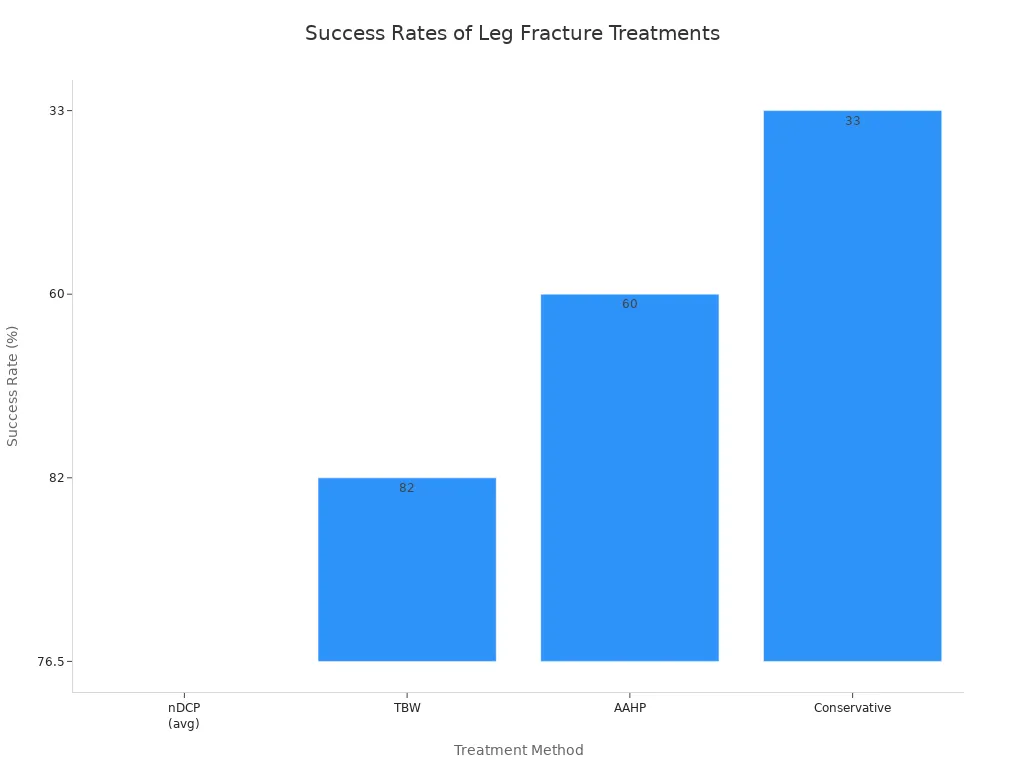
Treatment Method | Success Rate (%) |
|---|---|
nDCP | 75 – 78 |
TBW | 82 |
AAHP | 60 |
Conservative | 33 |
These new methods, such as the nDCP (narrow Dynamic Compression Plate) and TBW (Tension Band Wiring), show promising success rates. They allow for more effective stabilization of fractures, leading to quicker recovery times and better overall outcomes.
Impact on Decisions
Advancements in veterinary medicine significantly influence your decisions regarding euthanasia for horses with broken legs. With improved surgical techniques and better diagnostic tools, many horses that would have previously faced euthanasia can now receive effective treatment. Here are some key impacts:
Stronger surgical implants increase recovery chances.
External fixators provide improved treatment options.
Innovations in pain management enhance the quality of life.
Specialized clinics offer better handling of fractures.
Veterinarians now have more training and resources to assess and treat equine leg injuries. This means that many horses that once faced euthanasia can now be treated successfully. However, you still need to consider each case carefully. Not all fractures can be repaired, and some injuries may still lead to difficult choices regarding euthanasia.
Deciding to euthanize a horse with a broken leg involves careful consideration of various factors. You must weigh the horse’s welfare against medical possibilities and ethical concerns. Key factors include the type and location of the fracture, the horse’s age, and the quality of veterinary care. 🐴 Remember, even valuable racehorses may face euthanasia if recovery leads to suffering. Ultimately, compassionate euthanasia often emerges as the most humane choice to alleviate pain and ensure dignity in the horse’s final moments.
“Euthanasia decisions should involve a structured process, ensuring all options are explored.”
FAQ
What should I do if my horse breaks a leg?
If your horse breaks a leg, contact your veterinarian immediately. They will assess the injury and discuss treatment options. Quick action can improve your horse’s chances of recovery.
How can I tell if my horse is in pain?
Signs of pain in horses include limping, reluctance to move, changes in eating habits, and unusual behavior. Observe your horse closely for any signs of distress.
Are all leg fractures in horses fatal?
Not all leg fractures are fatal. Some fractures can be treated successfully with surgery or other methods. However, the prognosis depends on the type and severity of the fracture.
What factors influence the decision to euthanize a horse?
Factors include the horse’s quality of life, prognosis, age, and available treatment options. Your veterinarian will help you evaluate these aspects to make an informed decision.
Can horses recover from severe leg injuries?
Horses can recover from severe leg injuries, but recovery depends on the injury’s nature and treatment. Advances in veterinary medicine have improved outcomes for many horses with fractures.