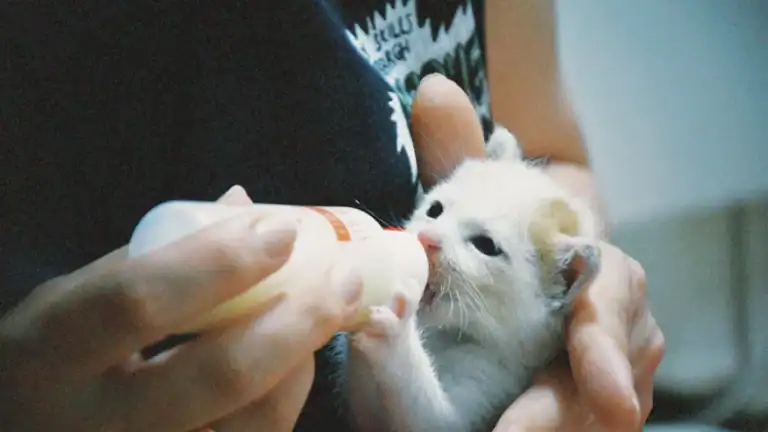

Soft dry food for cats with bad teeth uses gentler kibble and softer pieces to make chewing easier and soothe sore gums. Look for formulas with enzymatic coatings, polyphosphates, zinc, and balanced protein to limit tartar and support oral healing. Brands such as Royal Canin Veterinary Dental, Hill’s softer prescription kibbles, and Purina offer options with these features. Shift diets slowly, keep feeding routines calm, add water or wet toppers, and pair food with gentle home care for comfort and better oral health.
Why Soft Dry Food Helps Cats With Dental Problems
Because chewing becomes painful in case gums are inflamed or teeth are loose, soft dry food can make mealtimes much gentler for a cat while still offering some dental benefit. The food eases chewing difficulty through breaking down with less force, so the cat feels safer and more willing to eat. It also keeps texture that encourages some chewing instead of swallowing whole.
Caregivers connect through shared routines, offering bowls at calm times and watching intake closely. One trade off is saliva reduction from drier diets, which can let bacteria grow, so adding moisture or dental additives helps. Gentle kibble can balance softness and mild abrasion, and gradual changes support comfort while protecting oral health and belonging.
Key Ingredients to Look for in Gentle Kibble
During the selection of gentle kibble for a cat with sore gums or loose teeth, owners should look for ingredients that ease chewing while still helping control plaque and bacteria.
The ideal formula uses softer textures plus larger pieces so chewing is gentle yet effective. Look for enzymatic coatings that help decompose plaque without harsh abrasion. Also seek polyphosphate compounds such as sodium tripolyphosphate that bind calcium to slow tartar formation.
Supportive additives like zinc and green tea polyphenols reduce bacterial growth and soothe gums. Moderate protein and balanced calcium reduce mineral buildup while added fiber helps clear residue. These choices help a caregiver feel confident that the food both comforts the cat and aids dental health.
Royal Canin Veterinary Dental Alternatives for Sensitive Mouths
At the time of choosing between Royal Canin Veterinary Dental and other vet-formulated options, a caregiver can expect clear differences in dental benefit claims and the way textures ease chewing for a cat with a sore mouth.
Some alternatives keep the tooth-scraping action in larger, gentler kibble or use softer moist bites with enzymatic or mineral additives to limit tartar while still protecting sensitive gums. Comparing those dental benefits alongside texture and softness helps a pet owner and veterinarian pick a diet that balances comfort, plaque control, and comprehensive health for a cat with dental trouble.
Dental Benefits Compared
Compare how different dental diets assist cats with sensitive mouths through looking at texture, ingredients, and real comfort. The comparison centers on plaque reduction and tartar control while keeping the cat comfortable.
One finds enzymatic coatings and polyphosphates that work chemically. Another offers larger, gentler kibble that still encourages chewing without pain. Royal Canin options aim to balance mild abrasion with softer pieces for sore mouths.
Readers seeking belonging will feel supported through choices that protect teeth and respect comfort.
- Ingredients like sodium tripolyphosphate and zinc reduce tartar and lower bacteria
- Kibble shape and size enhance mild scraping while avoiding hard shocks to sensitive gums
- Soft dental formulas pair moisture and dental agents to ease chewing and help plaque reduction
Texture and Softness
Moving from how dental diets reduce plaque and tartar to the feel of the food, texture and softness become the things a cat notices initially. Royal Canin Veterinary Dental alternatives aim to ease chewing while keeping chew stimulation present enough to engage a cat.
The pieces are softer but still structured, so a cat can grind gently without pain. Moisture retention in these formulas helps soften the bite and soothes sensitive mouths.
Owners who want comfort and care find reassurance in a texture that respects pain and invites eating. The food balances tenderness and mild abrasion to support oral health and appetite.
This approach helps cats feel safe, keeps routines steady, and strengthens the bond between pet and caregiver.
Veterinary Diet Alternatives
Although dental-specific royal canin diets can help some cats, many owners look for softer veterinary alternatives which still protect oral health and soothe sore mouths. Veterinary brands offer recipes with gentle textures, added moisture, and targeted nutrients that calm gums while limiting tartar buildup. These choices fit families seeking community and care for a shy or older cat.
- Soft veterinary formulas with larger pieces that soften quickly in the mouth, providing mild abrasion and ease of chewing
- Nutritional alternatives include wet blends with polyphosphates or enzymatic coatings and balanced protein to reduce plaque
- Homemade options guided with a veterinarian, such as tender cooked proteins mixed with dental-safe supplements
These options connect pet owners to practical, confident care for pets with sensitive mouths.
Hill’s Prescription-Style Soft Kibble Options for Gum Health
Hill’s prescription-style soft kibble offers a gentler texture made for cats that struggle with chewing, while keeping a focus on ingredients that support gum health.
The formulas blend softer kibble shapes with nutrients like controlled calcium, zinc, and polyphosphates to limit tartar and soothe inflamed gums.
Upon introducing these diets, owners are encouraged to switch slowly and watch appetite and chewing comfort so the cat accepts the food and gains the intended dental benefits.
Prescription Soft Kibble
For cats with sore gums or loose teeth, prescription soft kibble offers a gentle middle ground between crunchy dental diets and pure wet food. It supports nutrient absorption while using palatability improvement to keep finicky cats eating.
The texture softens with saliva yet keeps tiny bits that encourage mild chewing, helping gums without sharp abrasion. Caregivers find comfort in a specialized formula that feels made for their cat. It fits homes where bonding over meals matters and where shared routines soothe both cat and person.
- Formulated for gum health with controlled minerals and coating agents
- Easier to chew than standard dental kibble while still promoting oral motion
- Veterinarian guided feeding plans that honor each cat’s needs and comfort
Gum‑Friendly Nutrient Profile
The softer prescription kibble that eased sore gums also calls for a careful look at what goes into the bowl. Hill’s prescription-style soft kibble aims to support gums with balanced minerals and gentle textures that reduce irritation.
It often pairs controlled calcium and phosphorus with vitamin supplementation to support tissue repair. The formulas also include antioxidants to limit inflammation and protect cells from damage. Cats feel comfort once the food fits their needs, and owners feel part of a caring group that understands oral struggles.
Ingredients like zinc and polyphenols help control bacteria while keeping bites tender. Together these nutrients and textures work side alongside to ease chewing, support healing, and keep daily feeding simple and kind.
Transition and Feeding Tips
Start slowly and gently as moving a cat to a softer prescription kibble, because changes can be stressful for both pet and owner.
The caregiver should plan a gradual introduction over 7 to 14 days, mixing old food with Hill’s softer t/d pieces.
Keep feeding consistency with set meal times and portions so the cat feels secure. Offer praise and a calm voice during meals to build trust and belonging.
- Mix increasing amounts of the new kibble each day while watching stool and appetite
- Keep bowls, location, and routine the same to reduce anxiety and encourage eating
- In case hesitation occurs, warm the food slightly or add a small spoon of wet food to entice chewing
Monitor chewing, breath, and gums, and consult the veterinarian once needed.
Purina Pro Plan Soft-Texture Dental Choices
Investigate how Purina Pro Plan offers soft-texture dental choices that help cats with sore mouths eat comfortably while still managing plaque and tartar. The brand balances protein content with softer kibble form and enzymatic coatings to support oral hygiene without harsh chewing. Cats and caregivers feel included through straightforward ingredient info and gentle textures that welcome sensitive mouths. The food aims to reduce tartar yet stay easy to bite. Below is a simple table to illustrate features and feelings that matter.
| Feature | What it means |
|---|---|
| Protein content | Keeps muscles strong and appeals to taste |
| Enzymatic coatings | Help break apart plaque gently |
| Soft kibble size | Eases chewing for older or sore cats |
Wet-Friendly Soft Dry Blends for Easier Chewing
Should cats have tender mouths, a wet-friendly soft dry blend offers a gentle middle ground that comforts chewing while still helping control plaque and tartar. It meets shared needs through mixing moist crumbs with tender pellets that keep moisture balance while encouraging bite and some scraping action.
The formula invites cats in and keeps them part of the household routine. Pellet size is tuned so pieces are easy to mash but still prompt chewing, which helps slow eating and adds mild abrasion to teeth. Owners find this blend warm and reassuring to serve.
- Blends combine soft morsels and small crunchy pellets for texture and dental benefit
- Formulas aim for moisture balance to aid hydration and digestion
- Pellet size varies to suit seniors and cats with missing teeth
How to Transition Your Cat to a Softer Dry Diet Safely
At the time a cat needs a gentler bite, shifting to a softer dry diet can be done with care and patience so both cat and owner feel confident.
A gradual introduction works best. Start alongside mixing a small amount of softer kibble into the familiar dry food. Increase the softer portion slowly over seven to fourteen days while watching for stool changes.
Owners should practice appetite monitoring every meal. Observe any reluctance to eat or sudden interest, and adjust the pace. Offer the new texture once the cat is calm and in a safe spot. Keep water available and try warming the food slightly to enhance aroma.
Should appetite drops for more than two days or signs of pain appear, consult a veterinarian promptly to protect trust and health.
Complementary Dental Care to Pair With Soft Dry Food
At the time a cat shifts to softer dry food, owners can support oral health with a few steady habits that work alongside the gentler texture. A caring routine helps prevent tartar and gingivitis while honoring a cat’s comfort.
Brushing techniques done slowly build trust and remove plaque. Water additives used nightly reduce bacteria between brushings. Together they keep the mouth cleaner and the cat happier.
- Introduce brushing techniques gently, using pet toothpaste and short sessions to create a calm habit
- Add vet-approved water additives to the bowl to lower oral bacteria and support daily hygiene
- Use VOHC approved dental treats or gels whenever brushing is not possible to maintain continuity
These options belong to a simple, shared plan that owners can follow.