
A cat follows a person for comfort and safe base, seeking brief check ins before exploring. It also follows for food, play, and learned routines that reward closeness. Curiosity drives it to inspect rooms and monitor new sounds or changes. Boredom and social needs prompt nudges and play invitations. Anxiety or fear of being alone creates clingy, restless behavior, which varies per personality and past learning. Keep going to learn more.
Secure Attachment and Seeking Reassurance
Showing steady calm near a caregiver, a securely attached cat uses that person as a safe base and seeks reassurance whenever the world feels uncertain.
The cat moves closer, nudges, or follows because attachment styles shape how it copes.
Whenever a caregiver bonds warmly and predictably, the cat learns to trust and to investigate more confidently.
This bond feels mutual and steady, and it invites closeness without pressure.
In contrast, insecure patterns could bring clinginess or avoidance, yet caregiver bonding can shift these tendencies over time.
The cat watches and tests responses, learning that one person provides comfort, routine, and safety.
That learning makes following feel like belonging.
Gentle, reliable care encourages secure behavior and calmer companionship.
You’re Their Source of Comfort and Safety
At the time a cat follows a person from room to room it often uses that person as a secure base, returning for quick comfort before going back to investigate.
This close tracking works as a stress relief cue, because the caregiver’s presence lowers anxiety and helps the cat feel safe in new or uncertain situations.
Notice how the cat’s body language softens or it seeks brief contact at the point it needs reassurance, showing the bond in simple, steady ways.
Secure‑Base Reassurance
In the quiet of a new room, a cat could pause and look back toward the person who came with them, using that person as a safe point to return to while investigating. This shows a secure base pattern rooted in maternal bonding instincts and learned trust. The cat checks in, then moves on, comforted by the presence of someone who cares. That steady closeness helps the cat feel seen and held without pressure. It invites belonging and calm, and strengthens mutual care over time.
| Behavior | What it looks like | Why it matters |
|---|---|---|
| Pausing and looking back | Brief glances toward caregiver | Reassurance before investigating |
| Returning briefly | Touching or sitting near person | Safety and contact |
| Resuming exploration | Moving away again | Confidence to investigate |
Stress Relief Cue
Providing calm presence can feel like a lifeline to a cat that is anxious or uncertain. A caregiver who stays nearby can help the cat read safe signals and settle whenever stress cues appear.
Whenever a cat follows, it often seeks the steady rhythm of a familiar person. Gentle talk, soft movement, and predictable touch lower tension and support exploration.
Researchers observe that cortisol indicators drop whenever cats have access to a trusted human, showing physiological relief beyond the visible comfort. This bond grows through kind responses and steady routines that answer the cat’s needs.
Over time, the cat learns to use proximity to regulate feelings, turning following into a quiet, shared routine of safety and belonging.
Following for Food, Play, or Routine Rewards
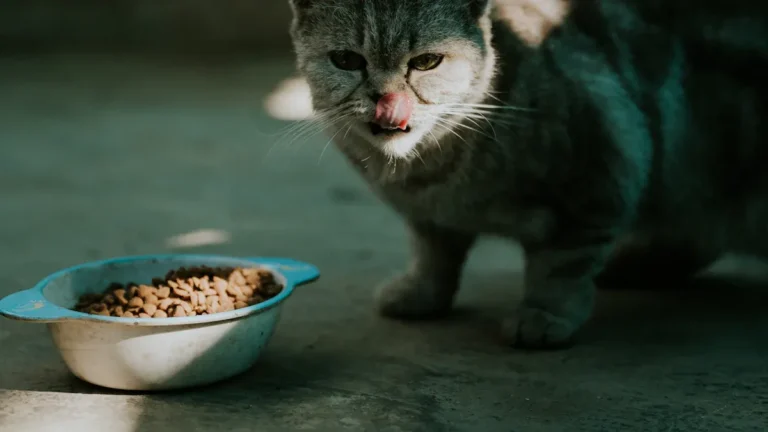
A cat often follows a person because it has learned that being nearby leads to good things like food, play, or a warm lap. The behavior grows from meal anticipation and reward conditioning, so the cat links movement to predictable kindness. It moves close whenever routines promise feeding, toys, or soft touch. This creates comfort and belonging for both. Below is a simple table showing common triggers and responses.
| Trigger | Typical Response |
|---|---|
| Feeding time cues | Follows to kitchen, vocalizes |
| Play ritual | Brings toy, bats at feet |
| Routine touch | Rests on lap, purrs |
These patterns form through gentle repetition. The person can tune timing and cues to reinforce calm, secure interactions that feel warm and mutual.
Curiosity and Checking the Home Together
Cats often walk with their person as though they are on a little patrol, checking each room together and marking the home as safe.
This behavior can come from curiosity whenever something new appears or from a desire to inspect known territory alongside a trusted companion.
Whenever a cat follows to investigate a novel sound or scent it is asking for shared information and gentle reassurance from the caregiver.
Territory Inspection Partner
As you shift from room to room, many pet cats act like small, furry detectives following close behind to check that everything in the home is as it should be.
They join you on a gentle territory patrol, sniffing corners and rubbing to do boundary marking. This behavior feels like teamwork and invites you into their world.
A cat uses your movement as a cue that something might need checking. It prefers to inspect with someone it trusts, so following becomes shared work and shared comfort.
The cat gains information and reassurance while you gain company and a sense of being needed. That mutual rhythm deepens connection and makes routine tasks feel warmer and less solitary.
Following for Novelty
Why does the house suddenly look more interesting as someone moves from room to room? A cat often follows out of curiosity and the chance for shared sensory exploration. Movement cues changes in light sound and scent. The caregiver becomes a companion for environmental enrichment and a vibrant guide to new things.
The cat sniffs doorways inspects windows and taps at novel textures while staying near the person it trusts. This behavior feels warm and inclusive to owners who want connection. It also helps the cat learn where things belong and whether anything has changed. Gentle interaction during these walks reinforces closeness.
Over time the pair build small rituals of discovery that soothe and entertain both.
Monitoring Changes and Household Activity
In a home where routines shift and small events happen often, a cat will quietly track movements and check for anything new, following a person from room to room like a gentle private detective. It watches for changes, doing environmental monitoring and subtle activity synchronization. The cat reads the house, notes a moved shoe, a new bag, a light left on, and steps closer to share the discovery. This behavior invites belonging. The cat offers comfort and quiet company while keeping the household familiar.
| Observation | Meaning |
|---|---|
| Moved object | Curiosity about change |
| New sound | Alert and attentive |
| Door opened | Chance to patrol |
| Person paused | Opportunity for contact |
Boredom or Need for Social Stimulation
Seeking attention and gentle play, a cat that follows a person room to room often needs more social stimulation than its environment provides. The cat seeks company and simple interaction. It might nudge, chirp, or circle to invite play and closeness. Owners who want belonging can respond with care and predictable attention.
- Offer environmental enhancement with climbing shelves and hiding spots to make rooms more inviting.
- Rotate interactive toys so novelty returns often and the cat stays curious and engaged.
- Schedule short play sessions and quiet lap time to meet social needs without disrupting routines.
These steps link play and calm contact. They help the cat feel heard and included while building trust and gentle shared routines.
Anxiety, Insecurity, or Clingy Behavior
Noticing a cat that trails every step can feel worrying, and the following behavior often points to anxiety or insecurity rather than simple affection. The cat might show separation distress, pacing whenever the person prepares to leave, or intense greeting at return. Attachment insecurity can make a cat cling, seeking constant contact for comfort. The caregiver feels needed and wanted, and that closeness can also feel heavy. Gentle reassurance, predictable routines, and calm responses help the cat learn safety. Small steps work best so the cat builds trust without pressure.
| Emotion Seen | What It Signals |
|---|---|
| Persistent following | Fear of being alone |
| Clingy contact | Need for reassurance |
| Restlessness | Unsettled by change |
Individual Personality and Learned Habits
Often a cat will follow because of a mix of personality and learned routine, and this combination explains why two cats in the same home can behave very differently. A cat’s personality traits shape how social or independent it is, and habit formation ties behavior to daily rewards like food, petting, or play. These forces work together and explain consistent following.
- Some cats are naturally clingy and seek steady contact because that fits their temperament.
- Others are curious and follow to monitor changes, learning that movement often leads to interest.
- Repeated positive results reinforce following as a reliable way to get attention and comfort.
This view invites owners to respond kindly and predictably, building trust and belonging.