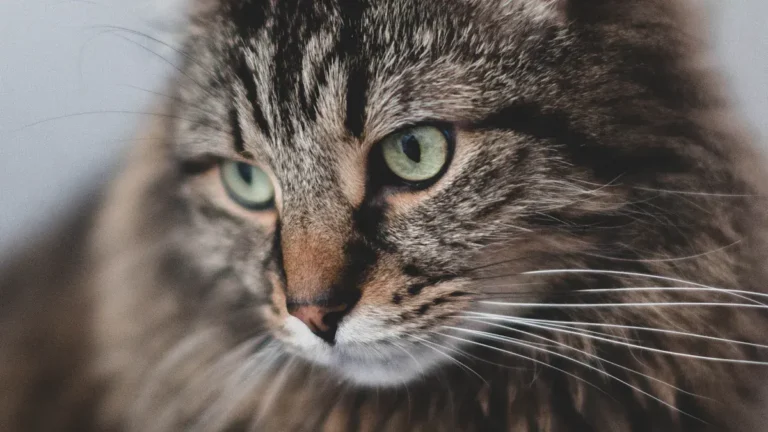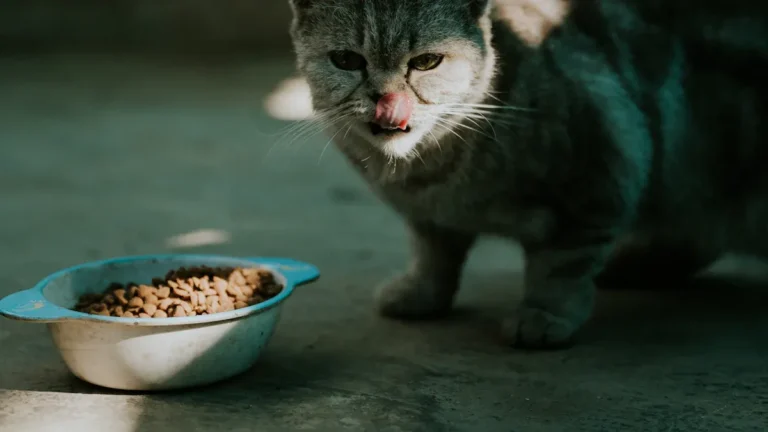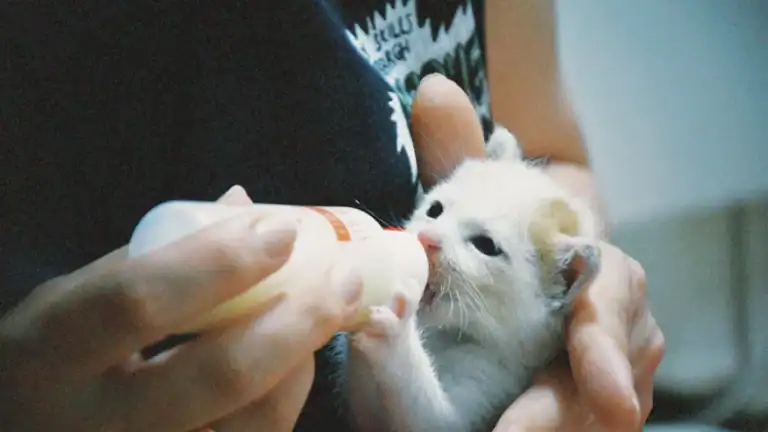

Many wild cats cannot roar, yet they are impressively vocal in other ways. They purr, chirp, hiss, and use soft calls to communicate. Cheetahs make chirps and clicks while sprinting, and pumas and bobcats offer low screams and purrs for family ties. Small forest cats like ocelots, margays, and clouded leopards keep quiet calls for close contact while servals and caracals move with silent grace.
Domestic Cat (Felis Catus)
How does a small, familiar companion hold so much mystery? The domestic cat moves through homes with quiet confidence, offering comfort and companionship that helps people feel seen. It purrs and chats, yet cannot roar because its voice box follows small cat anatomy. Owners build trust through simple routines like litter training and gentle handling.
Indoor enhancement matters here; toys, climbing spaces, and windows with views keep curiosity alive and reduce stress. A cat learns household rules at its own pace, and a caregiver’s patience creates belonging. Whenever a cat curls near someone, it is sharing safety. Clear signals, consistent care, and soft praise strengthen that bond, making the house feel like a shared, welcoming territory.
Cheetah (Acinonyx Jubatus)
The cheetah greets the world with a surprising set of sounds, using high-pitched chirps, moans, hisses, and clicks to talk to its cubs and mates in ways that feel intimate and urgent.
Its voice box is built more like smaller cats, so it purrs continuously instead of producing a deep roar, which makes those chirps stand out even more.
At the same time the cheetah carries non-retractable claws that help it sprint and hold prey, linking its unique vocal life with a body shaped for speed and close family bonds.
Unique Vocal Repertoire
Often cheetahs surprise people with sounds that seem too small for such a sleek hunter, and those noises reveal a lot about how they live and connect.
The cheetah uses chirps, purrs, hisses, moans, and soft clicks to speak with family and friends. These calls show subtle vocal learning and refined frequency modulation, helping cubs find mothers and siblings stay close. Listeners sense warmth and trust in those sounds.
The voice is high and urgent whenever danger appears, gentle and steady during rest. Social bonds deepen as individuals answer each other across tall grass.
This careful system replaces a loud roar and fits the cheetah’s fast, open world. People who care about cheetahs often feel closer through these shared vocal moments.
Non-Retractable Claws
In savannah grasses and busy wildlife reserves, the cheetah moves with claws that stay ready and visible, not tucked away like most other cats. The cheetah team feels connected to this trait because it shows adaptation and resilience, and people who care about wild felines can relate to steady readiness.
These semi exposed claws endure claw wear from constant contact with the ground, and that wear is part of their life. They provide a traction function that helps during sudden turns and full speed chases. This design is an evolutionary tradeoff favoring hunting efficiency over silent stalking. The balance is clear and human to envision. Observers can respect how this small change shaped a species and made a shared story of survival.
Puma / Cougar (Puma Concolor)
The puma, also called the cougar or mountain lion, ranges from the Canadian Rockies through much of the Americas and uses forests, mountains, deserts, and even suburban edges to find food and shelter.
It purrs like smaller cats and makes high chirps and hisses instead of roaring because its voice box and ossified hyoid limit low, booming calls, which affects how people and other animals detect it.
Conservation status varies across regions, with many populations stable and some local groups reduced, so learning where they live and how they communicate helps people protect both pumas and the places they need.
Range and Habitat
Across the Americas, the puma holds one of the widest ranges of any large wild cat, stretching from the cold mountains of Canada to the tip of South America. It lives in forests, deserts, grasslands, and near human edges, so people can feel connected to their presence.
The species moves along elevation gradients and uses river corridors, rocky outcrops, and coastal wetlands as stepping stones. It adapts to suburbs and protected parks, finding cover and prey while keeping a low profile.
Families and communities sharing land learn to coexist with thoughtful practices. Conservation areas, wildlife corridors, and respectful behavior help pumas and people share space. This nurtures belonging and care for a shared environment.
Vocal Behavior
Listen closely and a gentle mix of sounds will reveal how a cougar uses its voice to connect, warn, and comfort.
The cougar purrs whenever near kin or resting, and it emits chirps, hisses, and low screams to mark mood and need. Its vocal biomechanics limit deep roaring but allow a wide repertoire for everyday bonding. These calls act as social signaling to mates, cubs, and rivals. A subtle chirp can soothe a kitten while a harsh hiss keeps distance. Vocal tone, timing, and body posture work together, so listeners can read intent.
People who care about these felines feel closer whenever they learn these cues. That closeness helps nurture respect, protection, and shared curiosity.
Conservation Status
Many people know the cougar as a lone hunter, but its conservation story is more complex and weighty than that image. The species is mostly listed as least concern, yet local endangered populations face real threats. People want to belong to efforts that protect these cats and their homes. Connecting habitats helps both cougars and communities feel safer and hopeful.
- Loss of habitat fragments populations and isolates genes
- Habitat corridors link range patches and support movement
- Human conflict reduces numbers in some regions and creates fear
- Community stewardship programs nurture coexistence and care
Transitional work between science and local action builds trust. Whenever neighbors act together, cougars gain room to roam and people gain pride in protecting wildlife.
Eurasian Lynx (Lynx Lynx)
The Eurasian lynx is a shy and patient forest cat that moves with quiet confidence through Europe and Asia. It often stays concealed among trees, and people who care about nature feel a warm bond once they learn its habits. Stories of lynx folklore surround mountain villages, linking the cat to watchful guardianship and mystery. Those stories help fuel lynx conservation efforts today, and communities join scientists to protect habitat and prey.
The lynx hunts alone, uses stealth, and prefers deep cover. It can thrive once forests are healthy and connected. Neighbors and visitors who respect wildlife can support corridors, report sightings, and back local programs that keep this gentle predator welcome in the shared terrain.
Bobcat (Lynx Rufus)
The bobcat ranges across much of North America, from southern Canada through the United States to northern Mexico, and it lives in forests, swamps, deserts, and even near people whenever food is available.
It is quiet compared with big roarers and uses yowls, hisses, and chattering calls to communicate, while purring and chuffing help soothe kittens and signal calm.
These habitat and vocal traits are linked because its solitary, adaptable life favors stealth and short-range sounds, so listeners can envision a wary, clever cat moving through brush at dusk.
Range and Habitat
Across North America, the bobcat lives in places that feel familiar and safe to people as well as to wildlife. It ranges from southern Canada to Mexico, showing altitude ranges that span sea level to mountain slopes. The bobcat uses edge zones between forest and open land, and it finds comfort in microhabitats diversity like rocky outcrops, brushy ravines, and wetland edges.
This adaptability helps people feel connected to local wild neighbors.
- Forest edges with dense cover for stalking and resting
- Shrublands and deserts offering shelter and small prey
- Suburban greenways and farmlands where corridors link patches
- Mountain foothills and canyonlands with crevices for dens
These habitats work together, letting the bobcat stay close yet concealed.
Vocal and Behavior
In quiet twilight along a fence line, a bobcat often speaks with soft, surprising sounds that hint at its secret life. It uses chirps, yowls, and purrs to connect with kin and neighbors, blending familiar comfort with wild mystery.
Observers feel welcome as the story unfolds because the bobcat’s calls seem almost like shared language. Vocal learning appears limited but present through young cats copying mothers for hunting cues.
Social signaling matters more than loudness. Body posture, ear flicks, and tail twitches pair with brief vocal memos. These combined signals guide mating, territory, and play.
The tone stays gentle and reassuring, inviting readers into belonging with nature while honoring the bobcat’s quiet, clever ways.
Iberian Lynx (Lynx Pardinus)
A quiet hunter of scrubby Mediterranean lands, the Iberian lynx holds a fragile place in both nature and people hearts.
It plunges with patient steps, eyes bright, ears tufted, and a coat patterned to vanish into gorse.
People working on Iberian conservation feel connected to its survival and to each other.
They share hope and steady care.
Genetic diversity remains a concern, so breeding and habitat work go hand in hand to keep populations healthy.
- Lives in scrub, open woodland, and alongside people
- Eats mainly rabbits and needs safe corridors to roam
- Faces threats from habitat loss, disease, and road collisions
- Benefits from community programs, protected areas, and breeding centers
Communities find comfort in protecting this shy feline.
Caracal (Caracal Caracal)
The caracal greets the reader with its striking black ear tufts that stand tall and help it listen and communicate in quiet desert and savanna nights.
It moves with focused grace while hunting small mammals and birds, often leaping high to snatch prey, and it uses a mix of chirps, purrs, and hiss-like calls rather than a deep roar.
These ear tufts and vocal habits work together to shape the caracal’s secretive lifestyle, so the discussion will link appearance to how it hunts and how it sounds.
Distinctive Ear Tufts
Perched like a tiny flag at the tip of each ear, the caracal’s tufts catch the eye and invite curiosity, so many people feel an instant fondness for this wild cat. The tufts serve more than looks. Ear tuft signaling helps the caracal share mood and attention with others and with observers. Tuft grooming behaviors keep the strands neat, showing care and health. These actions make the caracal feel familiar, as provided that it belongs to a shared world.
- Tufts point whenever alert, guiding eyes to focus.
- Gentle preening preserves tuft shape and softness.
- Tuft movement complements facial expressions and posture.
- Communal sighting often sparks warmth and connection.
Hunting and Vocalizations
How does a caracal catch dinner with such quiet grace? The caracal moves with silent stalking that feels like a shared secret among friends. It pads close, studies wind and sound, then springs with a single clean motion.
This cat listens and watches, and people who care about wildlife feel connected to that patient focus. Vocalizations are soft and varied, from chirps to hisses, and they help keep family ties strong.
Whenever needed, cooperative hunting can occur; siblings or a mated pair coordinate timing and direction to corner prey. These behaviors show trust and teamwork. Readers who want belonging find comfort in being aware caracals live through careful skill and gentle communication that echo community values.
Clouded Leopard (Neofelis Nebulosa)
Clouded leopard is a tree-loving cat that lives quietly in the forests of Southeast Asia and draws people in with its soft eyes and secretive ways. It moves among branches with arboreal adaptations that show elegance and skill, and it faces threats like habitat fragmentation that make friends of people want to help. The animal feels close to forest communities and invites belonging.
- Long tail for balance and powerful forelimbs for climbing
- Patterned coat for hiding and large canines for bold hunting
- Quiet, soft vocalizations and solitary, calm behavior
- Vulnerable to habitat loss and benefits from community conservation
Readers feel welcome to care, to learn, and to support this shy cat in gentle, practical ways.
Fishing Cat (Prionailurus Viverrinus)
The fishing cat often appears quietly confident near slow rivers and flooded fields, and it invites curiosity with steady, watchful eyes. It moves with calm purpose, sharing space with people who care about local wetlands. It uses patient fishing techniques, tapping water with a paw or waiting at edges for fish to surface. This behavior makes observers feel connected and protective.
The cat prefers reeds and shallow pools, so wetland conservation matters to its daily life and to community identity. It tolerates gentle human presence whenever habitats stay healthy. Stories of neighbors watching along riverbanks help build belonging. Gentle humor eases concern, and clear actions like habitat protection keep this shy, skilled hunter part of shared scenery.
Leopard Cat (Prionailurus Bengalensis)
Following the quiet, patient scenes of the fishing cat near waterways, attention moves to a close cousin that prefers thicker cover and quieter nights.
The leopard cat moves softly through understory, familiar to people who love shared green spaces and want wild neighbors to thrive. It welcomes company in thought, not crowding.
Threats like habitat fragmentation reduce safe corridors and test genetic diversity, so communities feel responsible for connected habitats. The cat is small, adaptable, and shy. It breeds in fragmented patches yet holds hope whenever neighbors protect woodlands.
- Size and look: spotted coat, bright eyes, nimble paws
- Diet: rodents, birds, small reptiles
- Behavior: solitary, nocturnal, excellent climber
- Conservation: local action improves survival
Margay (Leopardus Wiedii)
Often unseen in the treetops at dusk, the margay moves with a rare grace that makes people feel quietly protective. It prefers dense forest and lives mostly alone. Observers remark its nocturnal agility and soft patter as it stalks prey. It trusts branches like old friends and practices arboreal hunting with unmatched balance. Readers who care about wild cats often feel a kinship with this shy creature. The margay climbs down headfirst, uses its long tail for balance, and hunts small mammals and birds with delicate precision. The tone invites belonging and gentle stewardship. Below is a simple comparison to enjoy facts and feel connected to this quiet, capable feline.
| Trait | Remark |
|---|---|
| Size | Small, slender |
| Behavior | Nocturnal agility |
| Habitat | Tropical treetops |
| Diet | Birds and small mammals |
| Movement | Arboreal hunting skills |
Ocelot (Leopardus Pardalis)
Night-stalker and artist of spots, the ocelot moves through brush with quiet confidence that invites curiosity and care.
It prefers dense forest and wetlands, where nocturnal hunting lets it slip after rodents, birds, and fish.
People who share places with ocelots often feel a warm bond, sensing a shy neighbor that belongs in the same web of life.
Threats like habitat fragmentation make gentle outreach and safe corridors vital.
- Size about that of a small dog, compact and strong
- Coat patterned with rosettes and stripes, each unique
- Vocal and purring behaviors show close kinship with other small cats
- Thrives where community protection and habitat connection exist
Serval (Leptailurus Serval)
In tall grass or near water, the serval moves with long-legged grace that feels both delicate and powerful. It belongs to communities of observers who love wild places and small fierce cats.
The serval stalks through reed beds and savanna stalks with a patient, springy step. Its large ears catch the tiniest sound, ear tufts signaling mood or focus to nearby mates and young.
Hunters watch how it pounces, using long legs to leap high and snag rodents with precise paws. People feel welcome in its quiet world because the serval shows attentive care for family and place.
Observers learn patience from watching it, and that shared calm makes them feel part of something alive.
Golden Cat (Caracal Aurata / Profelis Aurata)
Softly moving through rainforests and rocky hills, the African golden cat feels like a quiet secret of the wild that people are glad to uncover. It walks with calm confidence, and the community of readers can feel welcome in its presence.
Golden cat morphology shows a compact, muscular body, rounded ears, and a coat that ranges from reddish to gray brown. Its eyes are steady and kind, like a neighbor you trust.
- Size and build make it a skilled stalker in dense cover
- Diet and habitat choices connect it to local people and places
- Vocal adaptations include soft chirps and low growls for close contact
- Conservation needs invite a shared caring approach
Sand Cat (Felis Margarita)
Across deserts and dry plains, the sand cat moves with a quiet confidence that feels almost like a secret shared between the animal and the wind.
The small feline invites companionship through its gentle, solitary presence. It shows impressive desert adaptations like thick fur on paws, pale coat for camouflage, and ability to live without free water.
The cat sleeps in burrows by day and practices nocturnal hunting as temperatures fall, listening for rodents and insects. It purrs instead of roaring, which makes it feel approachable to those who love small wild cats.
People who care about wild places can relate to its resilience. Simple signs of its life build a bond and remind readers they belong with other stewards of nature.